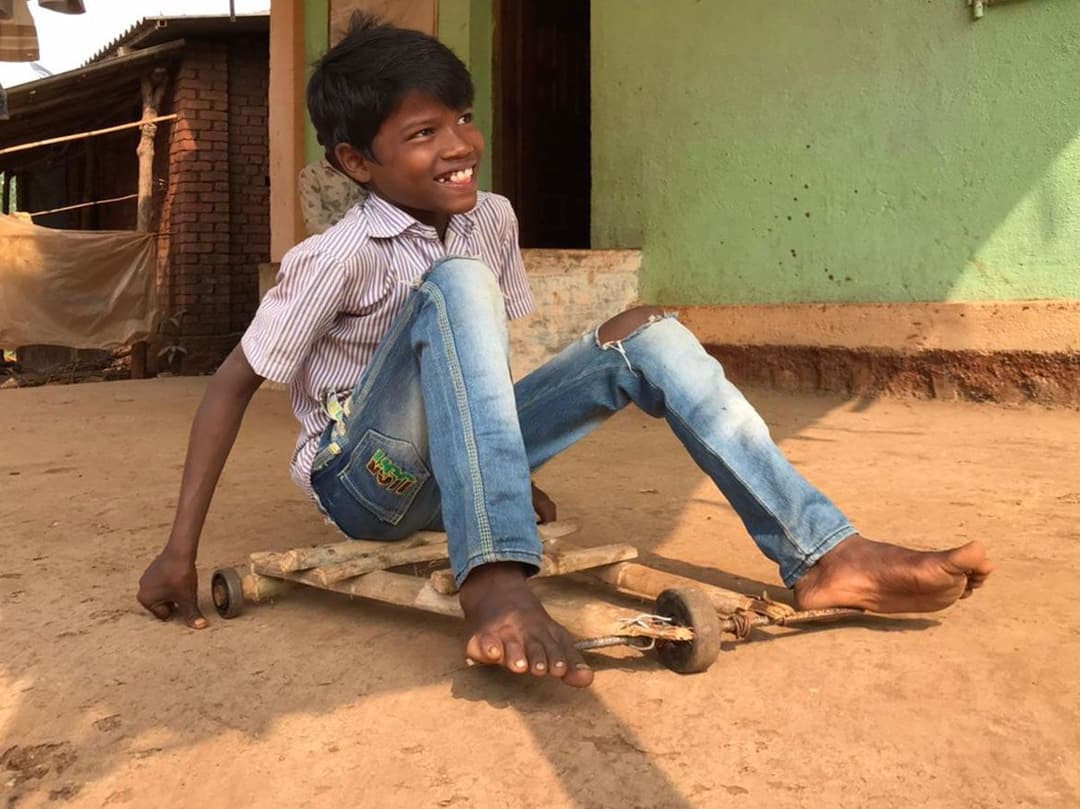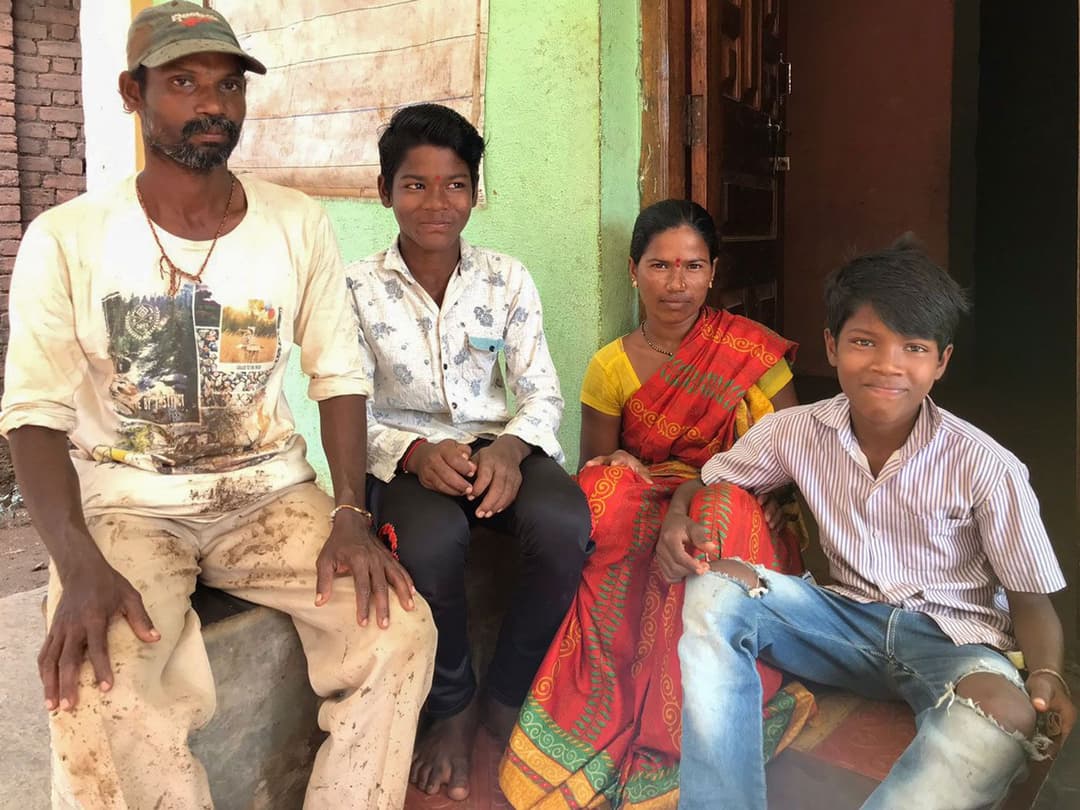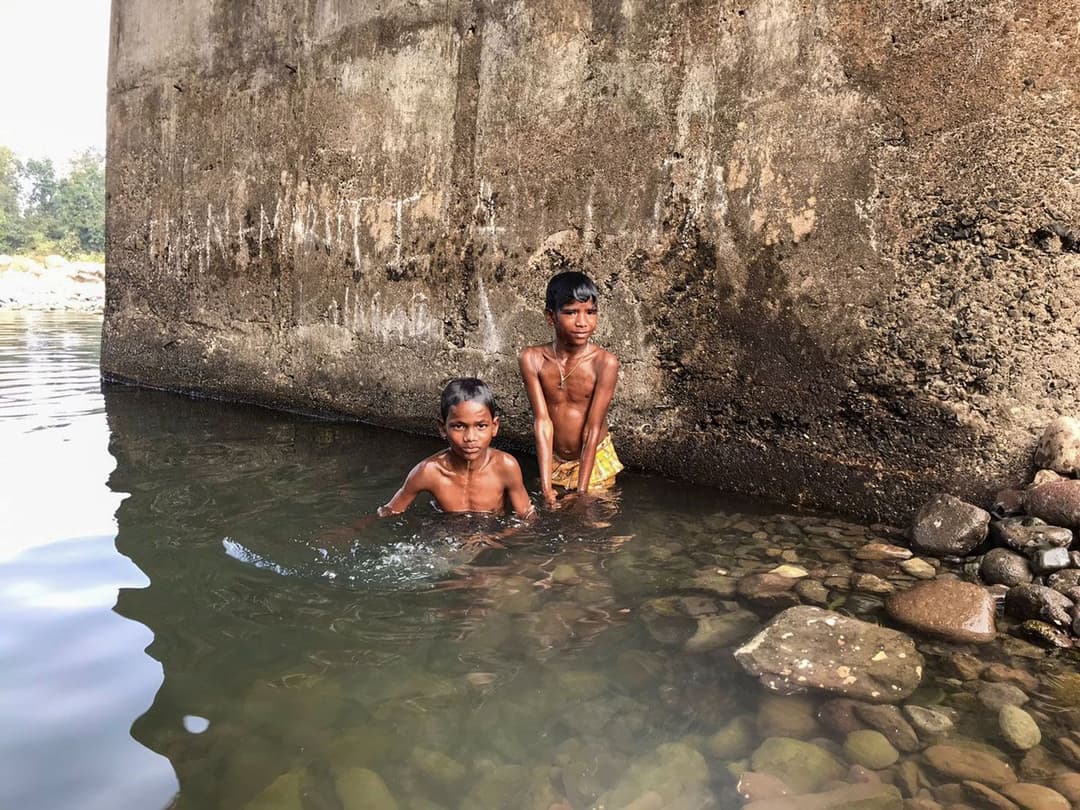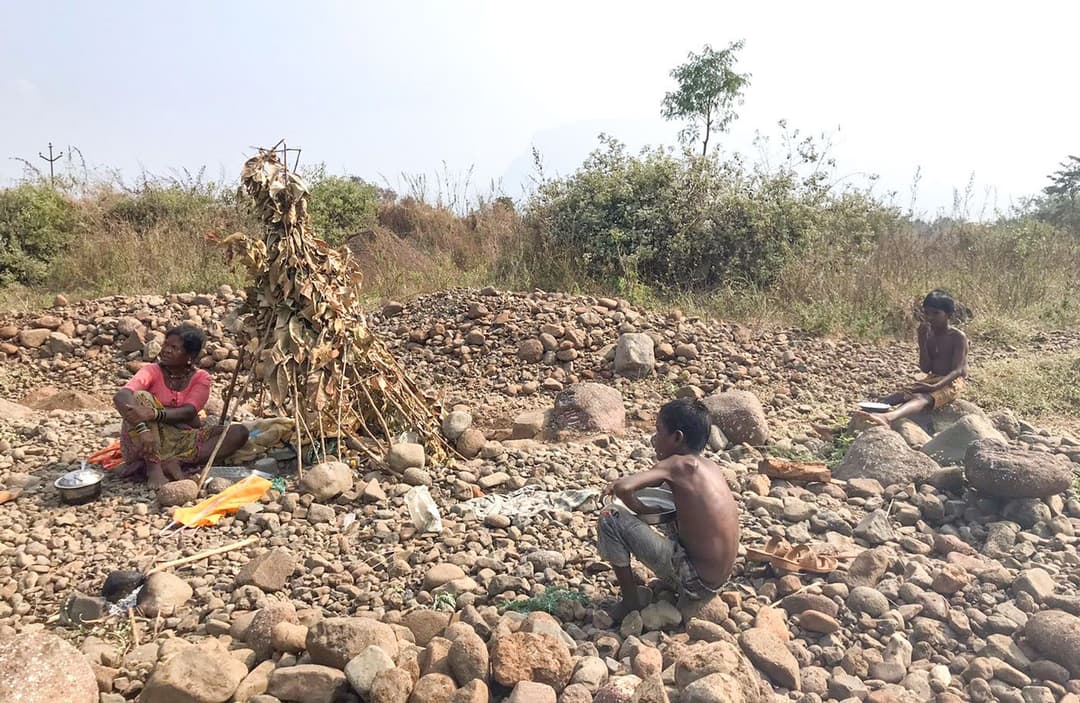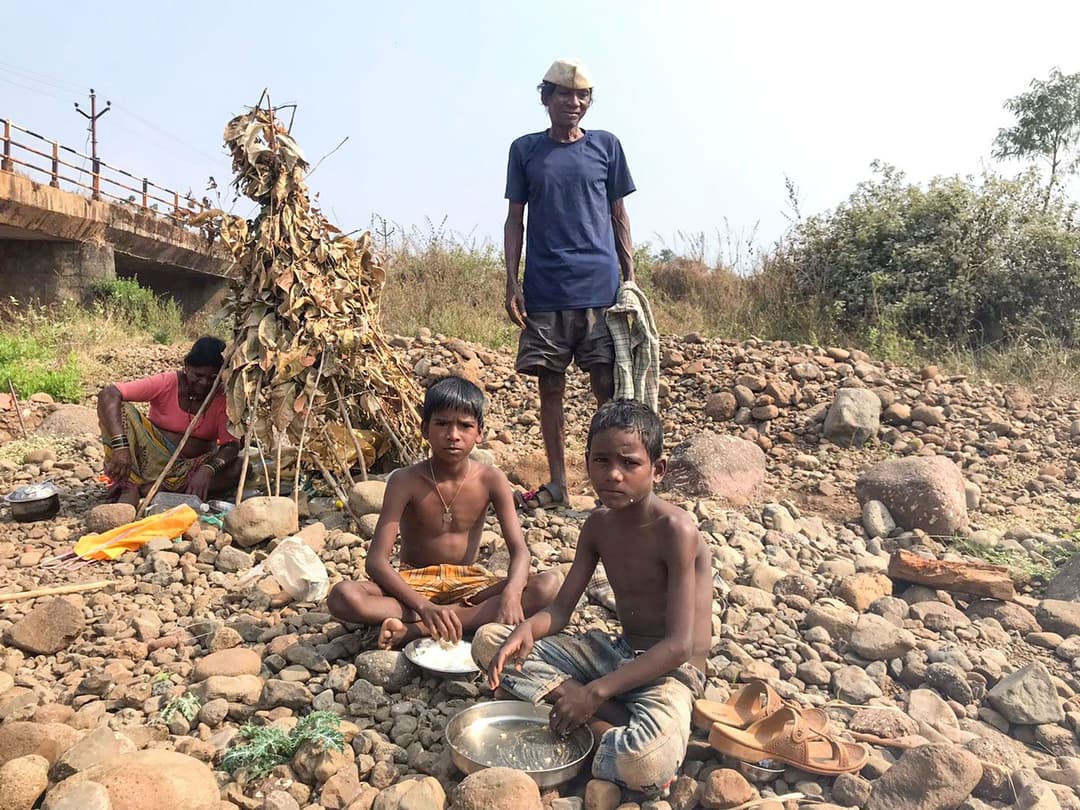
Ganesh and Arun Mukane should be in school, in Class 9 and 7 respectively. Instead, they are whiling away their time at home in Koloshi, a hamlet on the outskirts of Mumbai in Thane district. Using whatever scrap is available they make cars and other objects. Or they spend time sitting around while their parents work at a brick kiln.
“They no longer study with books. This younger one [Arun] is busy making toys out of scrap and wood. His entire day goes just in play,” Nira Mukane, their mother said. Arun cuts her short by saying, “How many times do I tell you that I get bored at school?” The exchange between them does not end well and Arun walks away to play with a make-shift car that he has recently fabricated from waste materials he finds in and around his home.
Nira, 26, has studied till Class 7 but her husband Vishnu, 35, left school after Class 2. The Mukanes are firm that their boys should get a formal education so that they will not end up doing the only work their parents can find – fishing in local streams or working in a brick kiln. Many Adivasi families migrate to the Shahapur-Kalyan region to work at brick kilns there.
“I could not study much. But I want my children to be educated well,” said Vishnu who belongs to the Katkari community which is listed as a Particularly Vulnerable Tribal Group (PVTG), one of three in Maharashtra. The Katkari community in the state has a literacy rate of 41 per cent, says a 2013 report by the Ministry of Tribal Affairs.
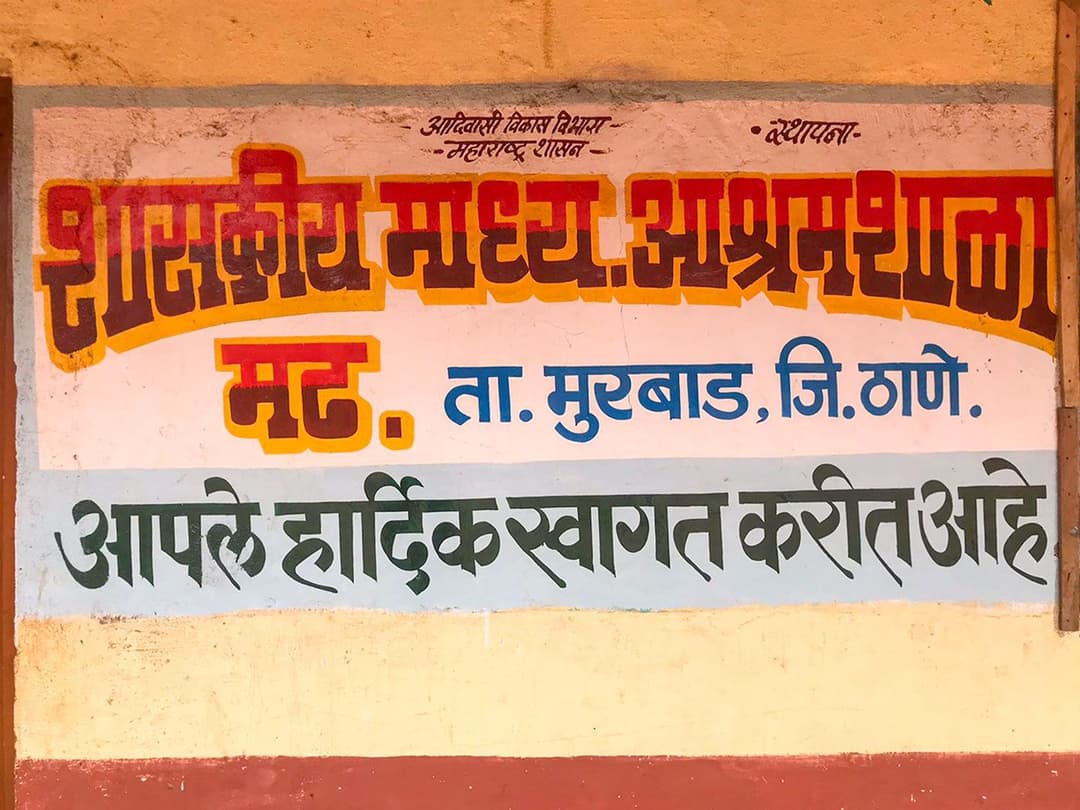
So four years ago when the local government school was going to be shut down because there were not enough students, Vishnu and wife put their boys into the Government Secondary Ashram School in Madh village (referred to locally as the Madh Ashram Shala). This is a state-run day and residential school from Class 1-12 and is located 30 kilometres from Murbad in Thane district. Of the 379 students, 125 were residential students like their sons. “I was happy that they were getting to eat and study at the school. But we missed them,” said Vishnu.