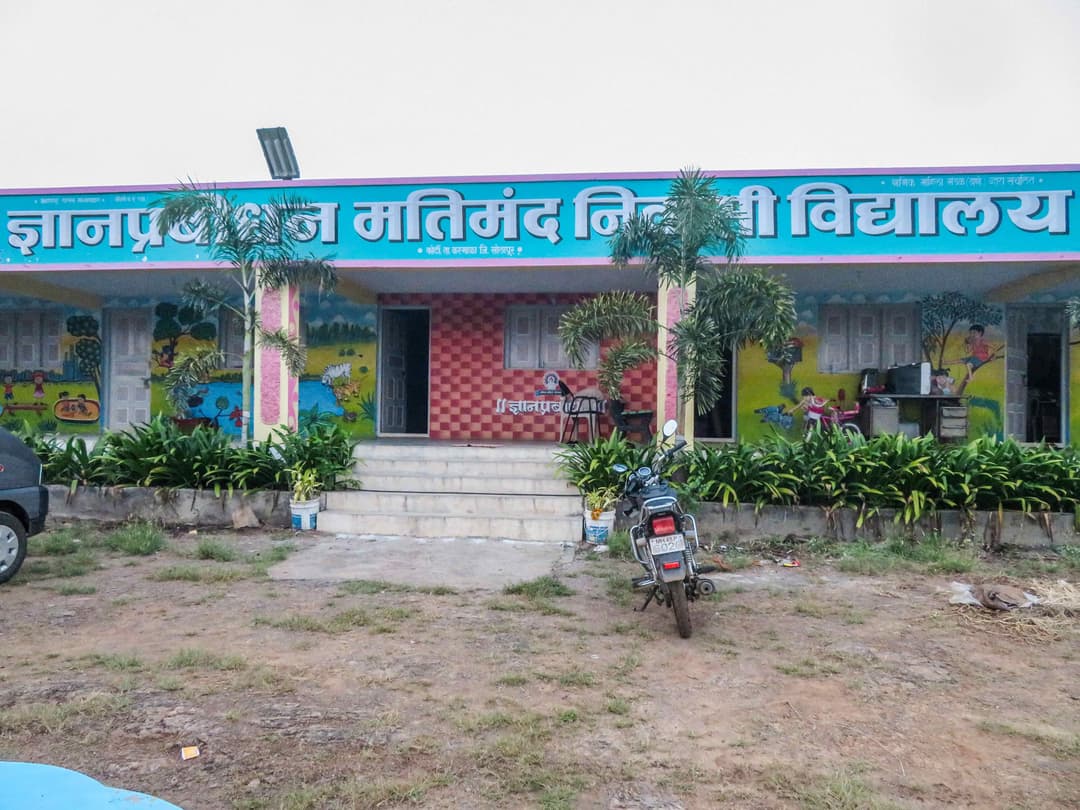

“Shalet jaychay…shalet…Vaibhav…Vaibhav…shalet… [Want to go to school…school…].”
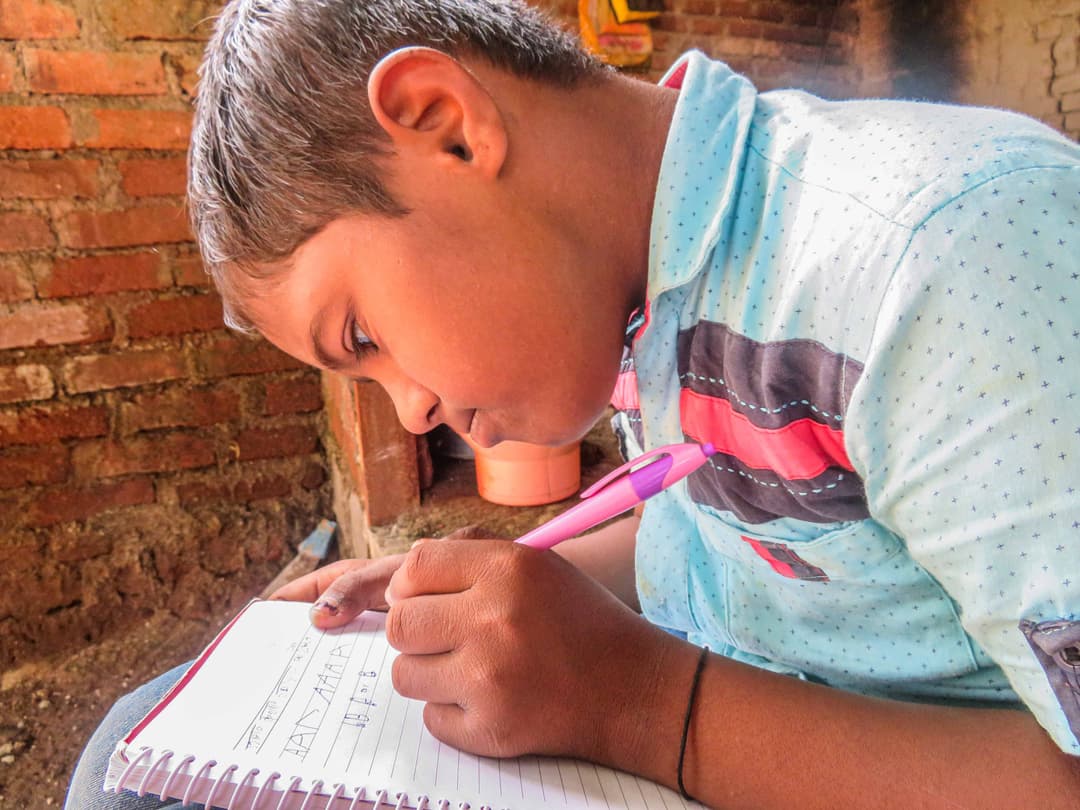
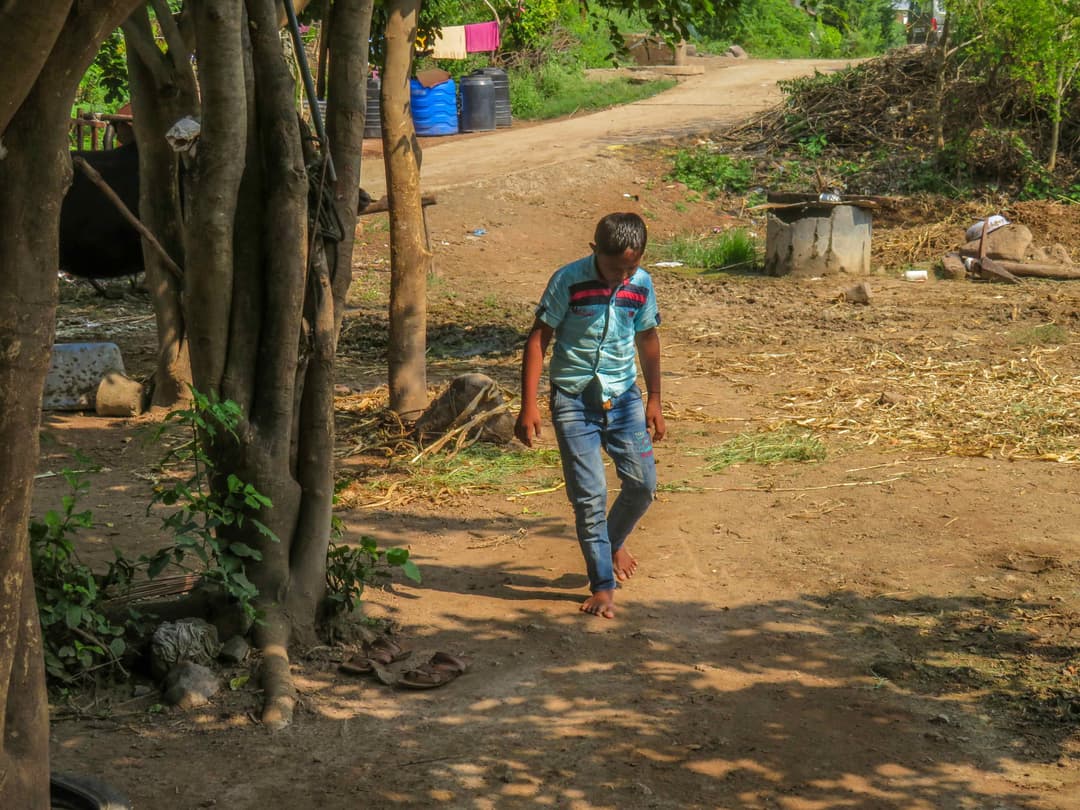
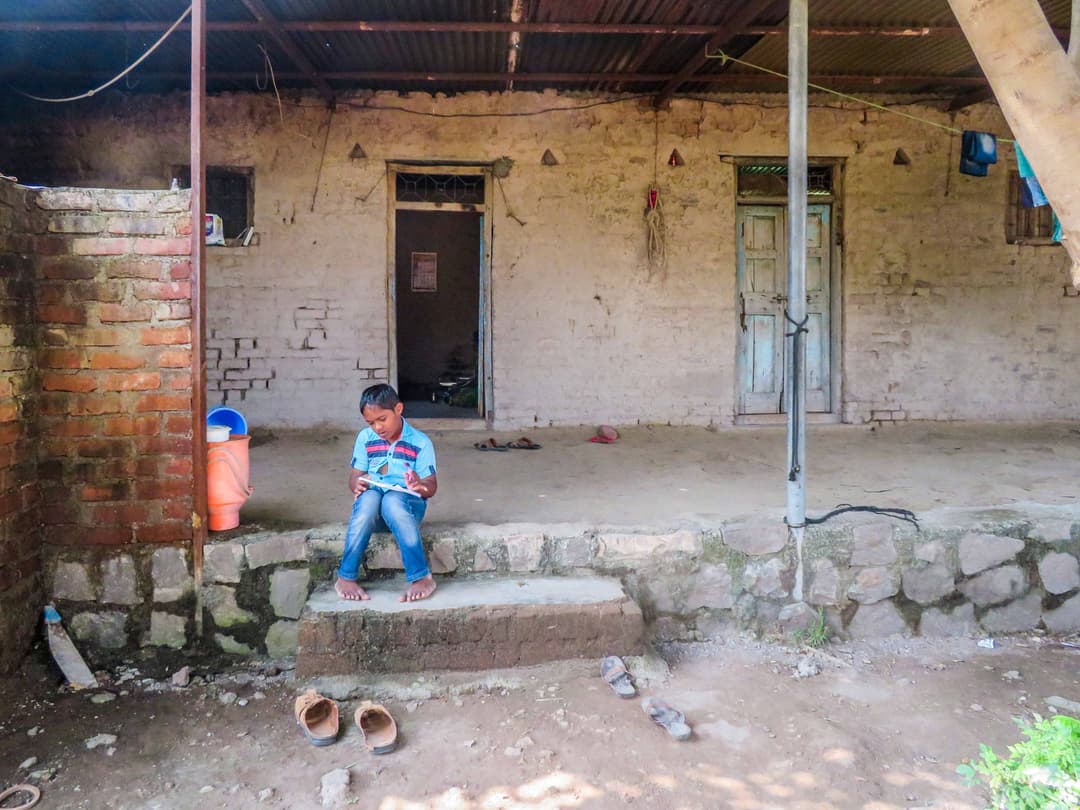
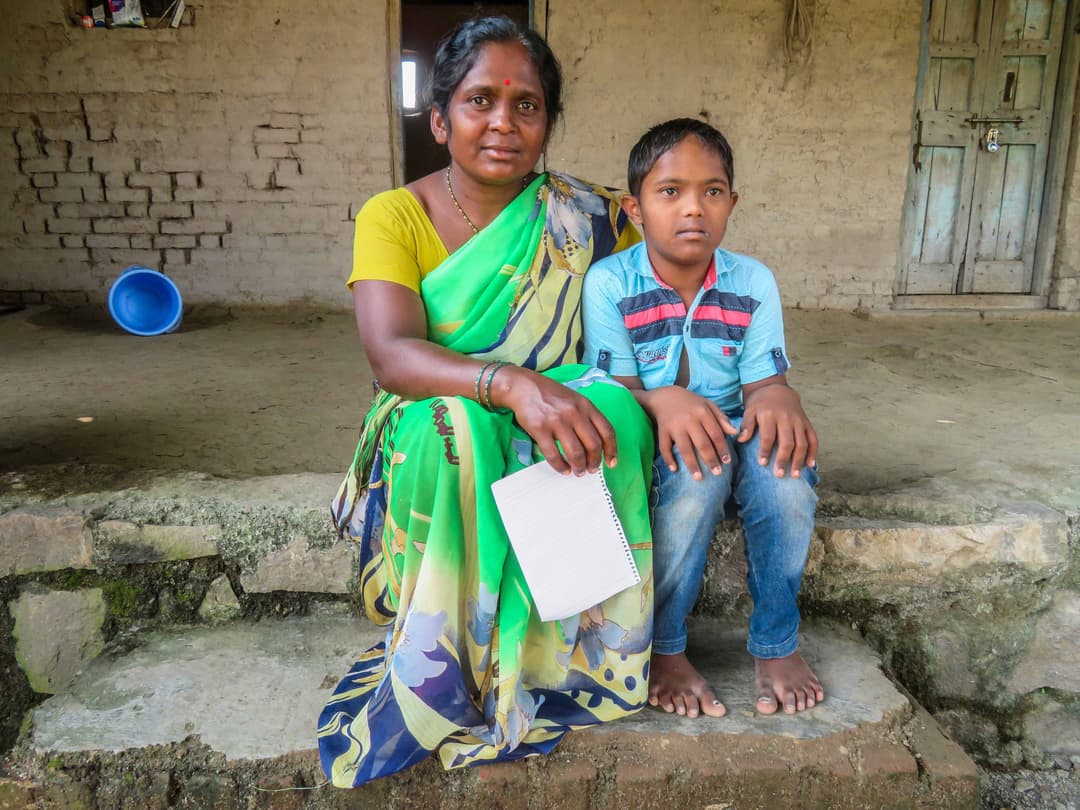
Prateek repeats this, over and over again, calling to a classmate who is not there. He is sitting at the threshold of his one-room mud house, watching a group of children giggle and play nearby. The 13-year-old sits there from morning to evening. Or he stands, leaning against a tree in the front yard, watching his world – one that has rarely extended for nearly 11 months beyond that threshold and the yard with trees and a cow shed.
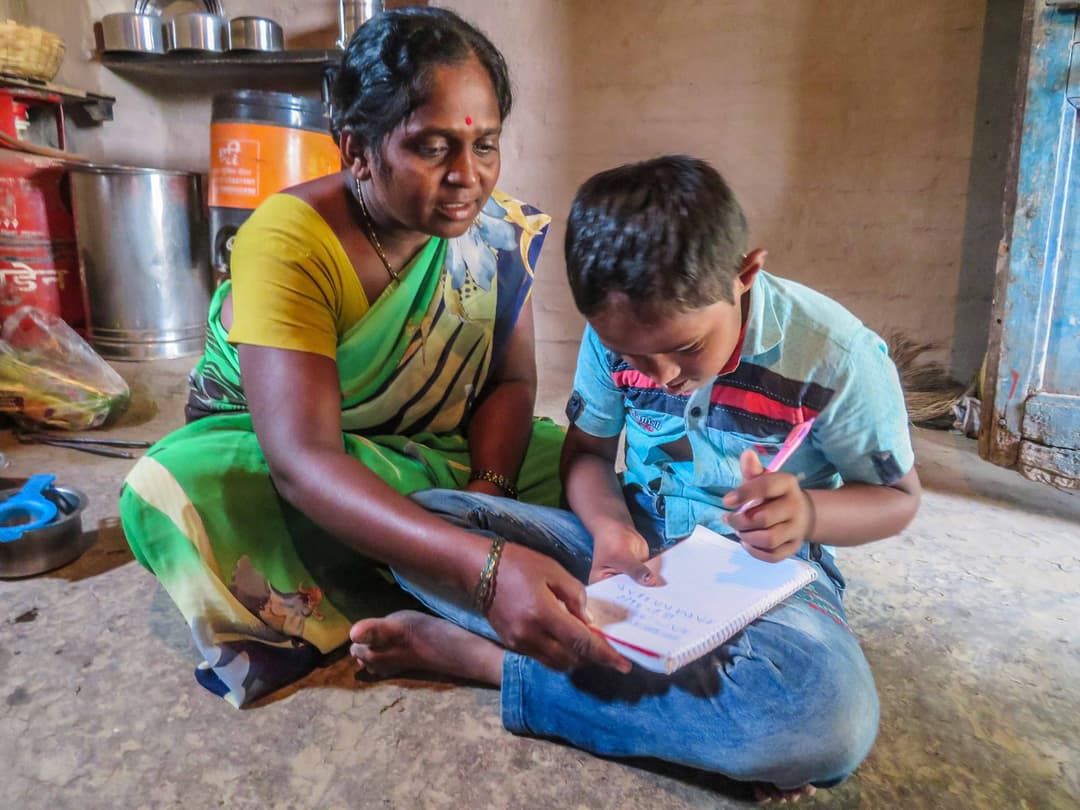
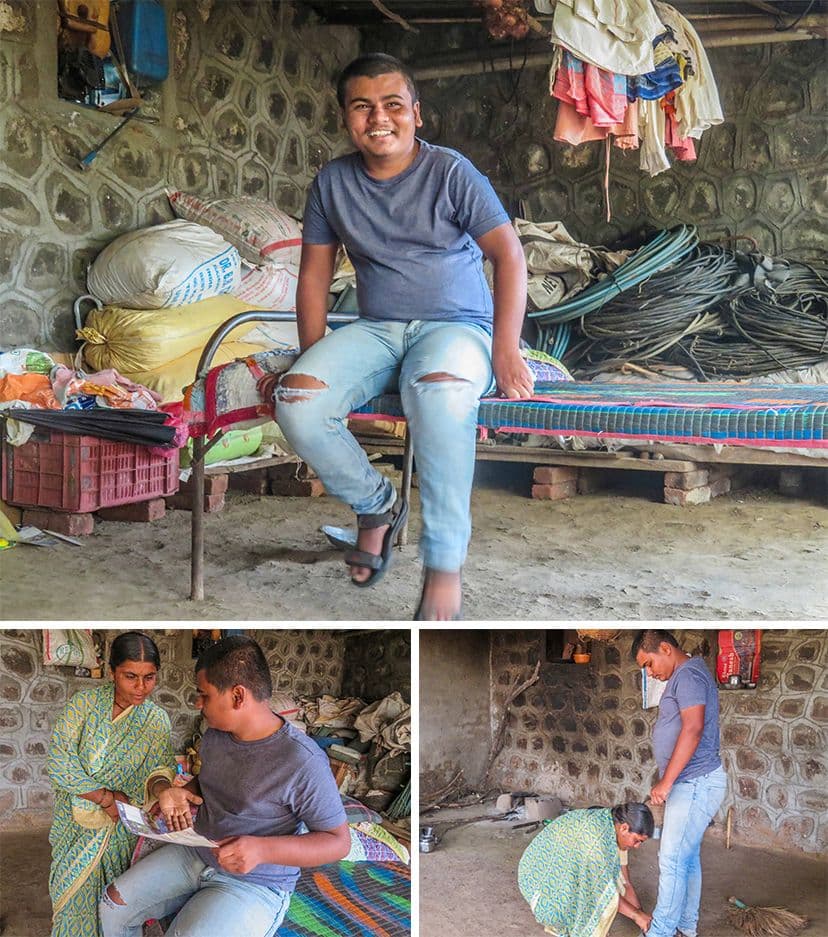
The other children in Rashin village don’t play with Prateek. “The kids here don’t understand what he says. He remains alone,” explains his 32-year-old mother, Sharada Raut. She noticed signs early on that Prateek was different from other boys in the village, and even from her older child. He was unable to articulate much or take care of himself till he was 10.
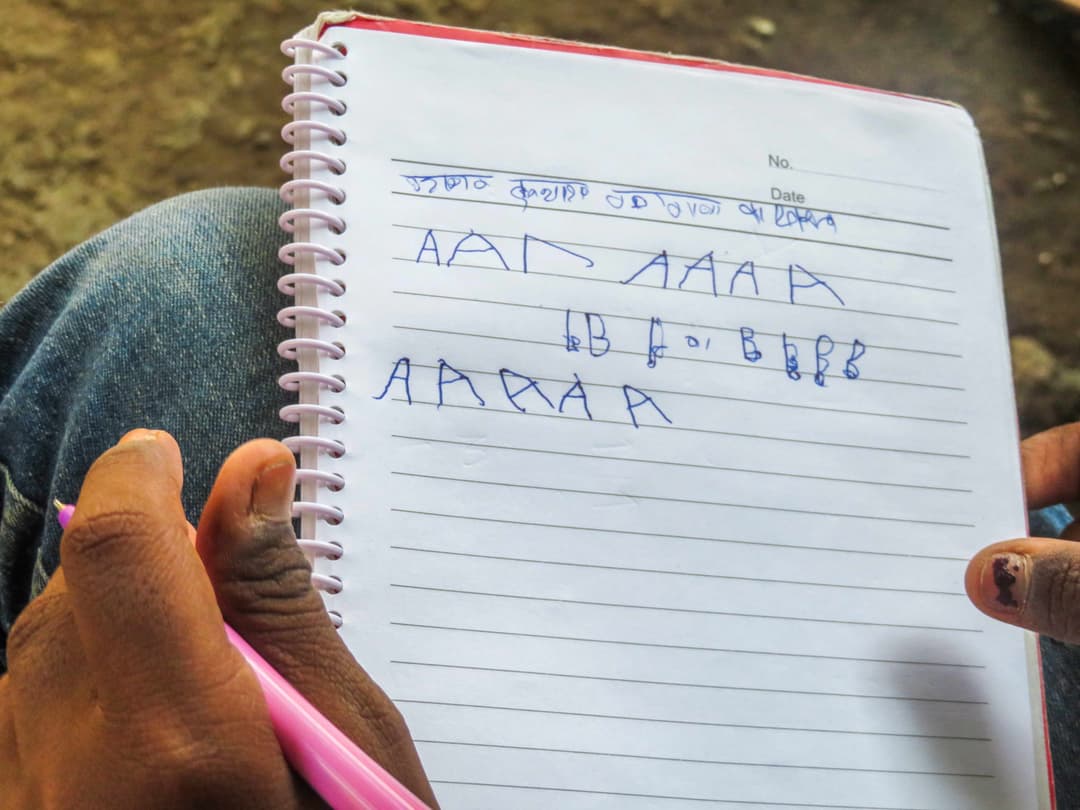
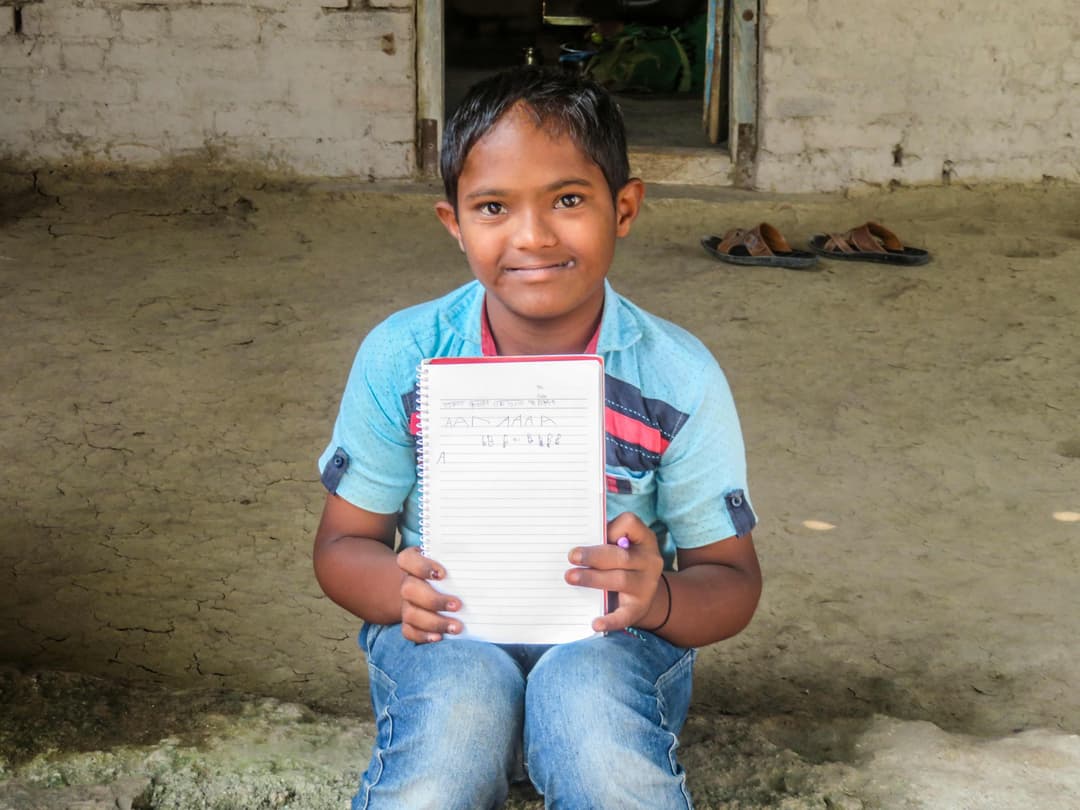
When he was eight, Prateek was diagnosed with mild Down’s Syndrome at the government-run Shri Chatrapati Sivaji Maharaj Sarvopchar Rugnalay in Solapur, around 160 kilometres from his village in Karjat taluka of Ahmadnagar district. “Till the age of 10 he could not talk,” Sharada recalls. “But then he started going to school and since then he has been calling me aai [mother]. He goes to the toilet and bathes on his own. The school is important to my son. He has learned a few alphabets, and he can improve if he continues. But this mahamari [pandemic]!” she exclaims.
At the start of the Covid-19 pandemic in March 2020 the residential school that Prateek attended closed its campus. He was one among 25 students with intellectual disabilities– all boys, ages ranging from 6 to 18 – who were sent back to their families.