Neither the darkness nor the trains whistling past at intervals are as unsettling as the sense that a man is watching.
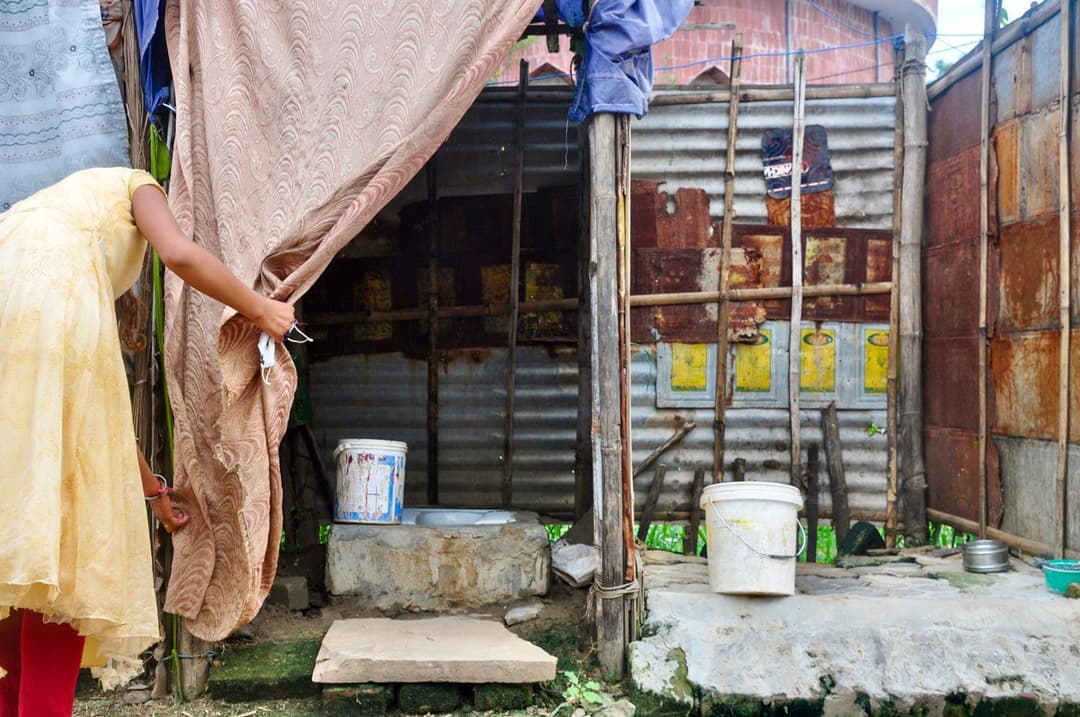
“At night, the only toilet available is the railway tracks,” says 17-year-old Neetu Kumari.
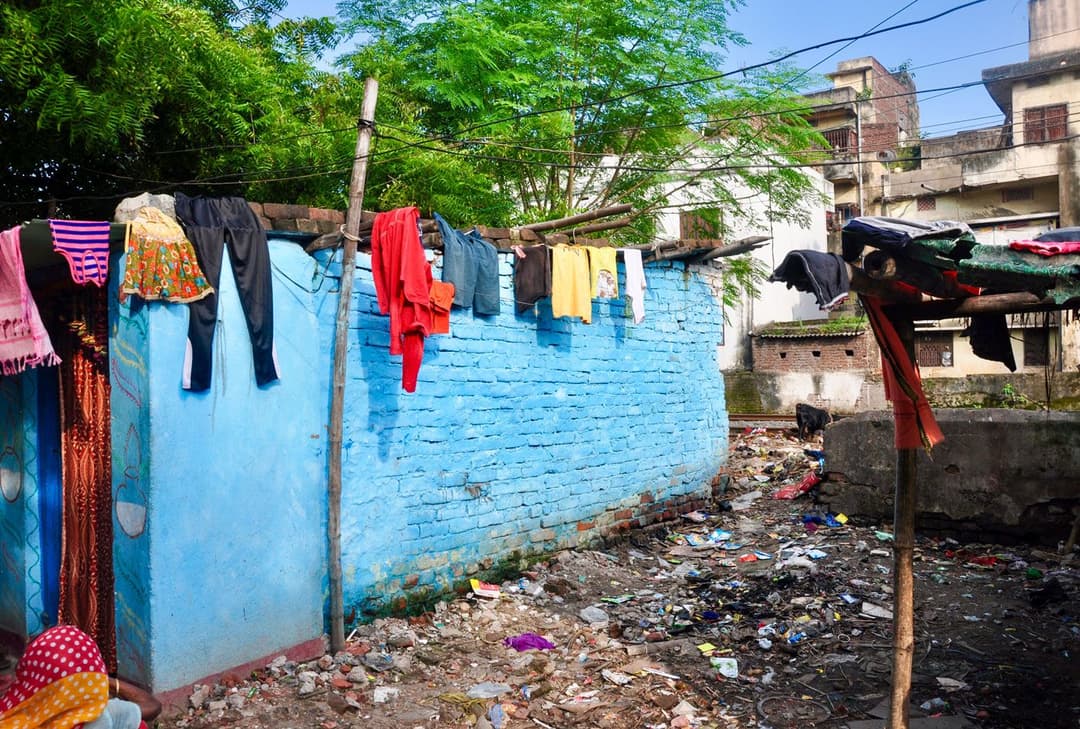
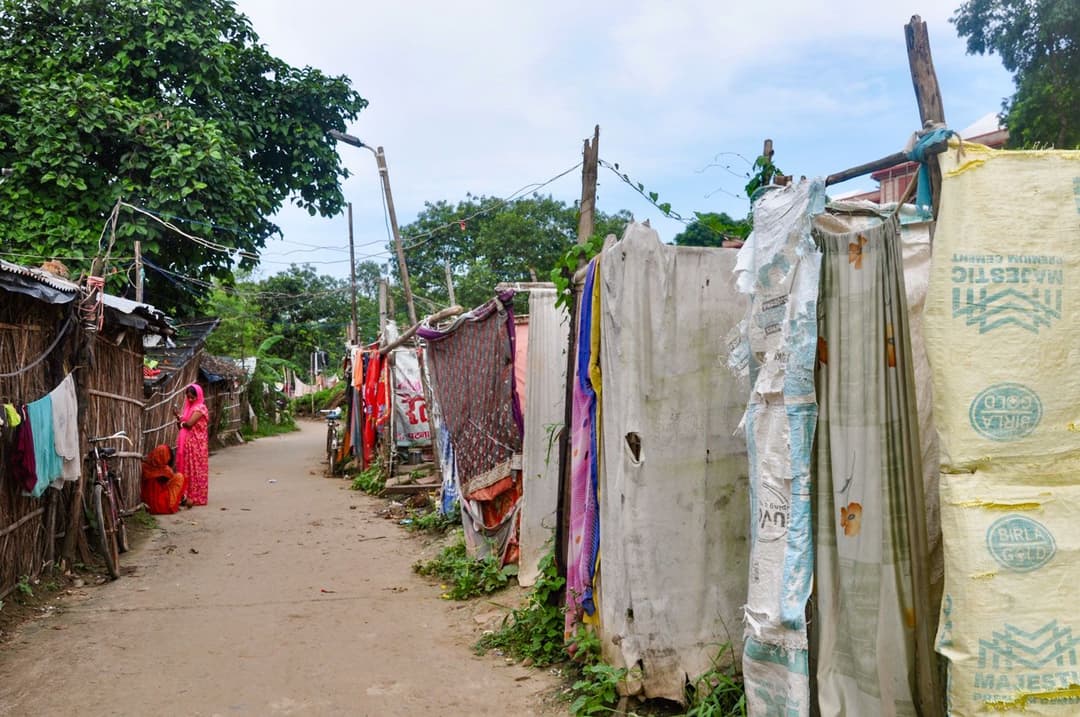
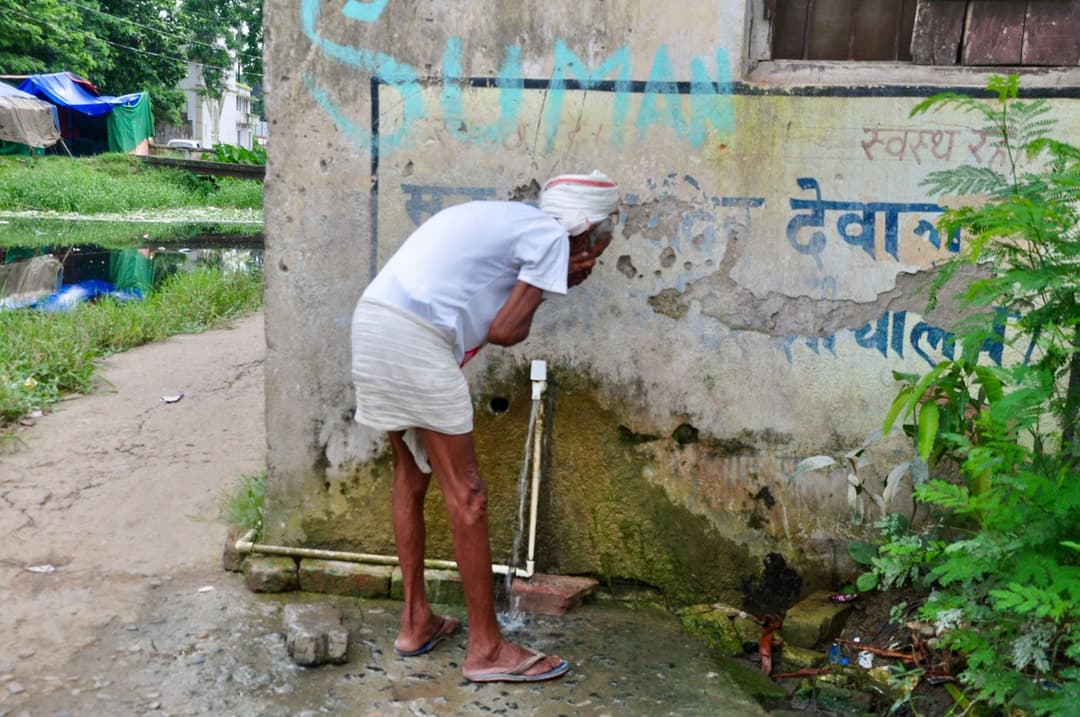
Neetu lives in the Ward Number 9 slum colony in the Yarpur locality of south-central Patna. At the centre of this cluster of houses is a cemented square with a row of taps where two men, stripped down to the basics, are soaping themselves vigorously. About a dozen boys are playing with the water, flopping over on the slippery floor, pulling one another down, shrieking with laughter.
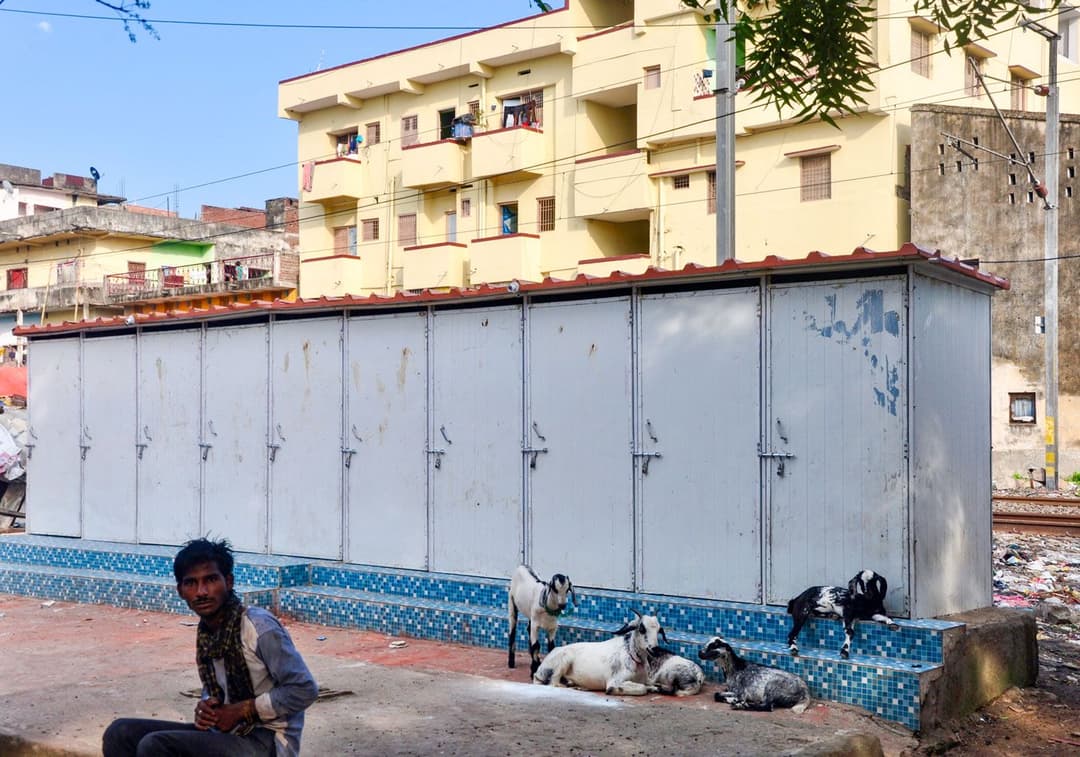
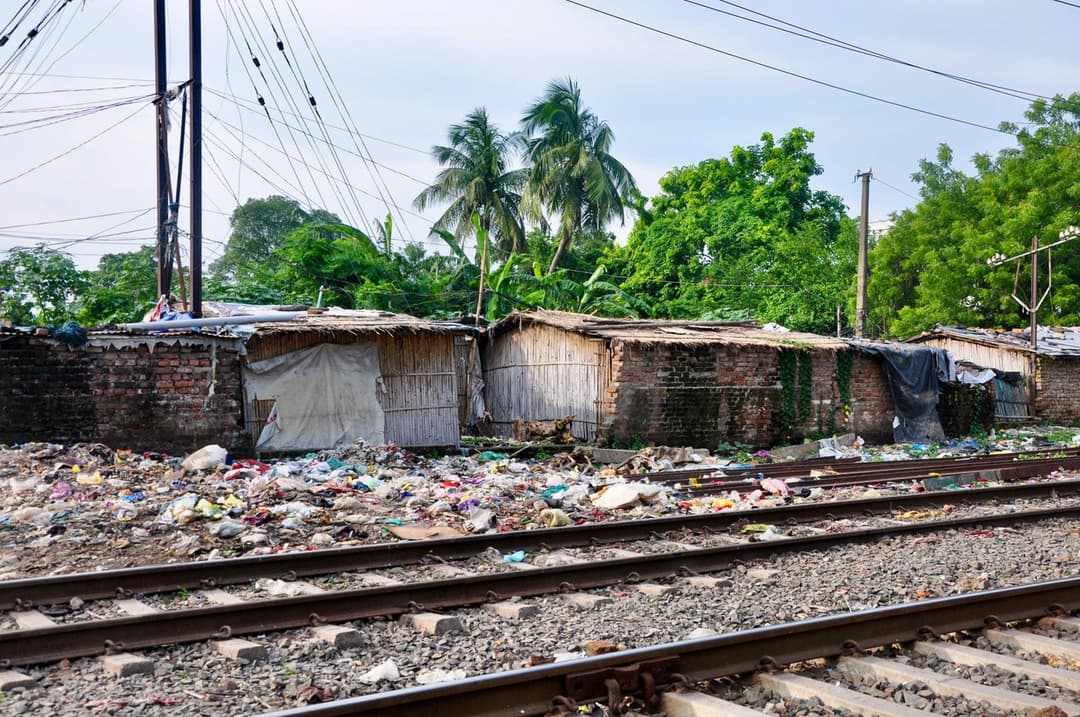
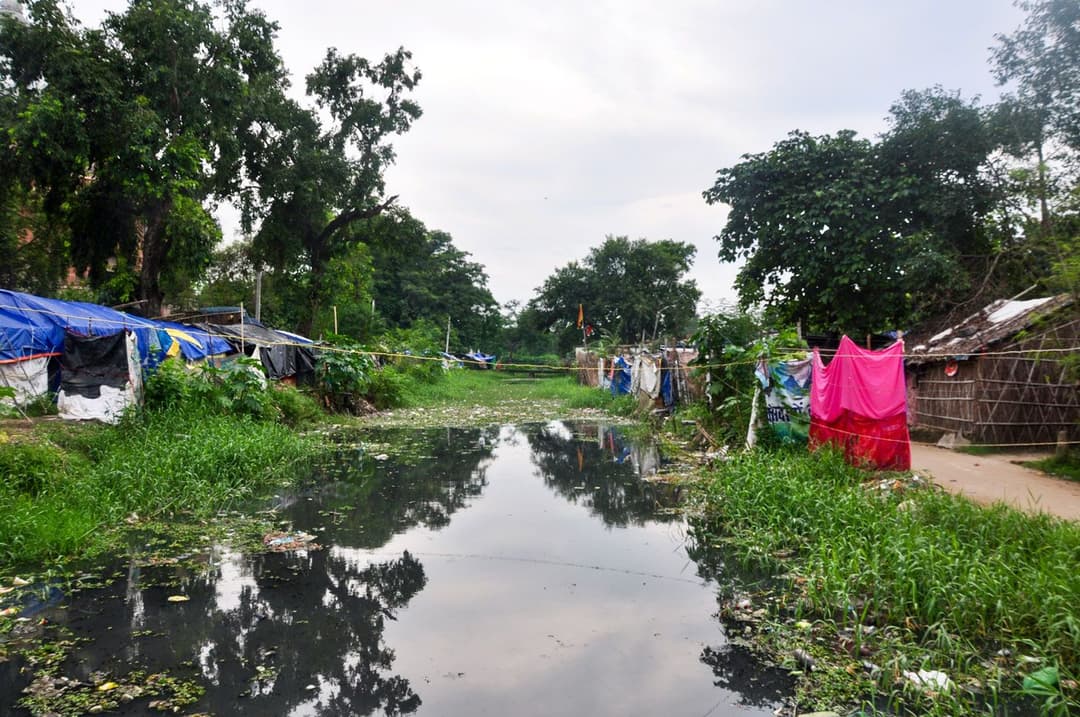
Around 50 metres away, a toilet block – the only one in this colony – stands unused, every one of its 10 cubicles locked, the handover of this public amenity to the community delayed by the pandemic. A family of goats lounges on the two steps to the elevated block. Behind, on the railway tracks, are heaps of garbage. The closest functioning public toilet is a 10-minute walk away, and some choose to cross the tracks to a toilet at the other end of Yarpur – also a 10-minute trudge.
“The boys do it anywhere, any time. The girls use the tracks only at night,” says Neetu, a first year BA student. (All names in this story have been changed.) She considers herself luckier than other girls of her locality – during the daytime, she can use the toilet in her aunt’s house, some 200 metres away.
“Also, we have two rooms at home, one in which my younger brother sleeps and one for my mother and me. So at least I have a private place to change pads in the house,” Neetu says. “Many other girls and women wait all day to change their napkins on the railway tracks at night – in the darkest section.”