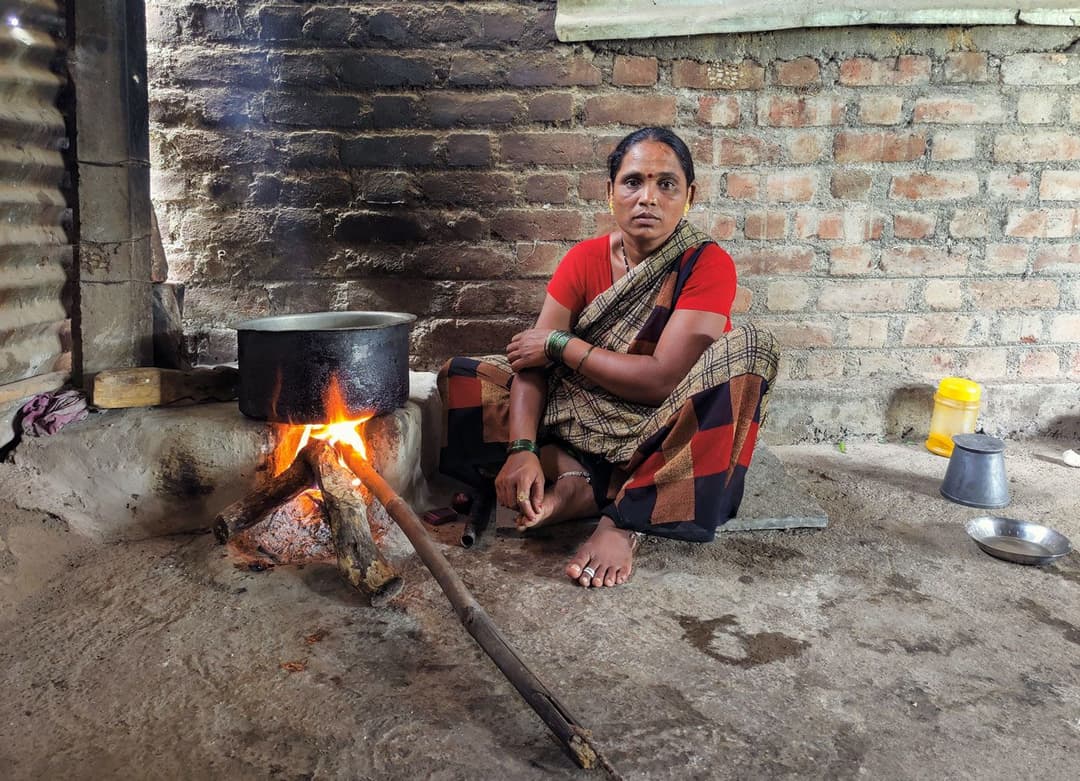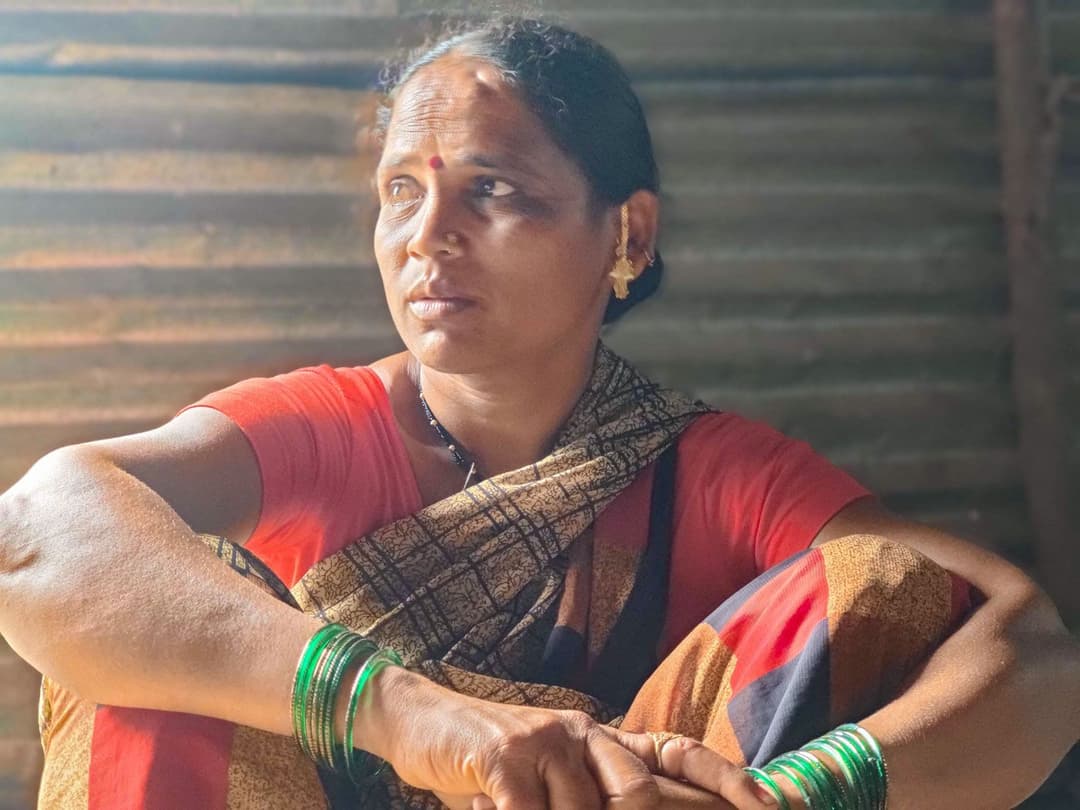


A good night’s sleep is a distant memory for Sheela Waghmare.
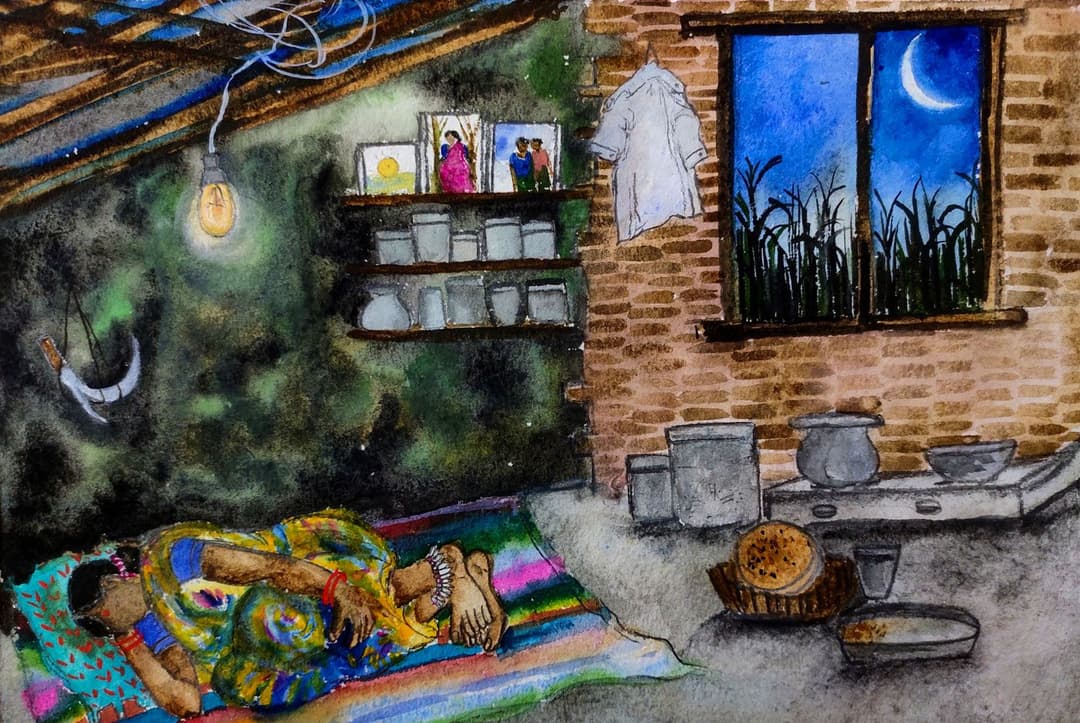
“I cannot sleep at night…it has been years,” says Sheela, 33, seated cross-legged on a godhadi spread on the floor, her red-rimmed eyes glazed by a deep pain. As she describes her long night hours, her body is wracked by sobs she tries to stifle. “I cry all night. I feel…I feel like I am suffocating.”
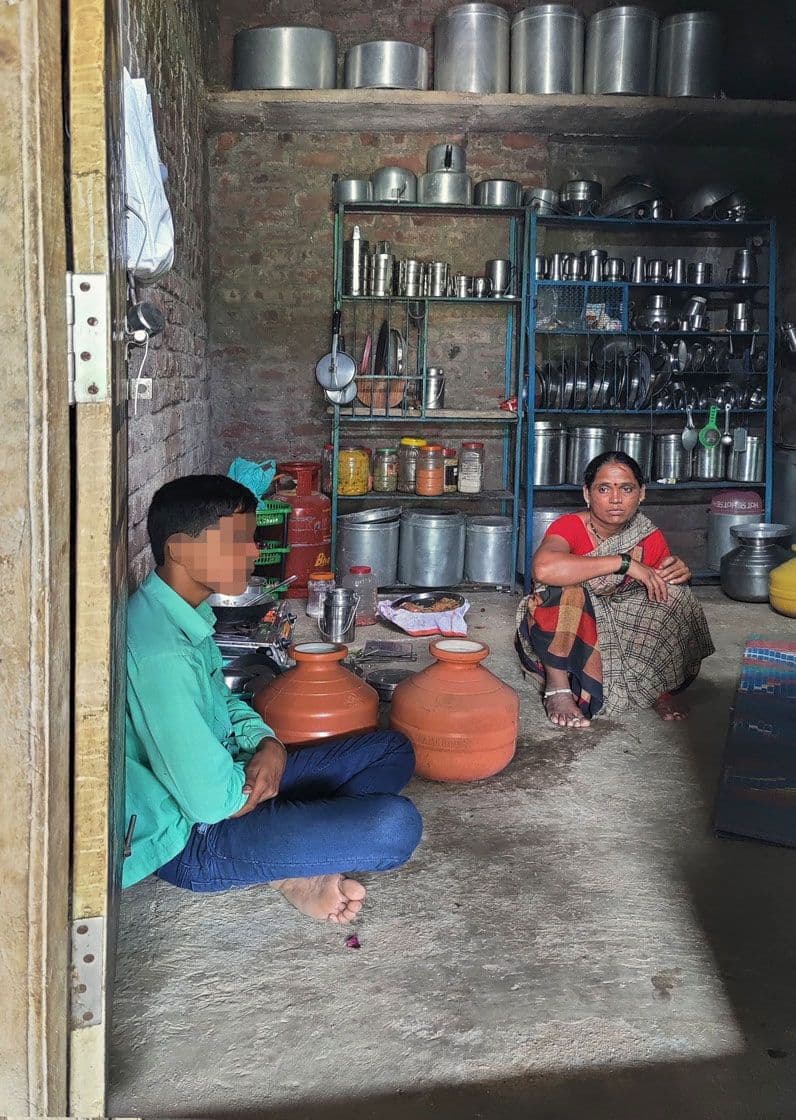
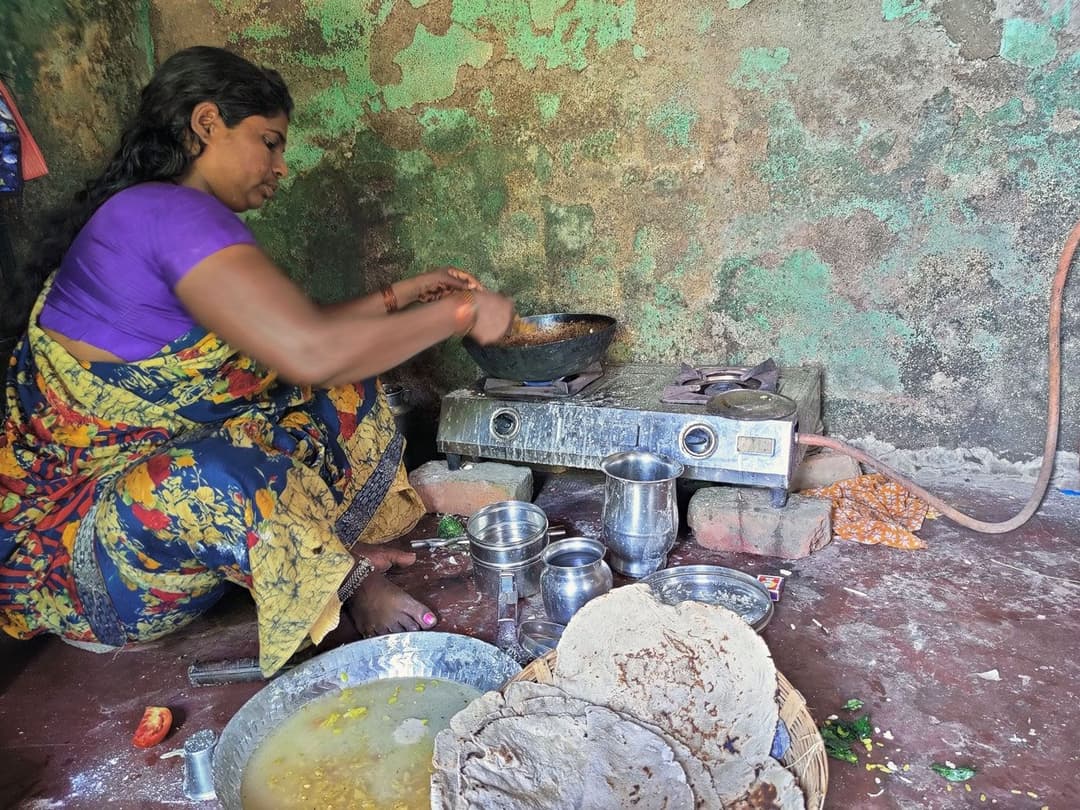
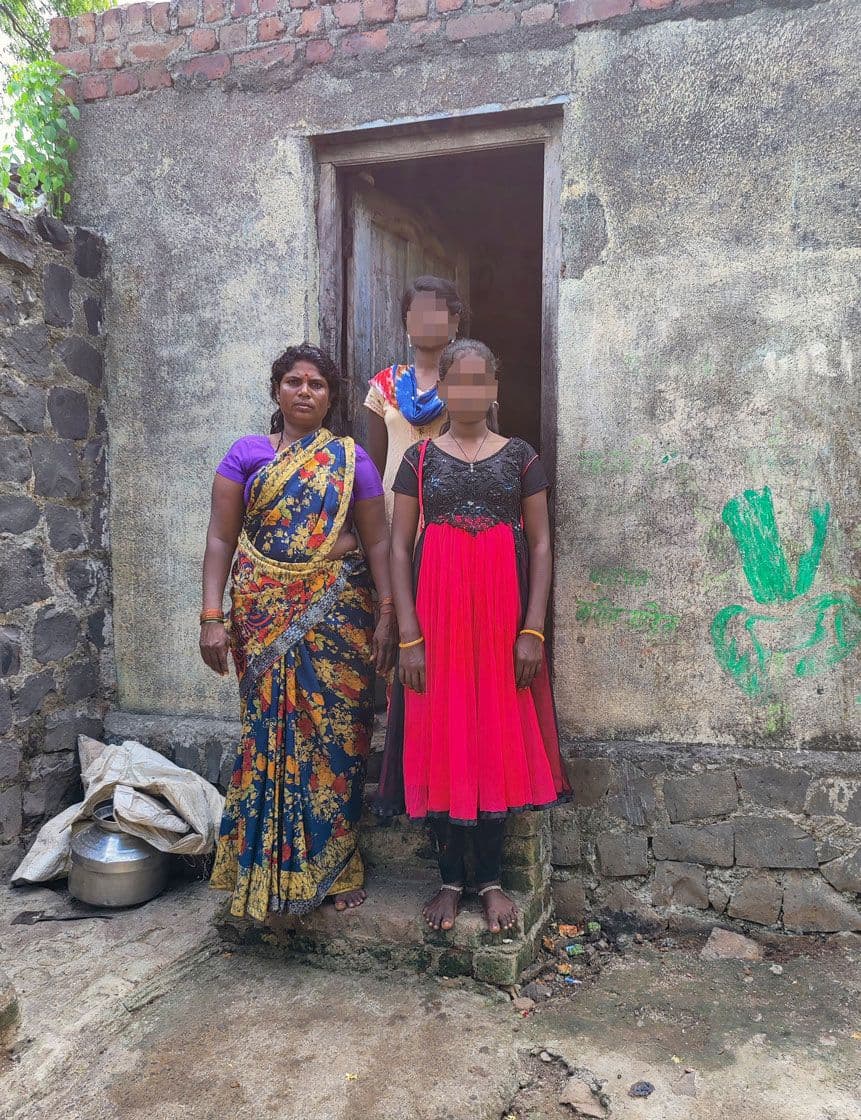
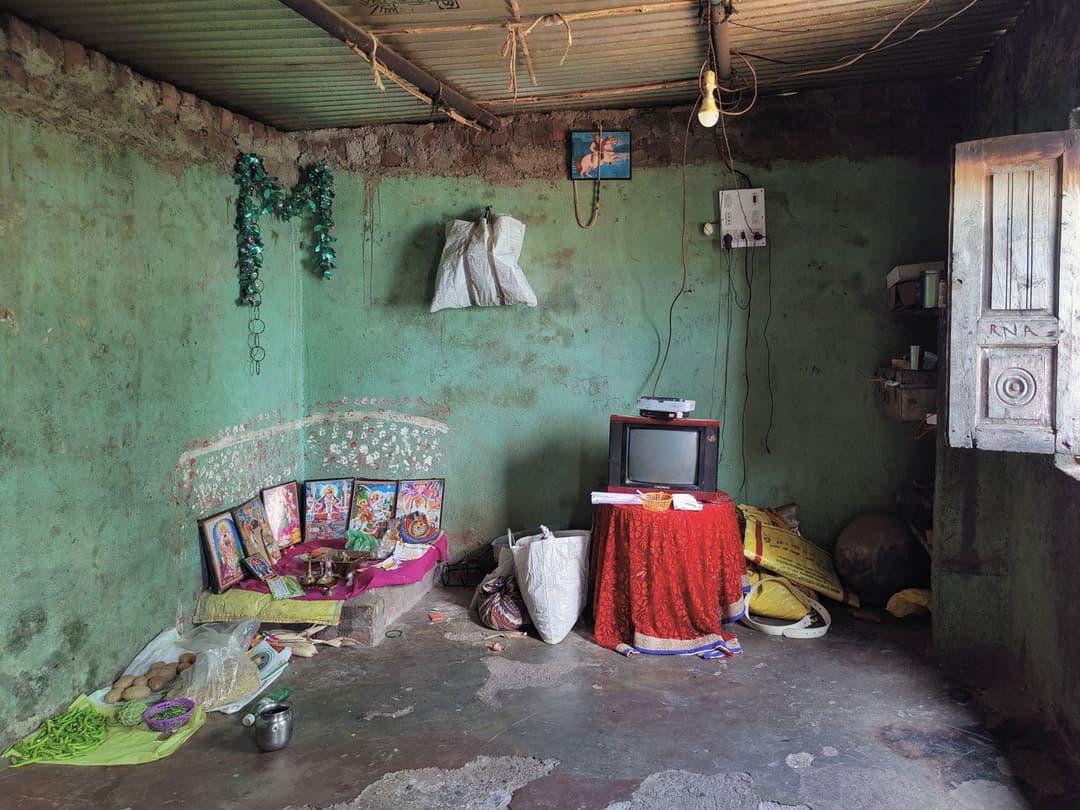
Sheela lives on the outskirts of Rajuri Ghodka village in Maharashtra’s Beed district, about 10 kilometres from Beed town. In her two-room brick house, when she sleeps, her husband Maanik and their three children, Karthik, Babu and Rutuja, by her side, her muffled cries awaken the others, she says. “My crying disturbs their sleep. Then I try to sleep with my eyes closed tight.”
But sleep does not come. And the tears don’t stop.
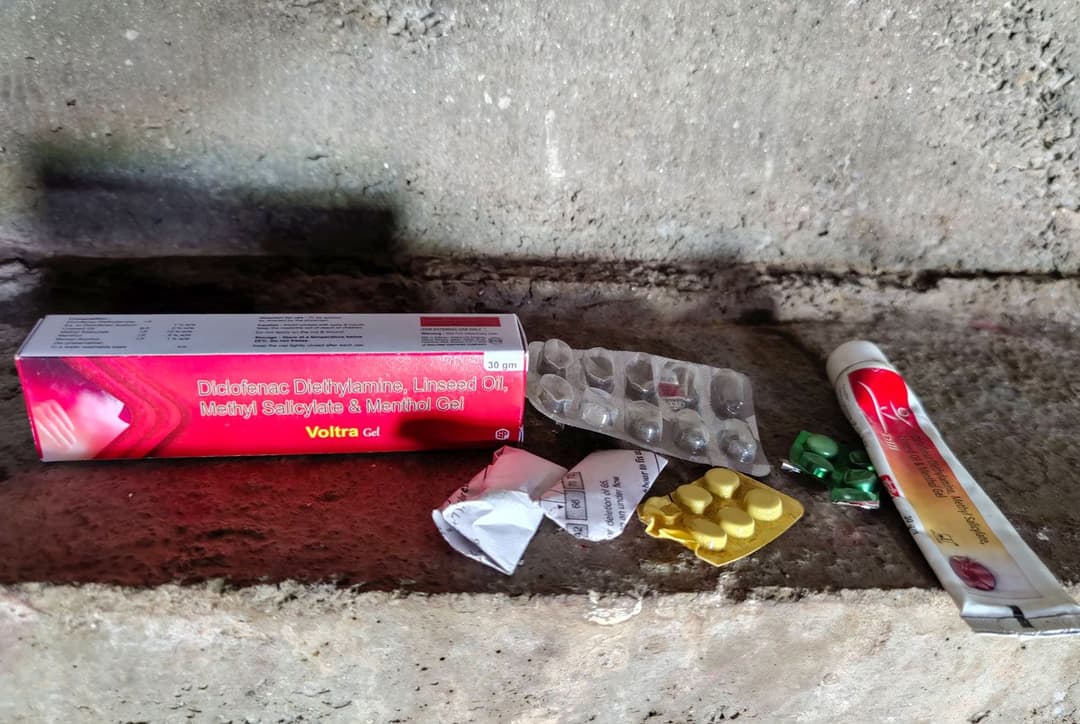
“I always feel sad, anxious,” Sheela says. After a pause, she sounds irritated. “It all started after my pishvi [uterus] was removed. It changed my life forever.” She was only 20 years old when she underwent a hysterectomy in 2008. Since then, she has suffered crippling sadness, sleepless nights, inexplicable bouts of irritation and physical aches that persist for long periods.