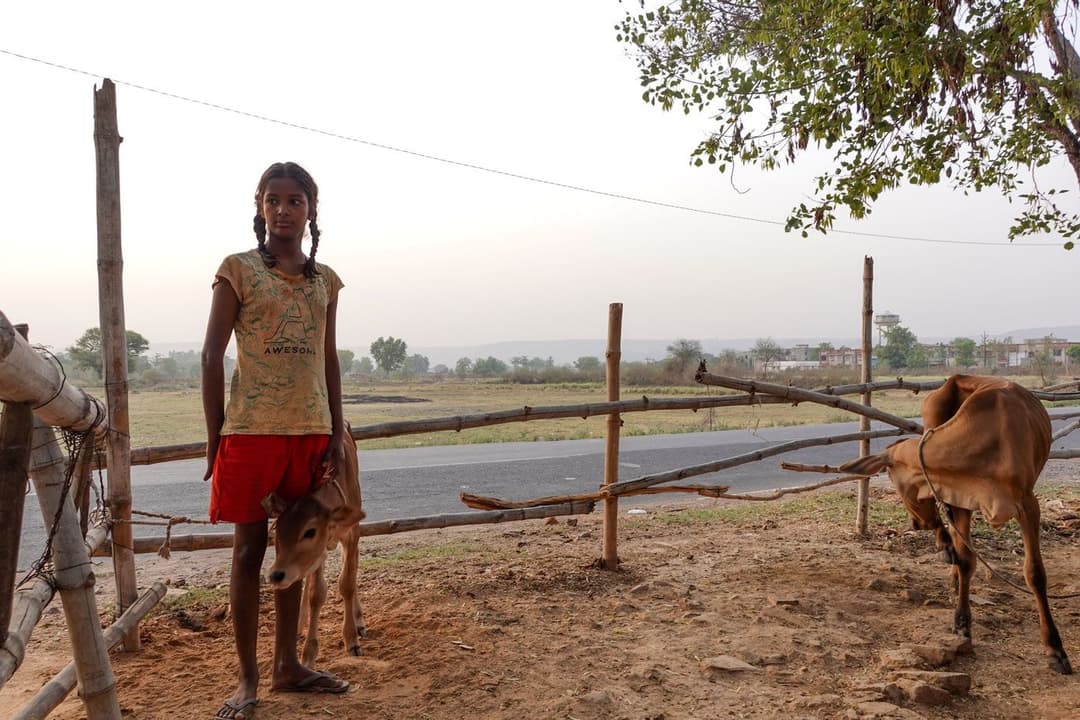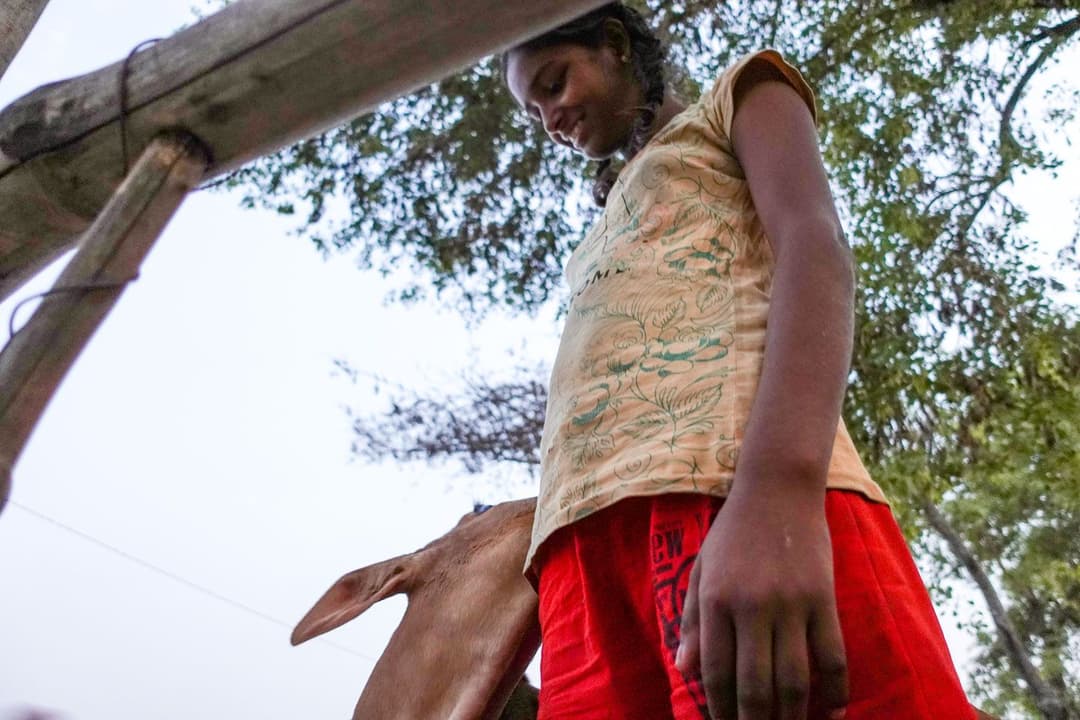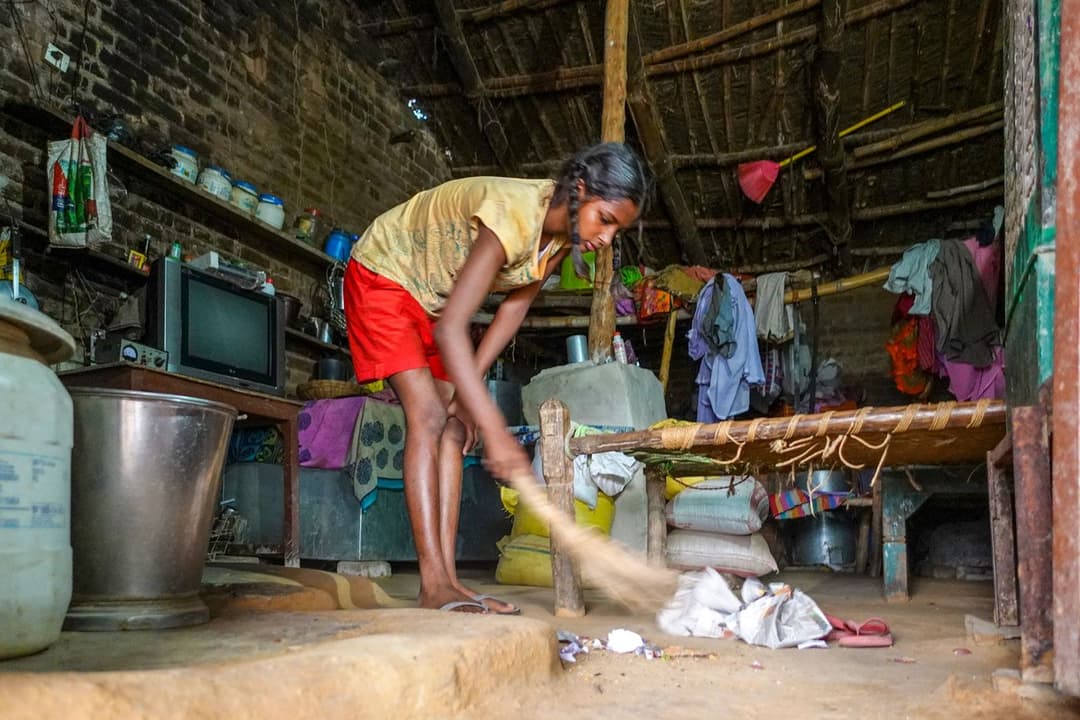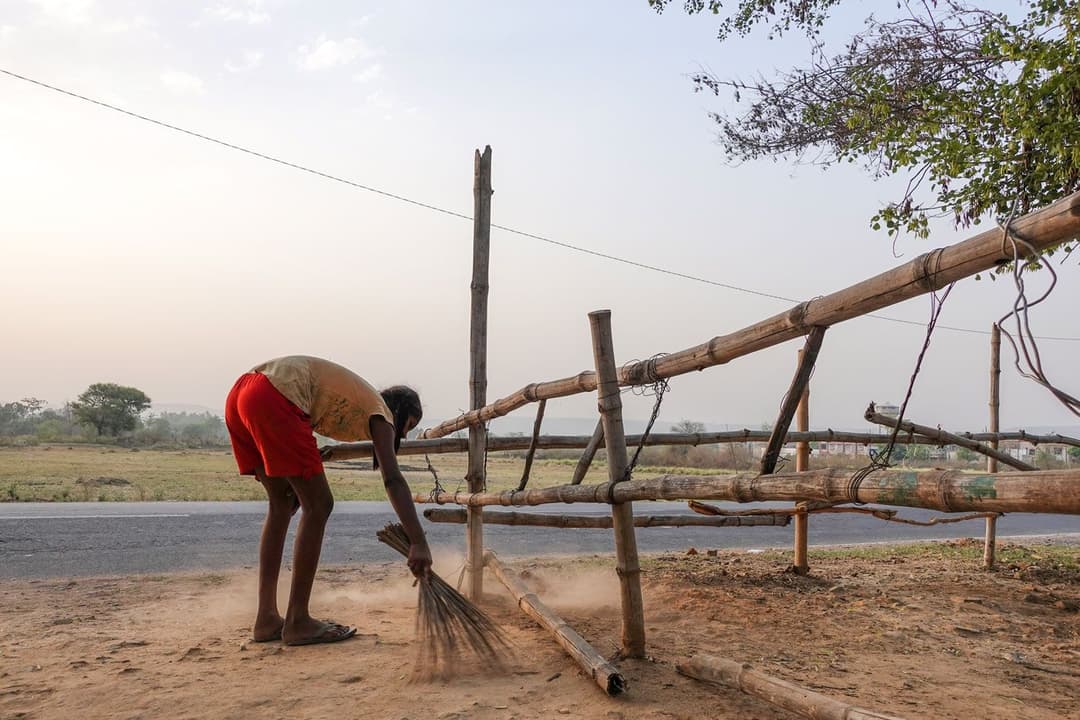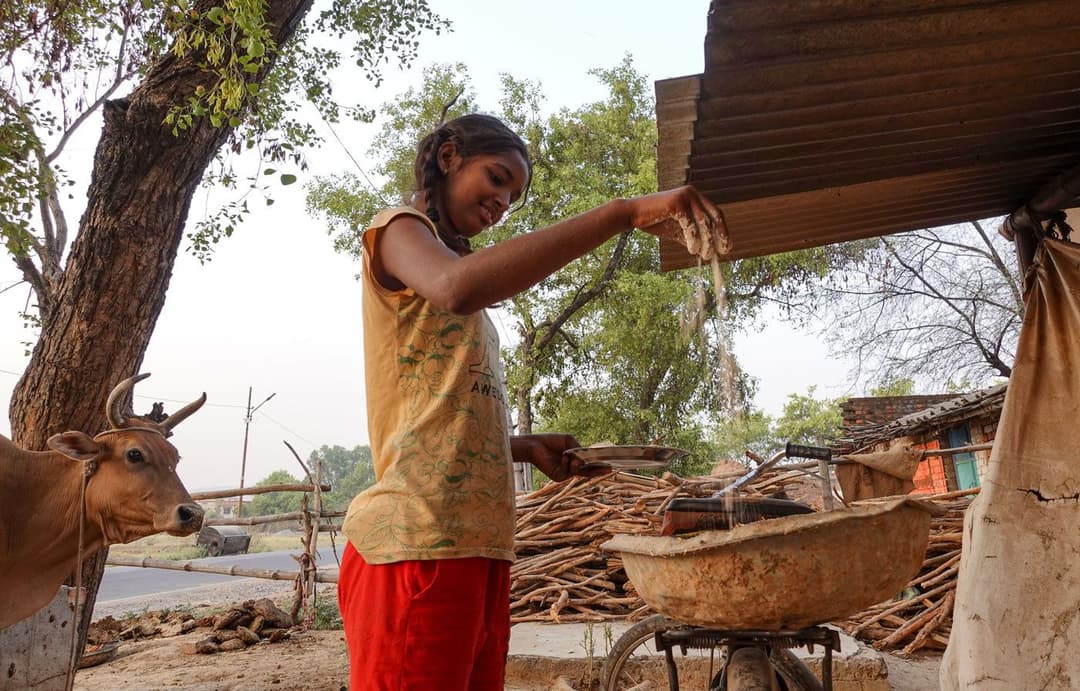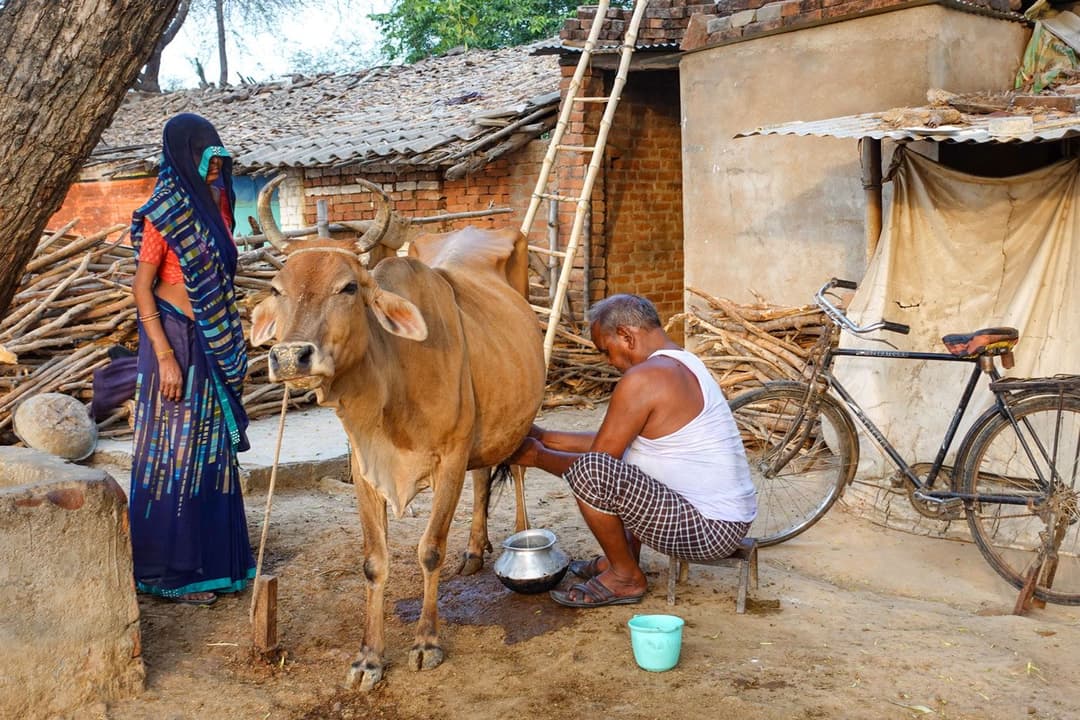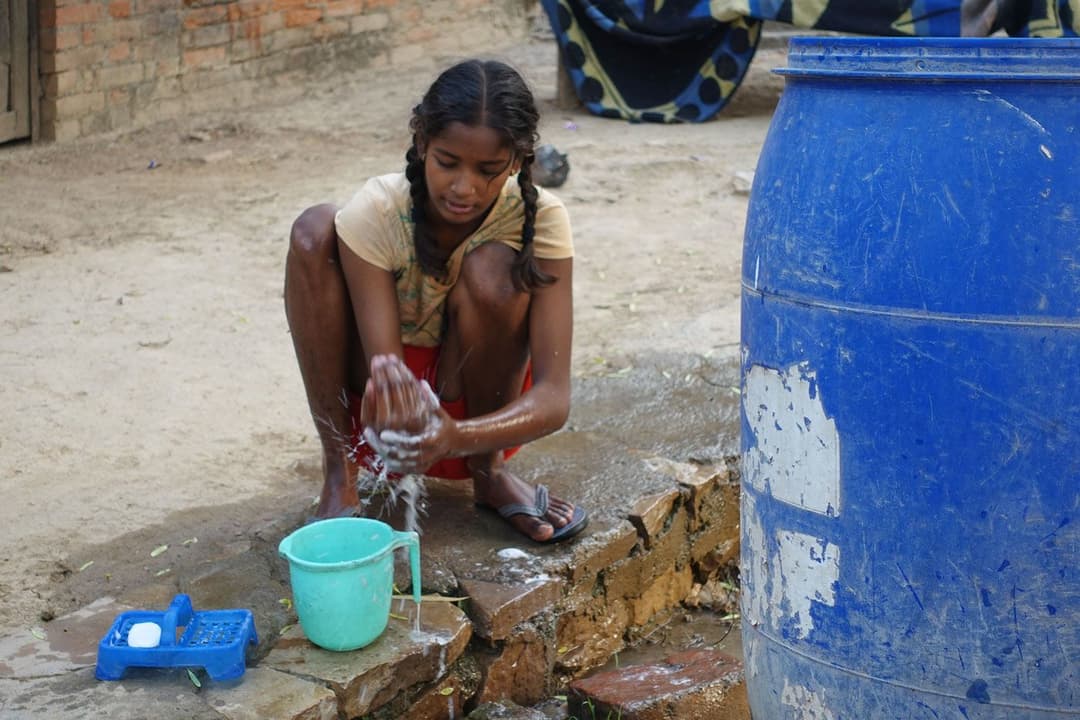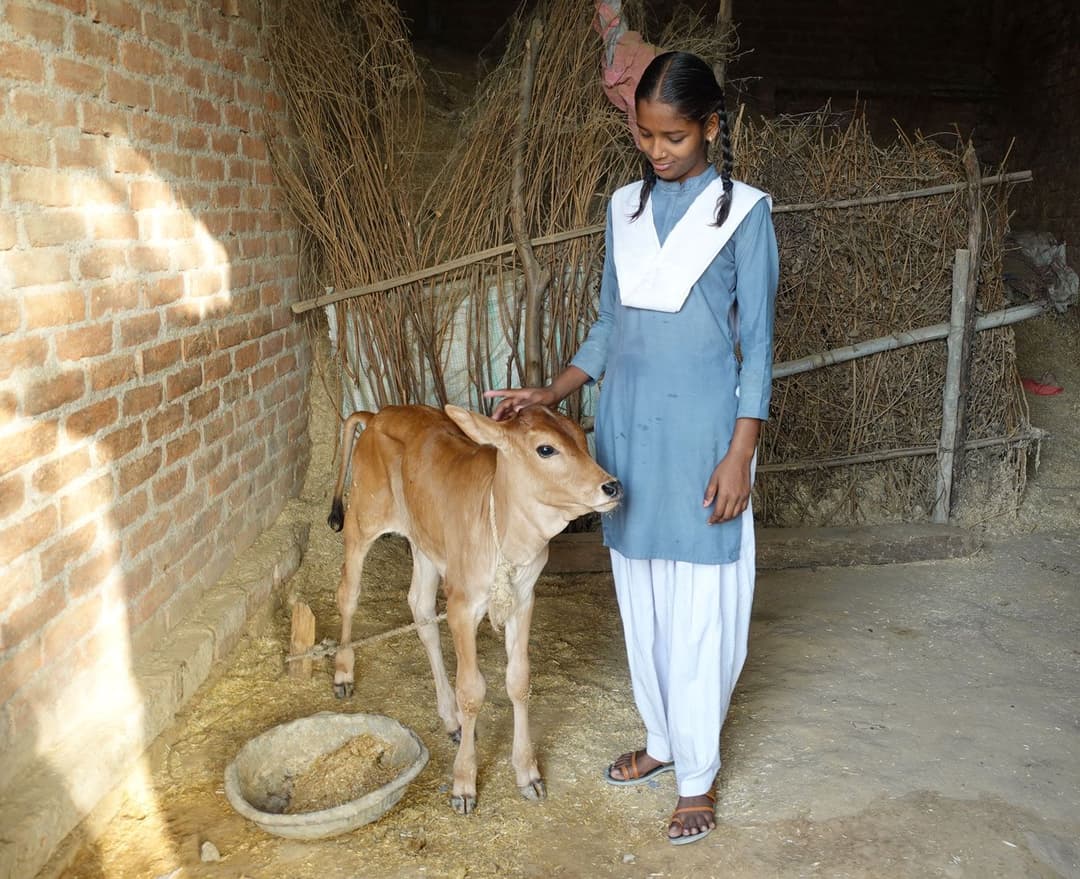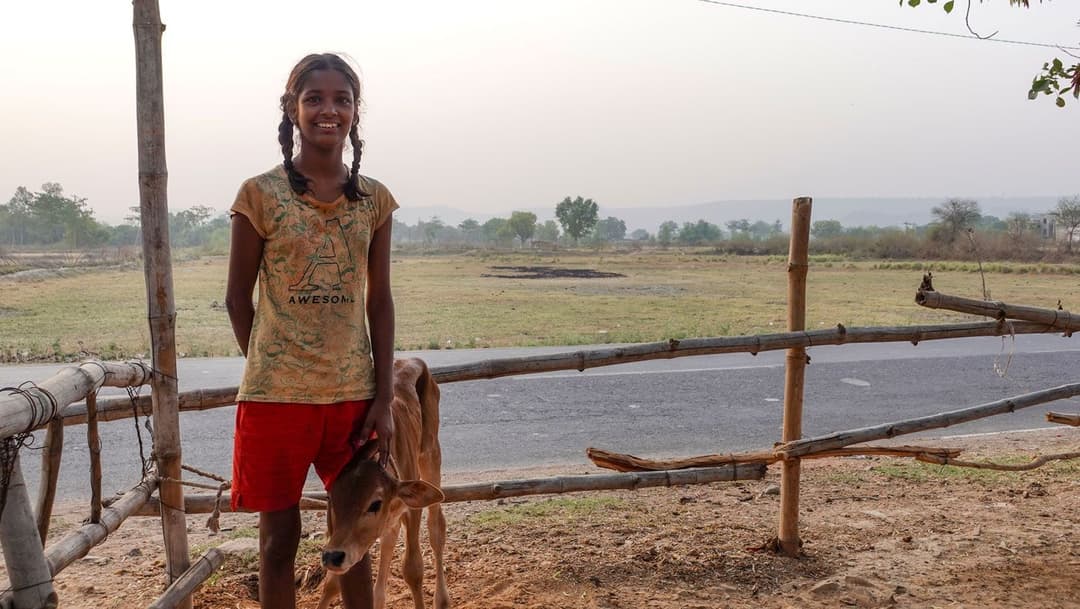
“I have got to do these chores before going to school, otherwise who else will?” asks 15-year-old Kiran as she unties a young calf to drink his mother’s milk. It is 5 in the morning. Her unwell mother and younger brother Ravi are still asleep inside her one room house. She’ll have to tie the calf back in the shed before cleaning the house. Then her grandfather will milk the cow.
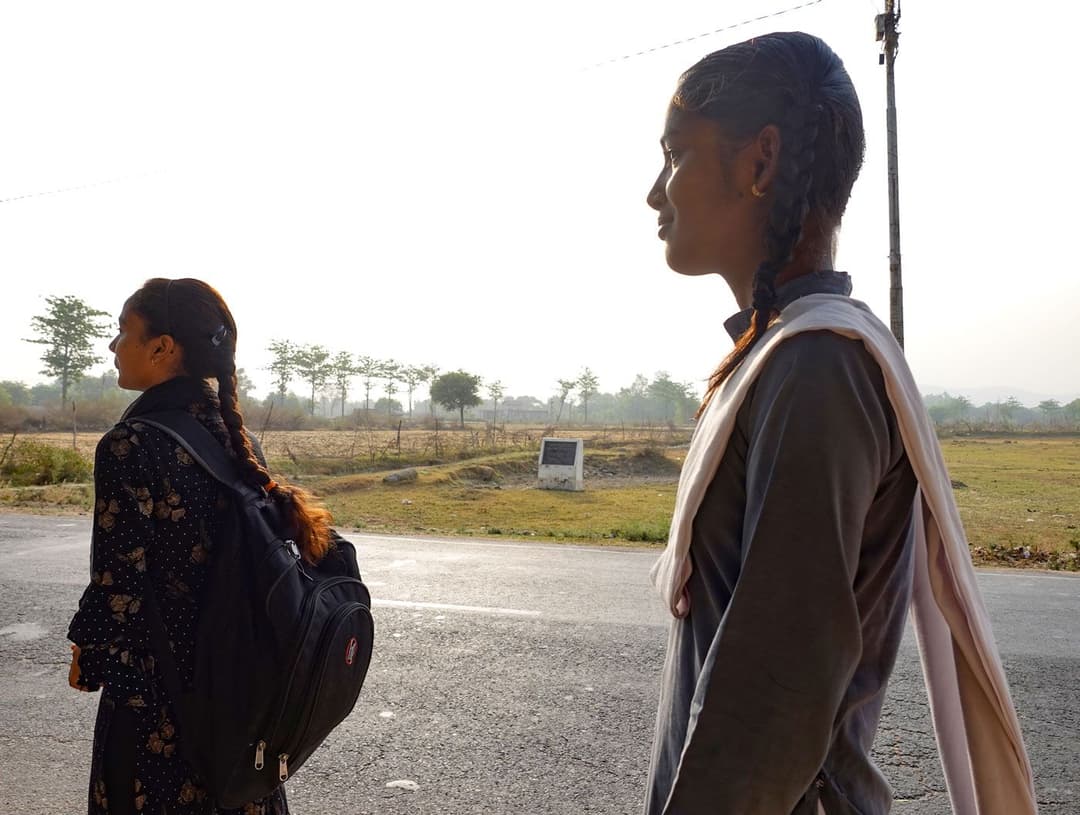
She has got up early as usual, but today Kiran is not looking forward to either work or school. It is one of those days, the first day of her menstrual cycle, when the fatigue is high. And her stomach cramps have got particularly worse since the pandemic. But still, she must finish her chores before 6.30 a.m. “The morning assembly begins at 7 and it takes me 20-25 minutes to walk up to school,” she says.
The government school where Kiran Devi studies in Class 11 is two kilometres from her house in Karwi tehsil of Uttar Pradesh’s Chitrakoot district. She lives here with her brother, Ravi, their mother, Poonam Devi, 40, and grandfather, Khushiram, 67. Her grandfather handles the family’s 800 sq. ft of land right behind their house, where they grow wheat, chana, and sometimes seasonal vegetables. Poonam has terrible pain in her wrist and knees, which limits her ability to work around the house and, in turn, overburdens Kiran with more responsibilities.
What would have been a routine for Kiran has become an agonising exercise. “I don’t mind doing these little chores, it just becomes a problem when I get bad period cramps.”