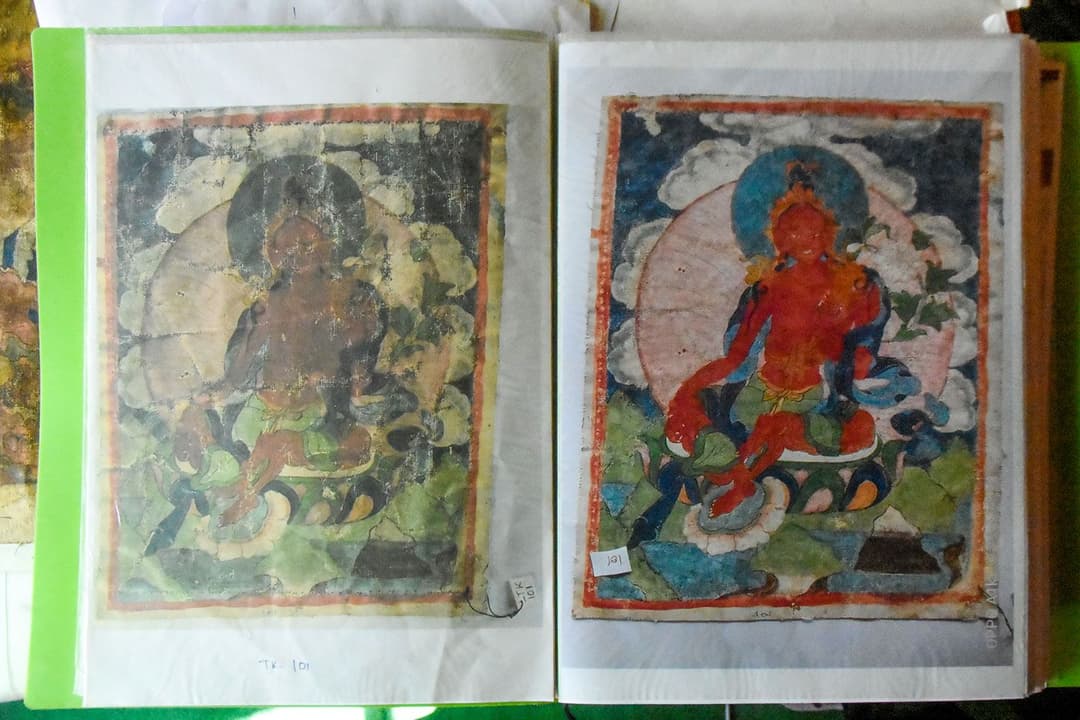
Restoring Thangkas – paintings on silk appliqué or cotton that usually depict a Buddhist deity – is not for the fainthearted. “If there is even a minor mistake in restoration, like if the shape of an ear gets a little twisted [and different] from what it originally looked like, people might take offence,” says Dorjay Angchok, a resident of Matho village.
“It is a sensitive job,” states the resident of Matho, a village 26 kilometres from Leh. Matho, with a population of 1,165 people (Census 2011) is almost entirely Buddhists.
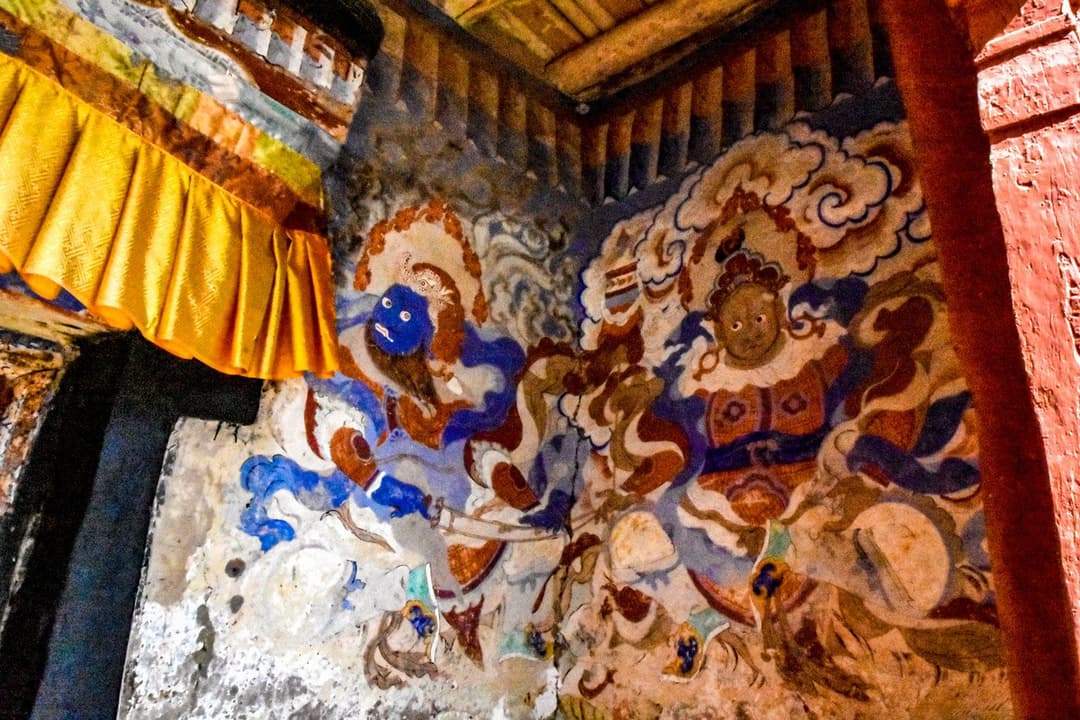
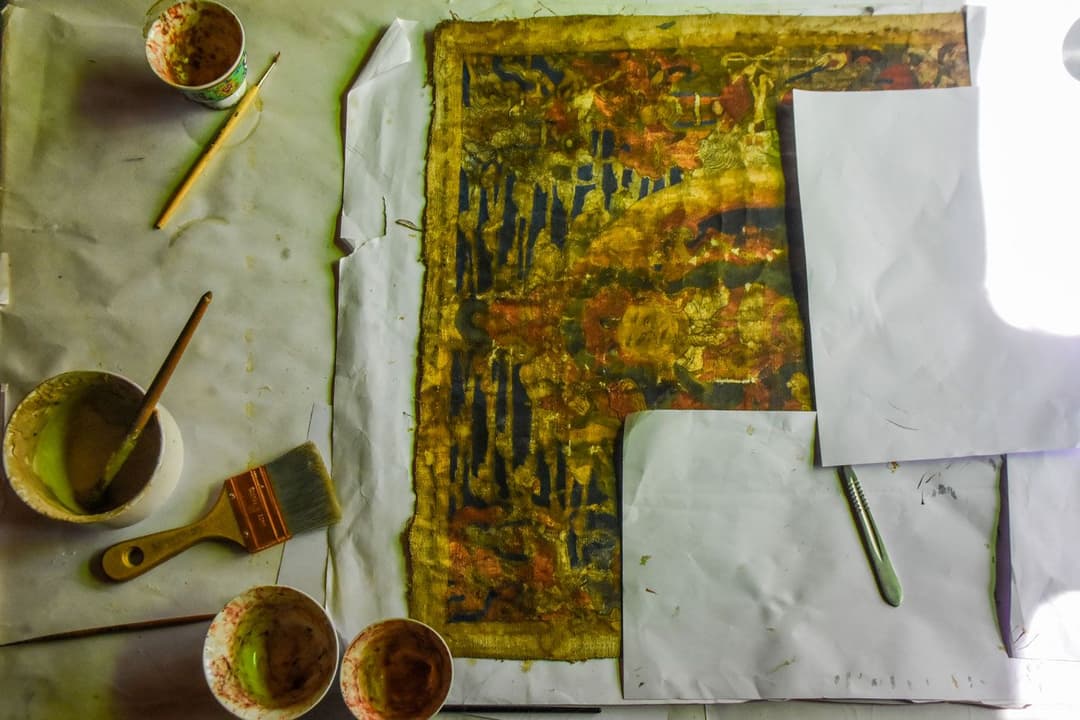
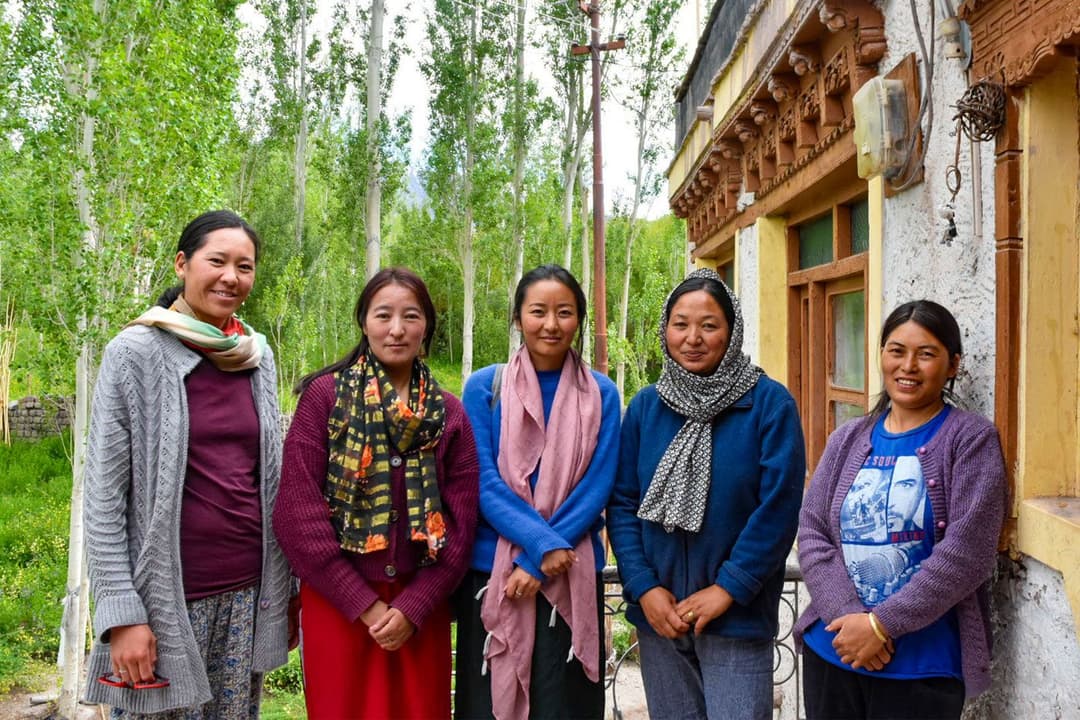
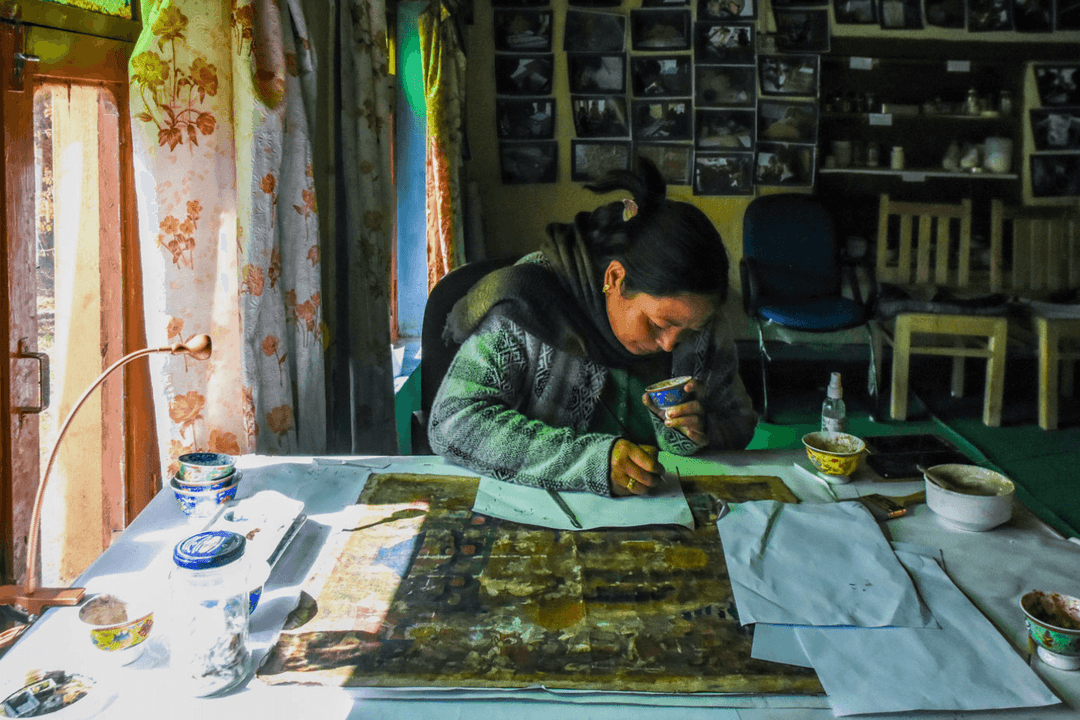
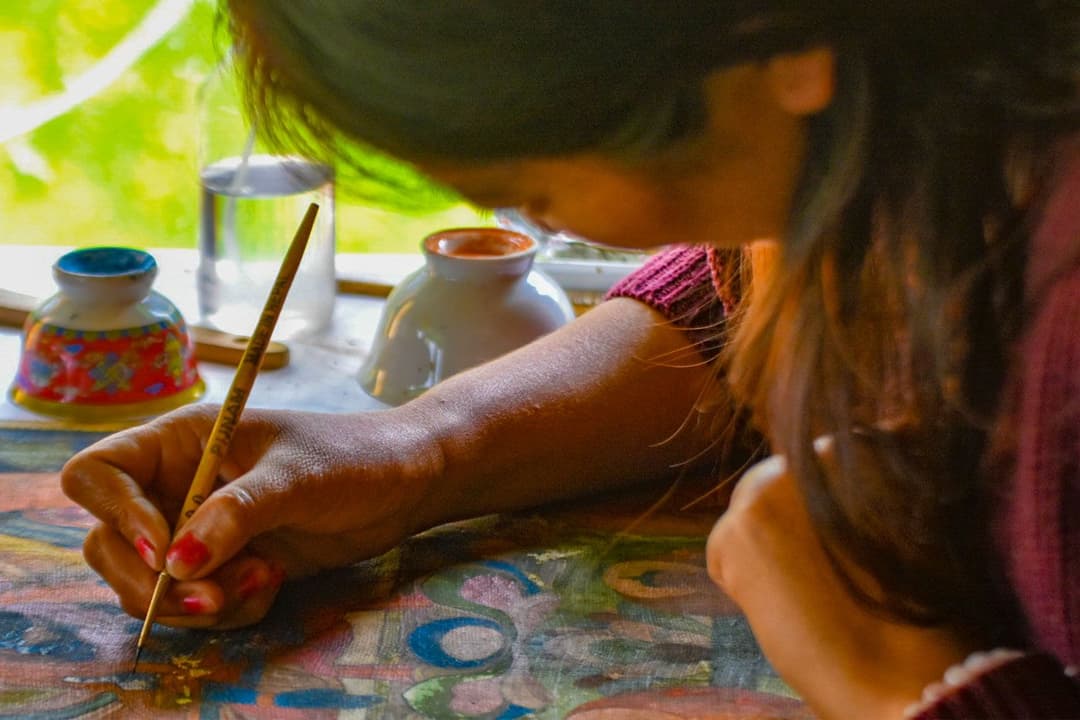
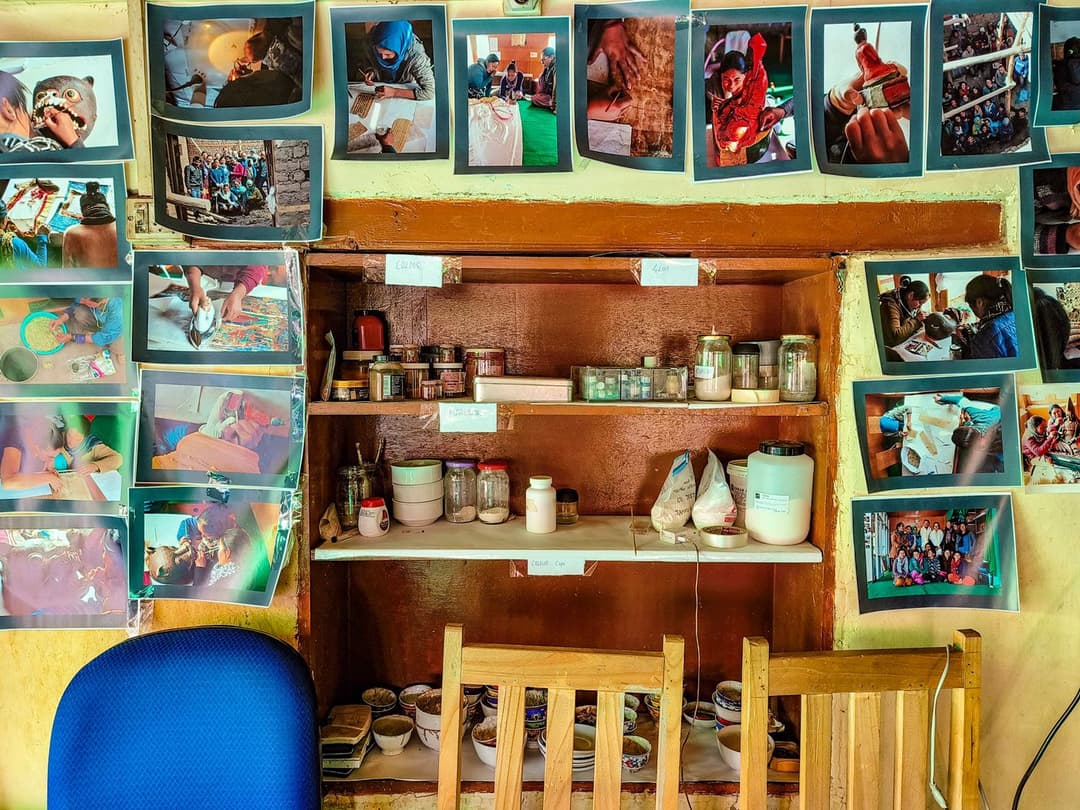
The fears of Angchok and others from her community have been put to rest by a team of nine skilled Thangkas (also spelt Thankas) restorers who have travelled back in time over hundreds of years, to understand, recognise and discern the centuries-old painting patterns locked in these ancient works of art. Each century had its own elements, style and iconography.
The Thangkas that these women from Matho restore are all from the 15-18th century, says Nelly Rieuf, an art restorer from France who trained the women in restoration work. “Initially, the villagers were against women restoring Thangkas," says Tsering Spaldon, "but we knew that we were doing nothing wrong; we were doing something for our history.”
Buddhist nun Thukchey Dolma says, “Thangkas are efficient teaching tools about the life of the Buddha and various other influential lamas and bodhisattvas.” Dolma is at the Karsha nunnery in the remote Zanskar tehsil of Kargil district in the newly designated Union Territory of Ladakh.