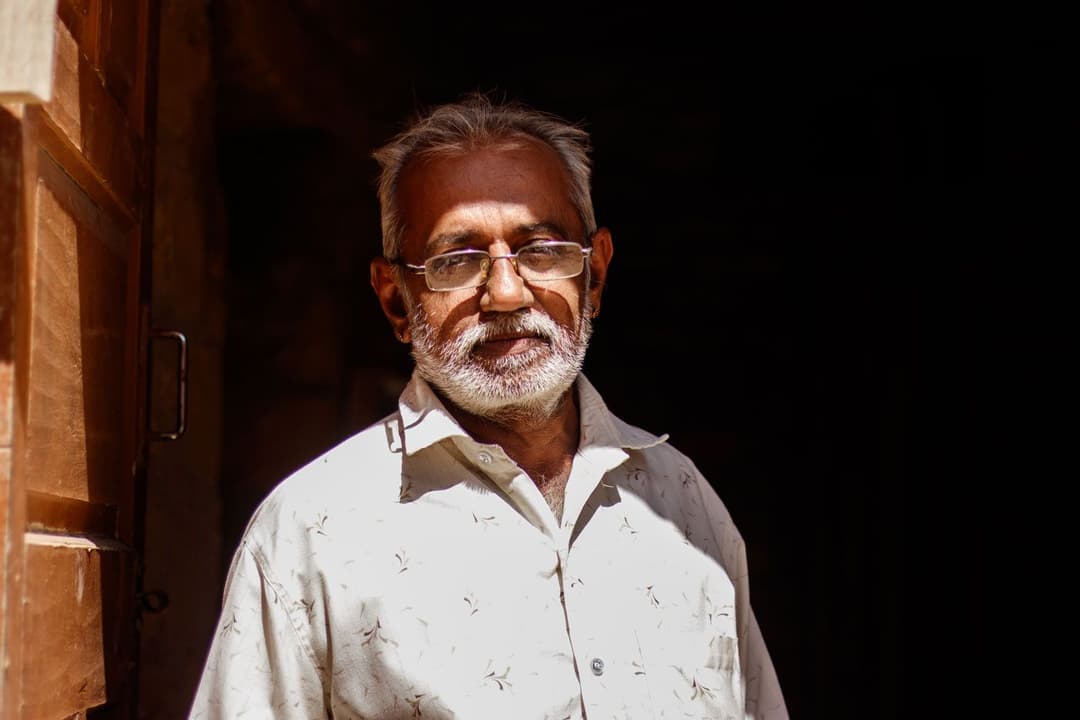

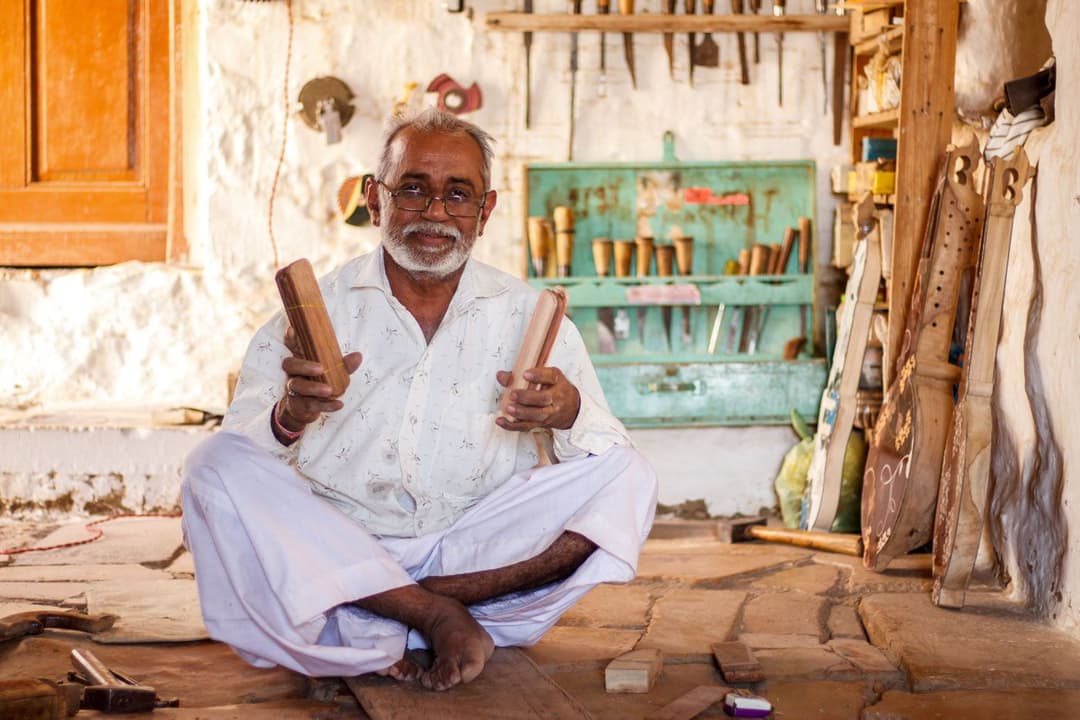
Anoparam Sutar has never played a musical instrument, but he knows exactly which wood produces the finest notes. “Give me a piece of wood, and I can tell you if it will make a good musical instrument,” says the eighth generation khartal maker.
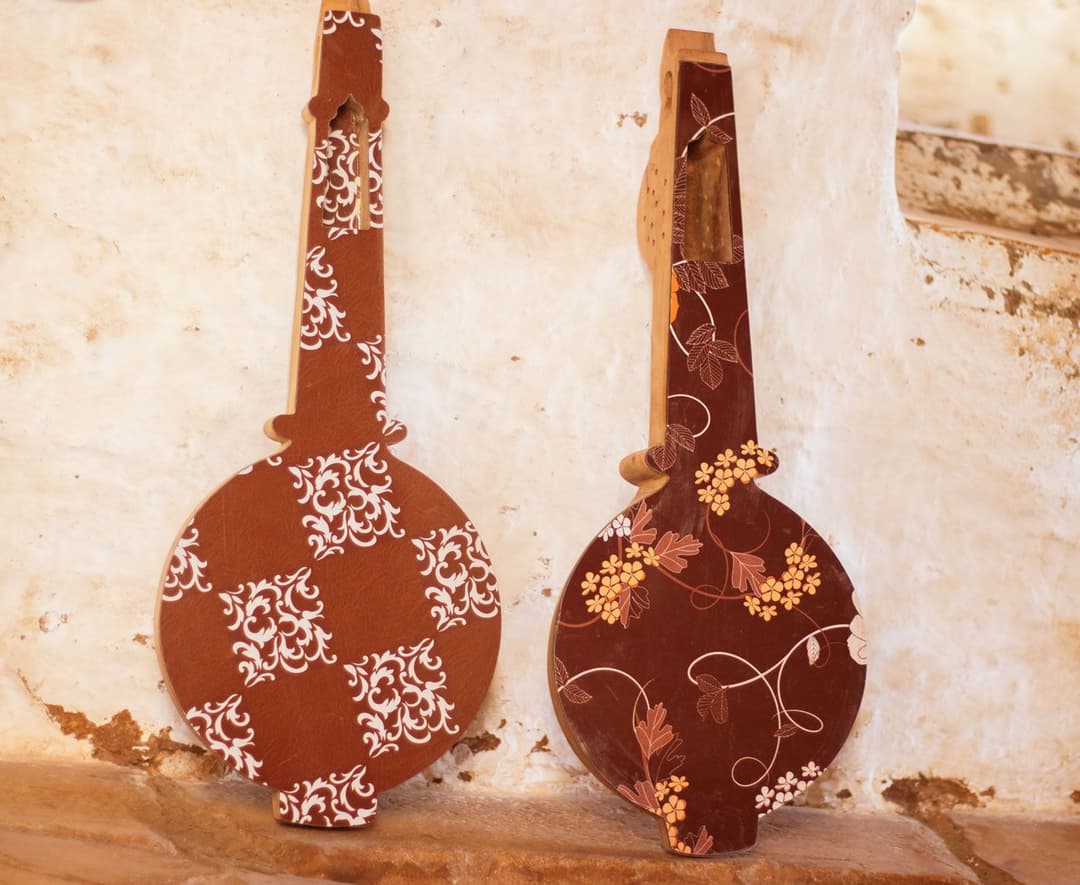
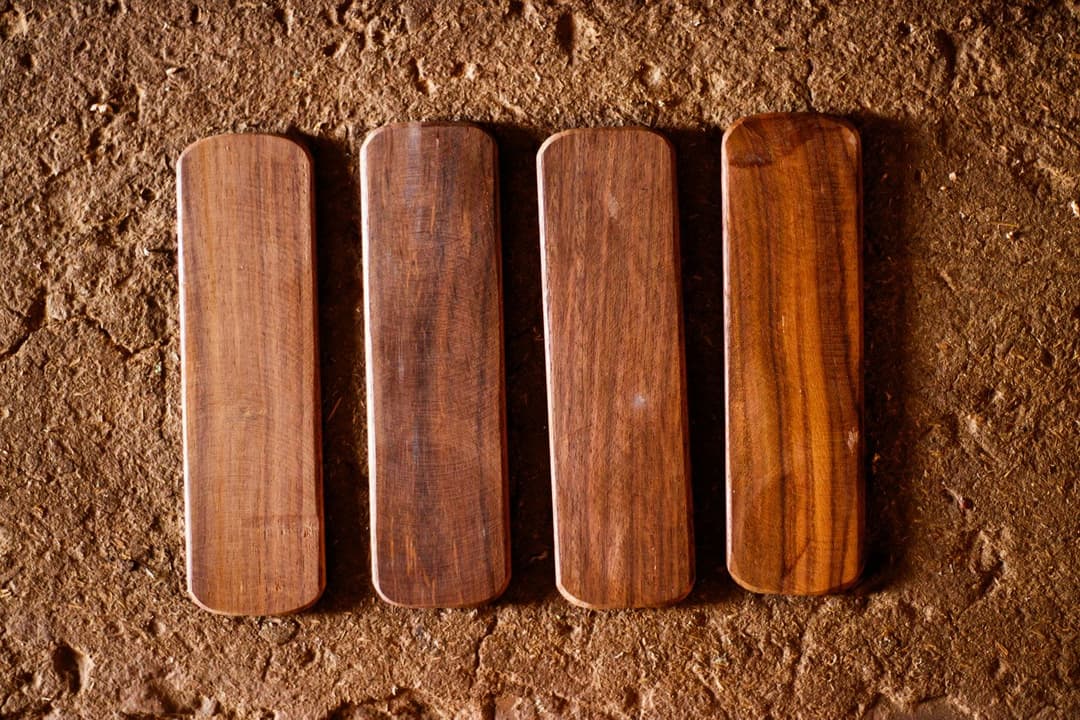
A percussion instrument used in Rajasthan's folk and devotional music, the khartal is made up of four pieces, and each hand holds two – one piece is held with the thumb, and the other with the remaining four fingers. When clapped together, they produce a clinking sound. Only two syllables are used in the instrument – ta and ka. “Kalakar banvate he [The musicians get khartals made],” the 57-year-old says.
Rajasthani khartals usually don’t have bells embedded in them unlike the ones with cymbals called manjeera or karatalas.
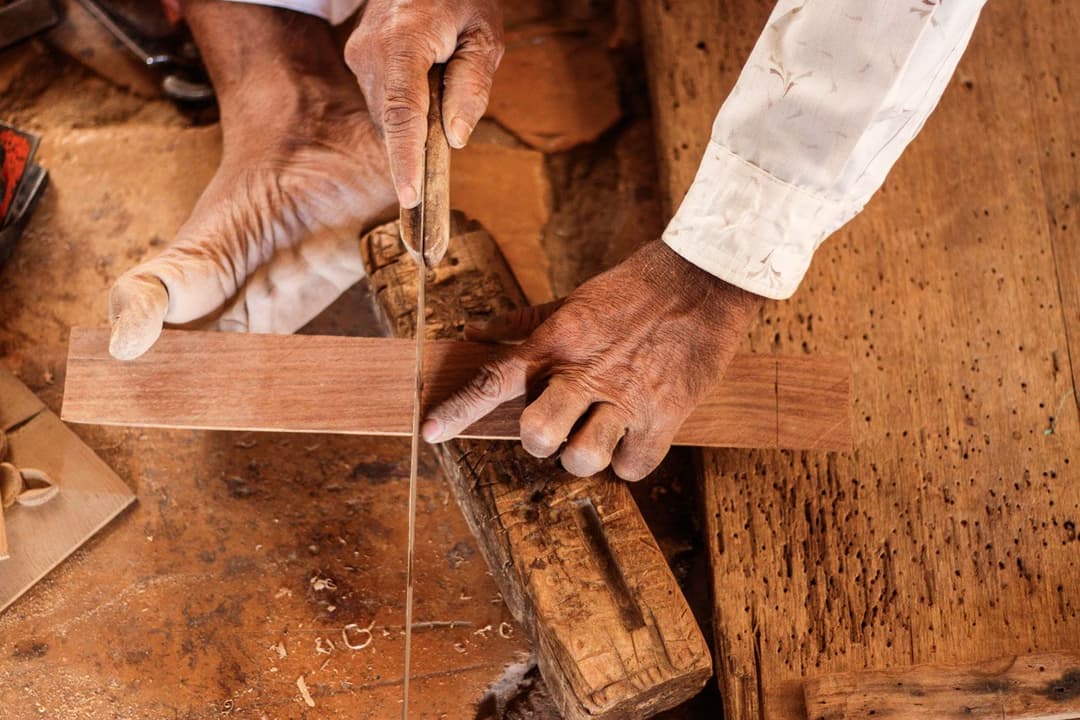
The master craftsman can make a four-piece set in just two hours. “Earlier, it took me an entire day [eight hours],” he says, recalling his early years in the craft. Anoparam’s family of sutars have been making khartals for almost two centuries: “Bachpan se yehi kaam hai hamara [Since childhood, this has been our job].”
He says his father, the late Uslaram, was a kind teacher, and one who patiently taught him. “I made a lot of mistakes, lekin wo kabhi nahi chillate the, pyaar se samajhte the [he never yelled and always taught with love].” Making khartals is only done by men of this sutar community.