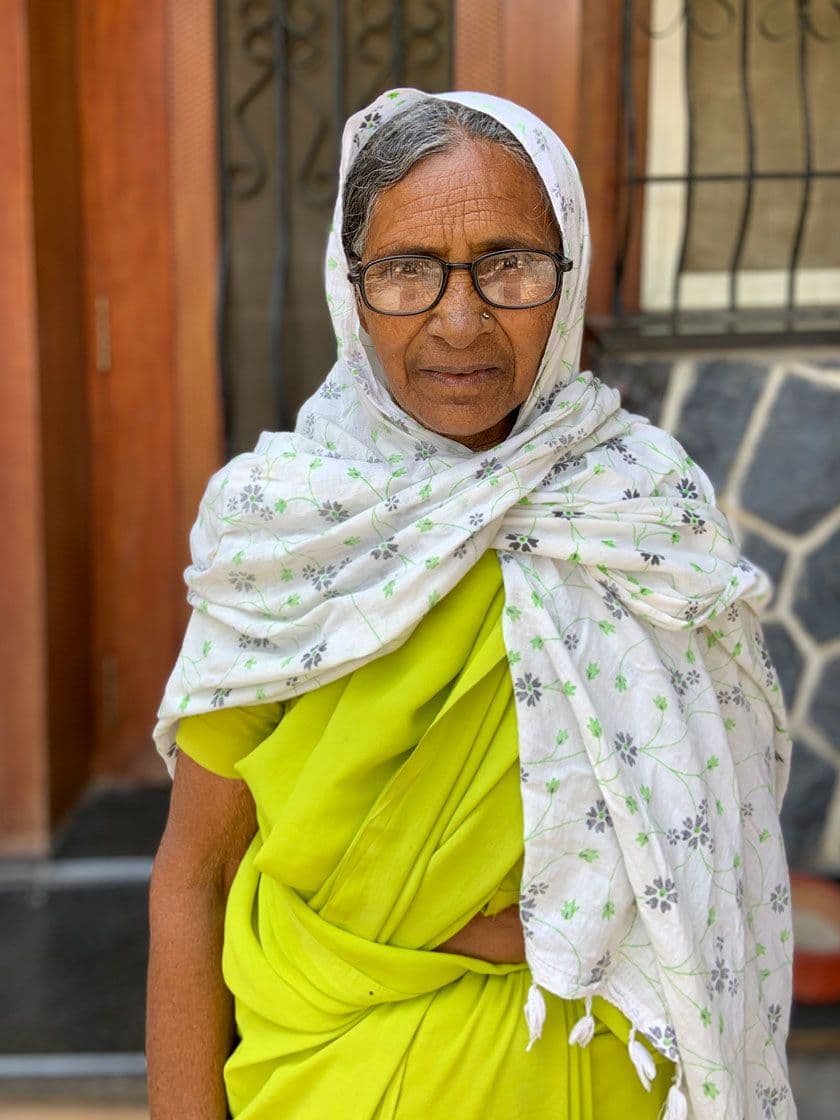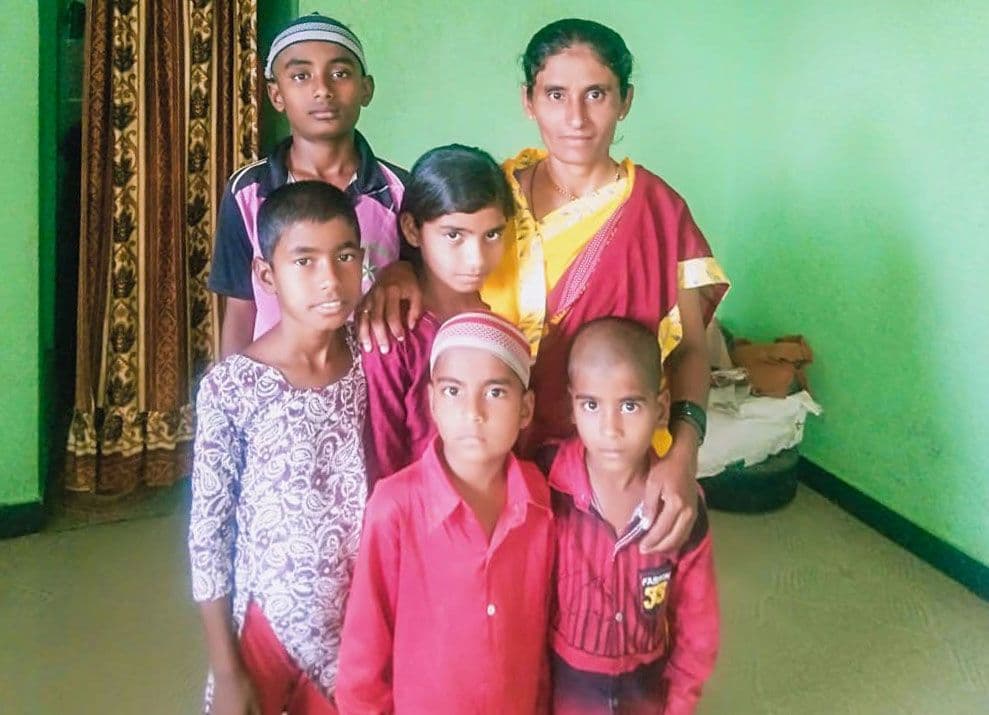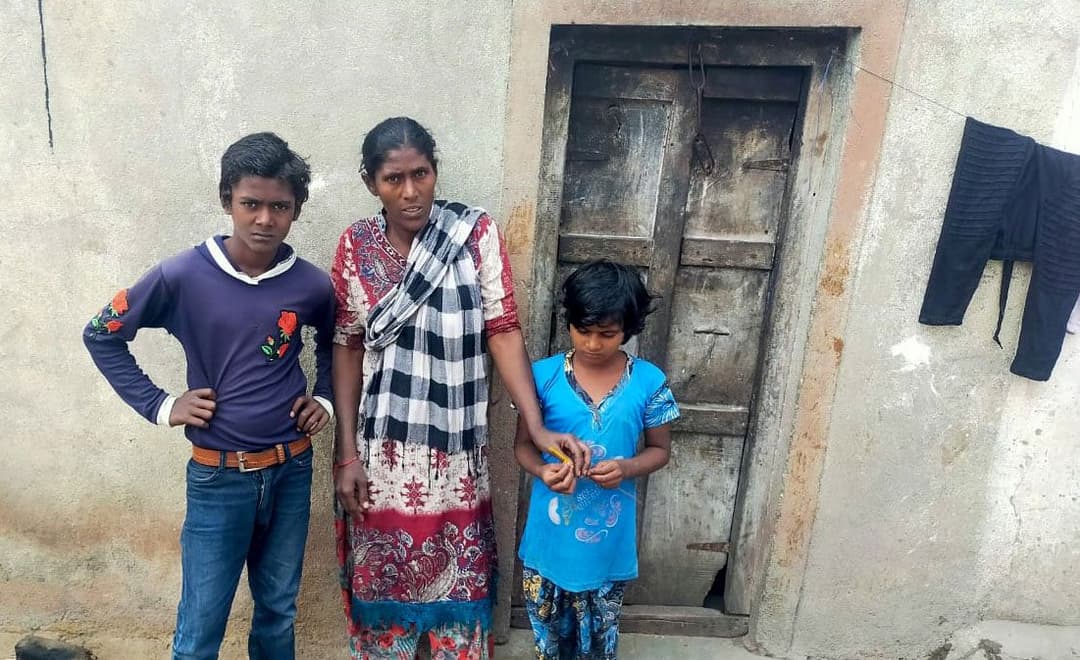

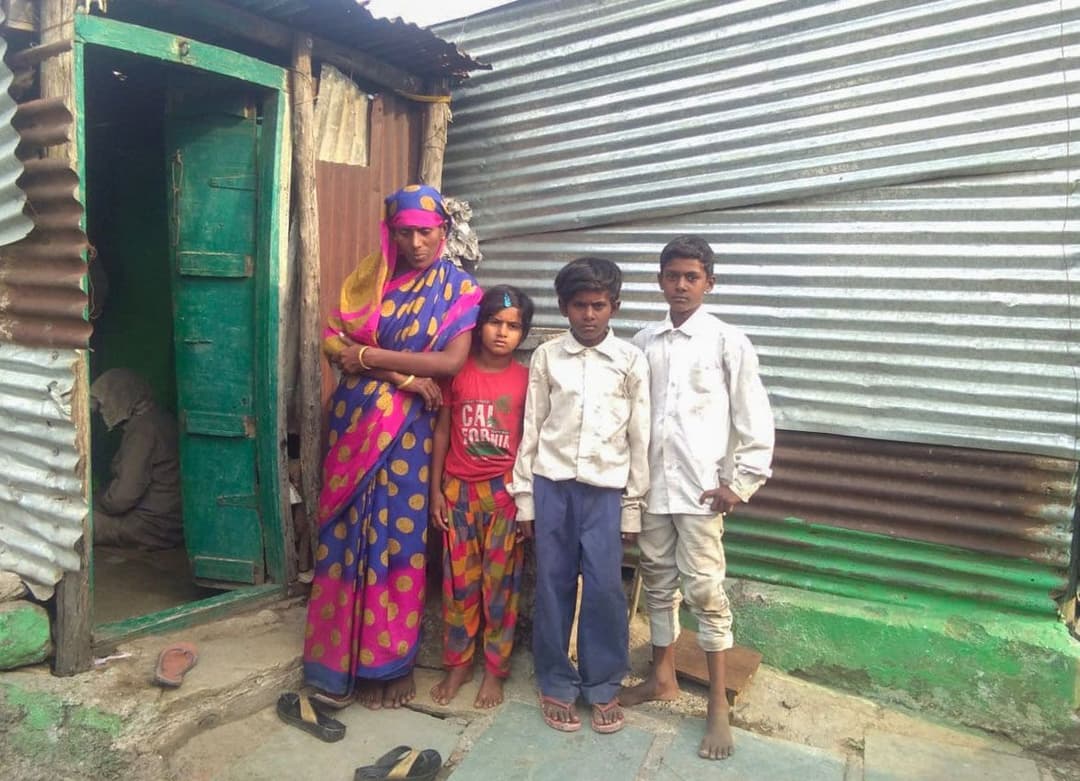
“Nobody was ready to employ me. I took all the precautions, but they wouldn’t let me enter their homes,” says Jehedabi Sayed, 68, a domestic worker in Maharashtra’s Latur city. "I never took off this kapada [cloth mask], and followed all the rules like maintaining distance.”
In April 2020, during the Covid-19 lockdown, four out of five families that Jehedabi had been working for told her to leave. “I was left with only one and they overburdened me with work.”
Jehedabi has been a domestic worker for more than 30 years – many of them spent doing dishes and cleaning floors in the homes that closed their doors to her last year. She believes that her employers were influenced by the controversy surrounding the Tablighi Jamaat religious congregation at a Delhi mosque in March 2020, which had become a Covid-19 hotspot. “The whispers telling people to stay away from Muslims travelled like fire,” she remembers. “My son-in-law said I lost the jobs because of the Jamaat. But how am I related to it?”
From earning Rs. 5,000 a month, Jehedabi’s income fell to Rs. 1,000 then. “Will the families who asked me to leave never call me back?" she asks. "I worked for them for many years and then, all of a sudden, they abandoned me and hired other women.”
Her situation has hardly changed in year. “It has become even more bekaar [miserable],” says Jehedabi. In March 2021, she was working in three homes and earning Rs. 3,000 a month. But two of her employers let her go in April, when the second wave of Covid-19 started spreading across Maharashtra. “They said that I live in a slum and we don’t follow the rules [safety protocols] there.”
So now, she’ll earn only Rs. 700 a month from her sole employer until she finds more work.