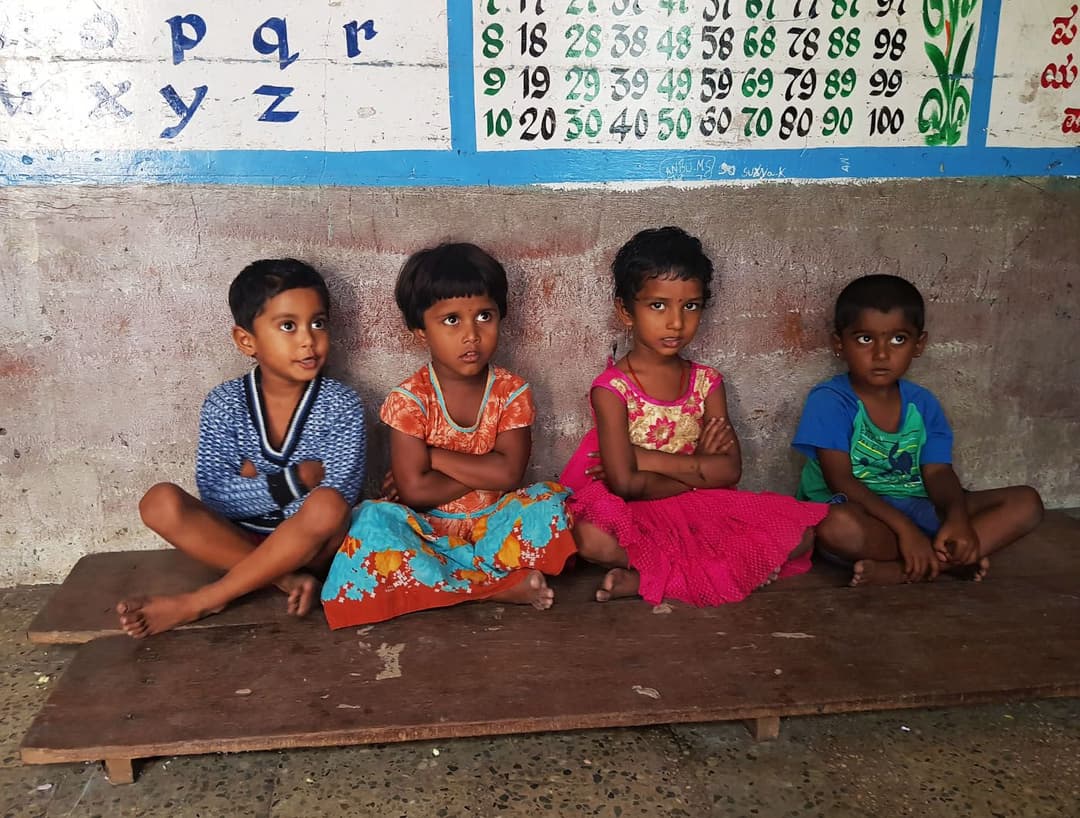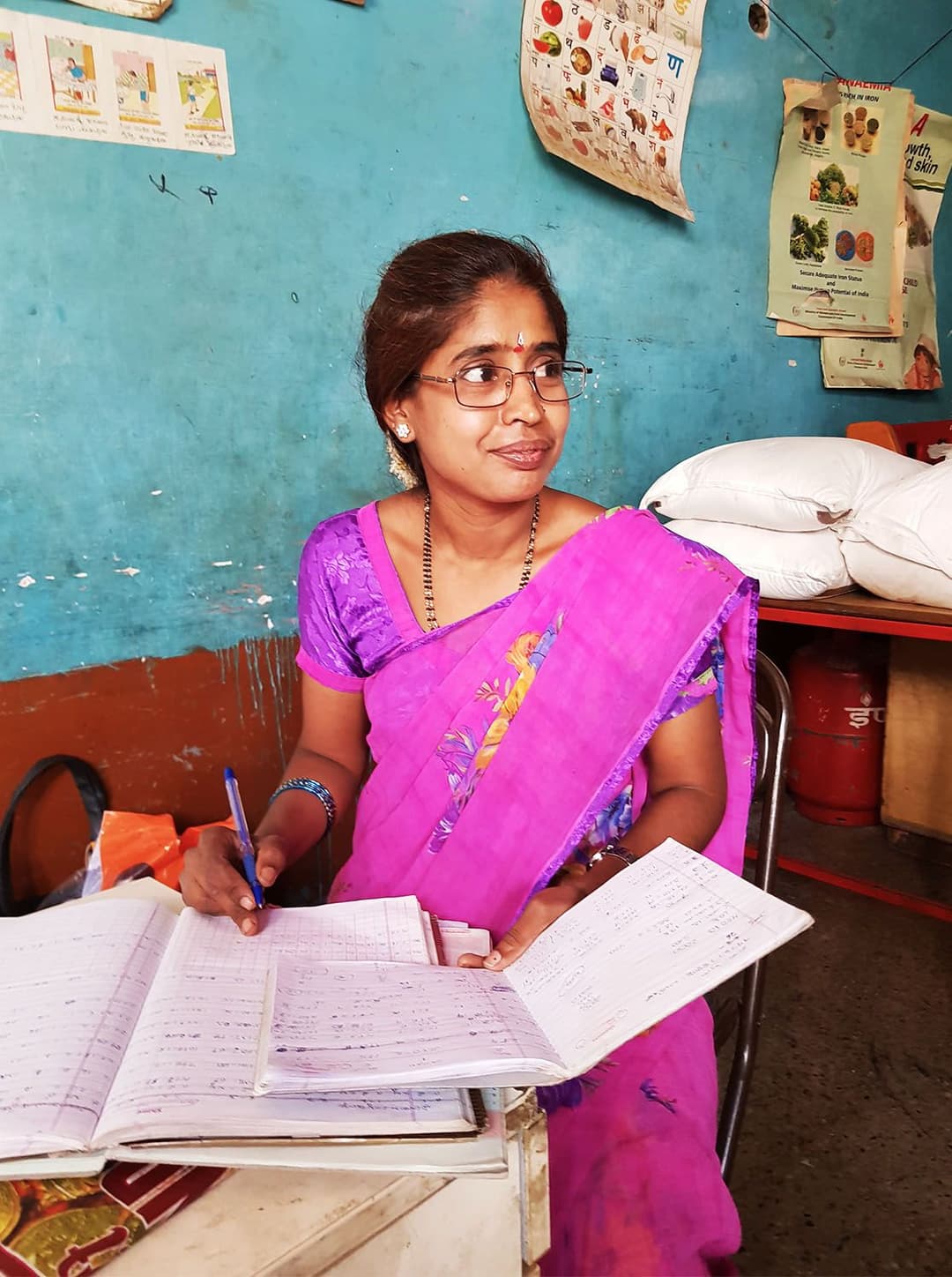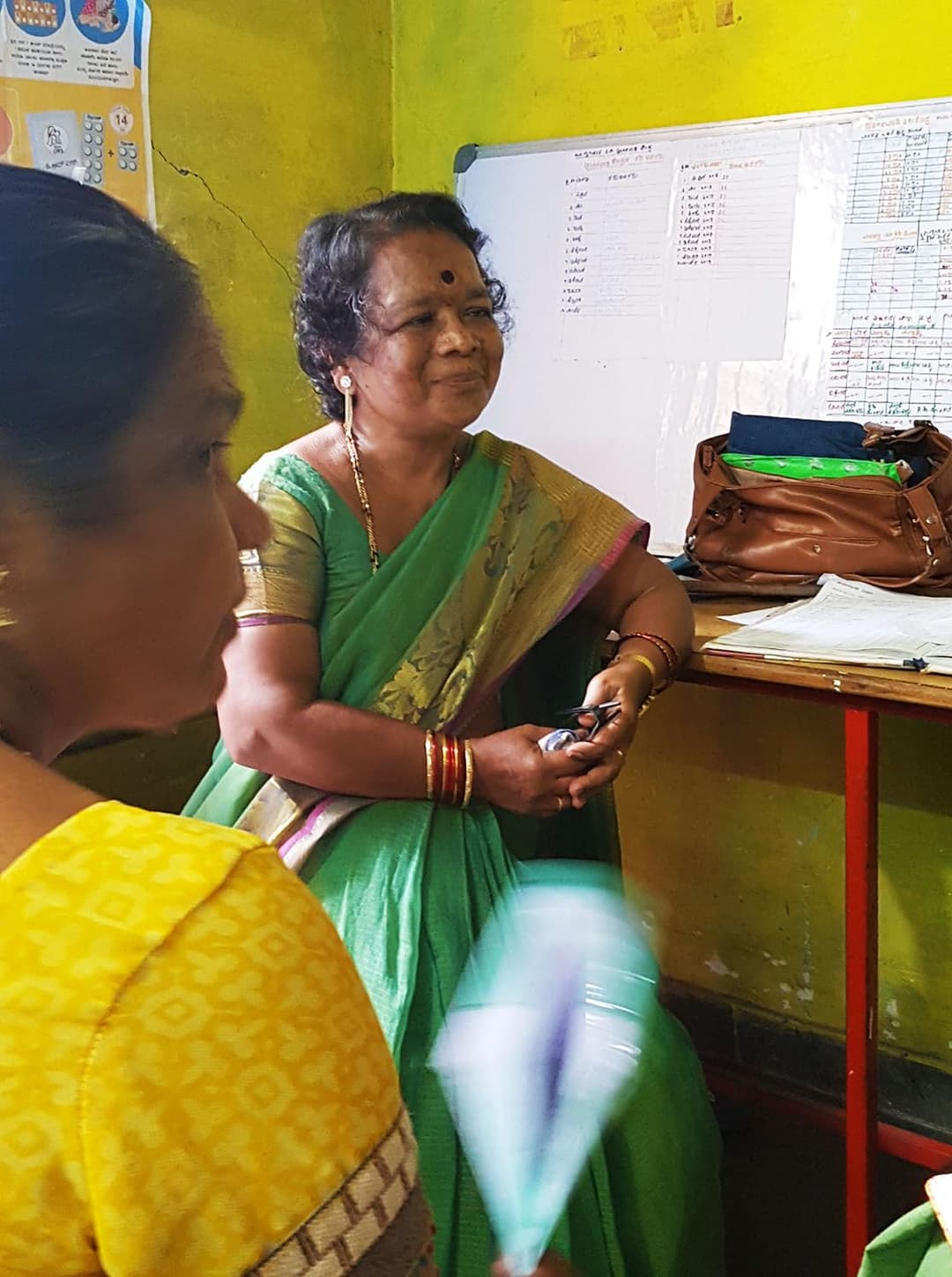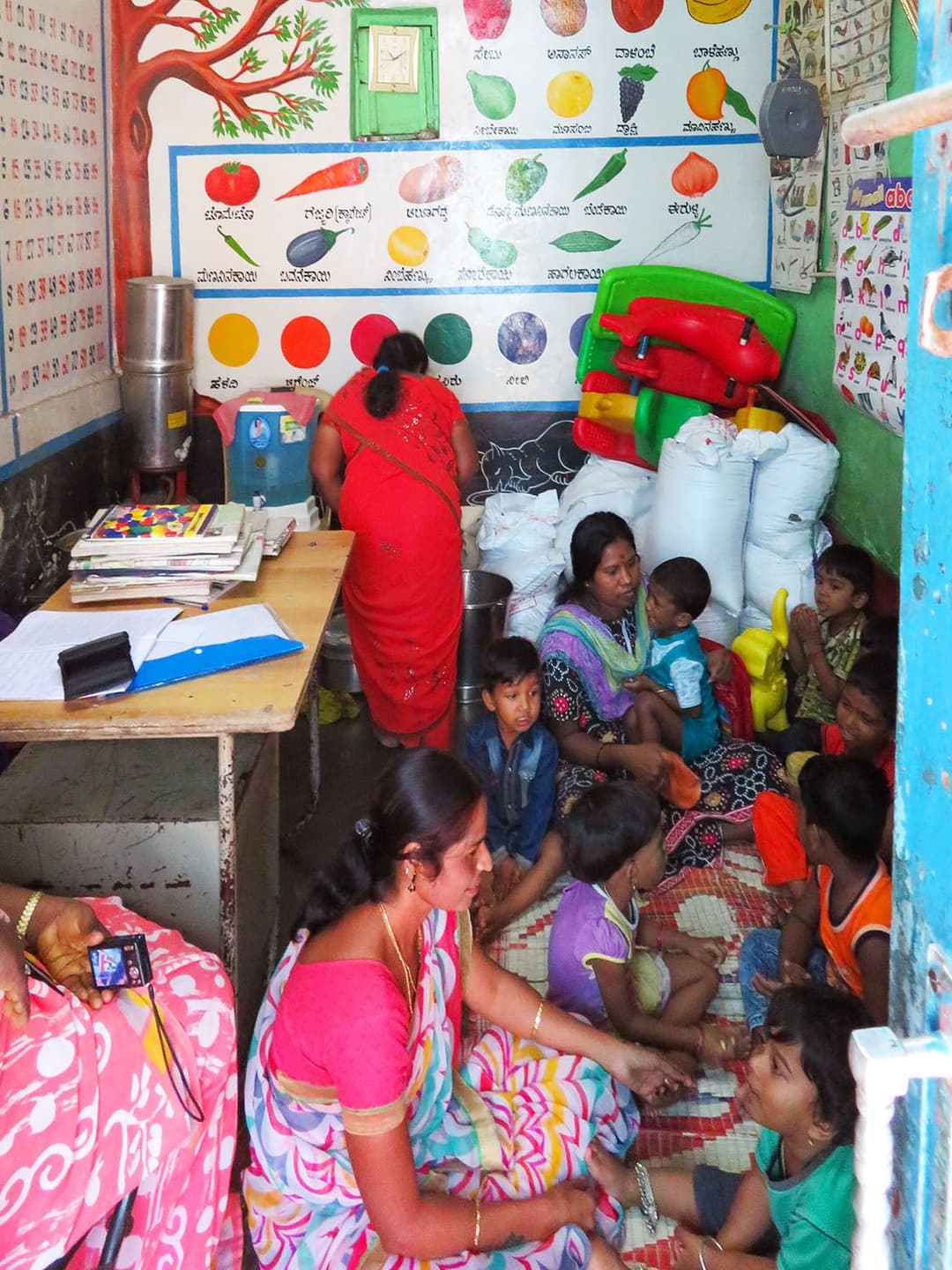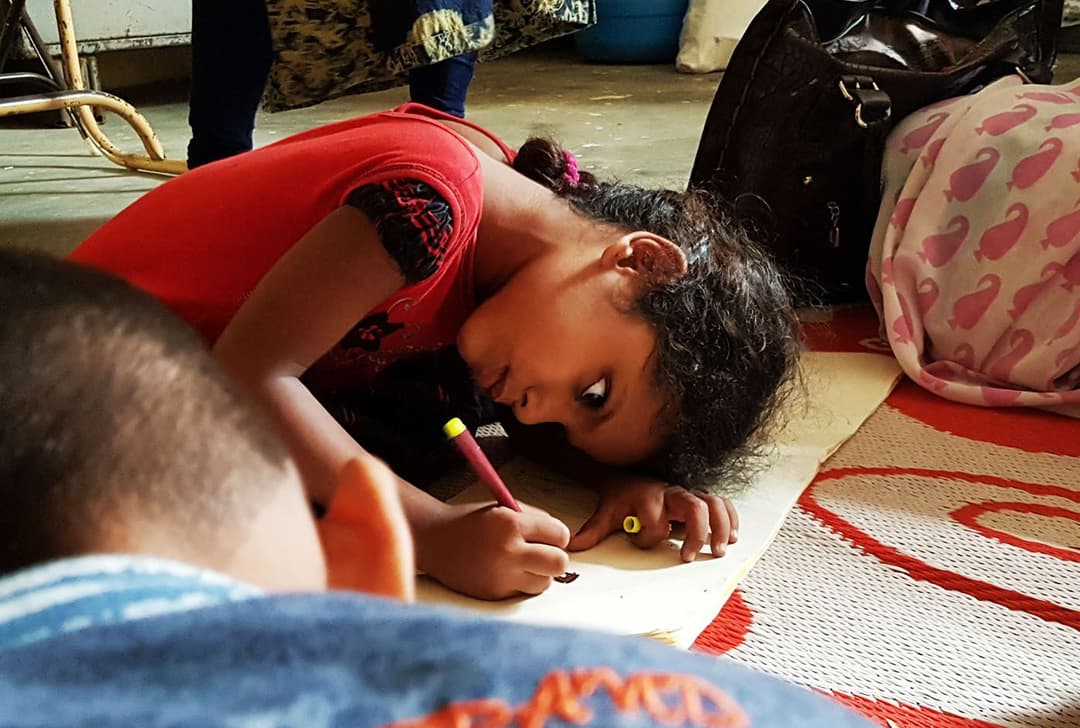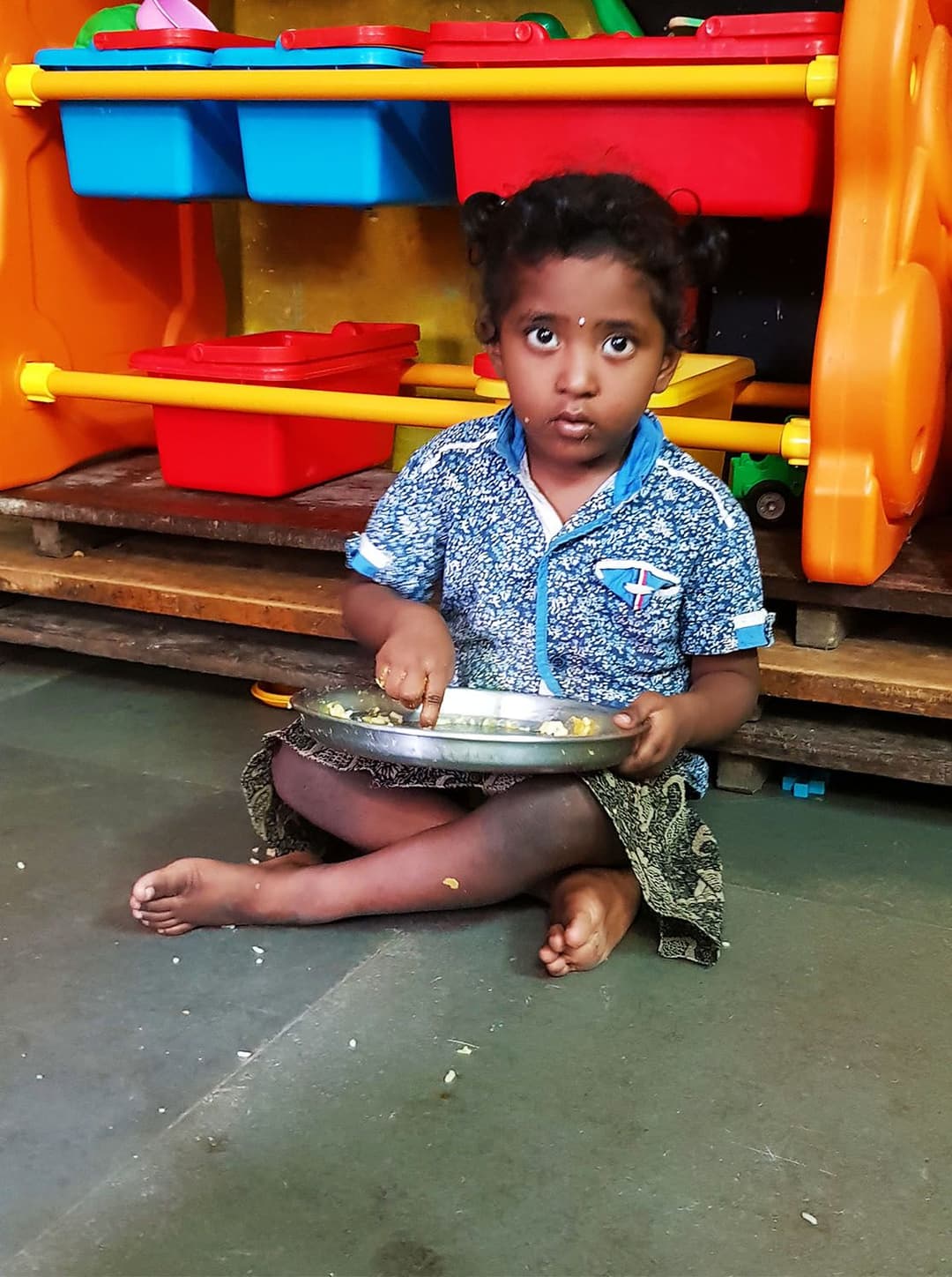

Rajeshwari C. N. is no ordinary multi-tasker – six days a week, from 9 a.m. to 4 p.m., she teaches 20 kids, ages ranging from 3 to 6 years. Most of them are children of municipal sweepers, daily wage labourers, porters, street vendors and factory helpers – many of them from families who have migrated from other parts of Karnataka, or from Andhra Pradesh and Tamil Nadu.
She cooks lunch for them too, as well as for the pregnant and lactating mothers in her area – around 3-5 women at any given time. She feeds fussy babies brought by parents for the free meal and babysitting when they go to work. Makes sure the mothers’ and children’s immunisation is on schedule. Maintains detailed records of all this and finds the time to visit at least one of their homes to check on general well-being.
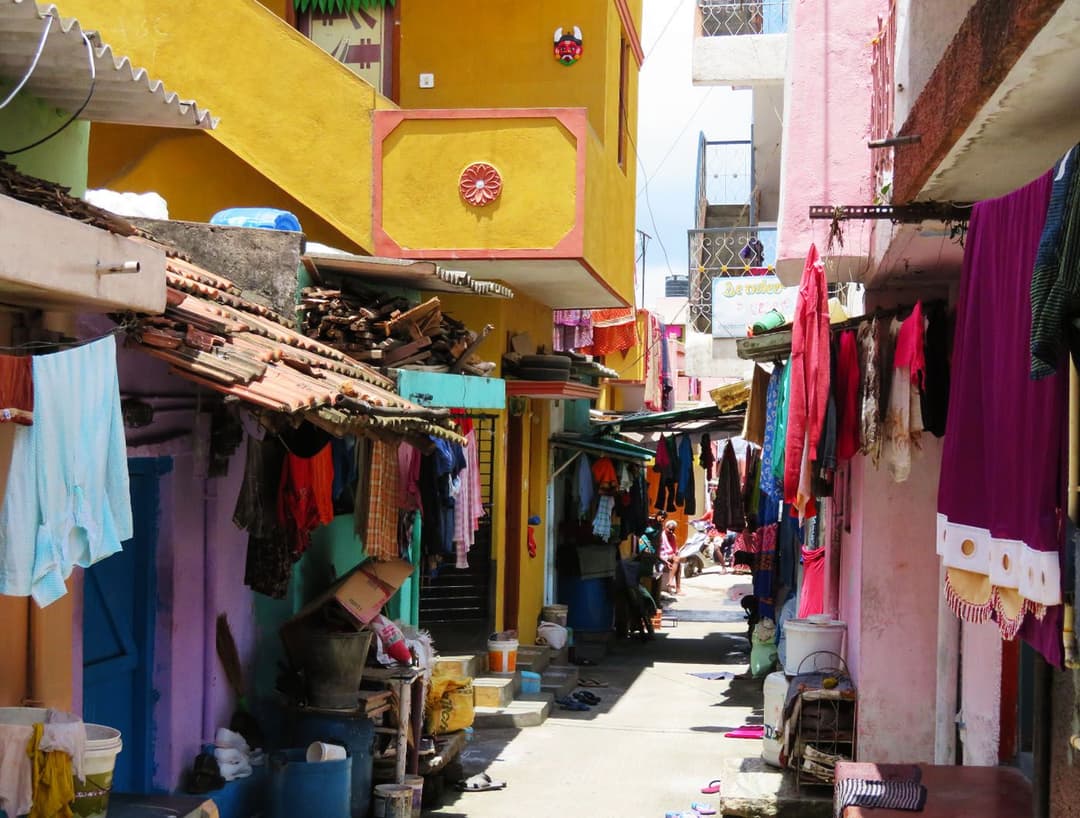
She can reel off government schemes meant to benefit the 355 families in her jurisdiction of Vyayam Shala colony off Bengaluru’s busy J. C. Road, fill forms and liaise with government officials – which, she says, especially helps migrant families negotiate health services and government schemes.
And still, she says, many see her as a domestic worker. “Private school teachers think that all we do is cook and clean. I don’t have ‘experience’ in teaching according to them,” 40-year-old Rajeshwari says, wryly.