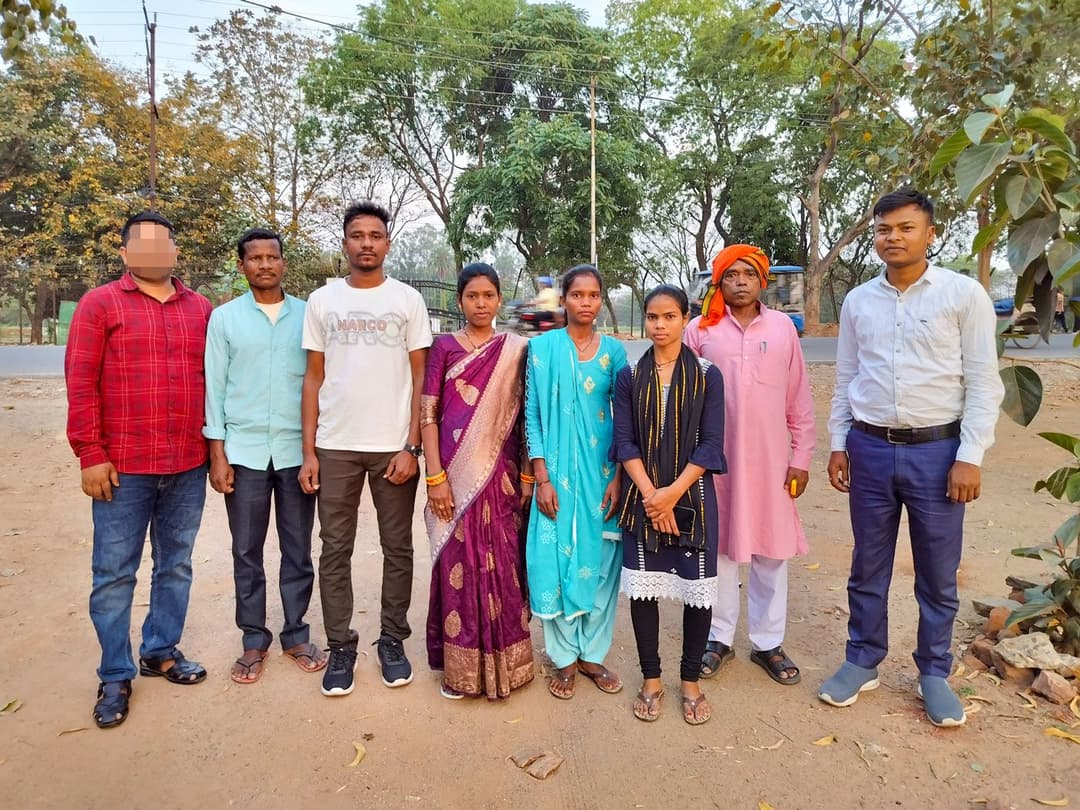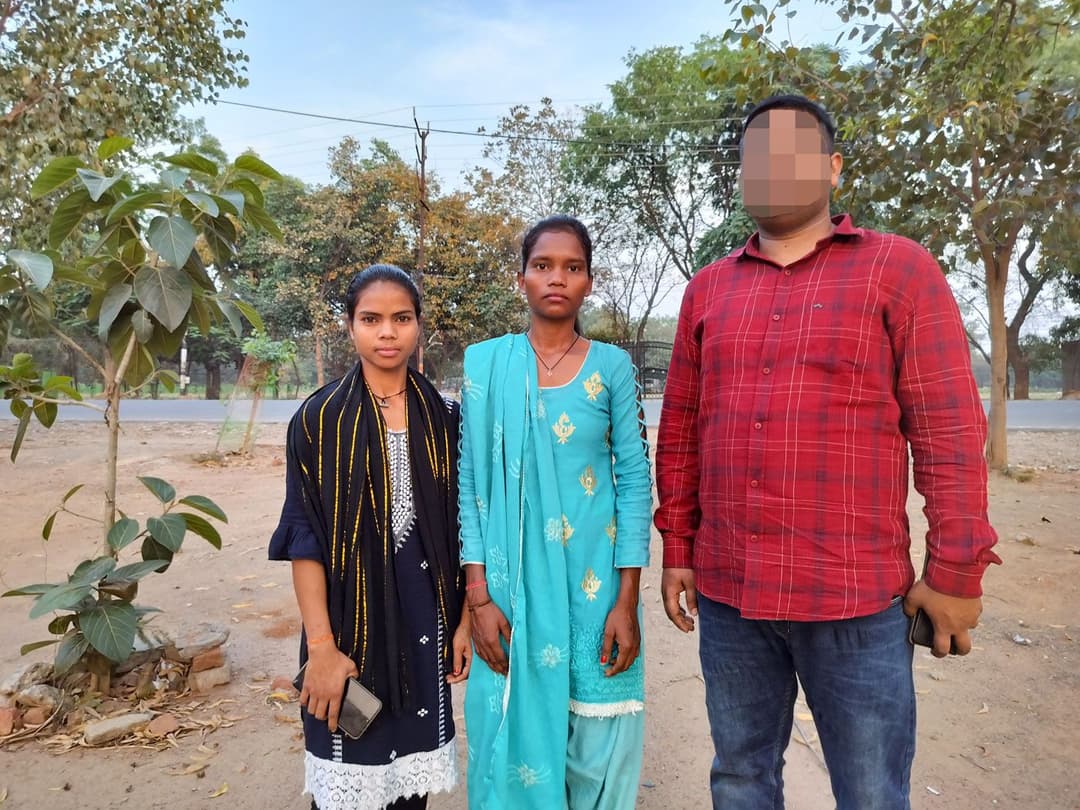

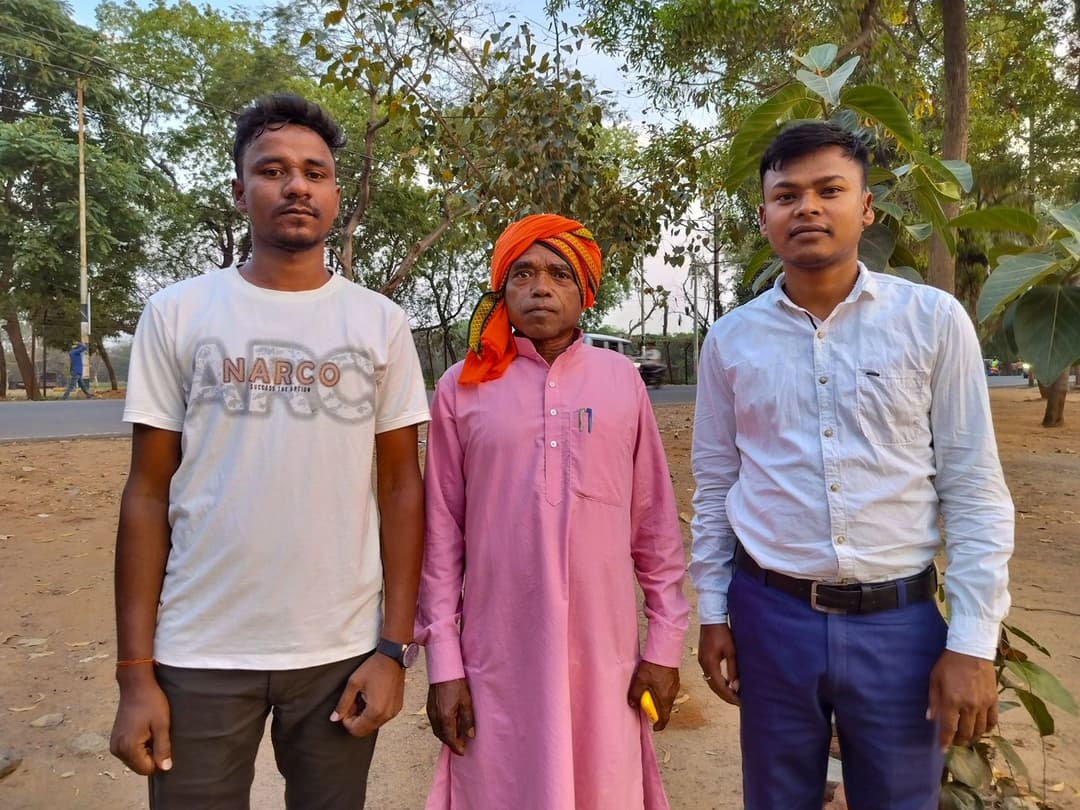
A biologist, an army jawan, a homemaker and a geography graduate.
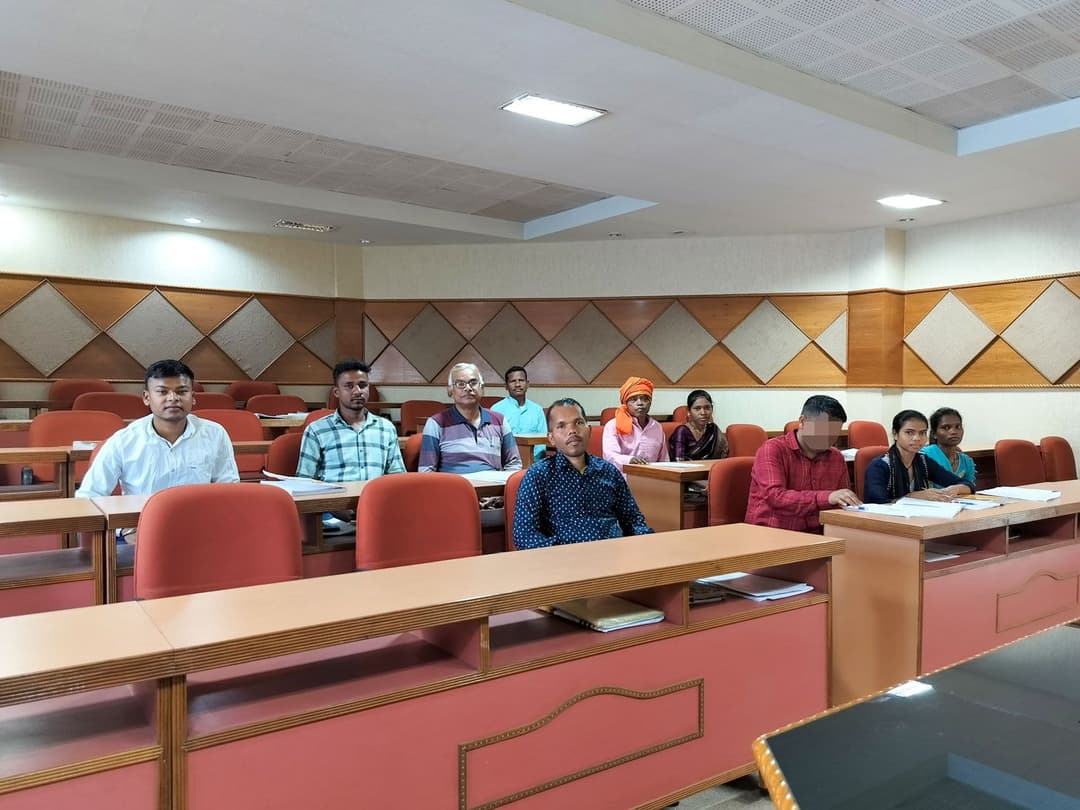
Off the busy road in Ranchi, this unlikely group of people have come together on a warm summer's day. They are all members of Particularly Vulnerable Tribal Groups (PVTGs) and are participating in a writing workshop at Jharkhand’s Tribal Research Institute (TRI) in the capital city.
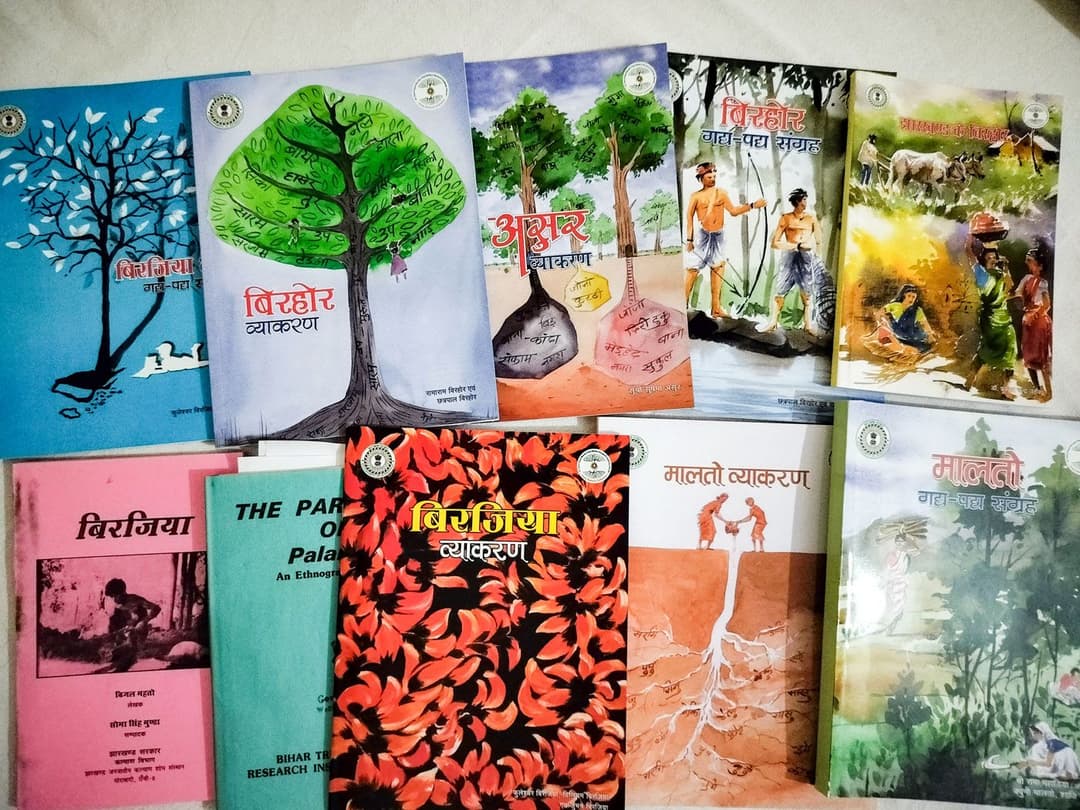
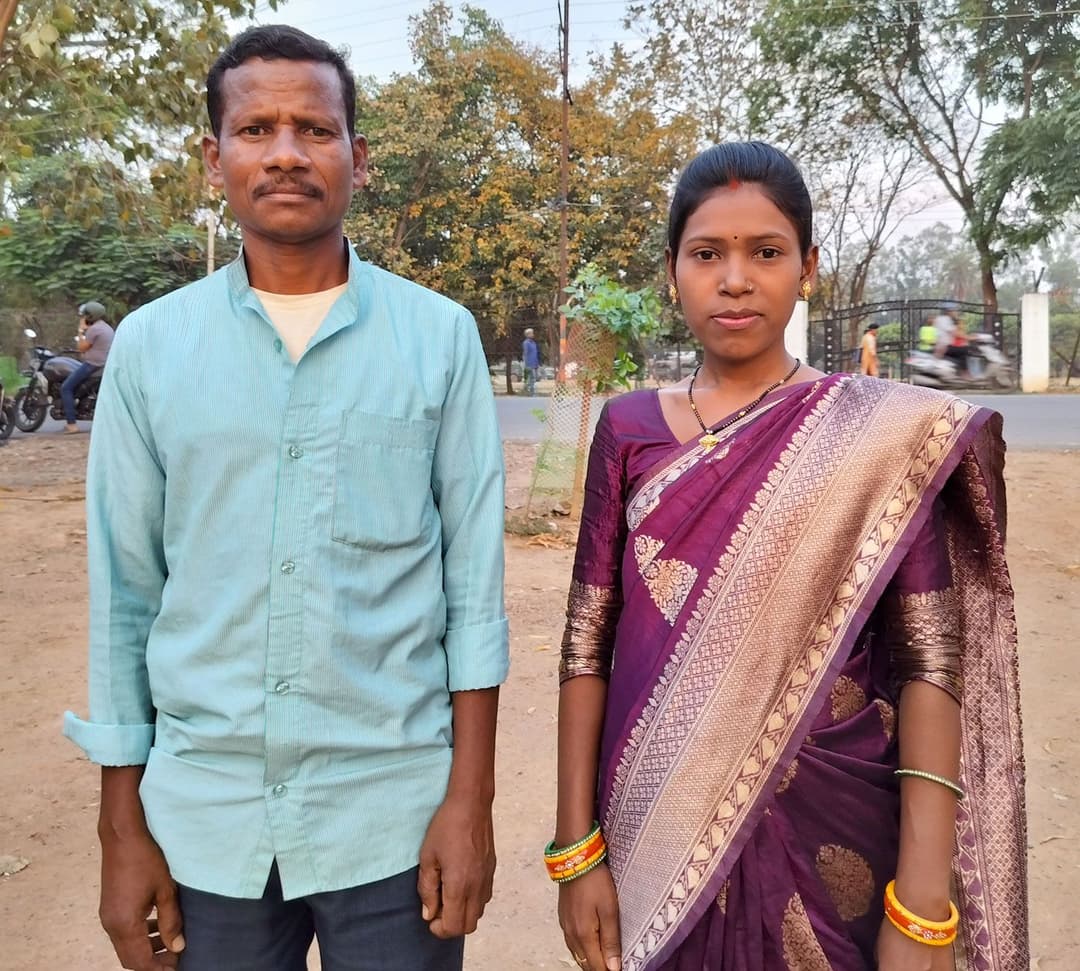
“I want our children to read in their mother tongue,” says Mavno-speaker Jagannath Girhi of the Mal Paharia community. The 24-year-old has travelled all the way from his village in Dumka more than 200 kilometres away to come to the TRI in Ranchi to write the grammar of his endangered mother tongue Mavno.
He has more plans: “we also want to publish a book in Mavno." He is the first and the only person in his village Baliakhora to have obtained an MSc degree in biology, and he did it in Hindi. “The language of the community which is in greater numbers is taught in the university,” he points out. “Even the Jharkhand Staff Selection Commission (JSSC) syllabus is easily available in [Adivasi] languages like Khortha, Santhali, but not in our language [Mavno].”
“If this [marginalisation] continues, my language will slowly disappear.” About 15 per cent of the Mal-Paharia speakers live in Jharkhand; the rest live in neighbouring states.
Their language Mavno is an Indo-Aryan language with Dravidian influences. An endangered language with less than 4,000 speakers, it does not have official language status. According to the Linguistic Survey of India (LSI) Jharkhand, Mavno is not used as a medium of instruction in schools and neither does it have a separate script.