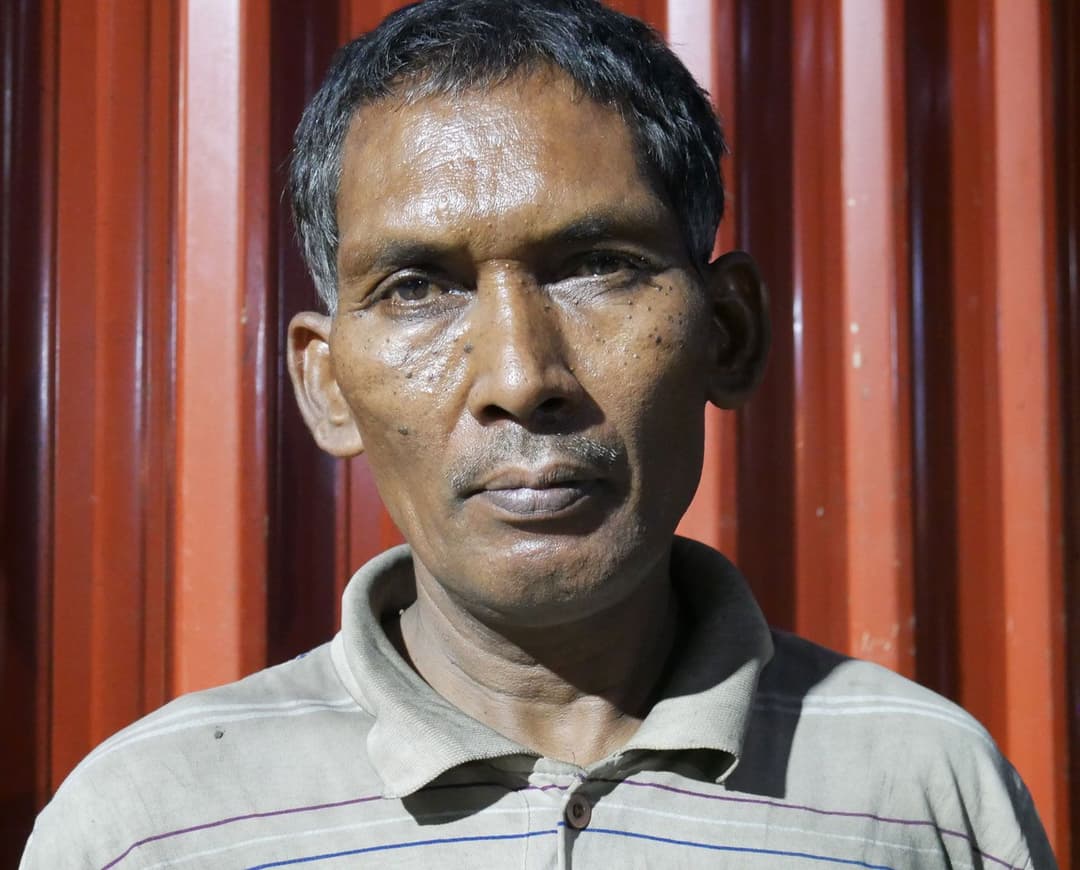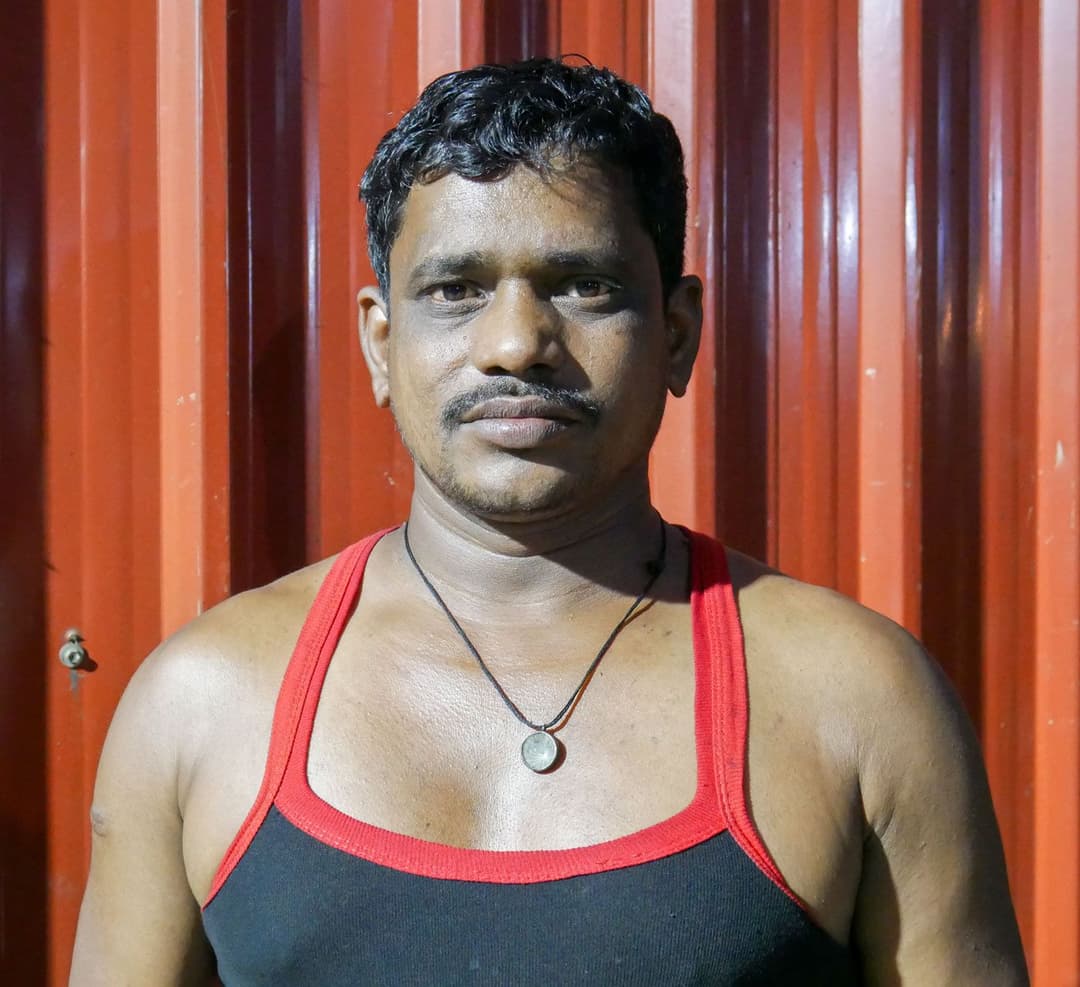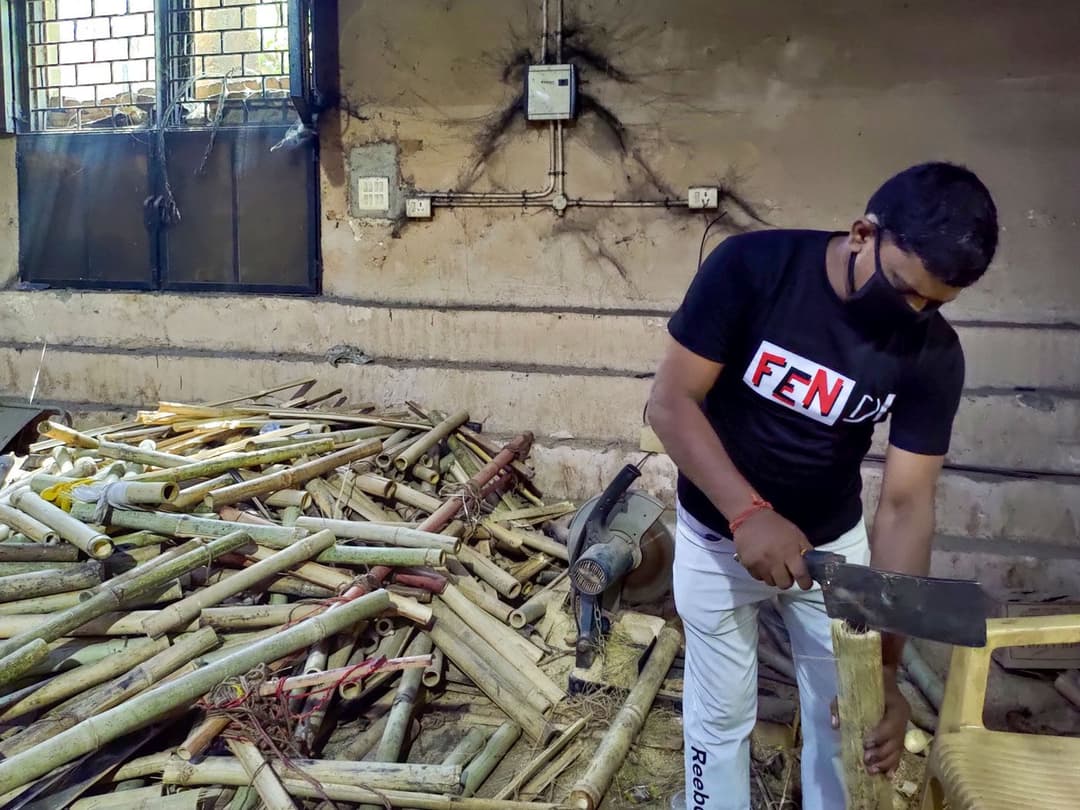

When Harinder Singh asked his coworker Pappu to prepare the last two bodies for cremation on May 4, the last thing he expected was to startle his colleagues. His choice of words was unusual.
Harinder said: “Do launde lete hue hain [Two boys are lying there]”. The initial surprise of his colleagues gave way to amused laughter when they saw he was being earnest. It was a rare moment of relief in the drudgery of their jobs at Nigam Bodh Ghat – the busiest crematorium in New Delhi.
But Harinder felt he needed to explain himself to me. He was eating dinner with his coworkers in a small room near the crematorium's furnaces. He took a breath – he was lucky to be breathing in the hellish Covid pandemic – and said, “You call them bodies. We call them launde [boys].”
“Everyone being brought here is someone’s son or daughter, just like mine,” added Pappu. “It is painful to send them to the furnace. But we have to do it for their soul, don’t we?” Over 200 bodies were being cremated at Nigam Bodh every day for over a month – in CNG furnaces and on open pyres.
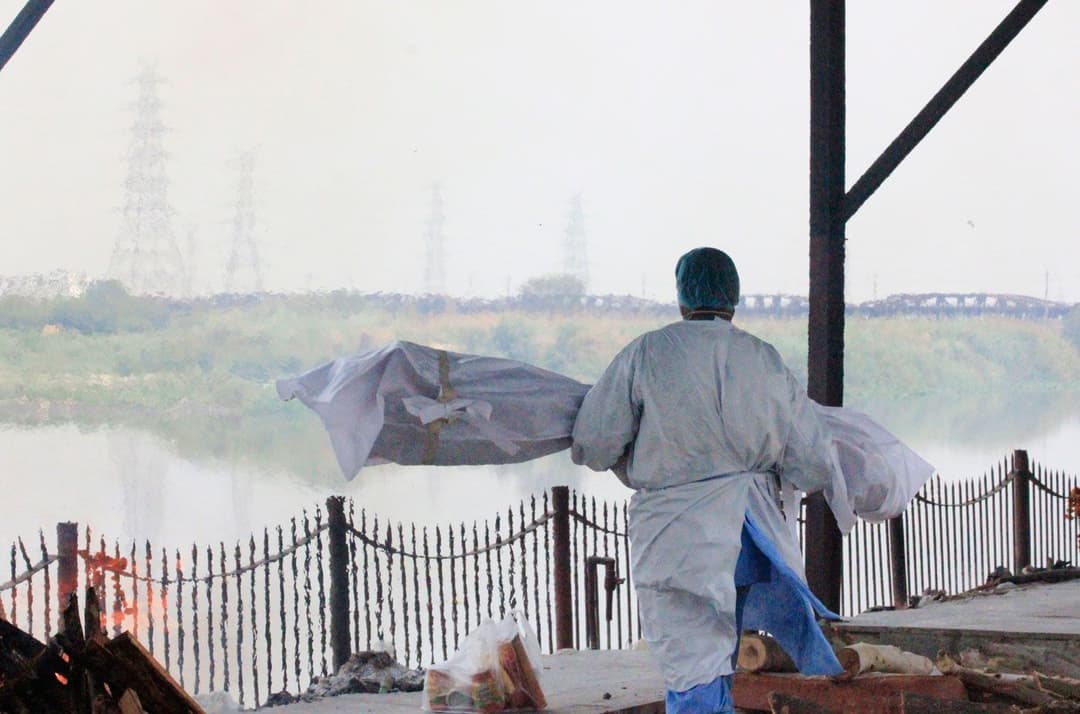
That day, on May 4, 35 bodies were cremated in the CNG furnaces at Nigam Bodh Ghat. The number was a little less than the daily average of 45-50 since the first week of April, when the second Covid wave was gripping Delhi. But before the pandemic, the crematorium’s CNG furnaces handled only about 100 bodies a month.
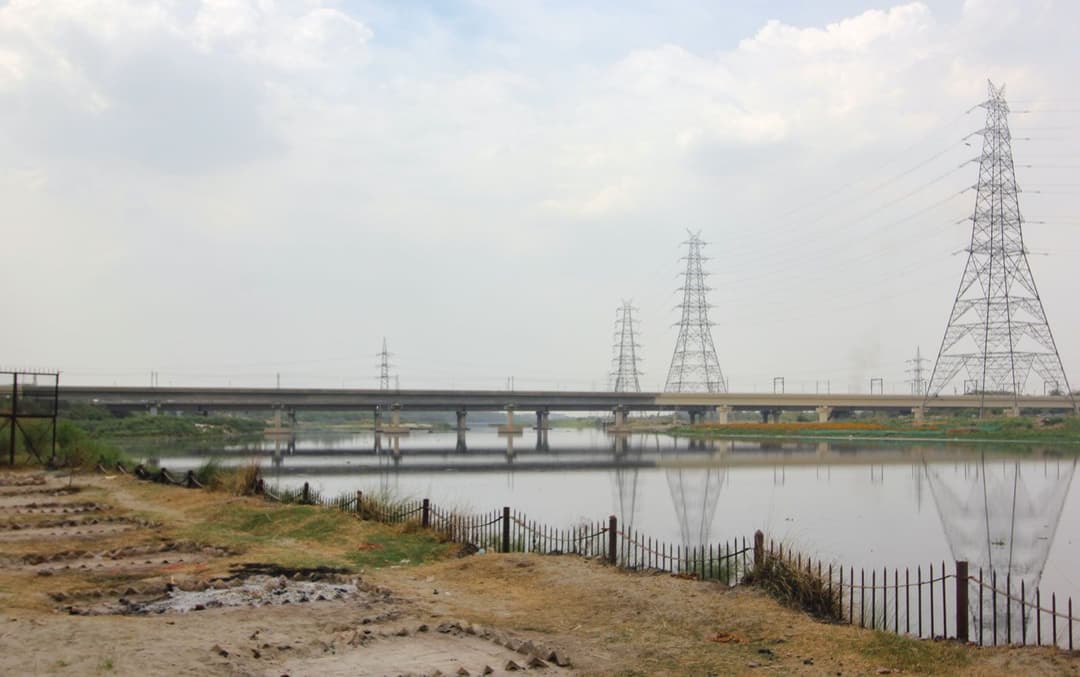
At the entrance to the Ghat, on the banks of Yamuna river near Kashmere Gate in Delhi, is a large mural. It says: “Thank you for bringing me here. From here, I will proceed alone.” But when Covid-19 took over the national capital in April-May this year, the dead were not alone – they may have found a friend on the journey to the afterlife.