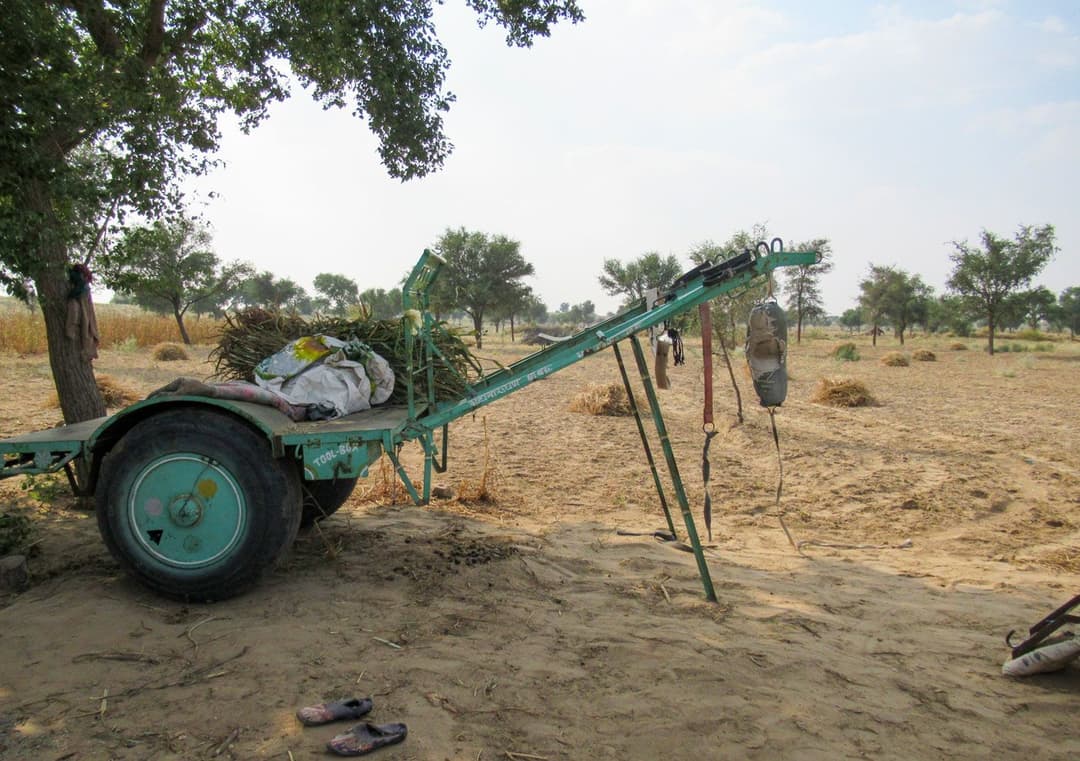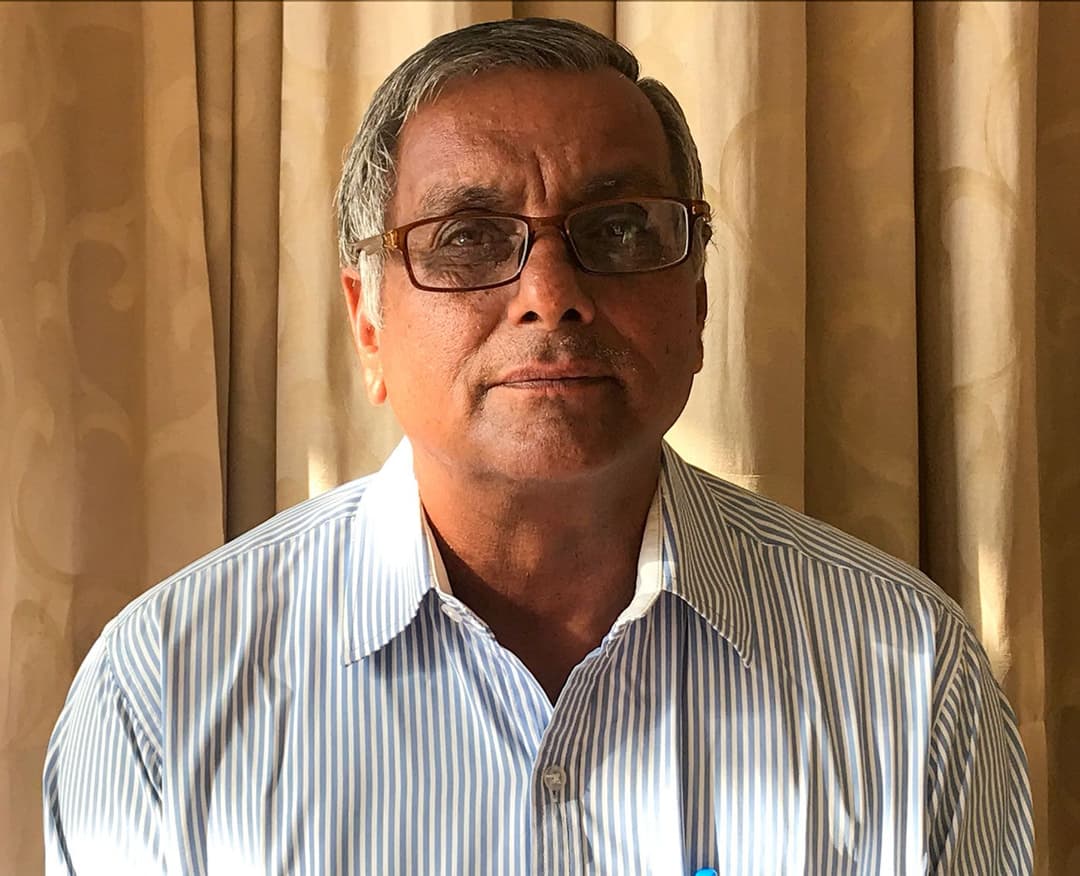


“My back has burnt with the heat,” says Bajrang Goswami, sitting on the ground in the sparse shade of a clutch of khejri trees, just outside Gajuvas village. “The heat is up, the harvest is down,” he adds, glancing at the dunes of reaped bajra. A lone camel stands nearby, munching dry grass on the 22 bighas of land he and his wife Raj Kaur cultivate as sharecroppers in Taranagar tehsil of Rajasthan’s Churu district.
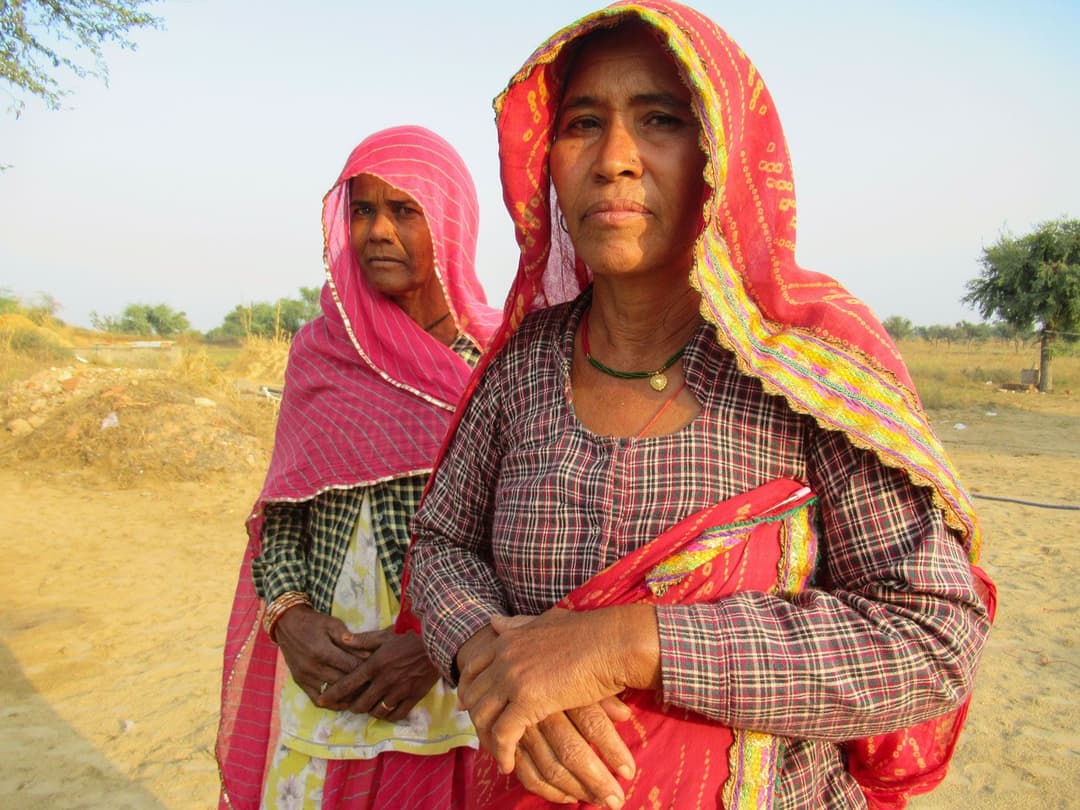
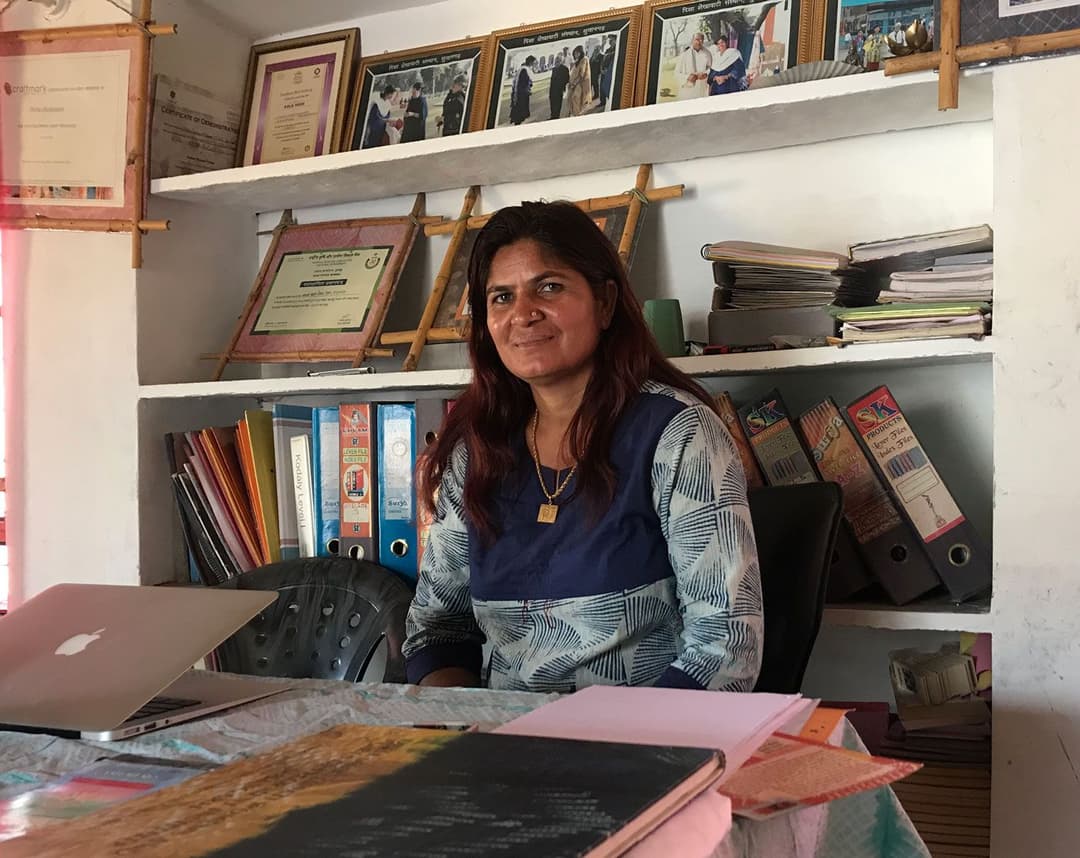
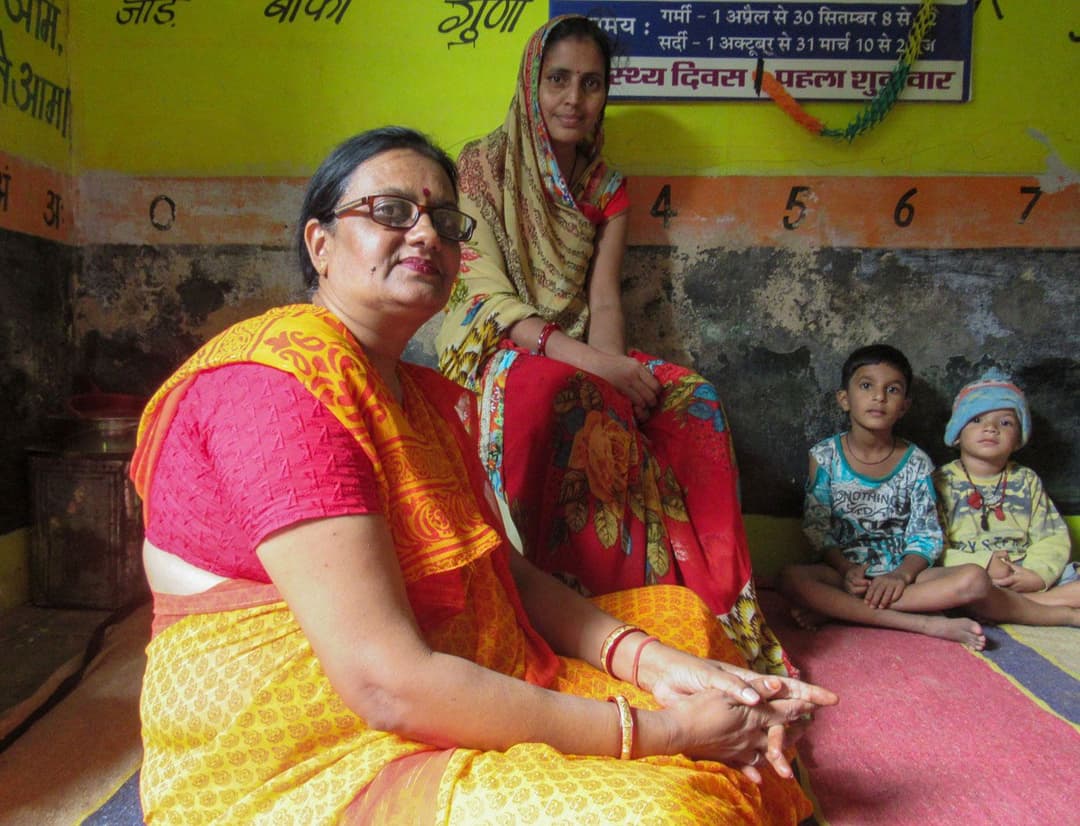
“The sun is hot on the head, the sand is hot on the feet,” says Geeta Devi Nayak of Sujangarh tehsil, south of Taranagar. A landless widow, Geeta Devi labours on farmland owned by Bhagwani Devi Choudhary’s family. The two have just completed work for the day around 5 p.m. in Gudawari village. “Garmi hee garmi pade aaj kal [It’s heat and more heat nowadays] ,” says Bhagwani Devi.
In Churu district of north Rajasthan, where the sandy ground sizzles in the summers and the wind feels like a furnace in May and June, conversations about the heat – and how it is intensifying – are common. Temperatures in those months easily climb up to the high 40s. Just last month, May 2020, the temperature rose to 50 degree Celsius – and was the highest in the world, news reports said, for May 26.
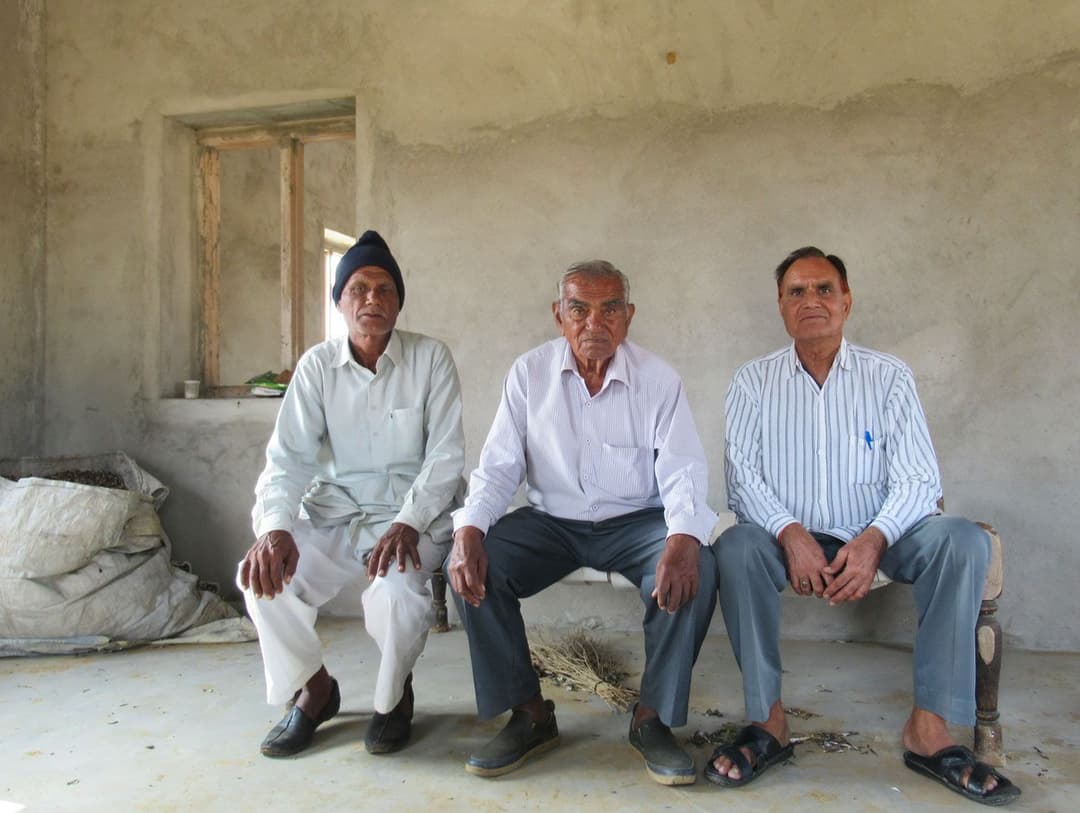
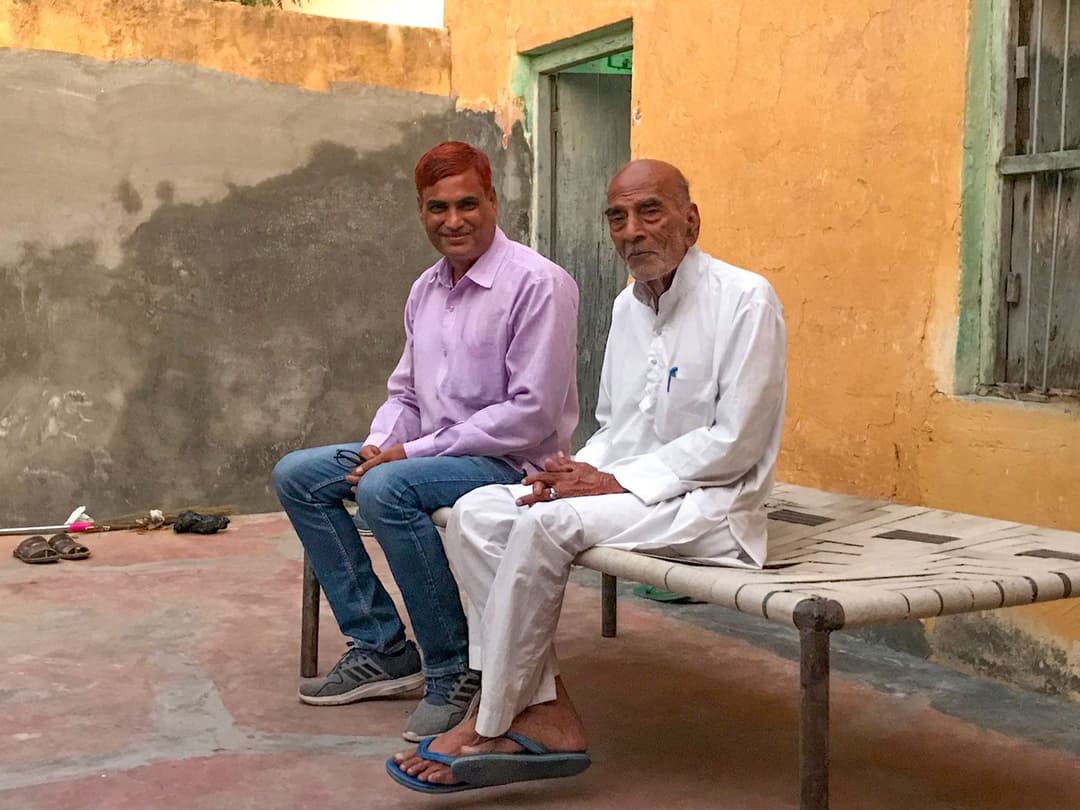
So last year, when the mercury breached even the 51 degrees Celsius mark in Churu in early June 2019 – more than halfway to the boiling point of water – for many it was a sidebar. “I recall it reached 50 degrees around 30 years ago too,” says 75-year-old Hardayalji Singh, a retired schoolteacher and landowner, reclining on a cot in his large house in Gajuvas village.
Six months later, by December-January in some years, Churu has seen just-below zero degrees temperatures. And in February 2020, the India Meteorological Department found the lowest minimum temperature in the plains of India to be in Churu, at 4.1 degrees.