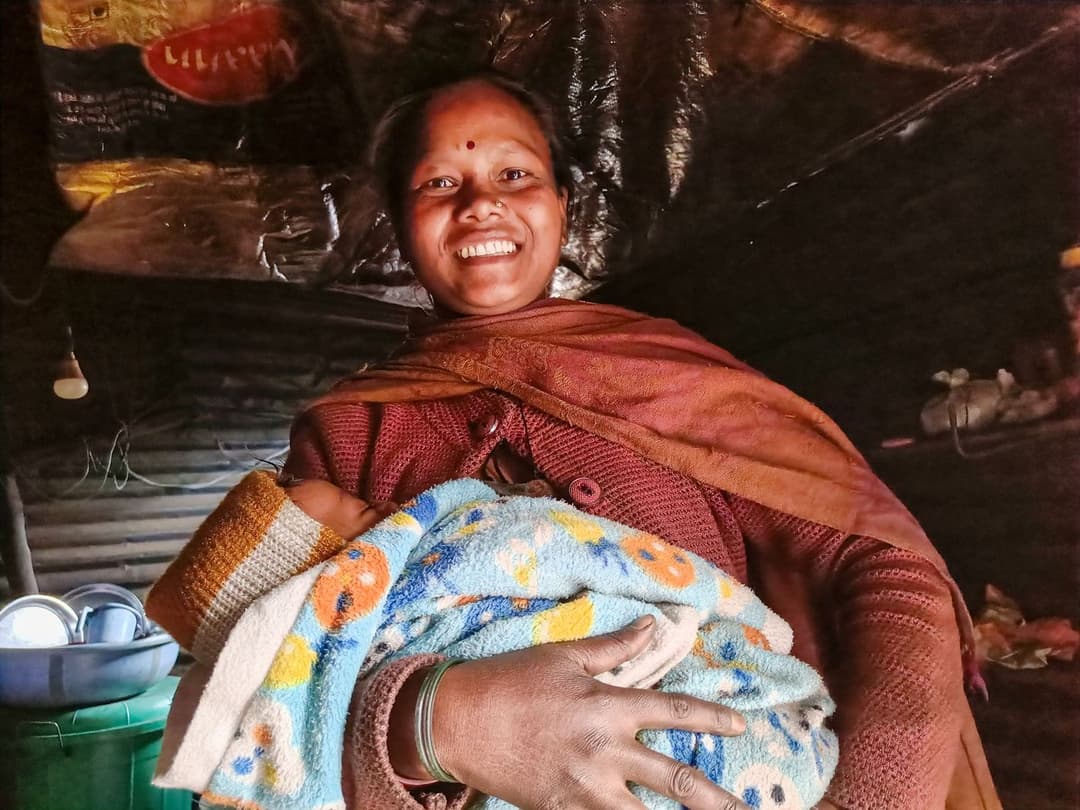


“That afternoon I was not certain if my baby and I would survive. My water had broken. There was no hospital in sight, no health worker around. I was in labour inside a moving jeep on the way to a hospital in Shimla. There was no way I could have waited. I gave birth to the baby right there – inside the Bolero.” Six months after the event, when this reporter met her in April 2022, Anuradha Mahto (name changed) was sitting with her little baby on her lap, still remembering the day in vivid details.
“It was about three in the afternoon. As soon as my water broke my husband informed ASHA didi. She arrived in the next 15 or 20 minutes. I remember her calling for an ambulance soon after. It was raining that day. The ambulance people said that they would leave in 10 minutes, but it would have taken them at least an hour more than usual to reach our place,” says Anuradha, in her late 20s, explaining how the roads get dangerous when it rains.
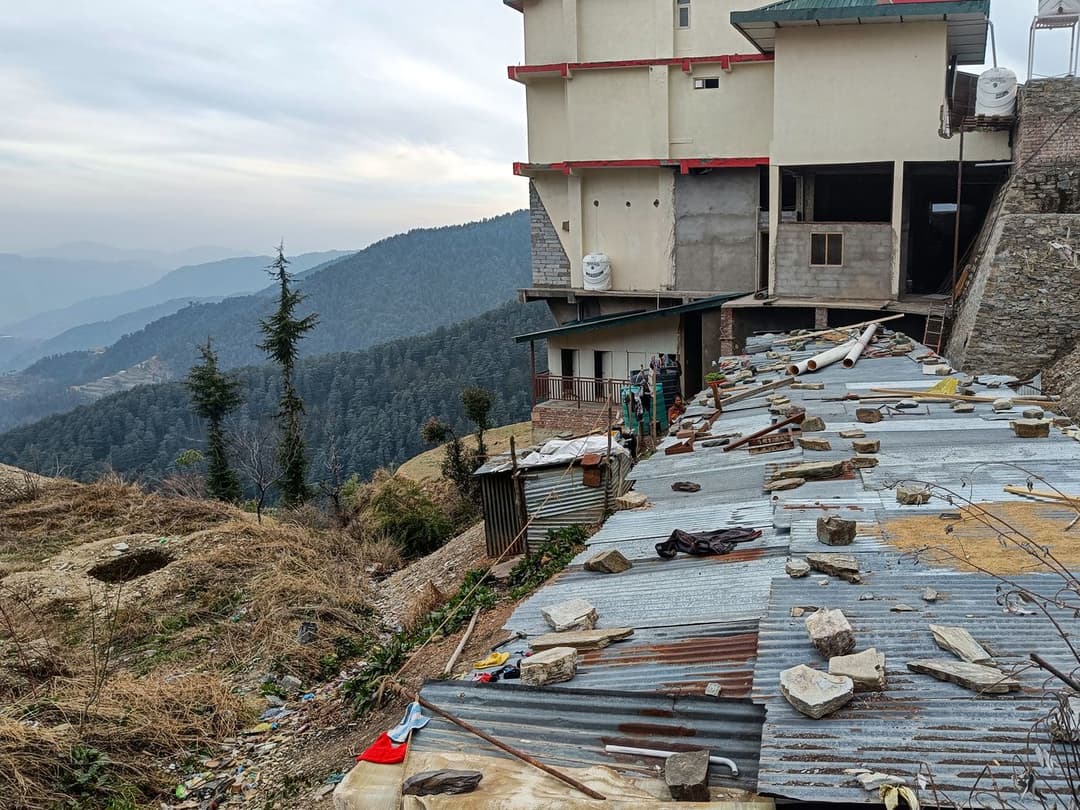
She lives in a makeshift tin hut in a hilly area in Koti village, Himachal Pradesh, along with her three children and her husband, a migrant worker. The family is originally from Gopalpur village in Bhagalpur district of Bihar.
Anuradha, who joined her husband in Koti, in Shimla district’s Mashobra block, in 2020, says, “We had to move here from our village [in Bihar] because of financial problems. It was difficult to pay the rent in two places.” Her 38-year-old husband, Ram Mahto (name changed), works as a mason on the construction site and must move wherever his work takes him. Presently, he has been working at a site right ahead of their tin hut.
Even on normal days it would be difficult for an ambulance to have an easy access to their house. And if it were to come from Kamla Nehru Hospital in the district headquarters, Shimla, about 30 kilometres away, it would take 1.5 to 2 hours to reach Koti. But during rains and snowfall it takes double that time.