
“Two plus two – how much? Prateek, do you remember how you used to do additions?”
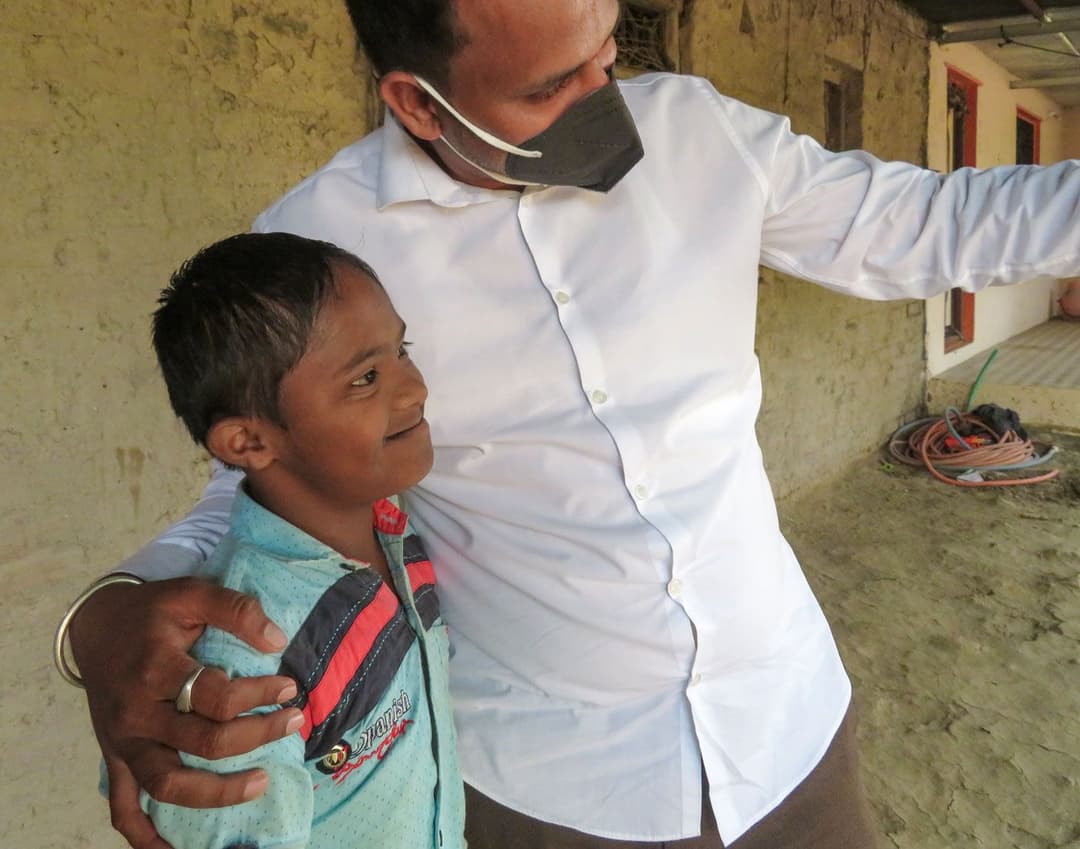
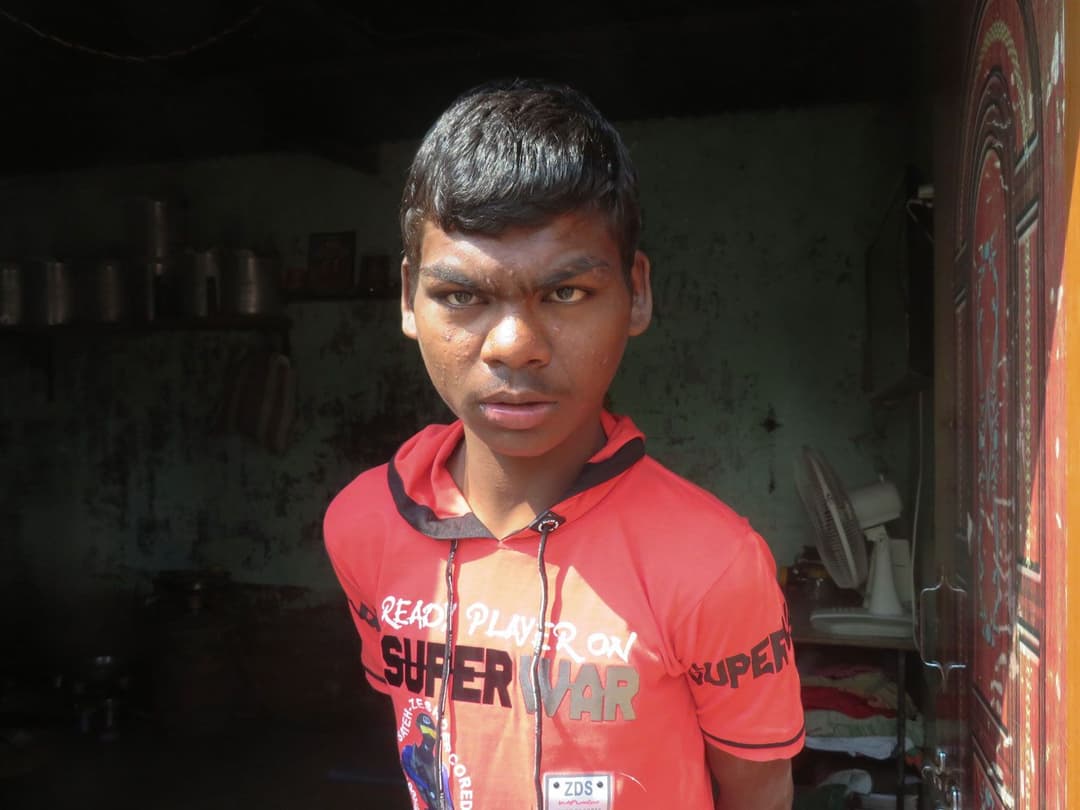
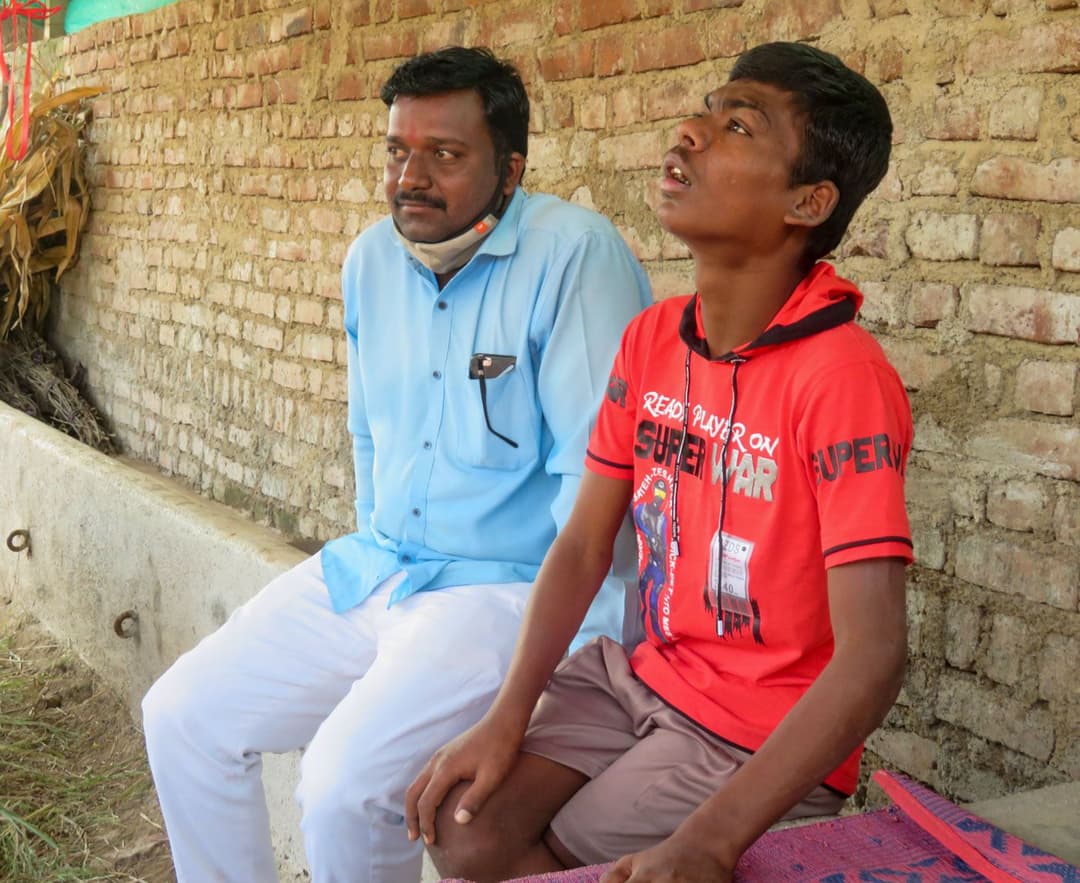
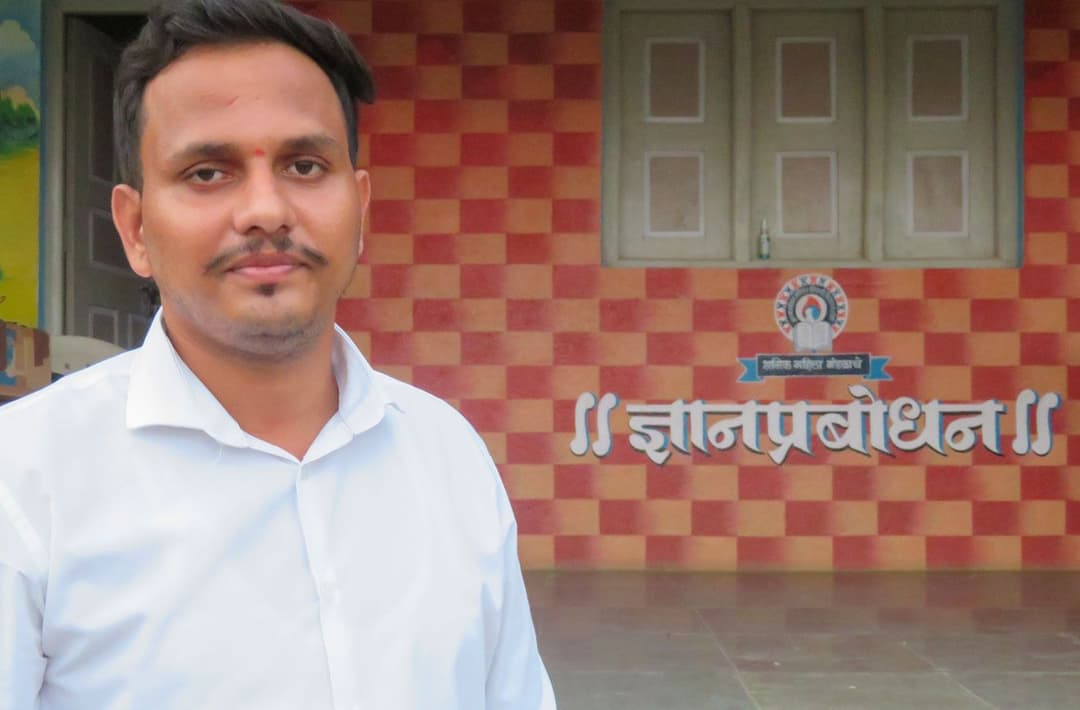
Prateek Raut’s teacher, Mohan Talekar, points at the numbers written on a slate and asks the 14-year-old if he recognises them. The latter keeps gazing at the slate; there is no sign of recognition on his face.
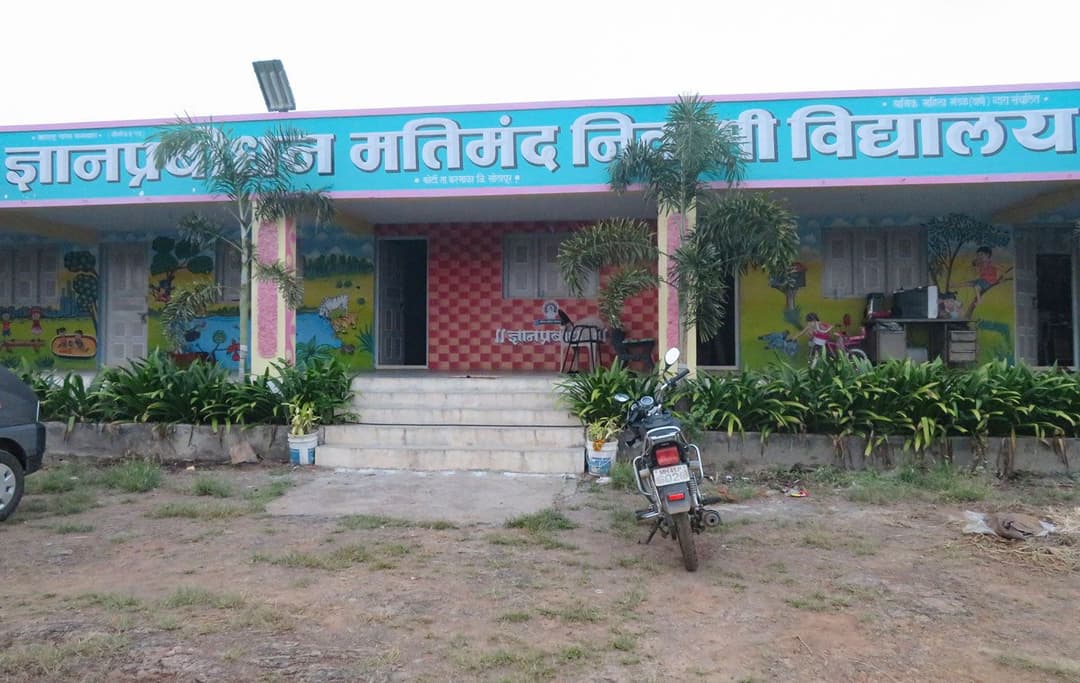
It’s June 15, 2022, and we are at Prateek’s school, Dnyanprabodhan Matimand Niwasi Vidyalaya, in Karmala taluka of Maharashtra’s Solapur district, where he is back after a gap of two years. Two very long years.
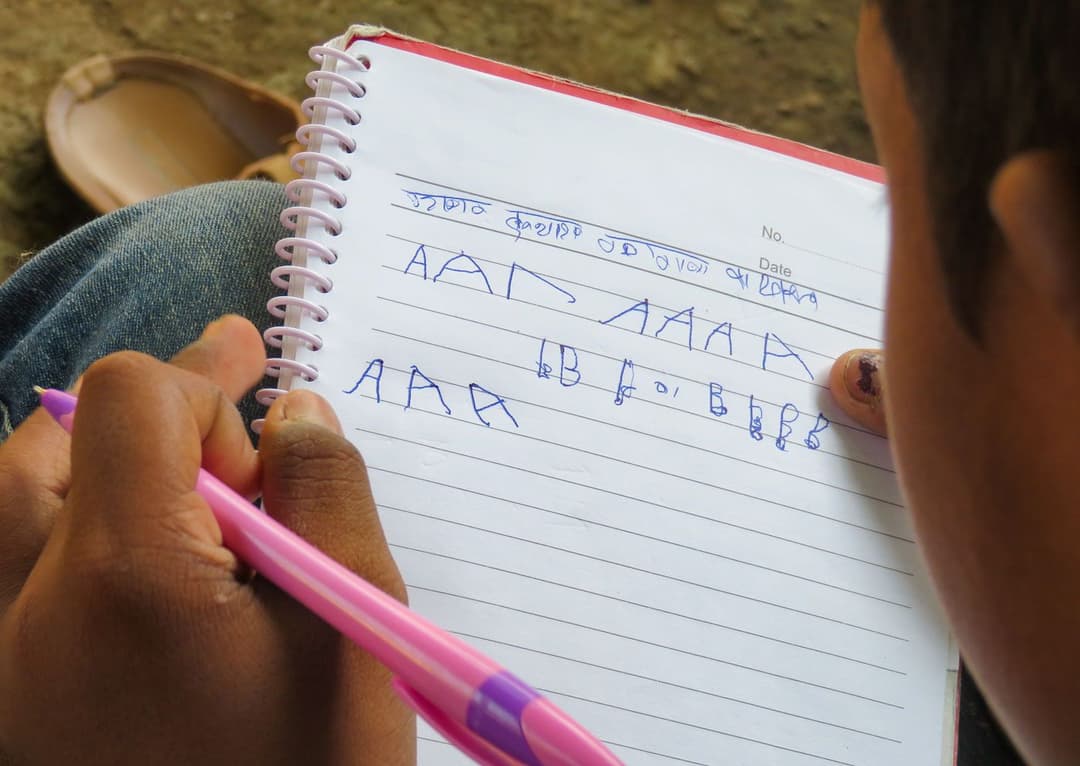
“Prateek can’t recall the numbers. Before the pandemic, he could do additions and write the entire Marathi and English alphabet,” says his teacher. “We need to teach him everything from the beginning now.”
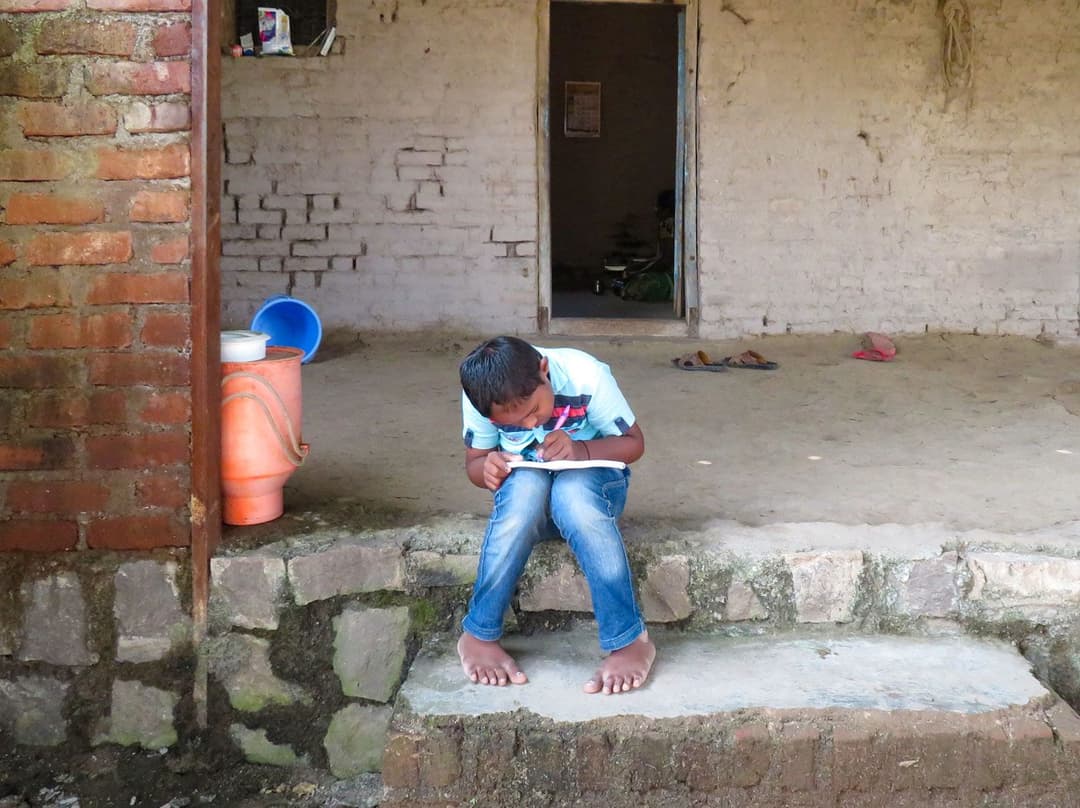
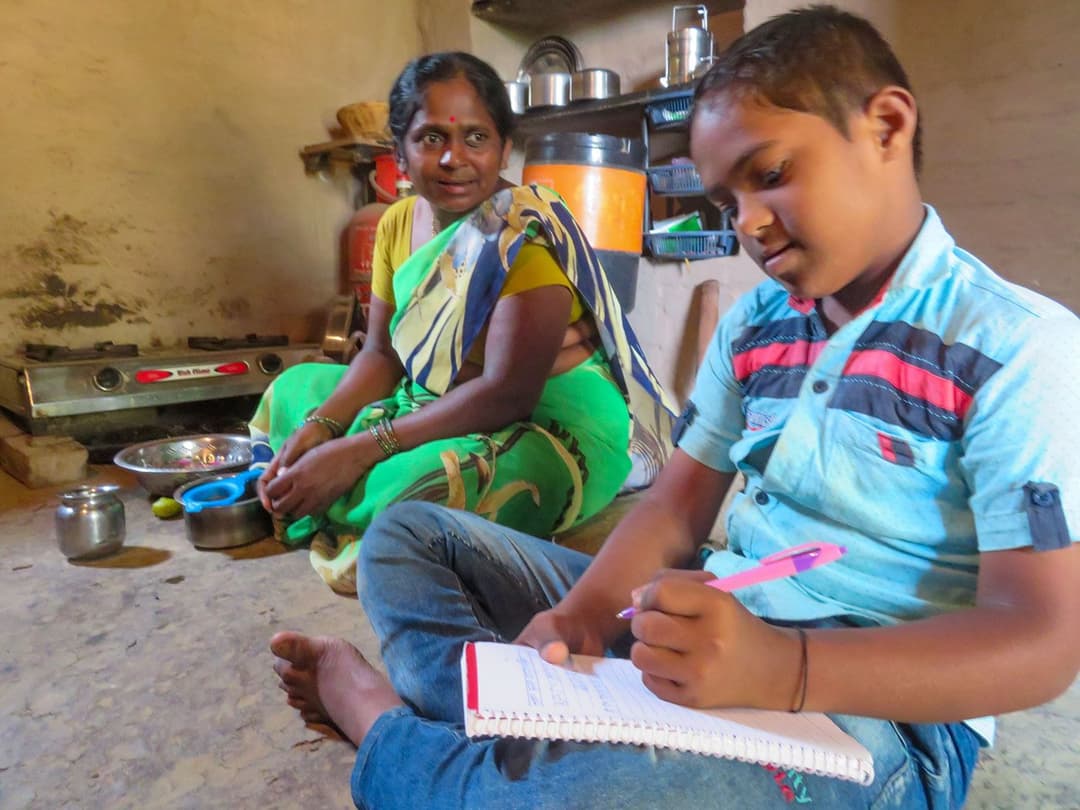
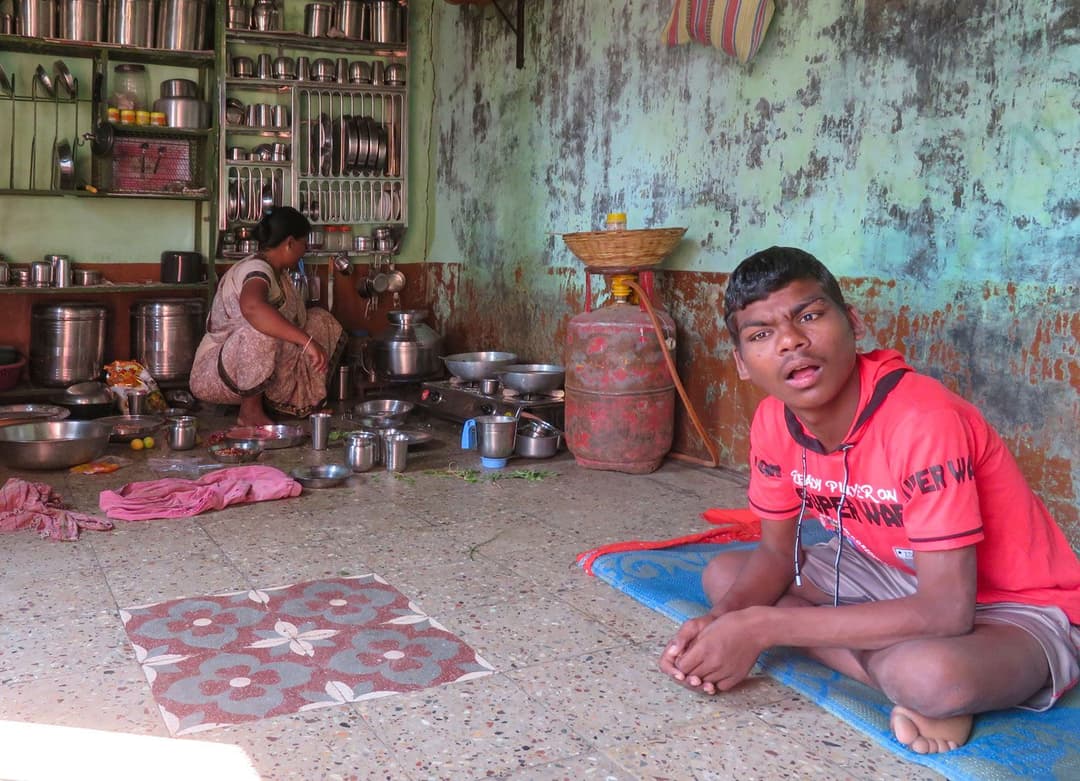
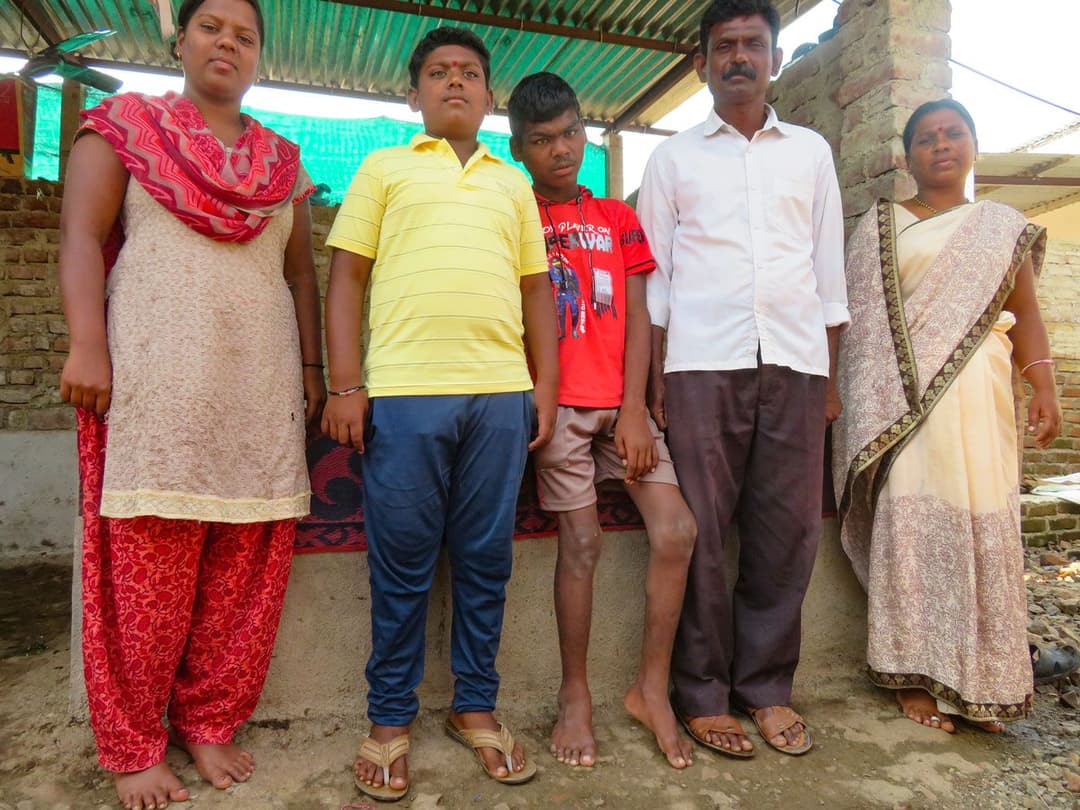
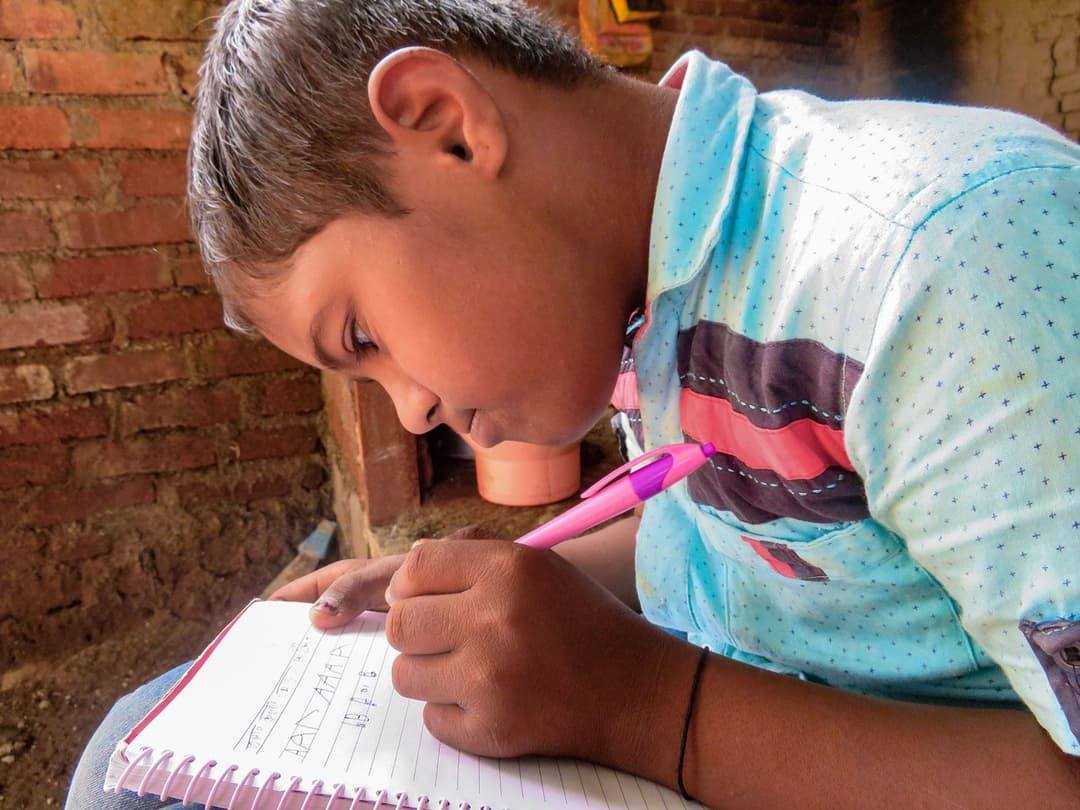
In October 2020, when this reporter visited Prateek at his home in Rashin village, in Ahmadnagar district, Prateek, then 13 years old, was still able to write some of the letters of the alphabet. By December 2020, however, he stopped writing.
Prateek started attending school in 2018. Over the next two years, with consistent practice, he learned to read and write numbers and words. In March 2020, just as he was on the verge of moving to advanced reading and writing, Covid-19 struck. He was one of 25 students with intellectual disabilities – all boys aged 6 to 18 – who were sent back to their families as their residential school stayed shut for two years.