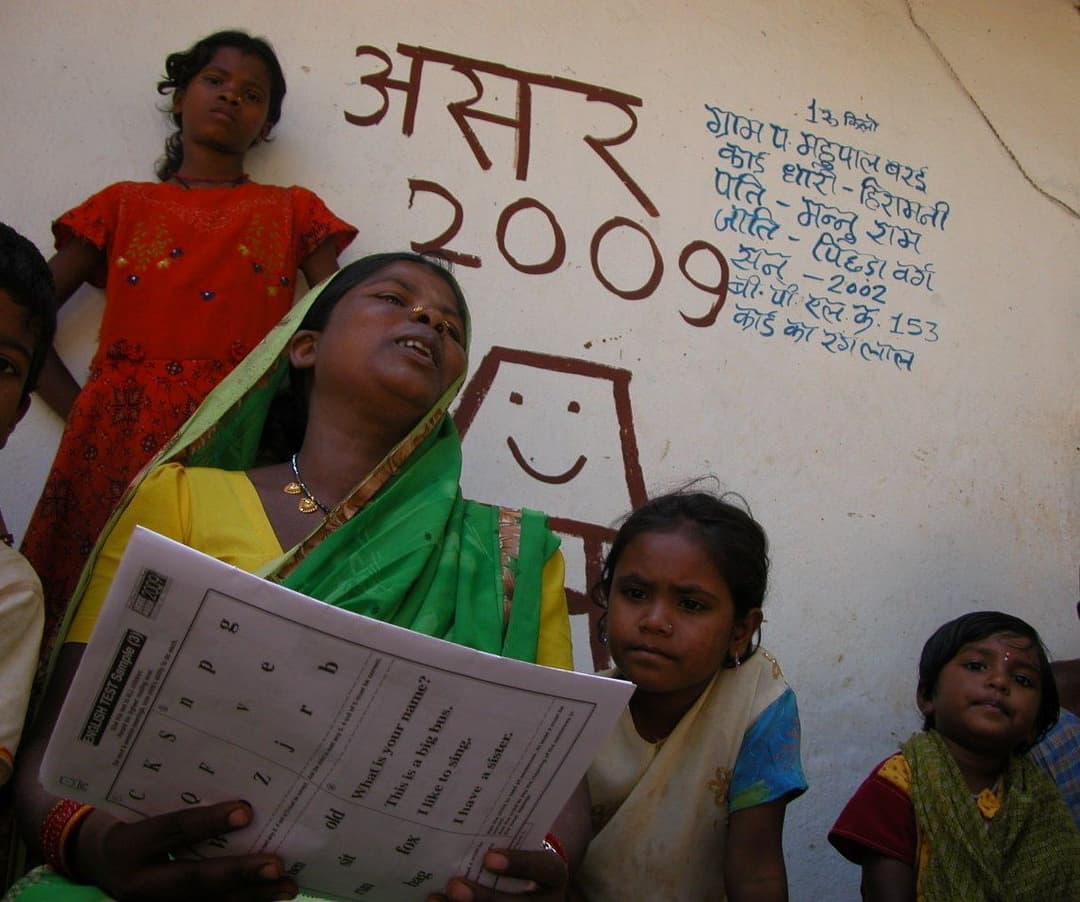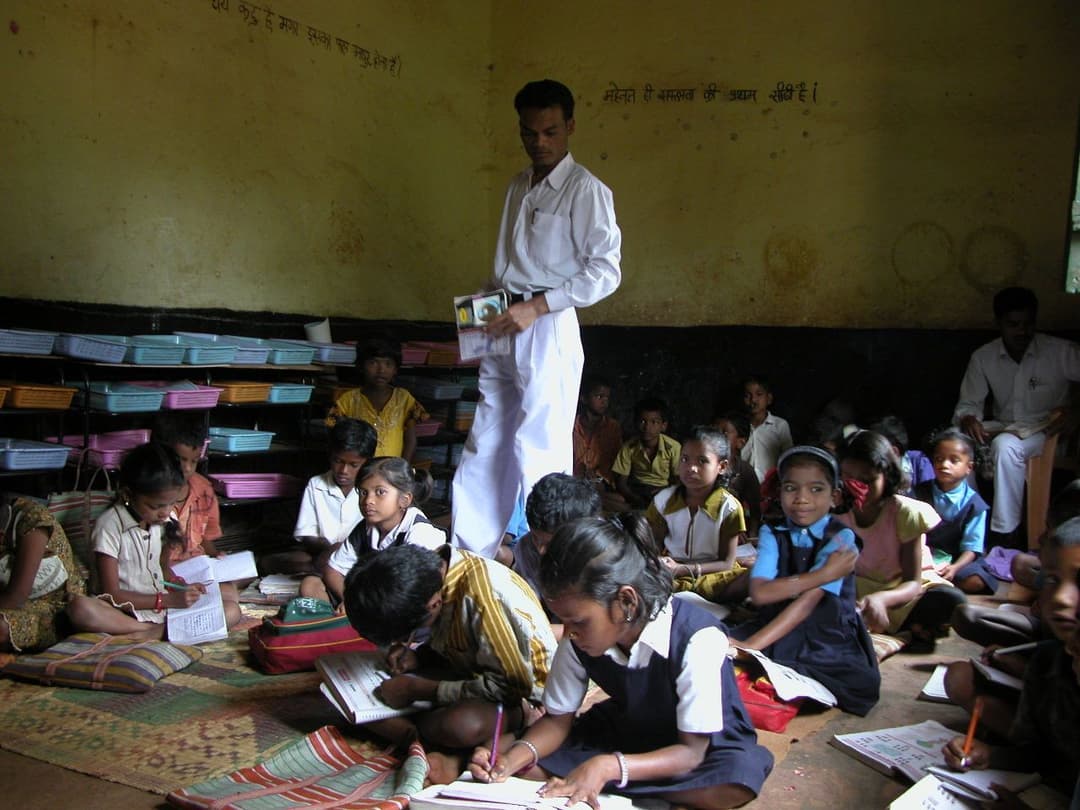

India has increased its school enrolment by 300 million children this decade, but what is the quality of education? Each year in January, a citizen’s report card (ASER, or Annual Status of Education Report ) is presented on what children are learning in schools – can they read and comprehend basic text, and do they understand numbers?
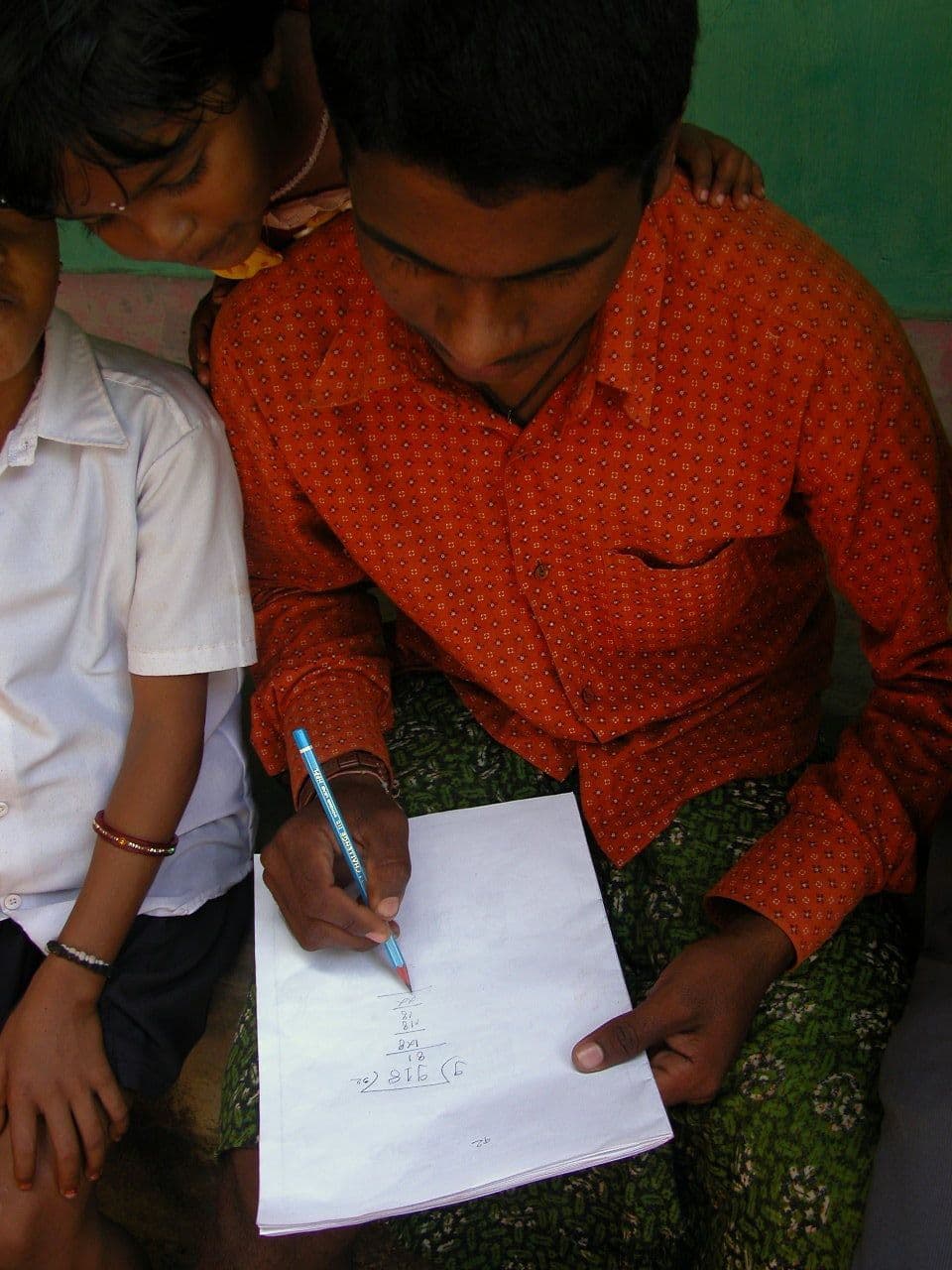
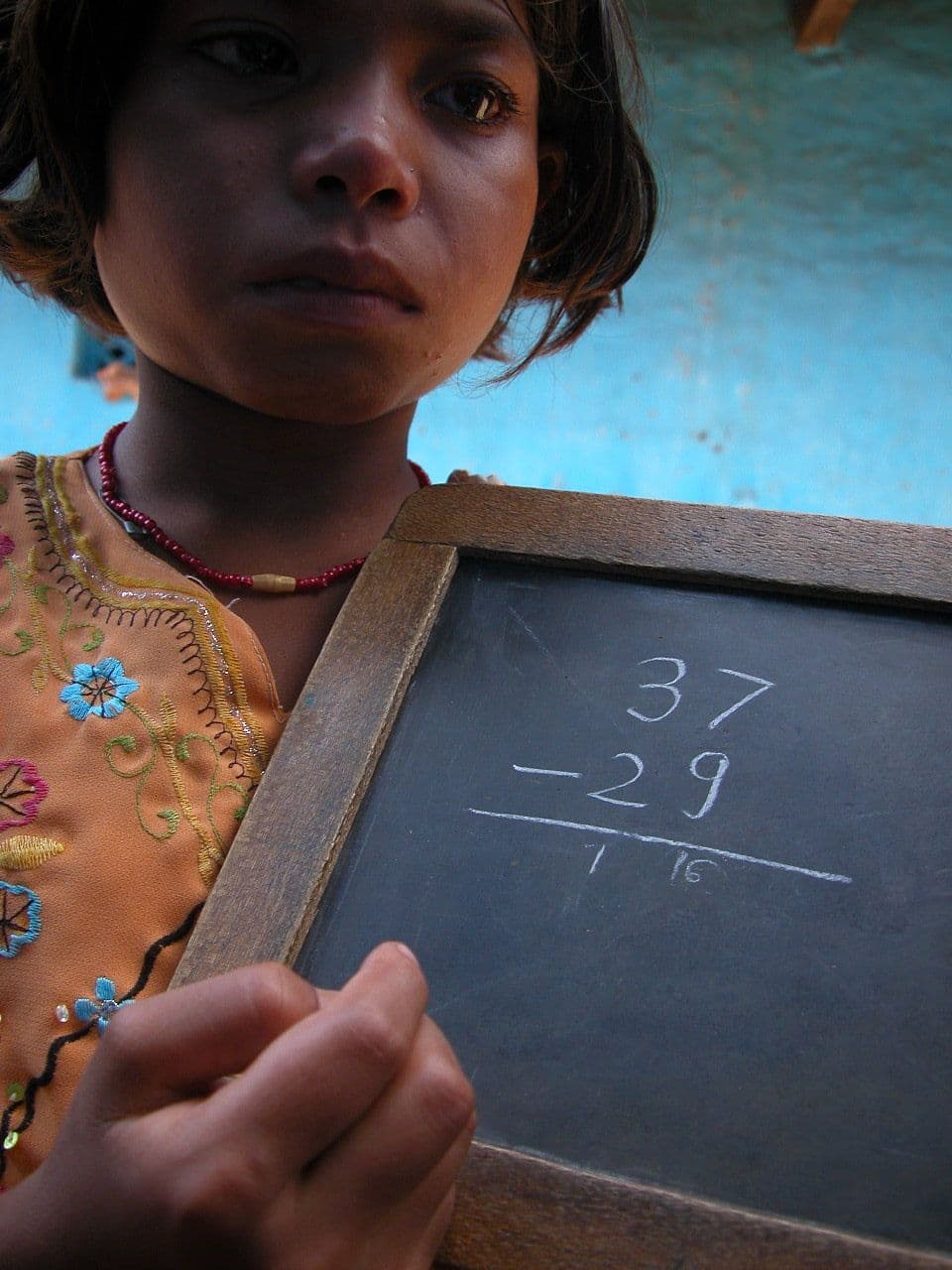
The report’s qualitative findings are a useful antidote to the government's bland statistics. ASER tests all school-going children for basic learning levels, seeing if they can read texts and solve numerical problems of Class 2. In 2008, for example, the survey found that 44 per cent of school children cannot solve Class 2 maths problems involving basic subtraction or division.
The three-month-long effort, spearheaded by the non-governmental organisation Pratham, brings together over 30,000 motivated volunteers – from students and scientists to investment bankers and pickle-makers – who fan out across India’s towns and villages to test children and look at school infrastructure. An estimated 7 lakh children in 3 lakh households are part of the exercise this year.