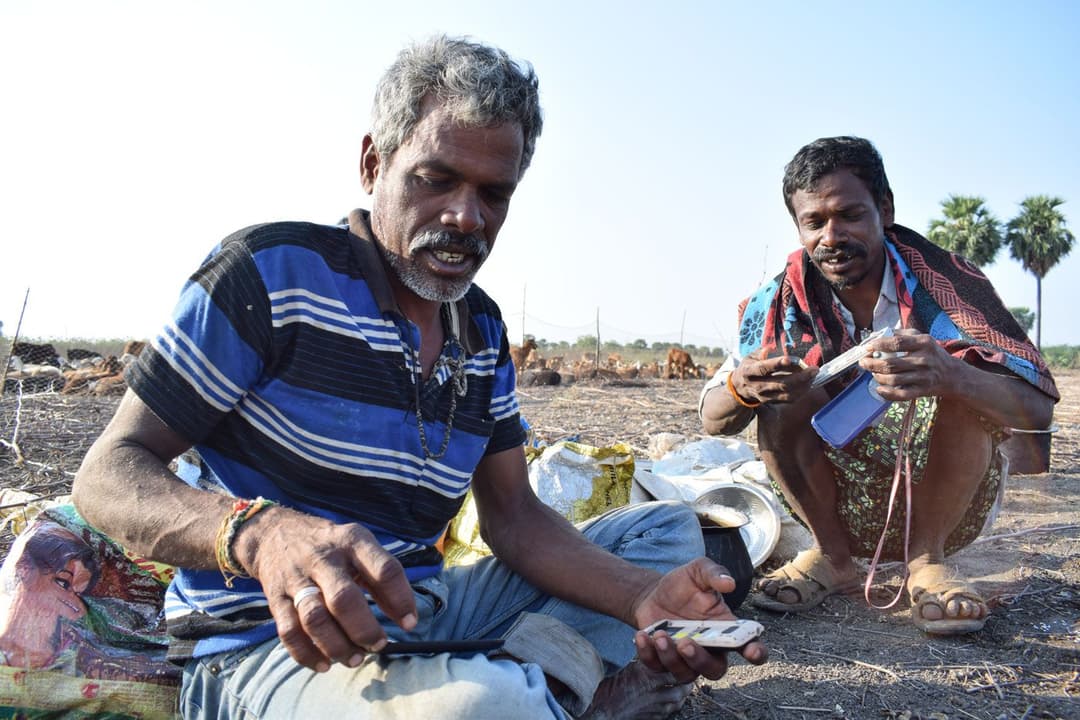


“How are you? What are you doing? How many days is this going to last?” Chenakonda Balasami asks his son on the phone. “Is it that extreme? Are police there at our place? Are people [agricultural labourers] going out for work?”
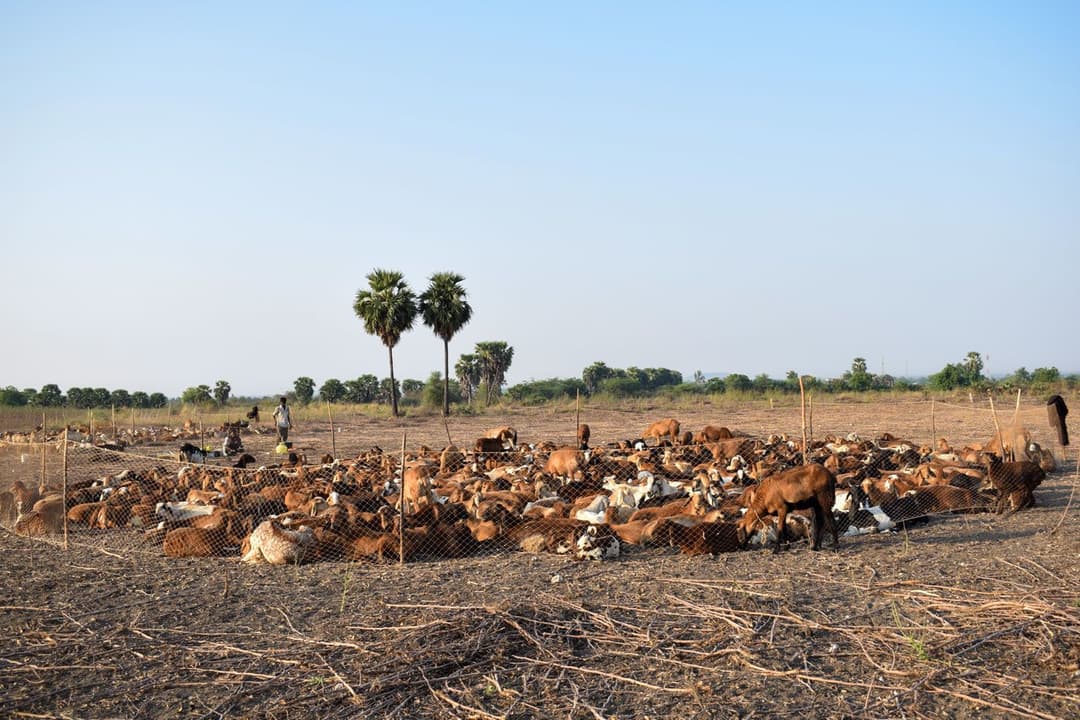
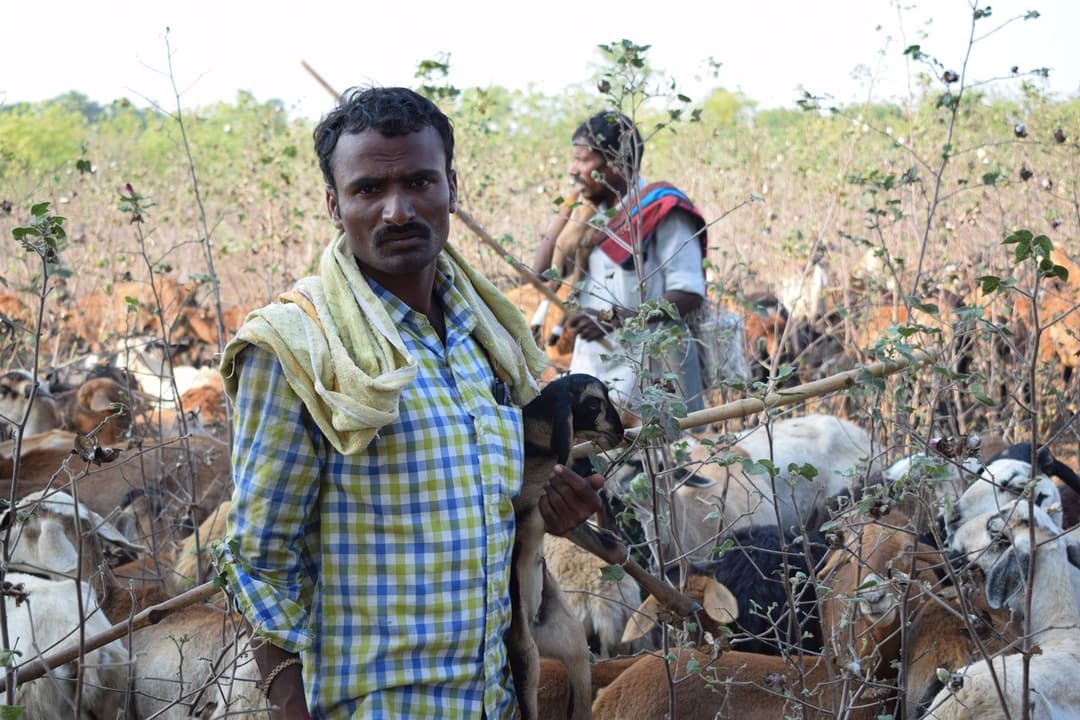
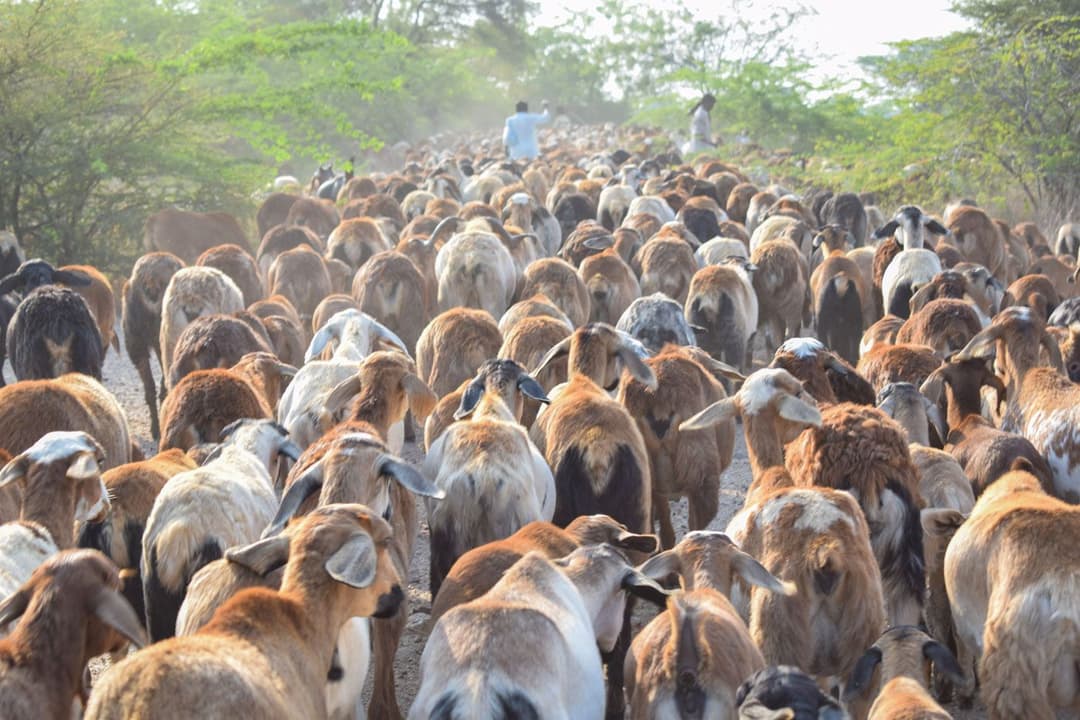
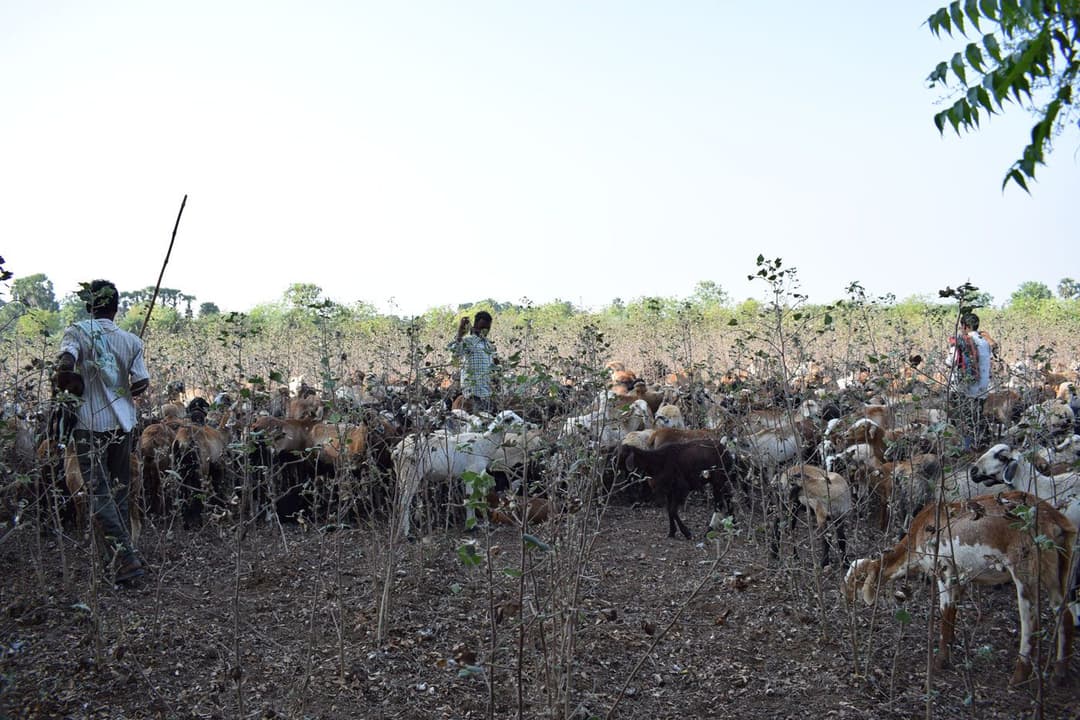
Balasami left his village Kethepalle, in Telangana’s Wanaparthy district in November, after Diwali, along with four other herdsmen. He is the caretaker of roughly 1,000 goats and sheep (he does not own any himself), and has been travelling ever since in search of fodder for the animals.
He and the other herders – all from the Yadava community of pastoralists, listed as OBC in Telangana – had reached Koppole village, some 160 kilometers from Kethepalle on March 23, two days before the country went into a lockdown to counter the spread of Covid-19.
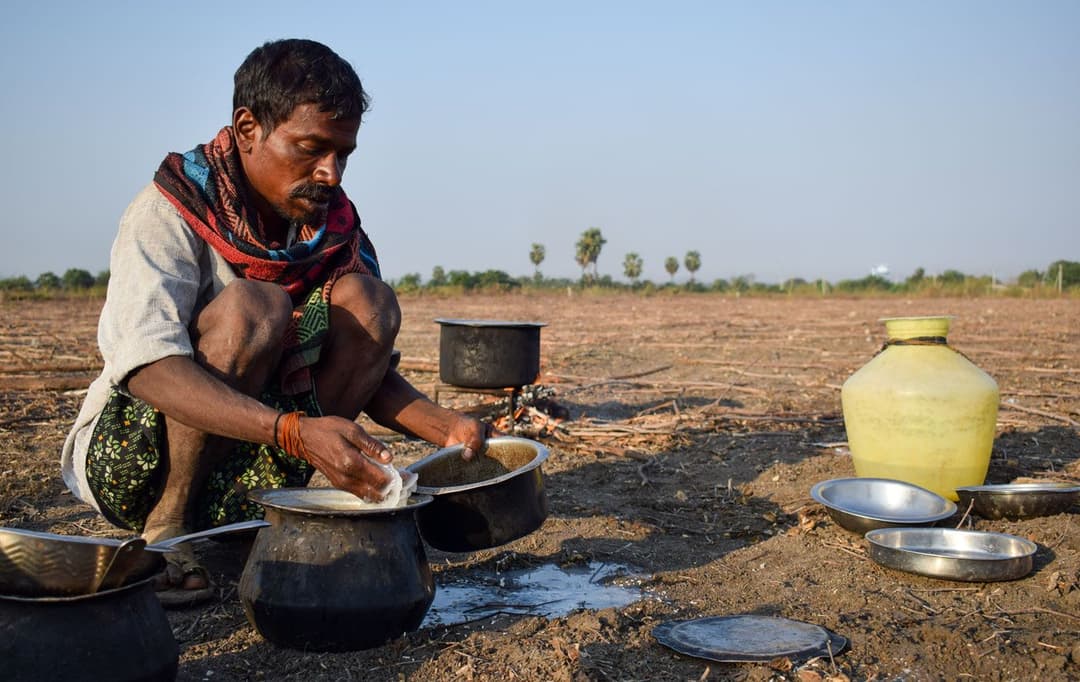
In Koppole, a village in Gurrumpode mandal of Nalgonda district, after the lockdown, it has been difficult for them to buy rice, dal, vegetables, oil and other provisions that they typically do in small quantities every few days.
With the suspension of public transport services and uncertainty about the lockdown, the herders are finding it difficult – it’s almost impossible, they say – to purchase medicines for the livestock, to occasionally visit their own villages and families (as they usually do), recharge mobiles and find new grazing grounds for the flock.