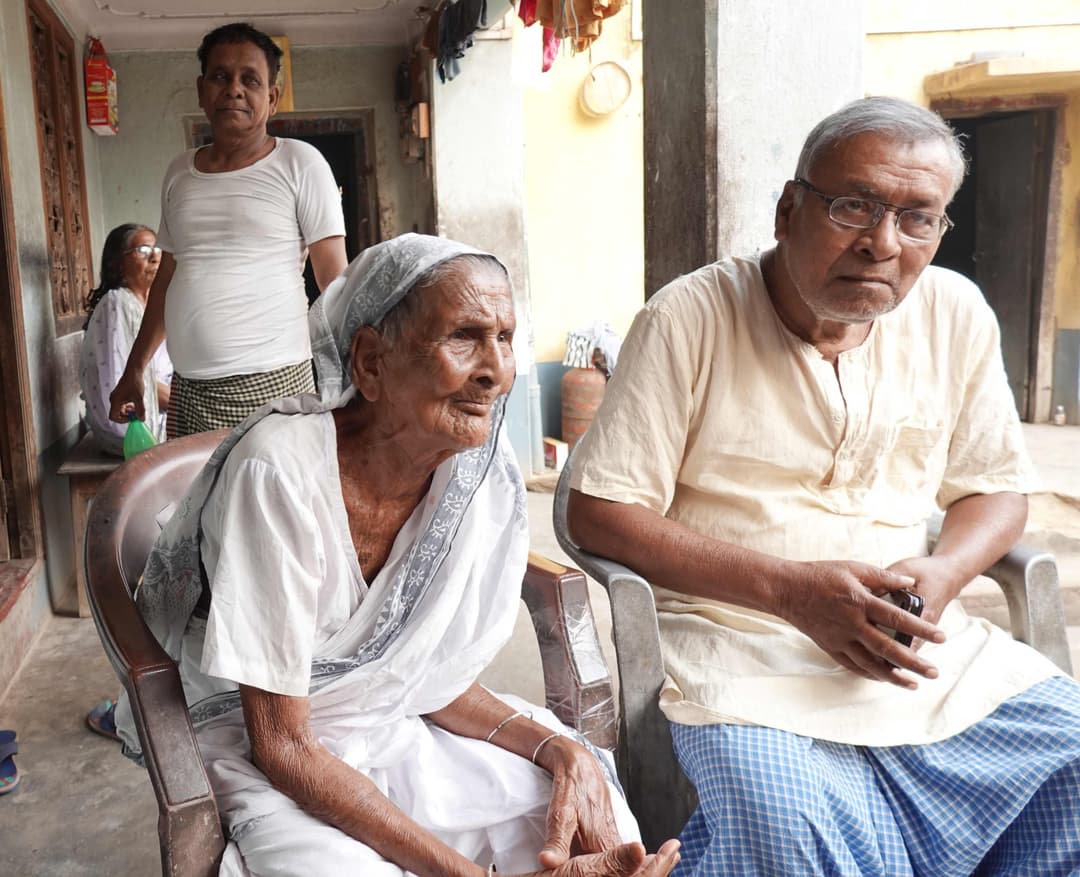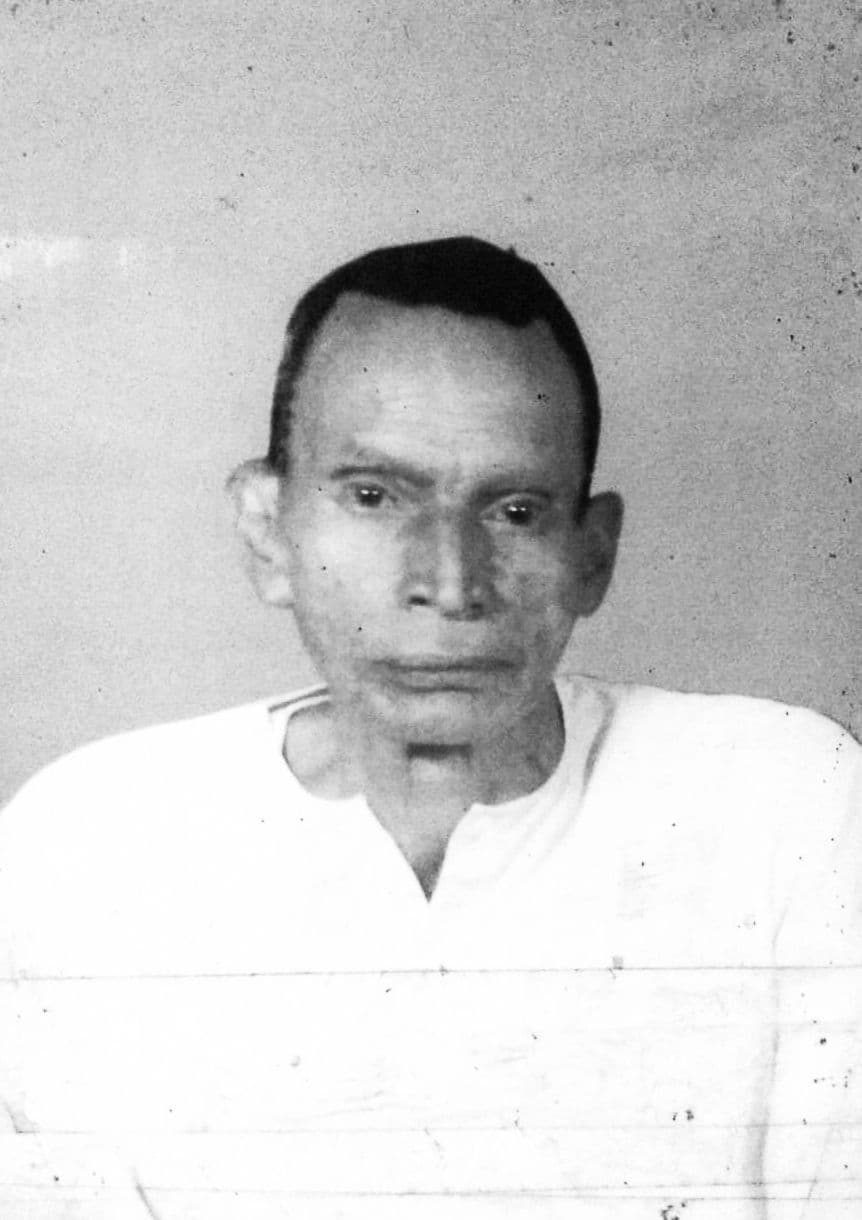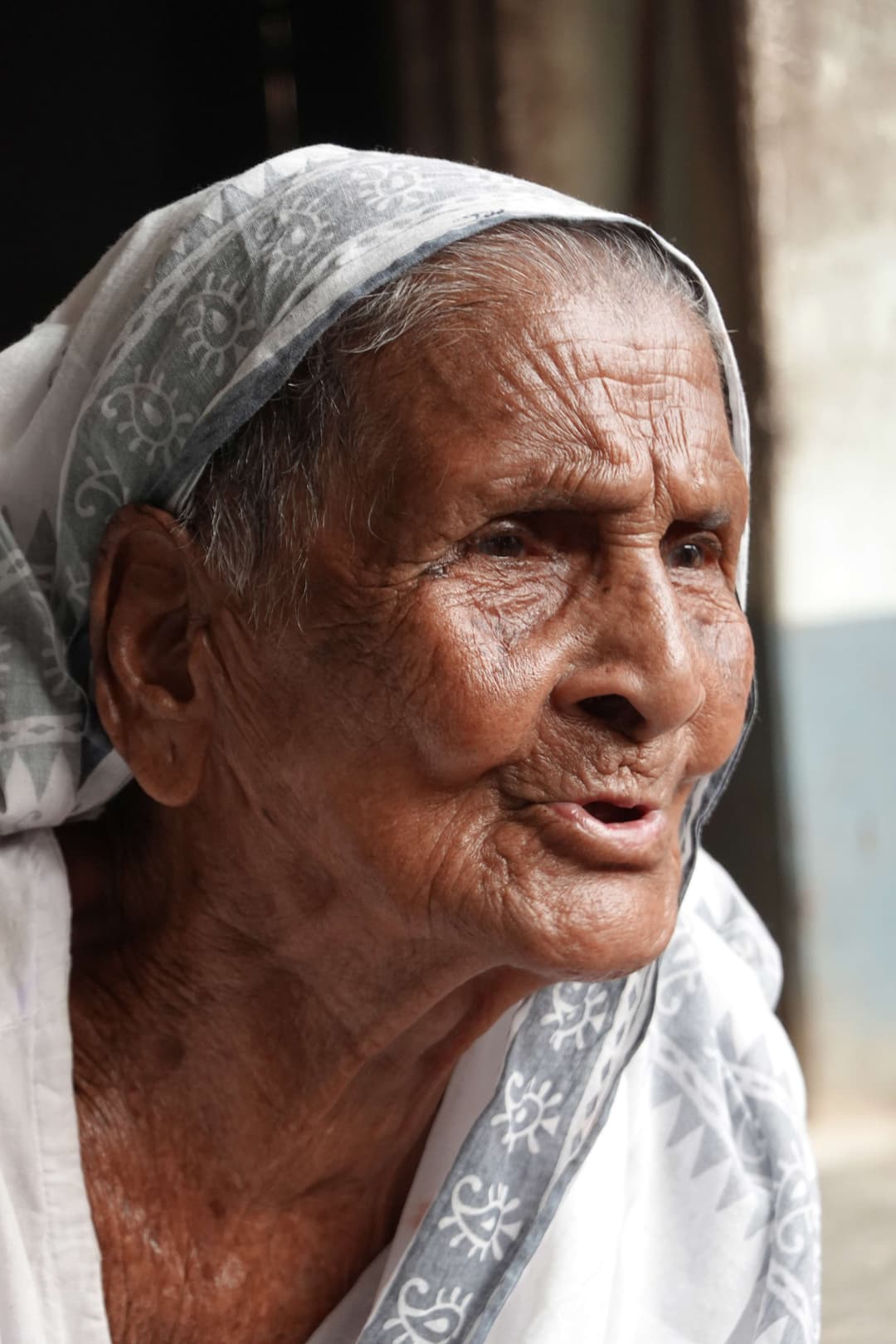

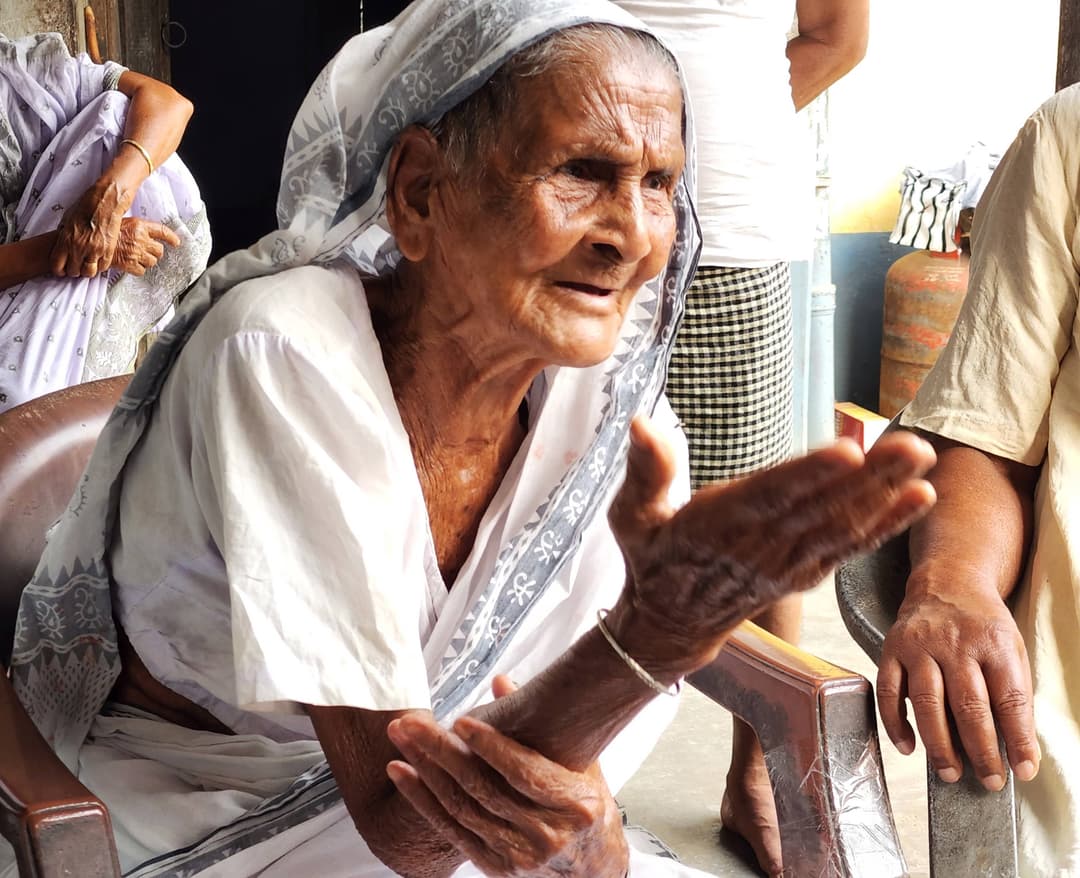
“It must have been very hard for you when your husband Baidyanath was jailed for 13 months in the Quit India movement?” I ask Bhabani Mahato in Puruliya. “Running such a large joint family and…”
“It was much worse when he came back home,” she says calmly but firmly. “It meant he would keep bringing his friends,or I had to cook for them and they would pick up the food. Sometimes 5, 10, 20 or more people. I never had a moment’s rest.”
“But surely, your association with the Quit India stir…”
“What did I have to do with that, or anything like that?” she asks. “I had nothing to do with the struggle, my husband Baidyanath Mahato did. I was just too busy looking after a big family, all those people, how much cooking I had to do – every day the cooking increased!” says Bhabani. “Remember, I also ran the farm.”
We are crestfallen. The disappointment likely showing on our faces. We had come quite a distance to this remote part of West Bengal in search of still-living freedom fighters. And here was this great candidate for that role, in Chepua village of Manbazar I block, disavowing any connection with the historic struggle that brought India its Independence.
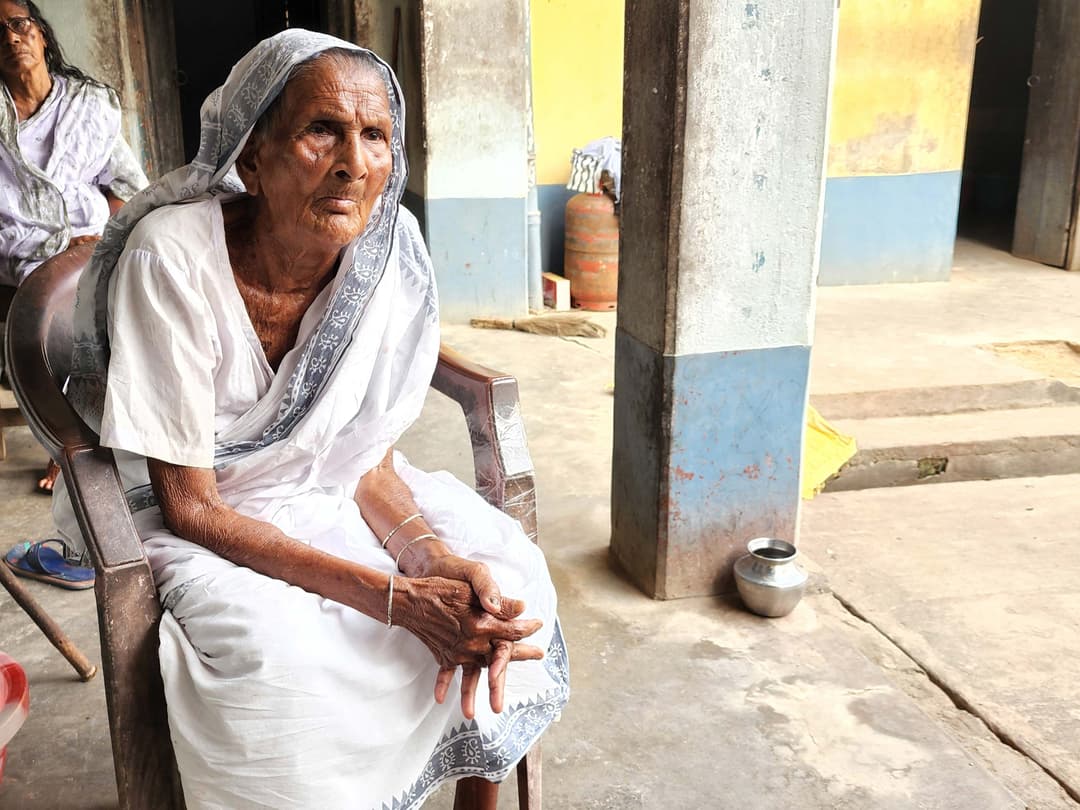
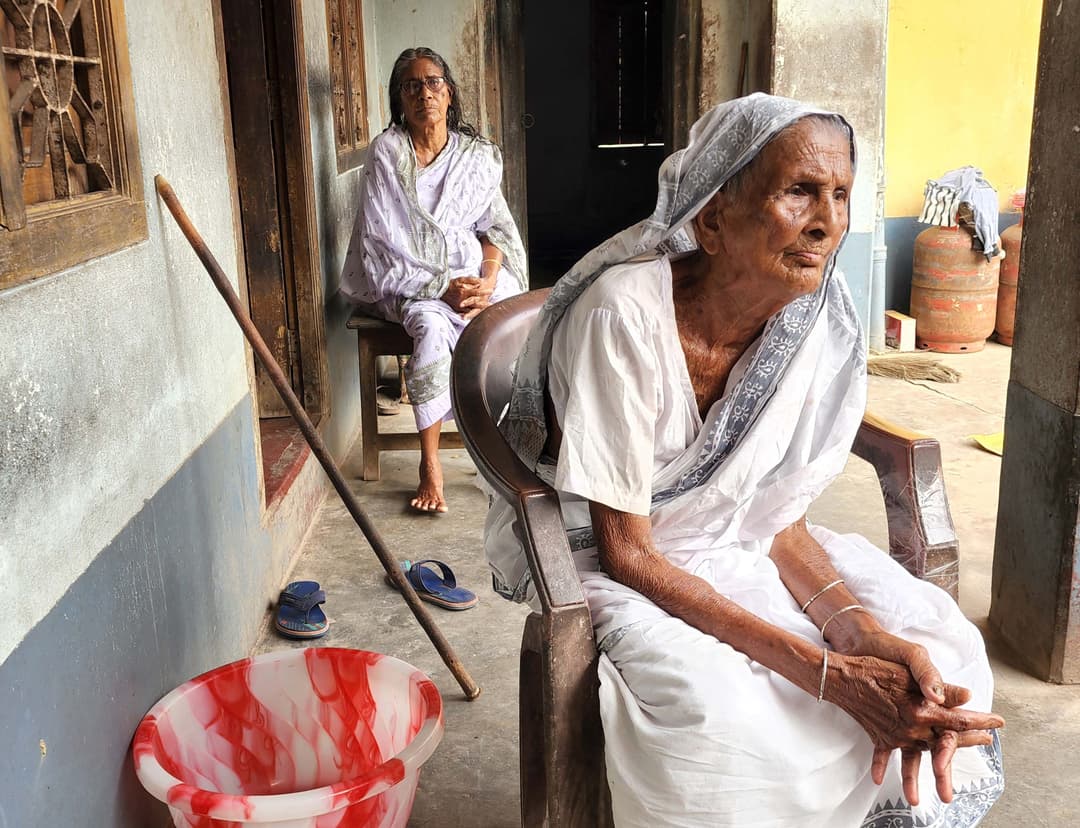
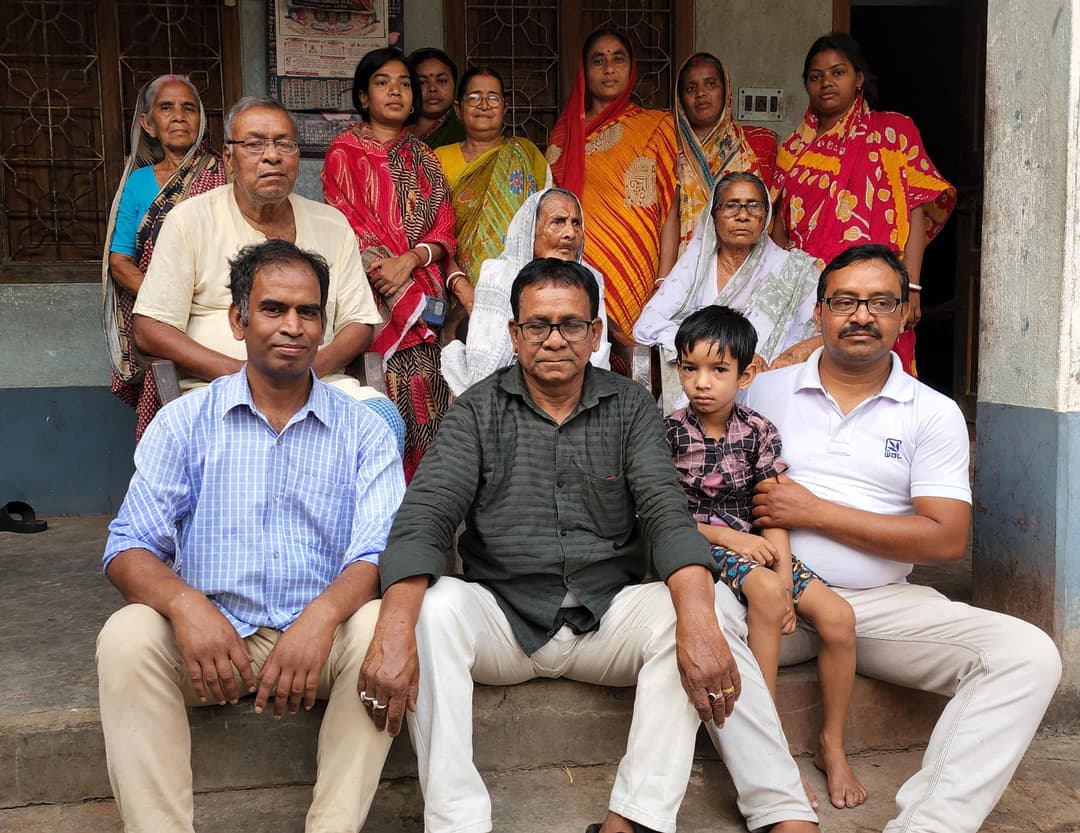
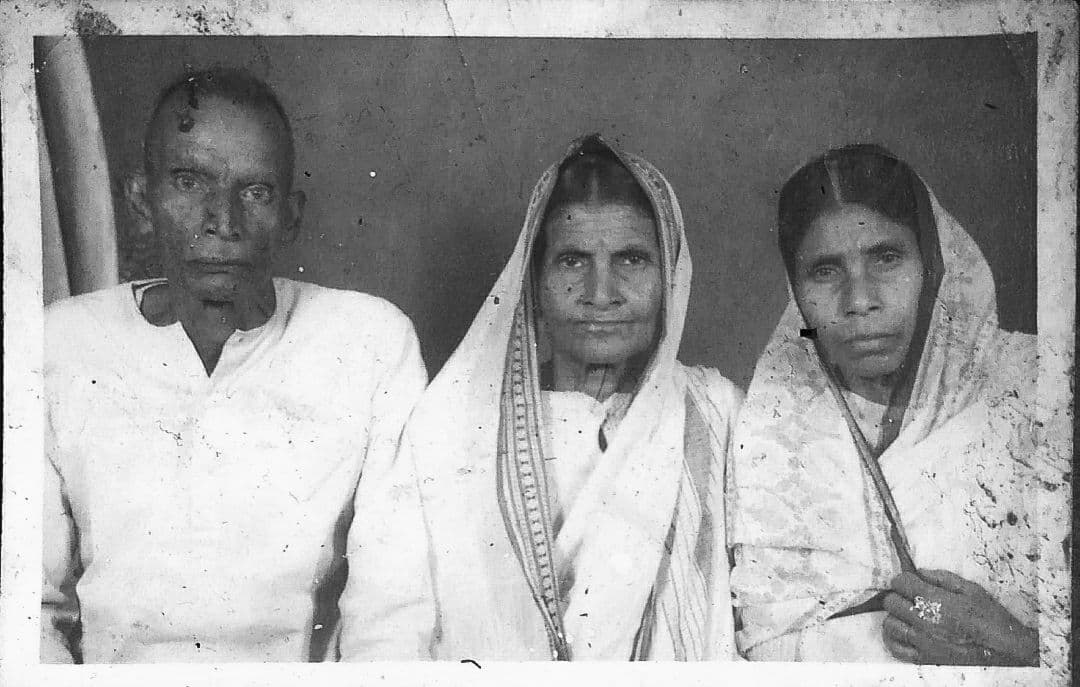
Bhabani Mahato speaks with great clarity and decisiveness for one who is anywhere between 101 and 104 years old. Documenting the age of poor people in remote rural regions is tricky at the best of times. A century ago, when she was born, it was mostly non-existent. But we do arrive at that estimate of Bhabani’s age. Via her late husband’s records, and from members of her large family including a son in his 70s. And from her slightly younger contemporaries in the few villages we are visiting in Puruliya (also spelt as Purulia).
This is at any rate, a more reliable reckoning than the arbitrary ages handed out to people of her generation by the dysfunctional Aadhaar card system here. There, Bhabani has been assigned a birth year of 1925. That would make her 97.
Her family says she is 104 years old.