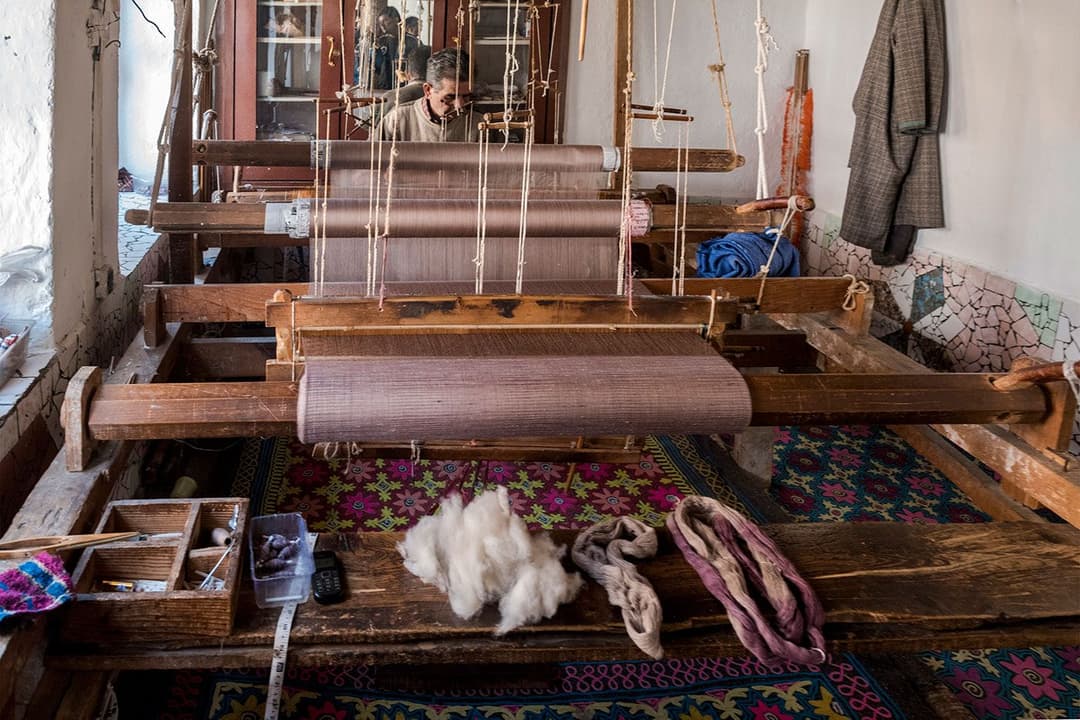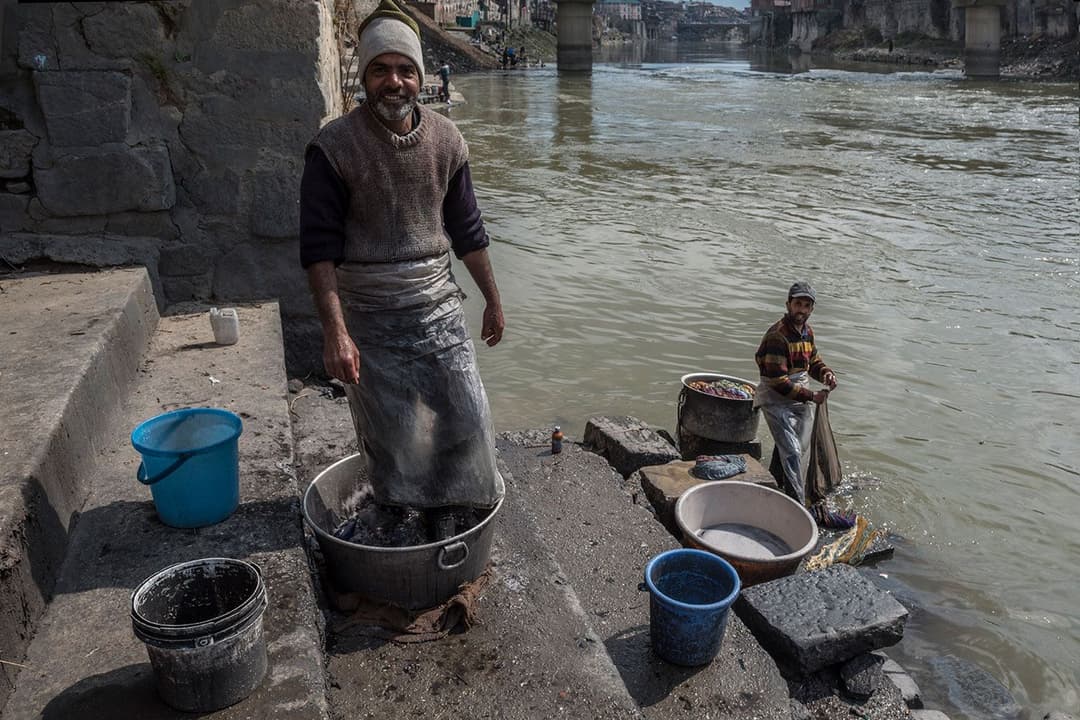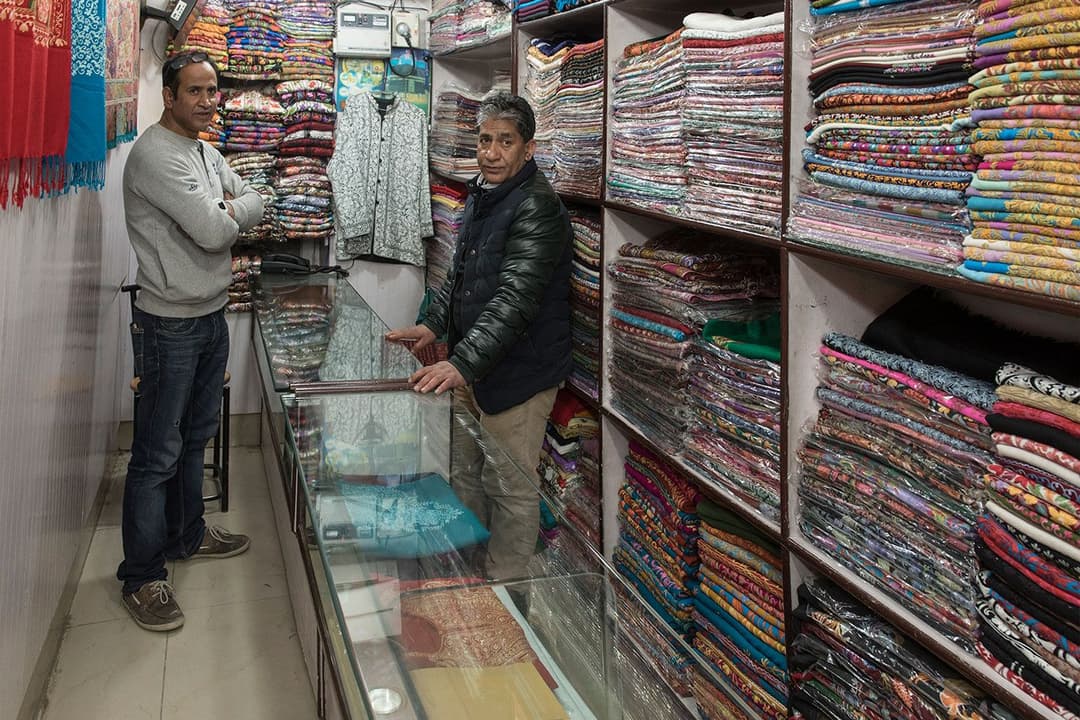

“It was all different a few years back,” said Niaz Ahmed, at his shop in Srinagar’s Lal Chowk. The demand for pashmina shawls was robust, and Niaz and other shop-owners could make a profit by selling the shawls across India as well as abroad.
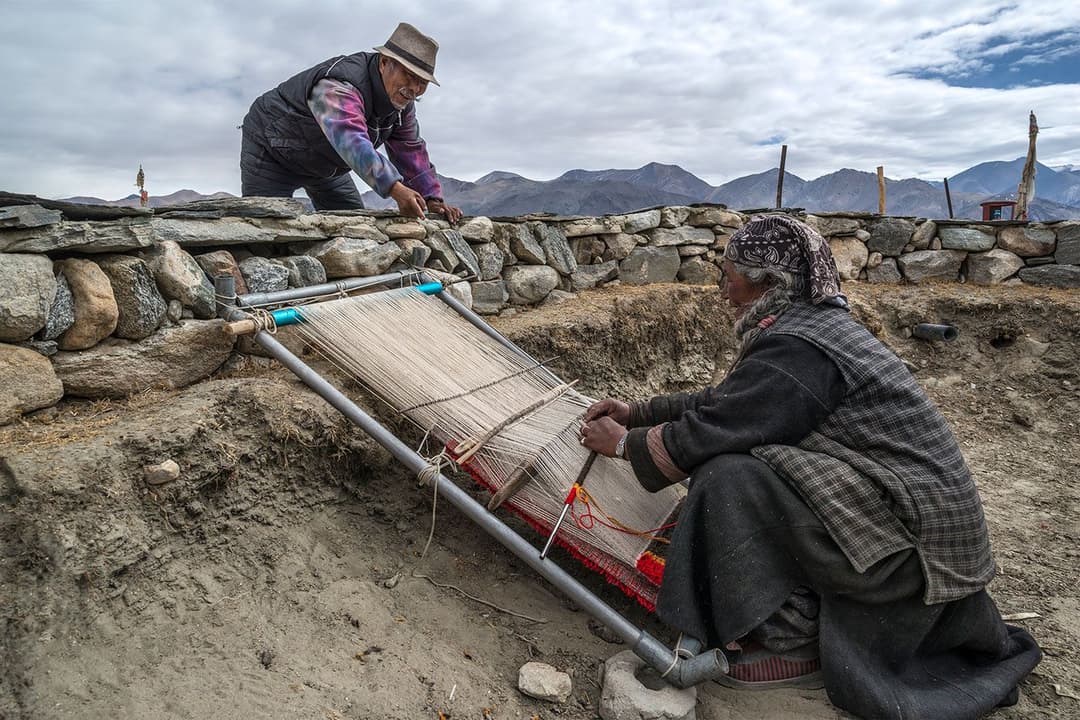
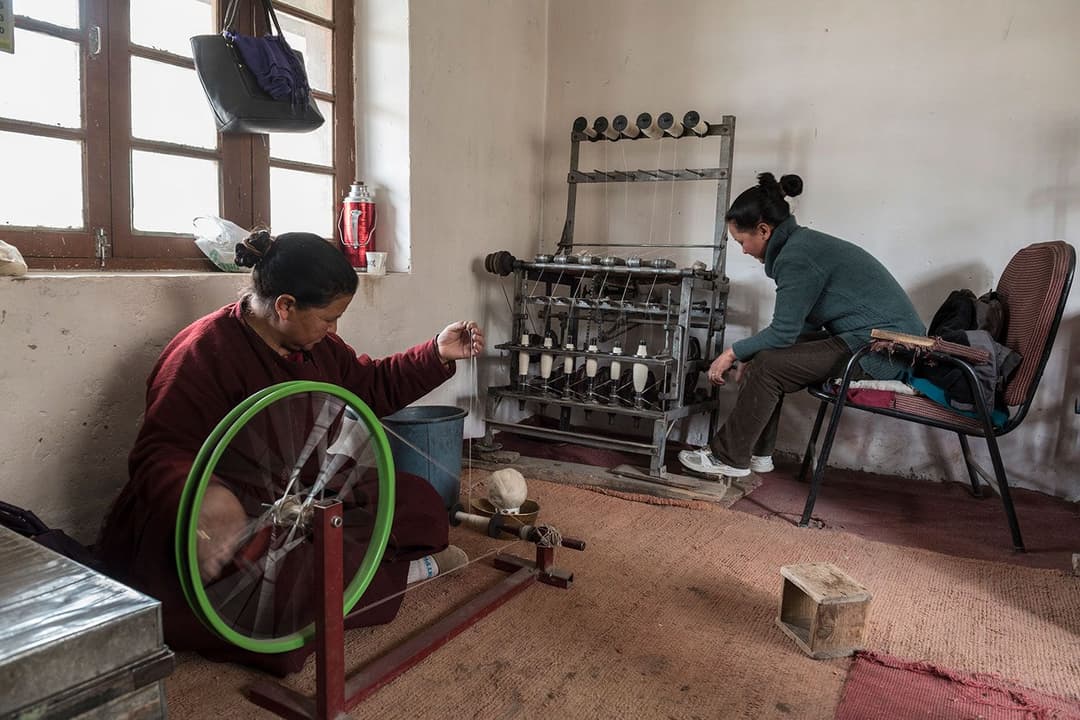
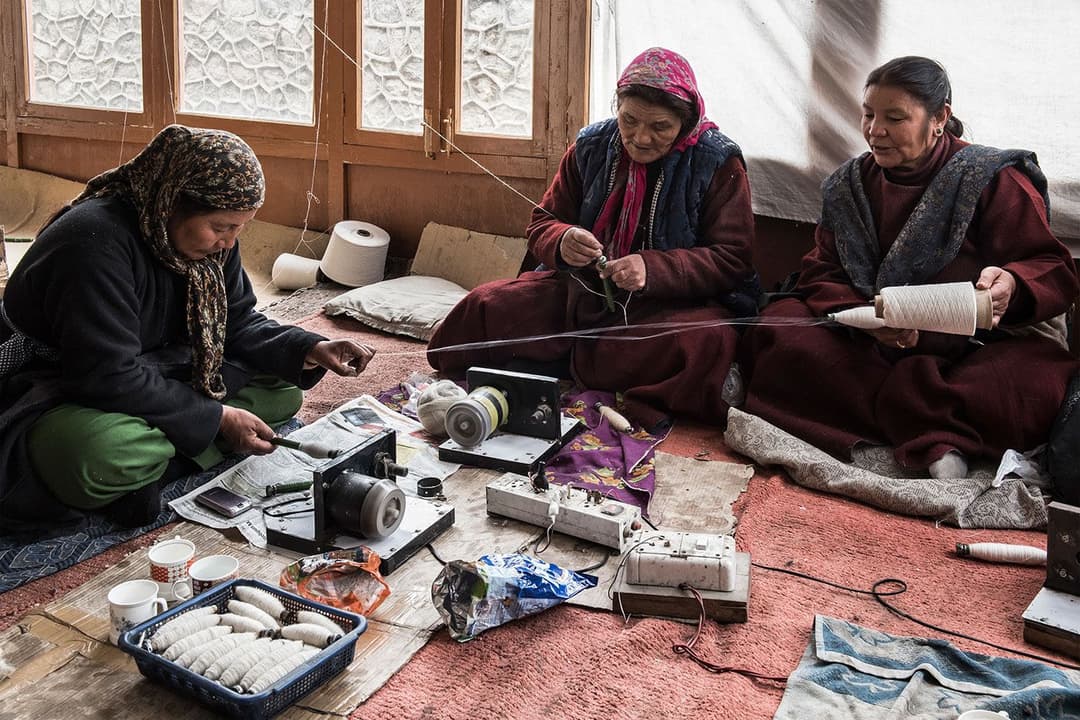
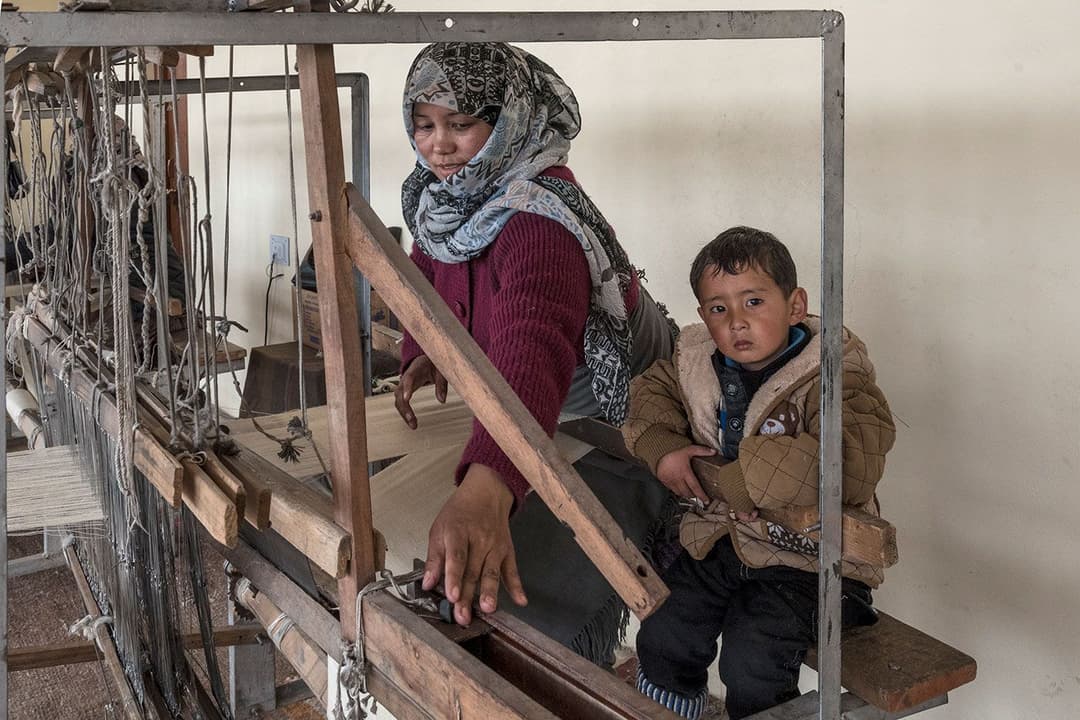
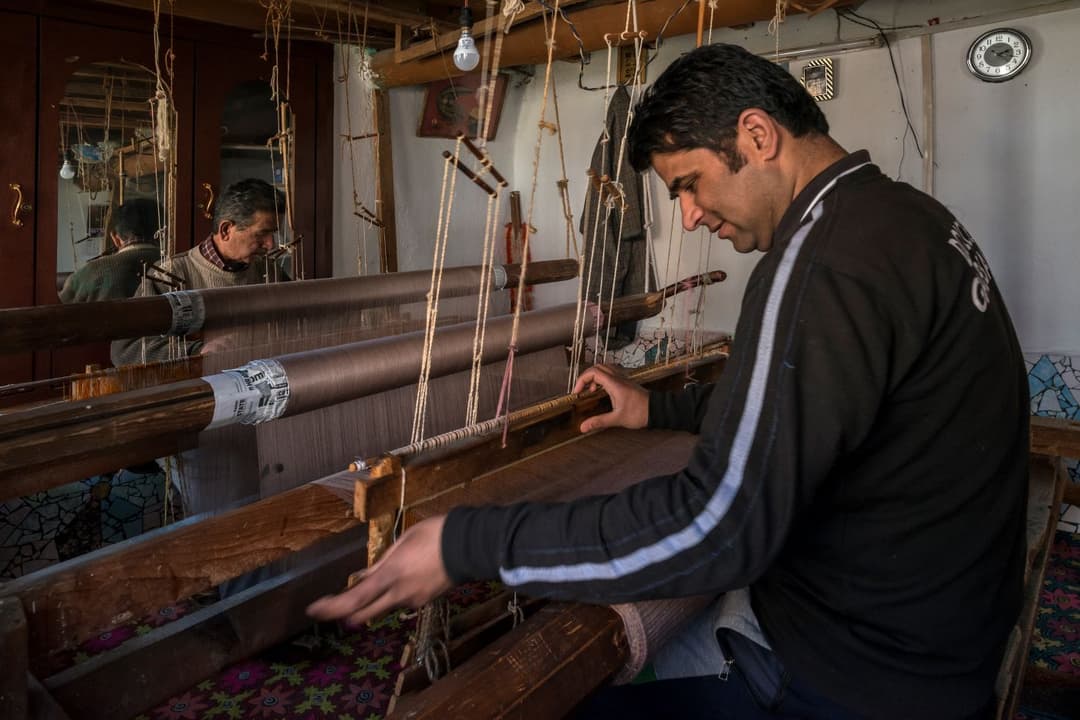
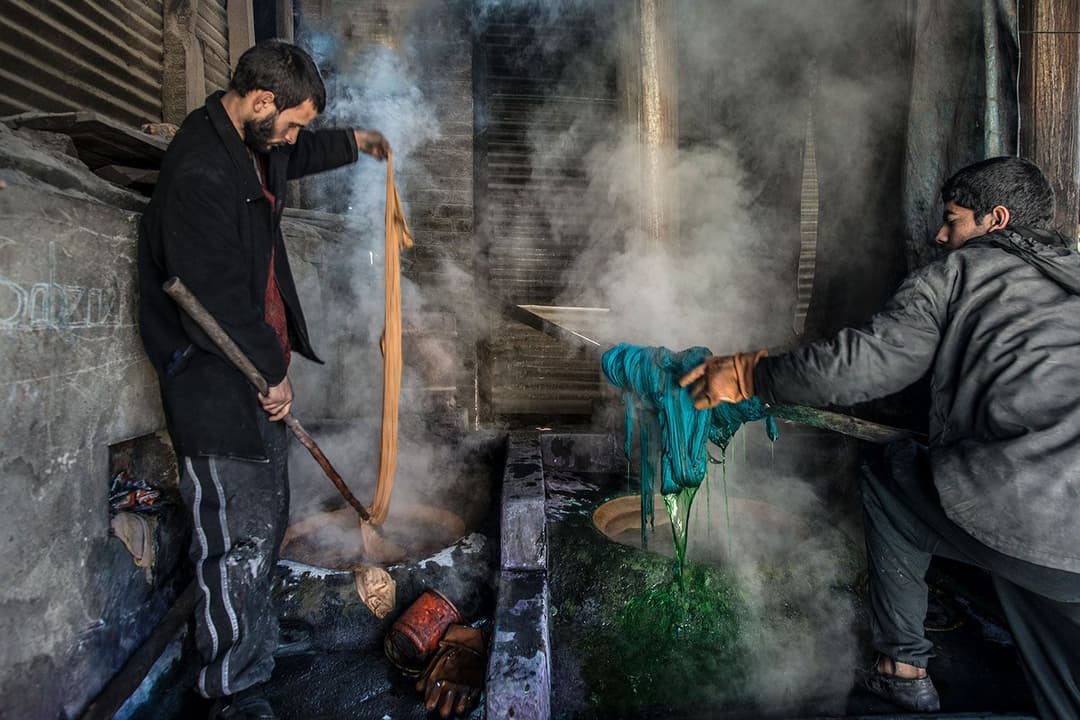
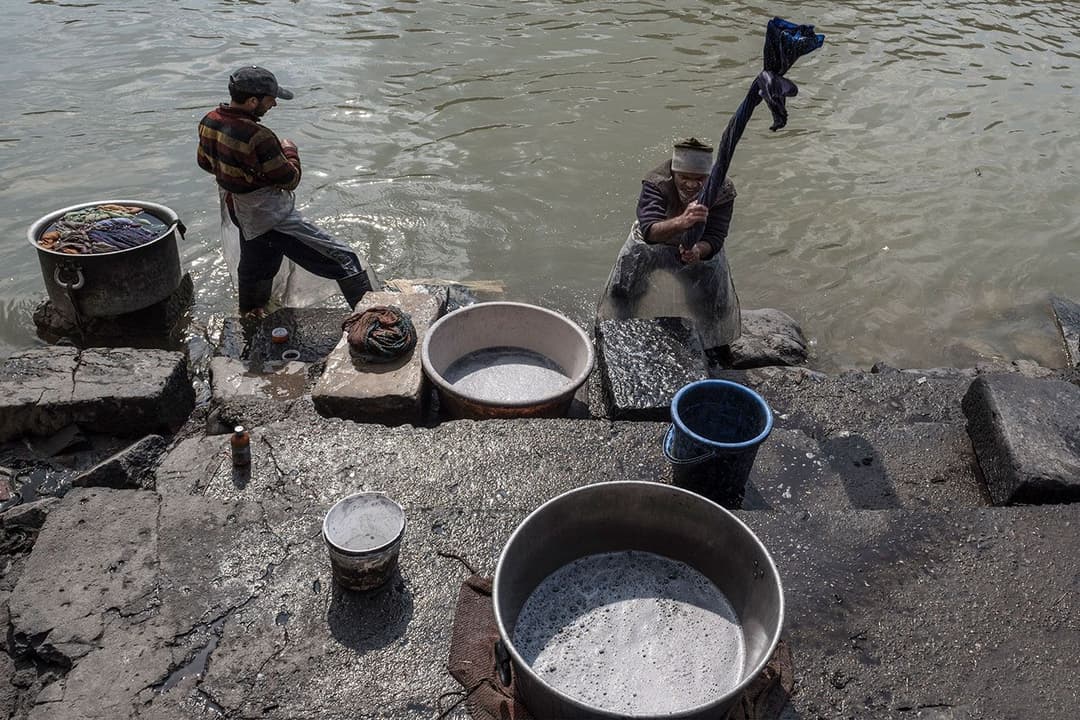
That was in February 2016, when I started to trace the pashmina shawl from the Changthangi goats to the retail stores; I am interested in the history of ancient Indian trade routes that connected India and Central Asia. Pashmina and silk were prized commodities on this route.
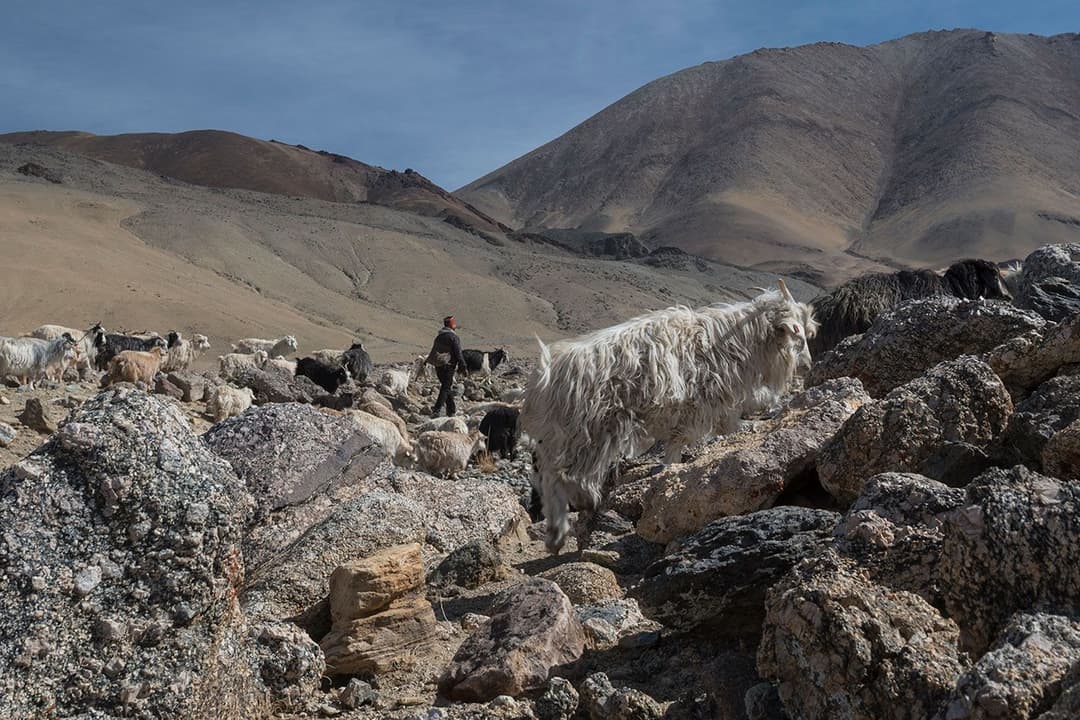
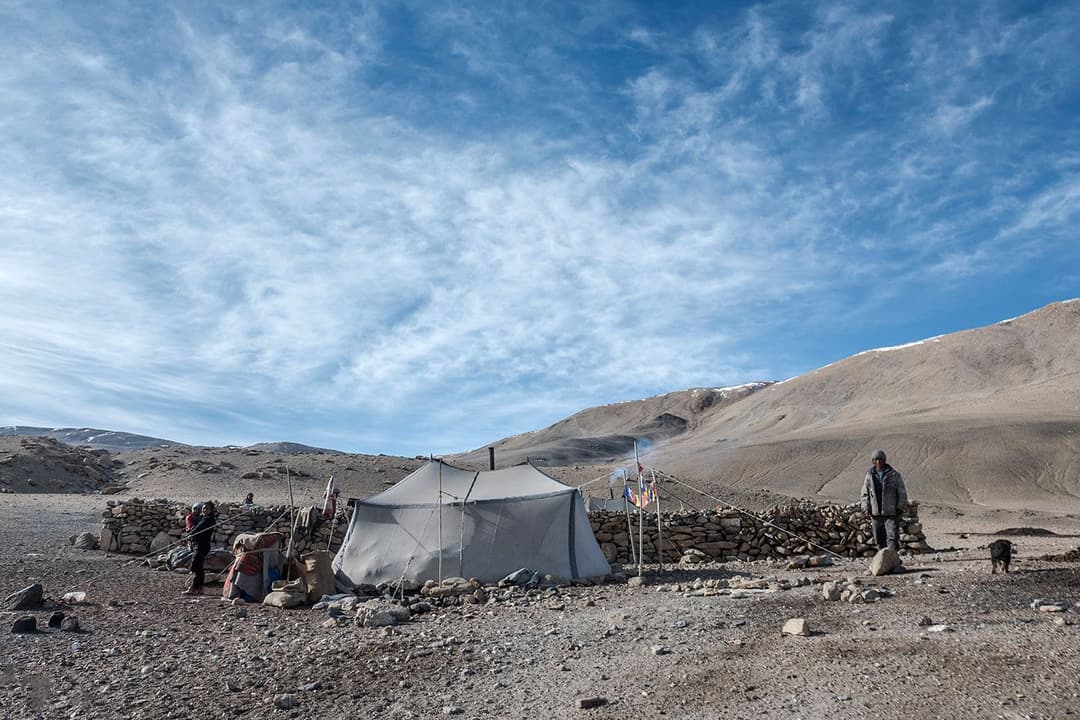
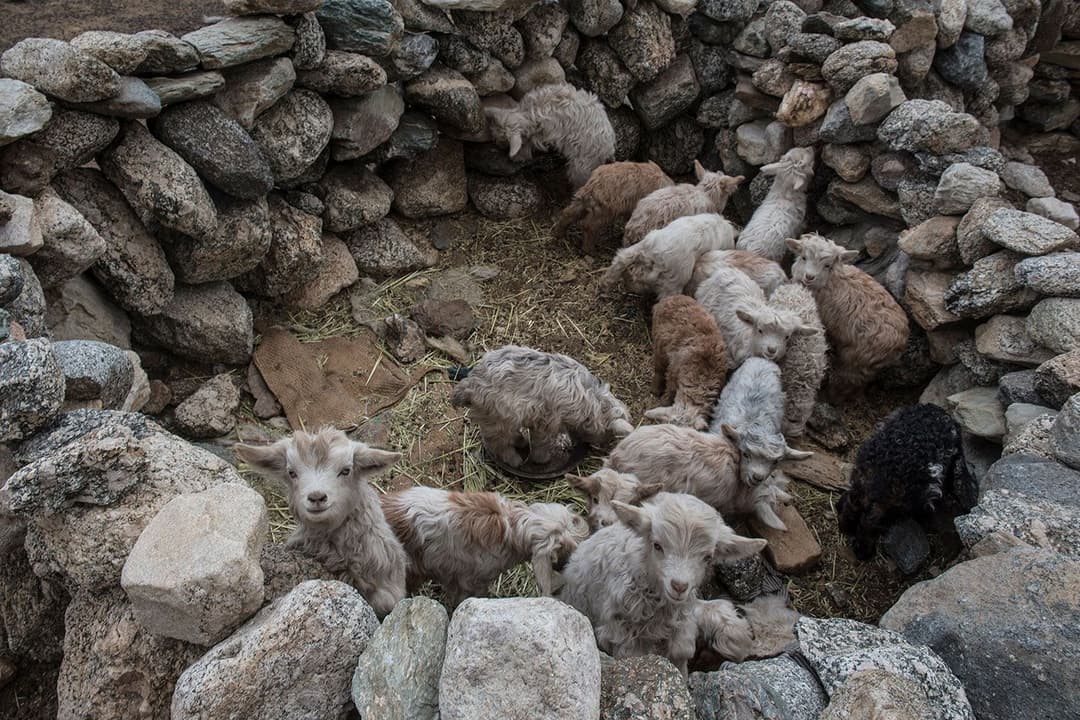
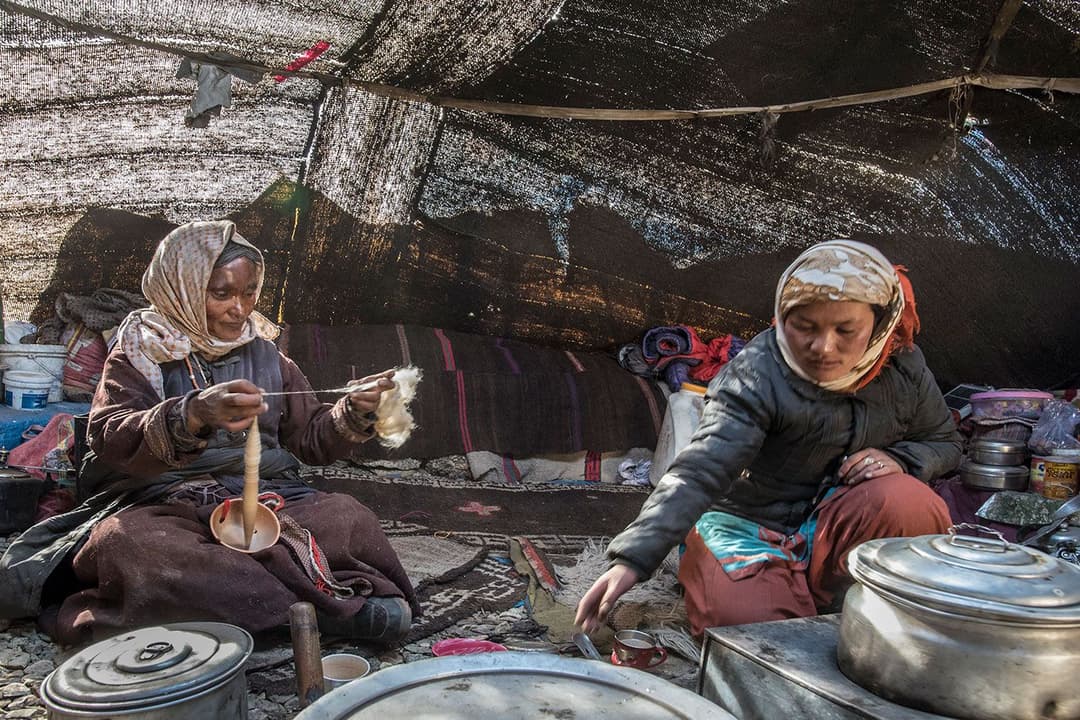
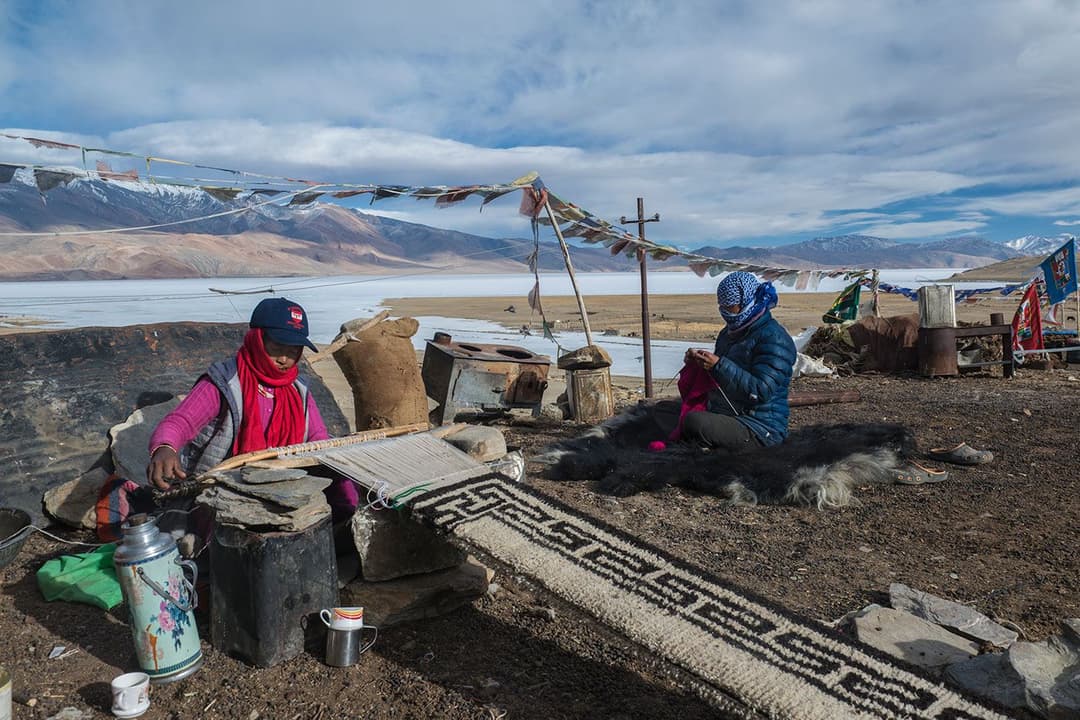
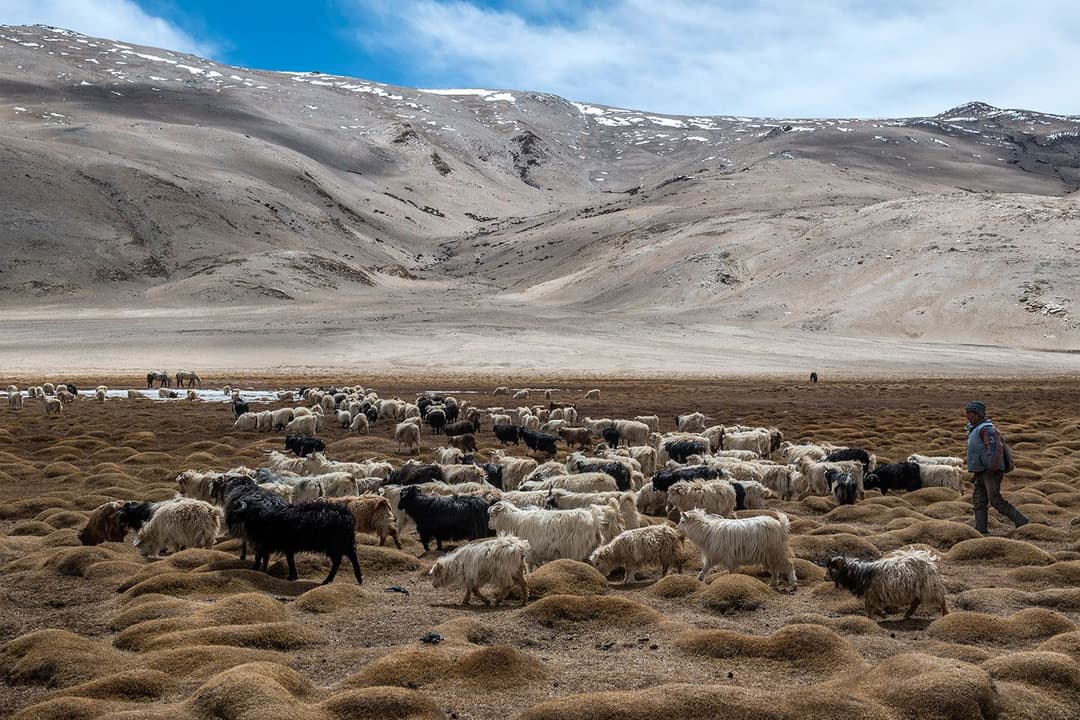
The Changthangi goats are reared by the nomadic Changpa pastoralists in the Changthang region – a western extension of the Tibetan Plateau, near the India-China border in eastern Ladakh. At an altitude of around 4,000 to 5,000 metres, it’s a harsh habitat. The search for pastures for their animals – sheep, pashmina goats, a few yaks – and the long winters from late September to May make living here hard. Collecting fuel, childcare, cooking, spinning pashmina thread – the work days are long.
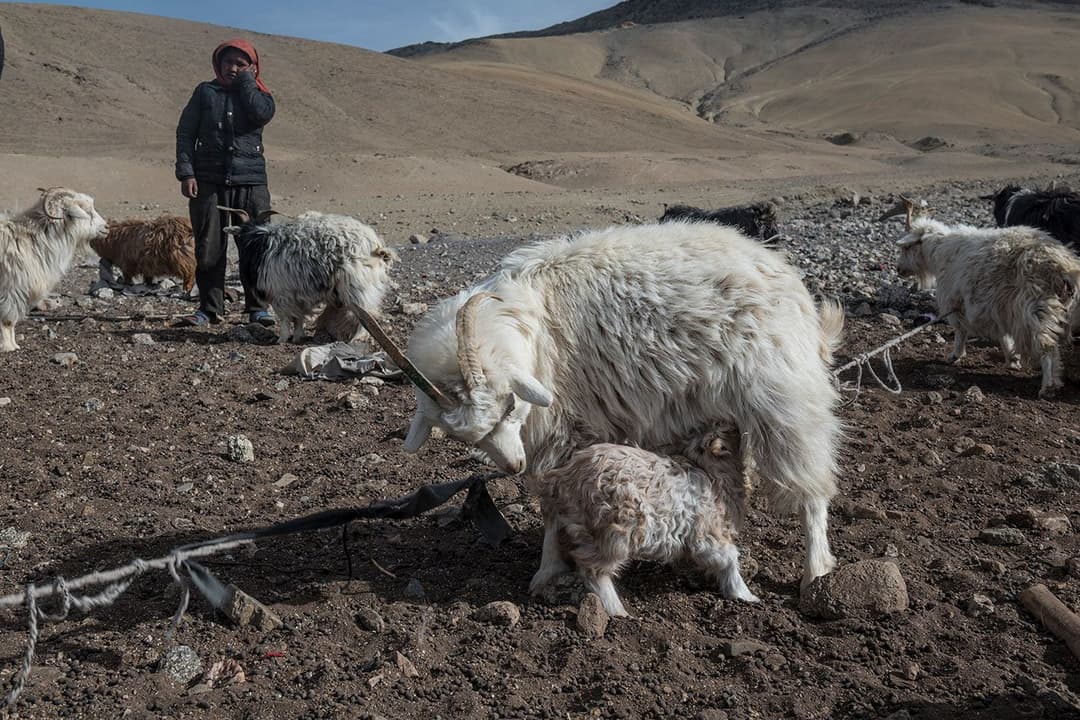
Each Changpa family has at least 80-100 animals, most have 100-150, some even over 300; usually an equal number of goats and sheep. From one Changthangi goat, a family can get 200-300 grams of raw pashmina per year.
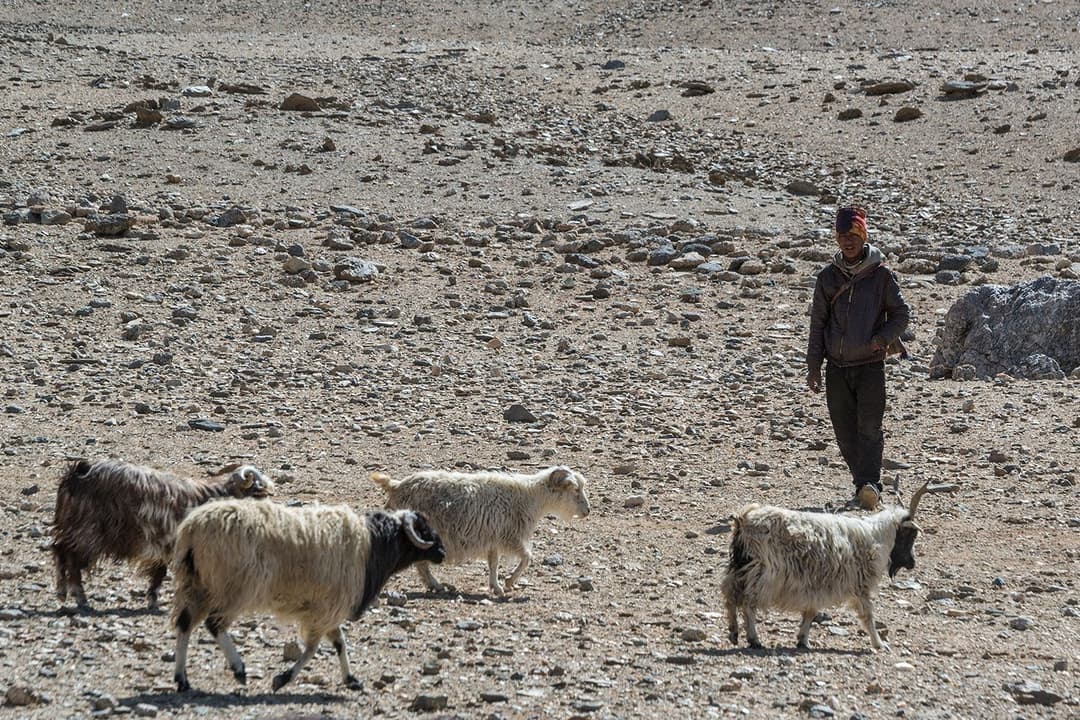
On a cold morning in March 2016, I met Bensen Tsering leading his flock in southeastern Changthang, between the towns of Hanle and Chumur. He told me that the cooperative society in Leh – the All Changthang Pashmina Growers Cooperative Marketing Society, affiliated to the state-run Ladakh Hill Development Council – purchases raw pashmina directly from the pastoralists at a fixed rate, cutting out the middlemen of the past who often wouldn’t give a fair price. The cooperative now offers Rs 2,500-Rs. 2,700 for a kilo of raw pashmina. This price has not gone up much over the last 4-5 years because of falling demand. Non-pashmina shawls and woollen apparel flooding the market from Punjab and other states have affected this trade.
Around 40 kilometres from Hanle, I also met Pema Choket. Of Pema’s six children, only her eldest daughter, 23-year-old Dechen, wants to continue their family’s way of life. “She is our flag-bearer,” Pema said, adding that she has a great love for their animals and the pastoralist life.