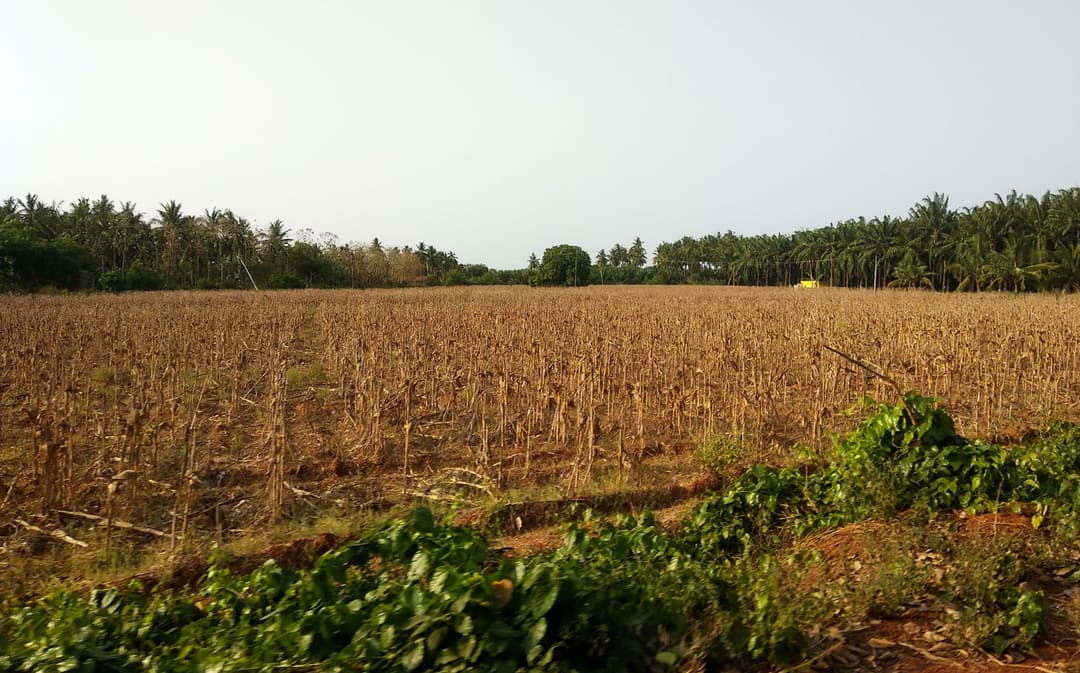

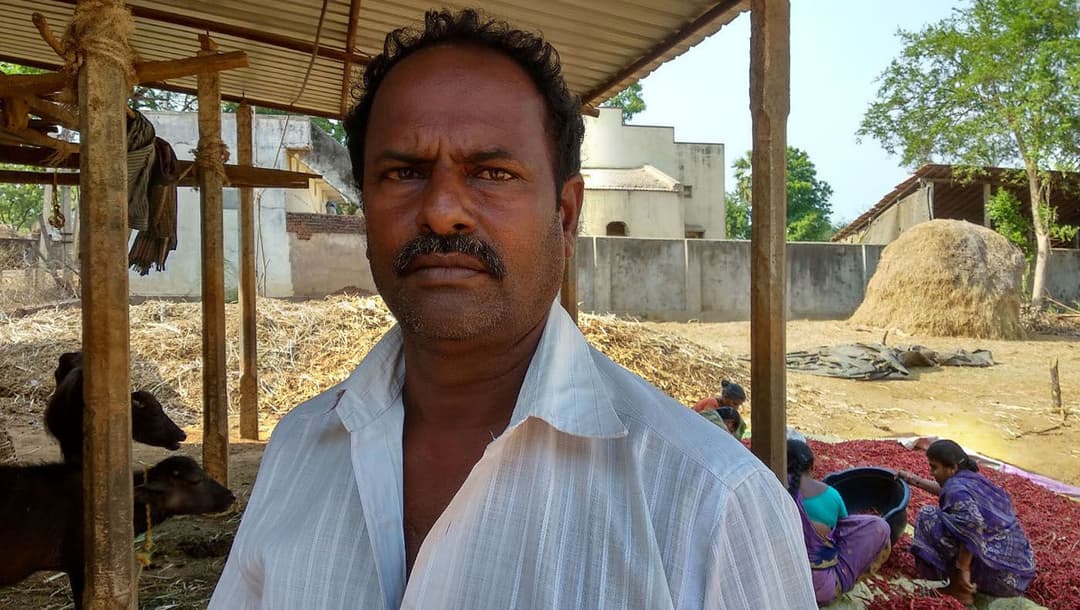
Ramakrishna Reddy cultivates maize on 2.5 acres of leased land in Vadlamanu village of Krishna district. He and eight other farmers in the village in Agiripalle mandal in Andhra Pradesh planted a total of 30 acres of maize to sell its seeds to the Hyderabad-based IML Seeds Pvt Ltd. “We sowed in September 2016 and sold the seeds [around 80 tonnes] in March 2017. It’s been more than a year and the company still hasn’t paid the over 10 lakh rupees due to the nine of us,” says 45-year-old Ramakrishna.
In this trade, the company gives hybrid seeds to farmers around September every year. The seed farmers grow them and give the multiplied seeds back to the company in March the following year. The company then sells these, at a profit, in the market to cultivator farmers. The seed farmers get some of their payment from the company in the forms of pesticides, insecticides and even loans at an annual interest rate of 24 to 36 per cent. The debt – loan plus interest – is deducted from the final amount the farmers receive.
The company is supposed to make the payments by the end of March, but the money usually come through 2-3 months later. In 2017 though, IML Seeds did not pay the farmers at all. The unpaid dues, along with prices that have not matched the rising input costs for the last few years, have pushed many maize seed farmers deeper into debt and forced some to leave agriculture.
Pilli Srinivas, 40, one of the nine farmers of Vadlamanu village, who cultivated maize seeds for around 15 years, says, “I have a total debt of 15 lakh [from private moneylenders]. I also pay an annual lease of 15,000 rupees because I don’t own much land. So I decided to leave agriculture and work as an agricultural labourer.” Srinivas now earns a daily wage of Rs. 250-300 and hopes to pay off some of his debt by selling the half-acre he owns.