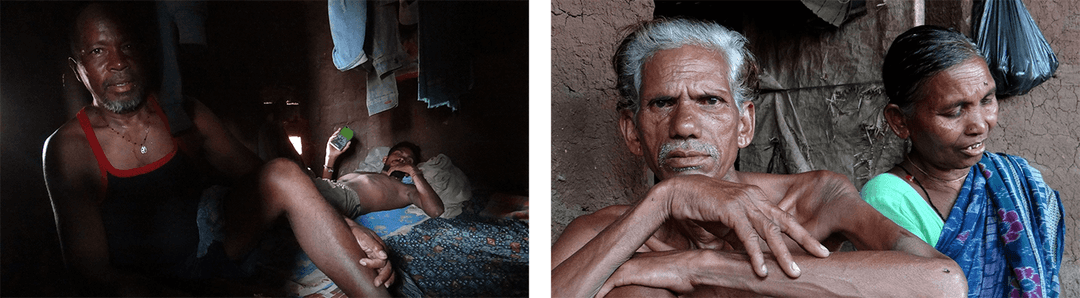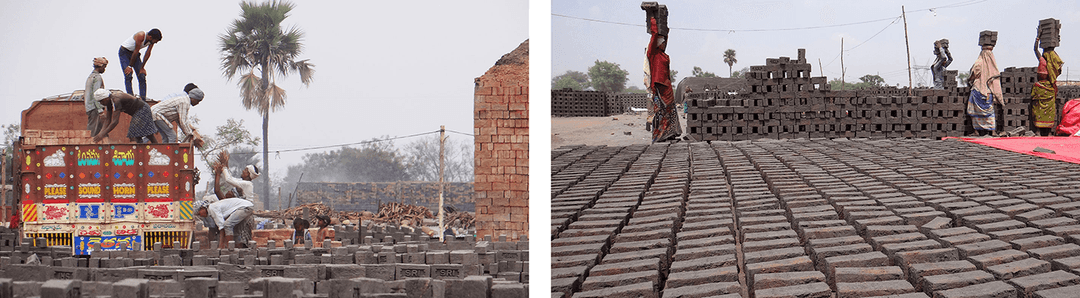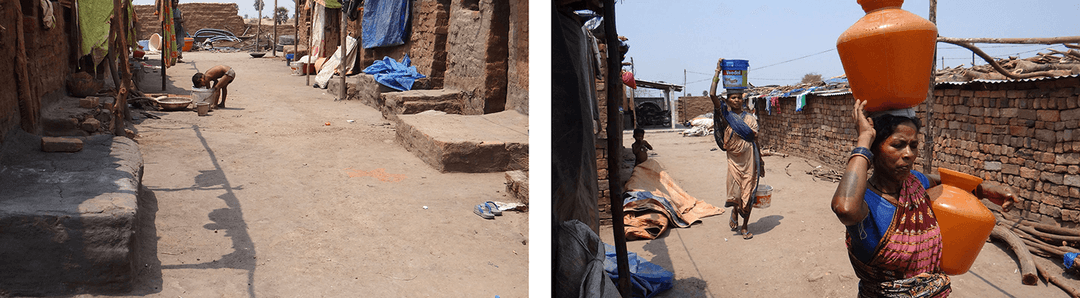

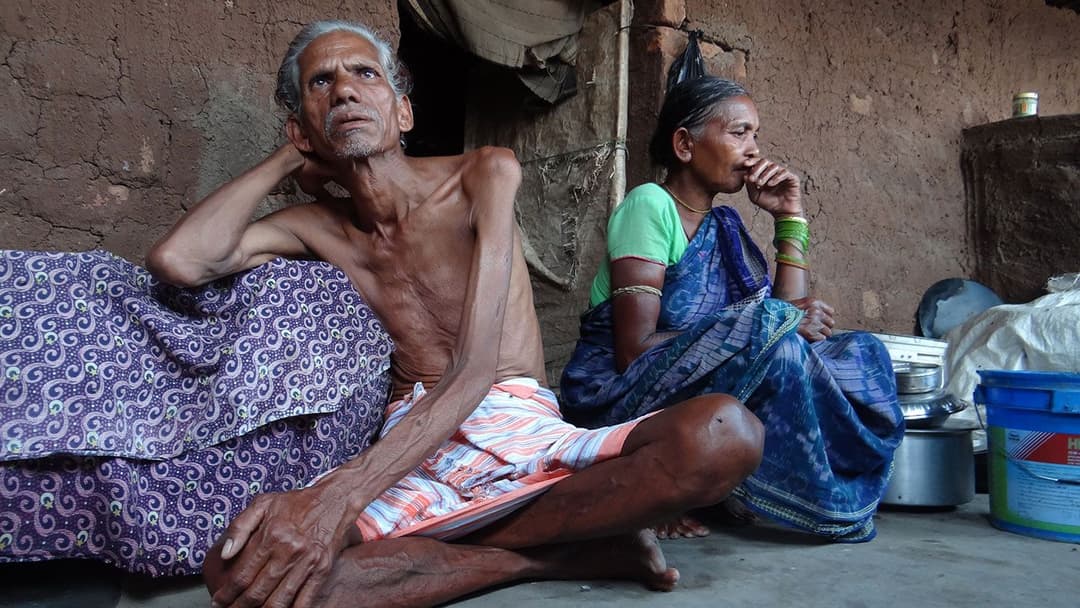
“I am cooking food for the people who have brought us here. My husband is helping them in making bricks,” says Urvashi, who we come across in the brick kilns of Hyderabad.
We are surprised to see Degu Dharua, around 61, and Urvashi Dharua, around 58, at the kilns. The couple is from Pandrijor village in Belpara gram panchayat in western Odisha’s Bolangir district. This is among the poorest parts of the country.
People in western Odisha – from where I have been reporting extensively for over two decades – have been migrating for more than 50 years. The region was infamous for starvation, hunger-driven deaths and the distress sale of children – among other outcomes of poverty and policy.
In 1966-67, a famine-like situation drove the migration. In the ’90s, when there was a severe drought in Kalahandi, Nuapada, Bolangir and other districts, it again pushed up migrations. At that time, we had noticed that those who could do manual labour went to other states in search of work, while the elderly stayed back in the villages.