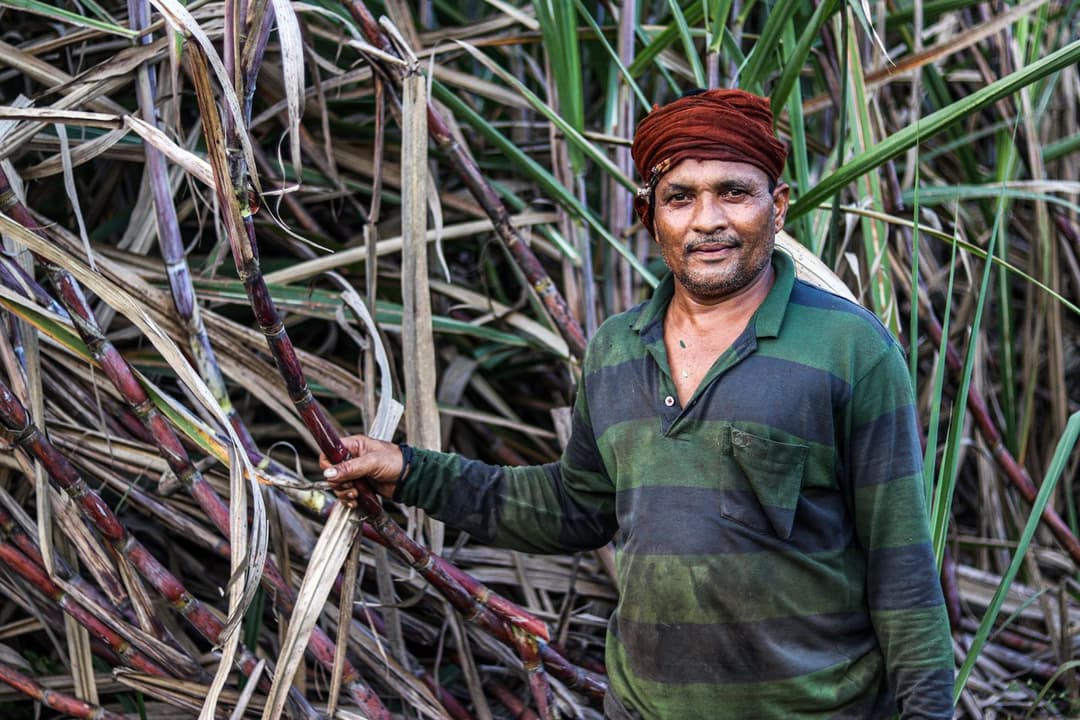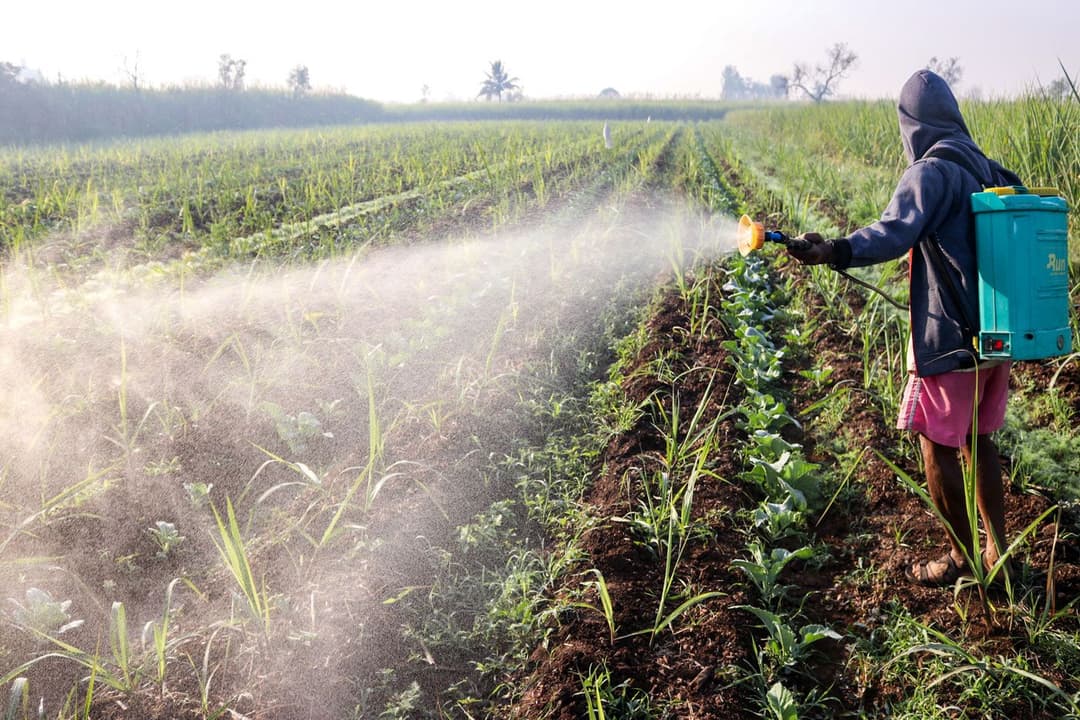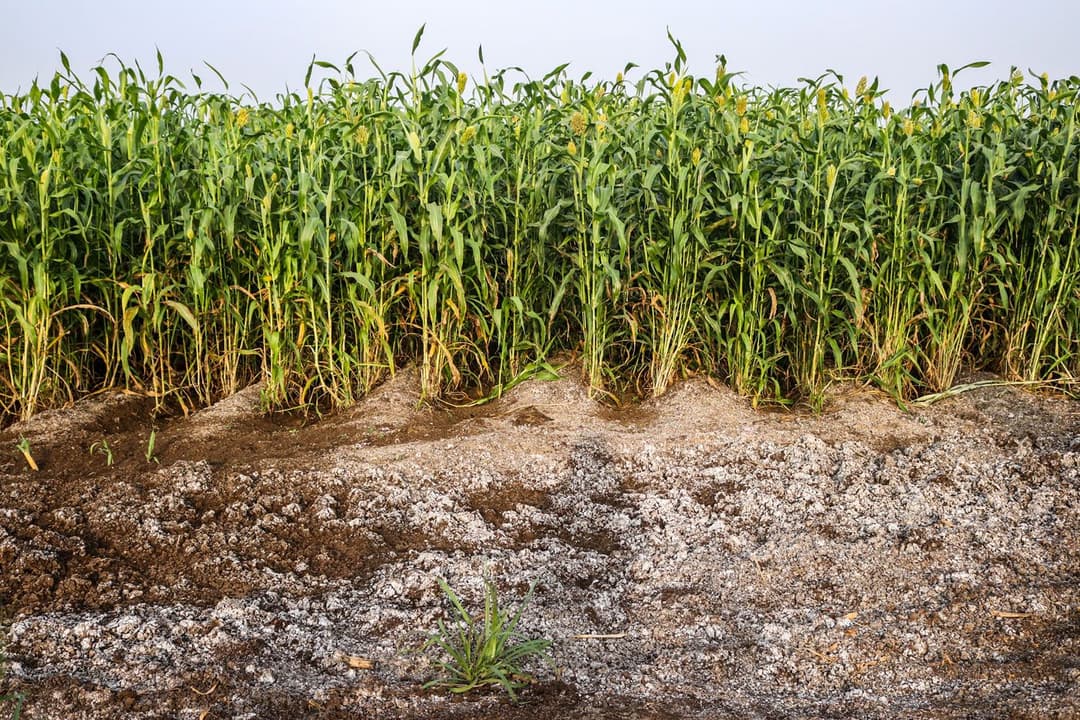

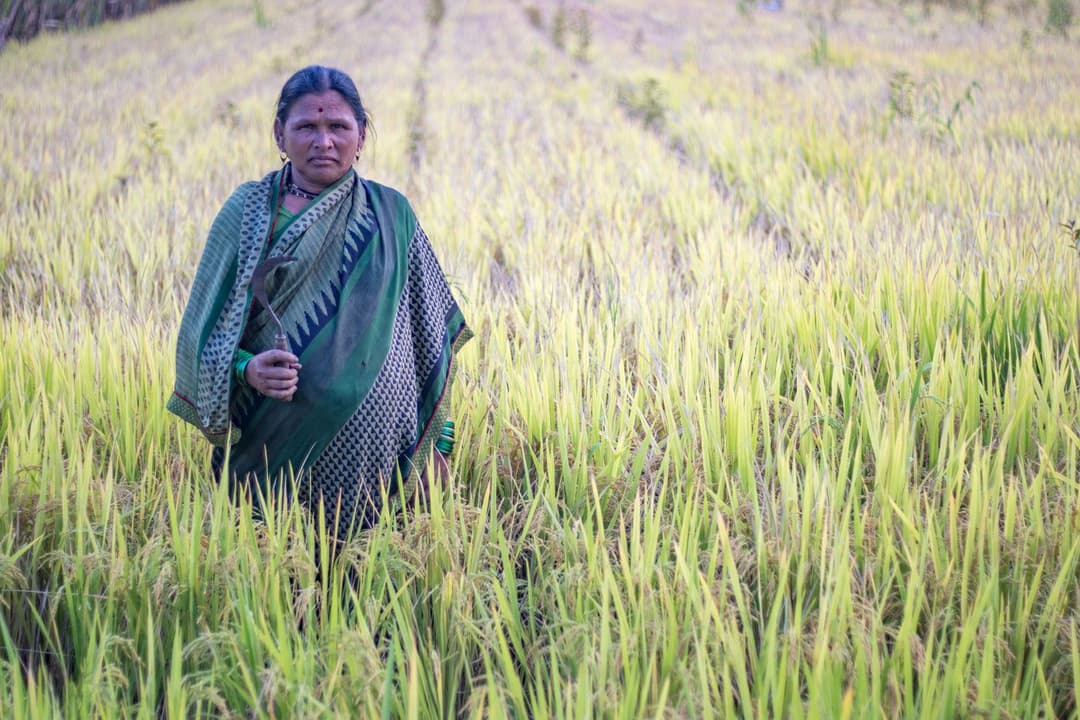
Not long ago, farmers in Khochi, a village in the Hatkanangle taluka of Maharashtra’s Kolhapur district, competed with each other over who would produce the maximum sugarcane on an acre of farmland. Villagers say the ritual was almost six decades old. It was the kind of healthy competition that reaped handsome rewards for everyone involved: some farmers would grow as much as 80,000-100,000 kilos per acre, almost 1.5 times the normal harvest.
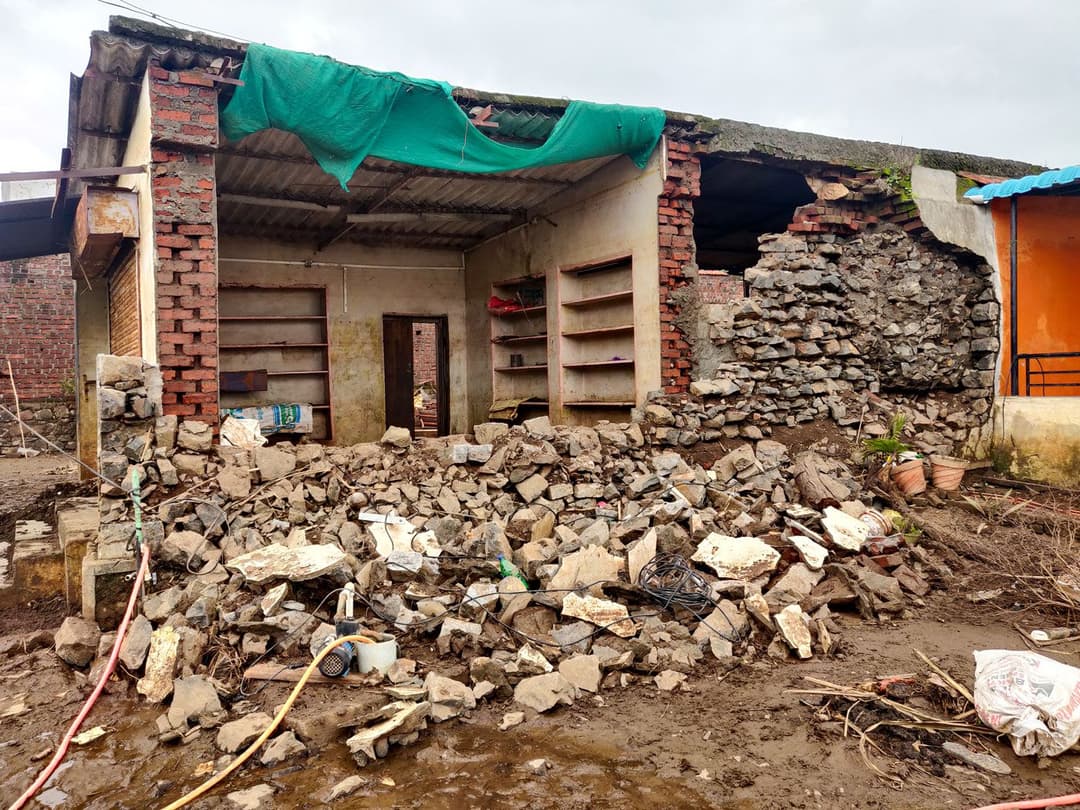
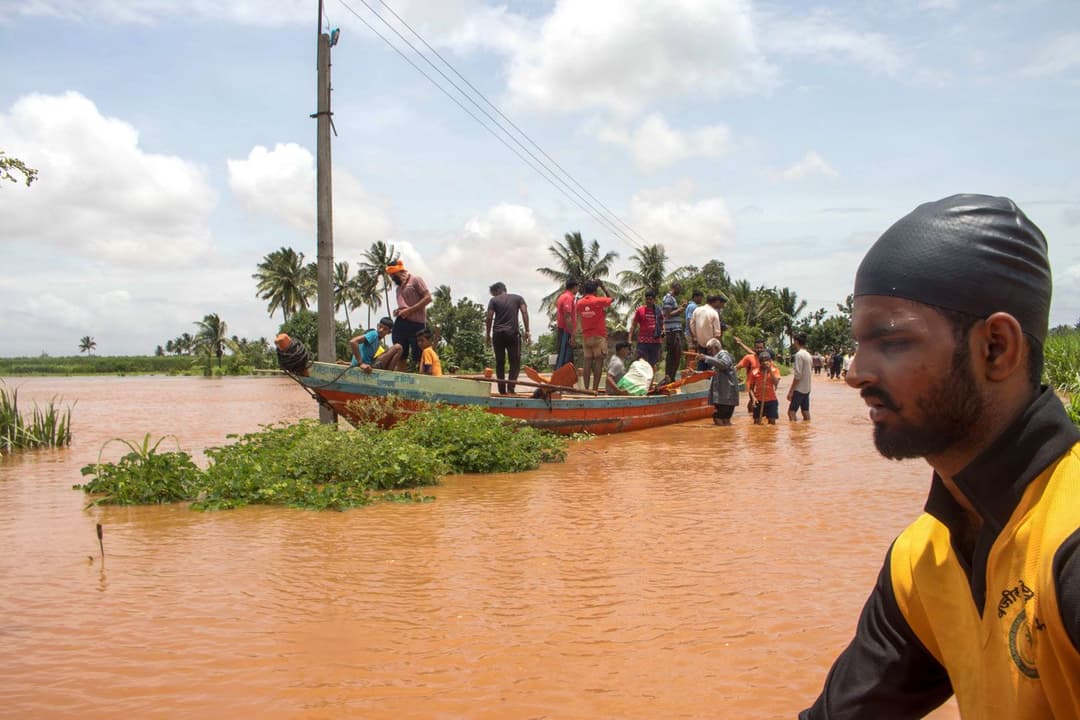
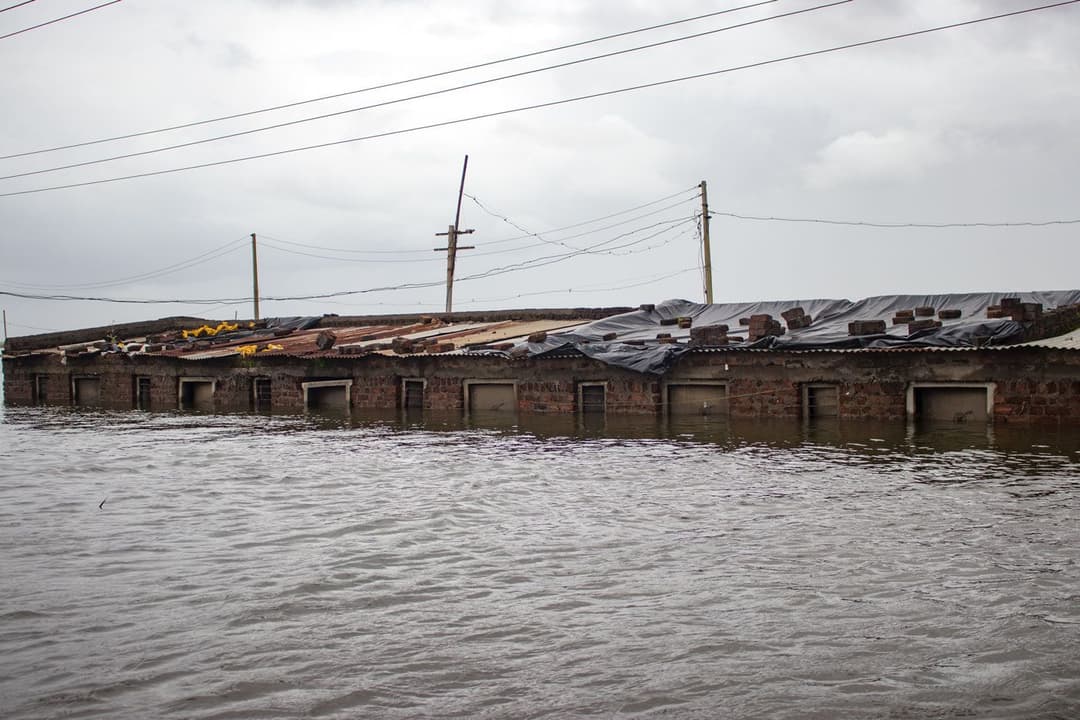
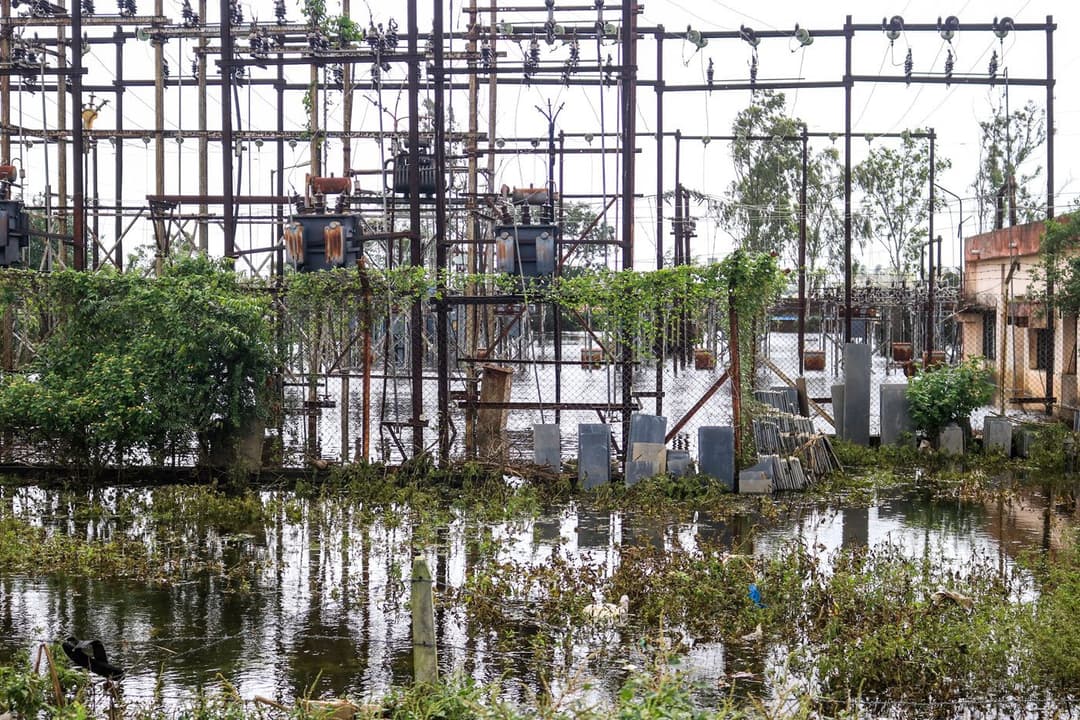
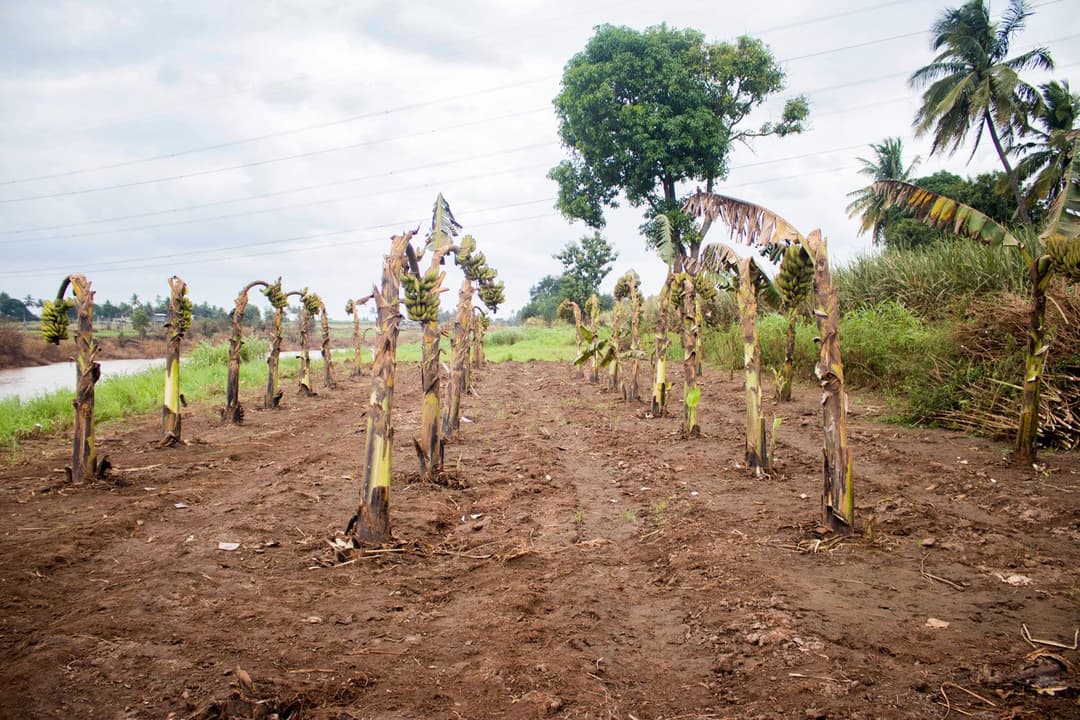
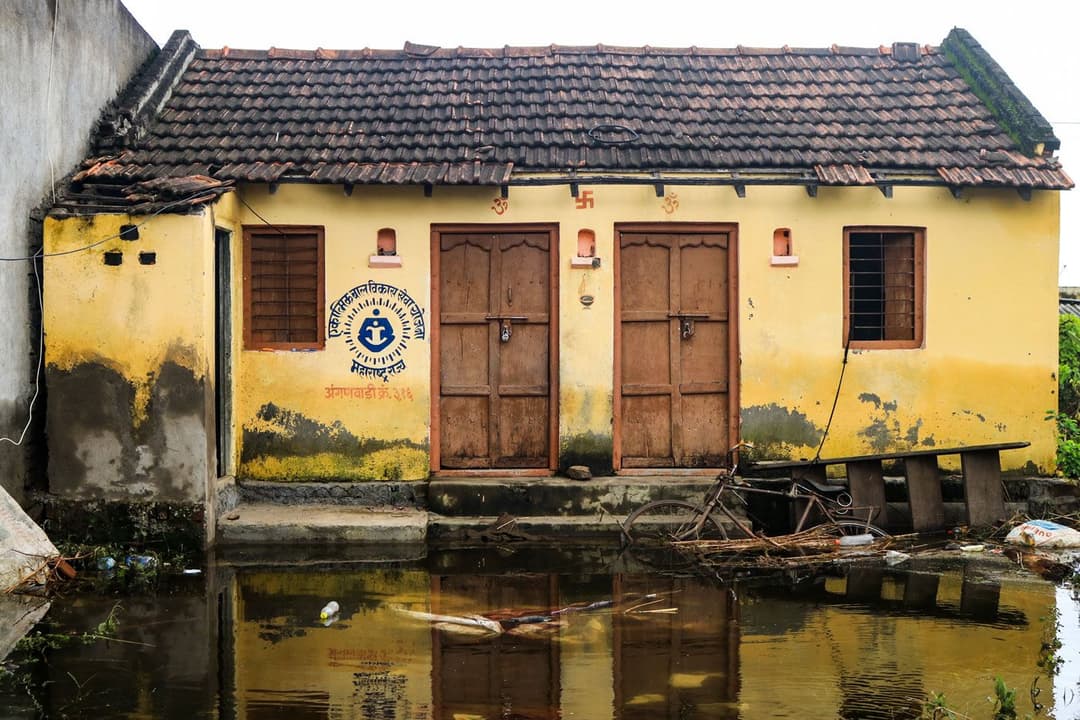
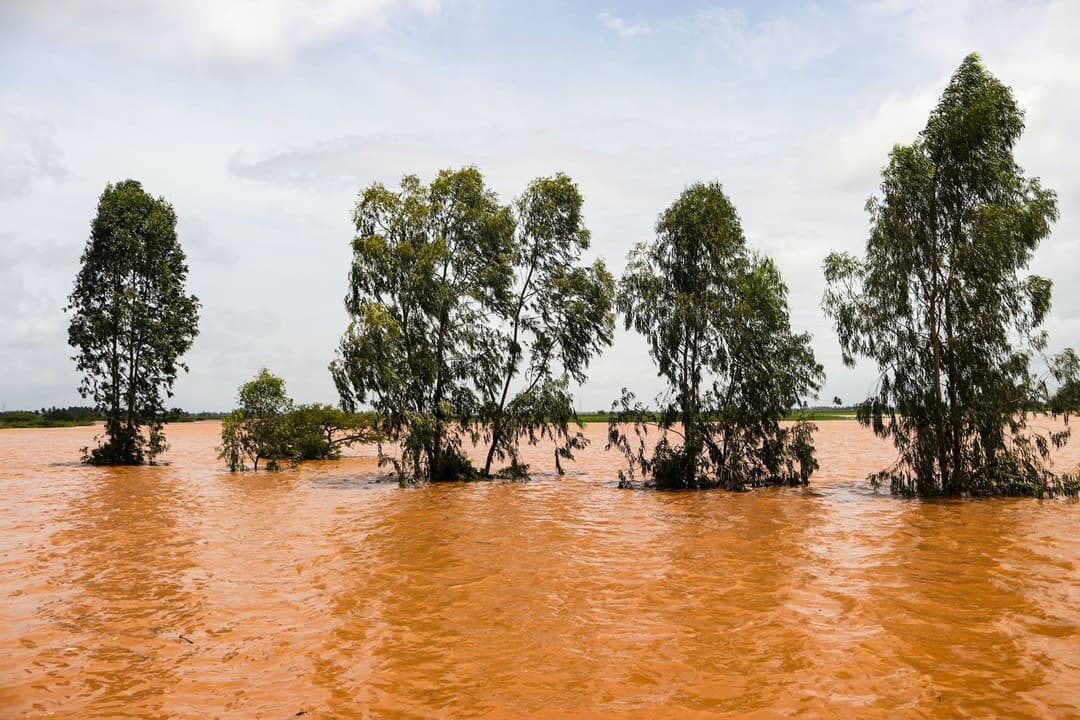
That ritual came to an abrupt end in August 2019 following a flood that left several parts of the village submerged for almost 10 days, damaging much of its sugarcane crop. Two years later, in July 2021, heavy rains and floods once again caused massive destruction to Khochi’s sugarcane and soyabean crops.
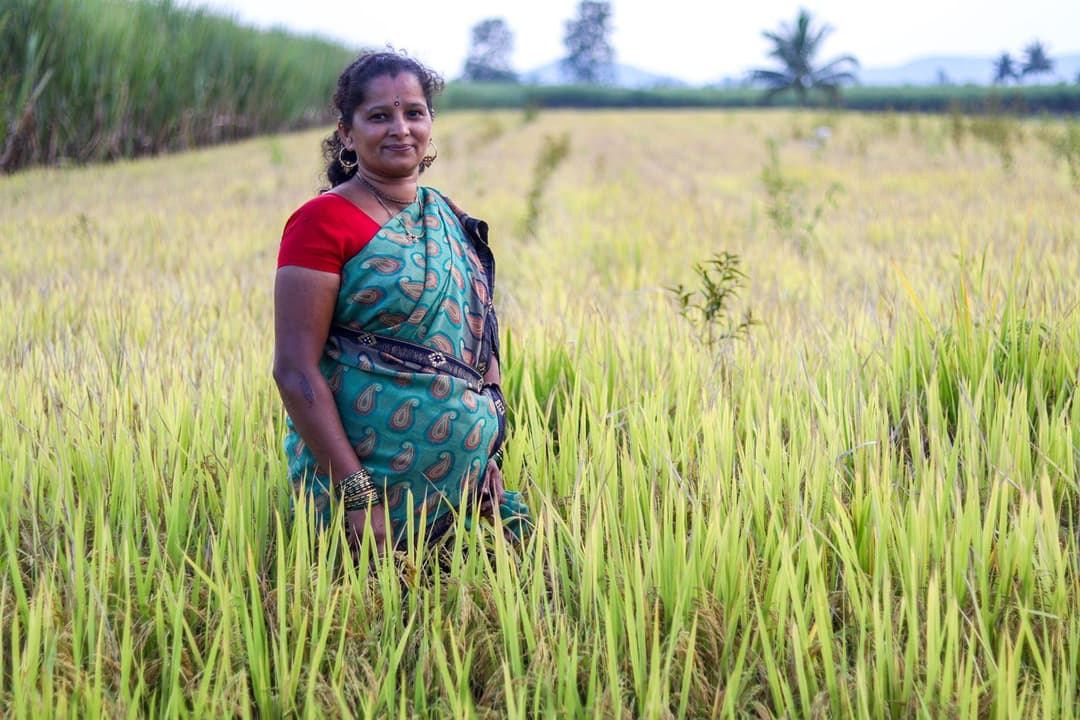
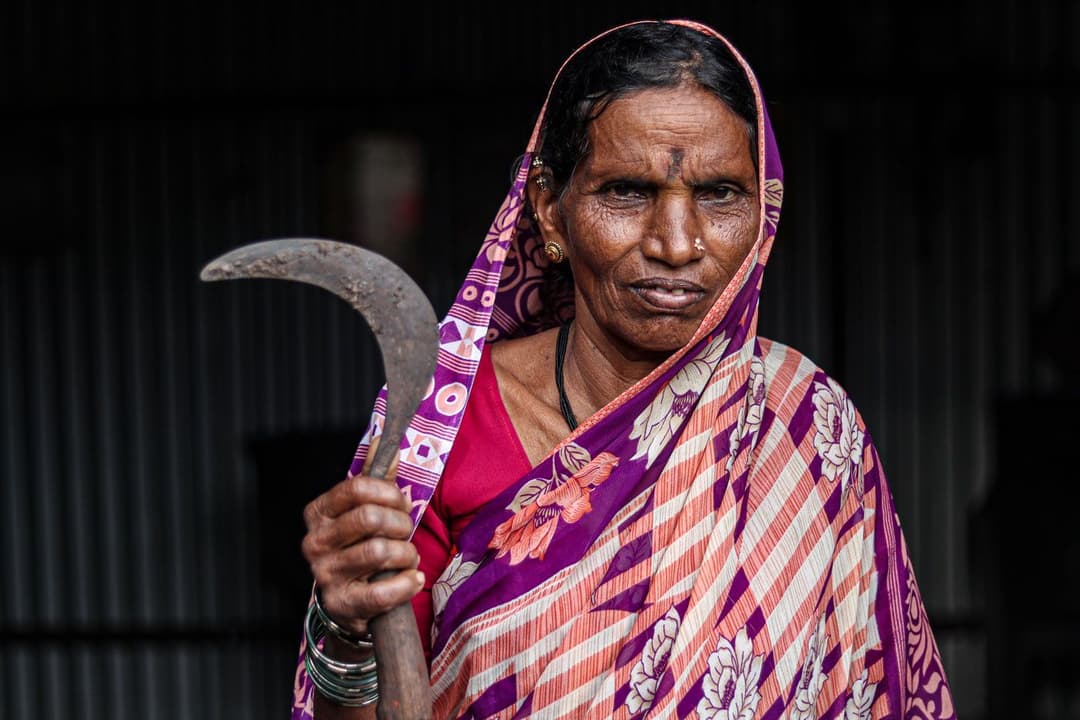
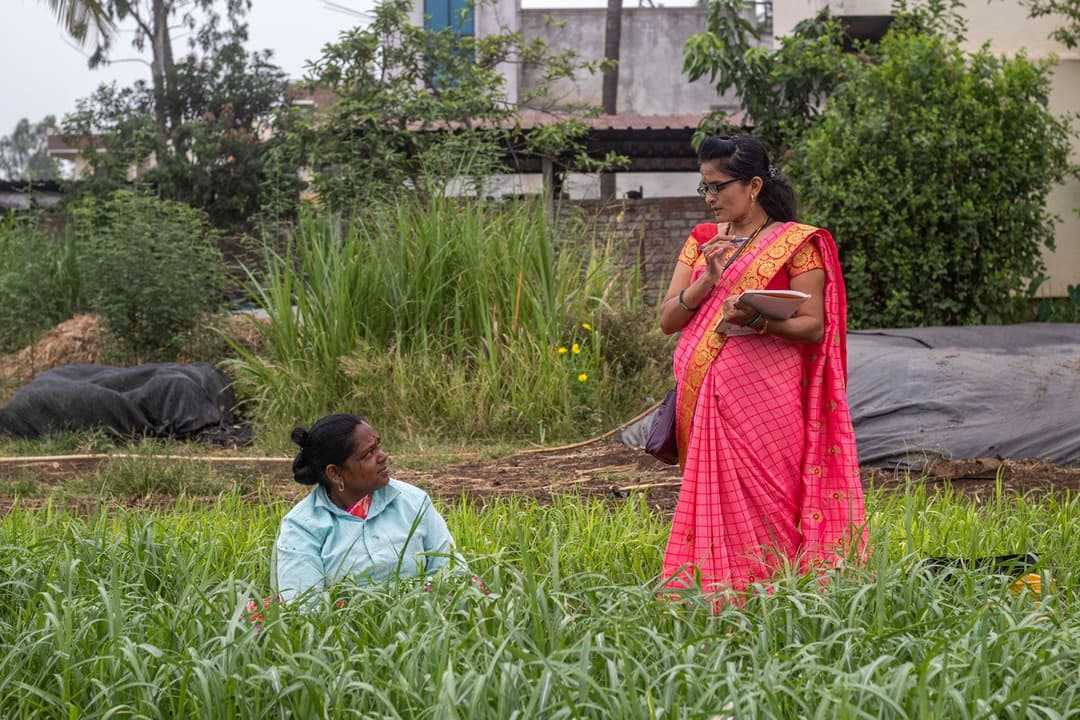
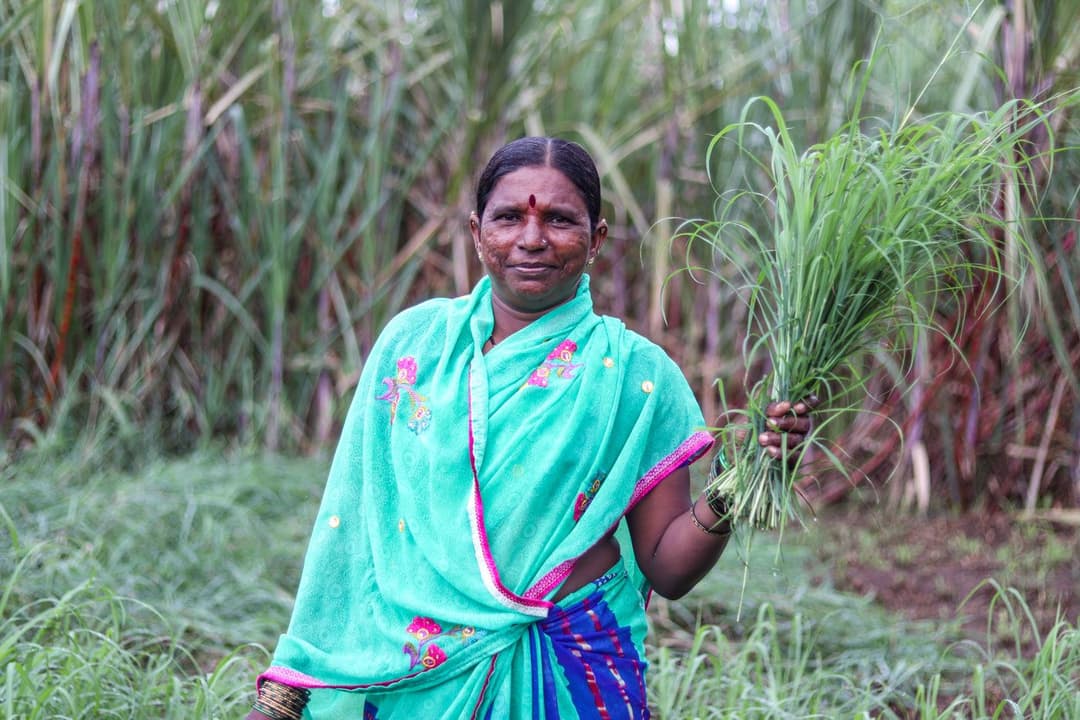
“Now, farmers don’t compete; rather, they pray that at least half of their sugarcane survives,” says Geeta Patil, 42, a tenant farmer and resident of Khochi. Geeta, who once believed she had learnt all the techniques to increase sugarcane production, lost more than 8 lakh kilos of sugarcane in the two floods. “Something has gone wrong,” she says. She hadn’t accounted for climate change.
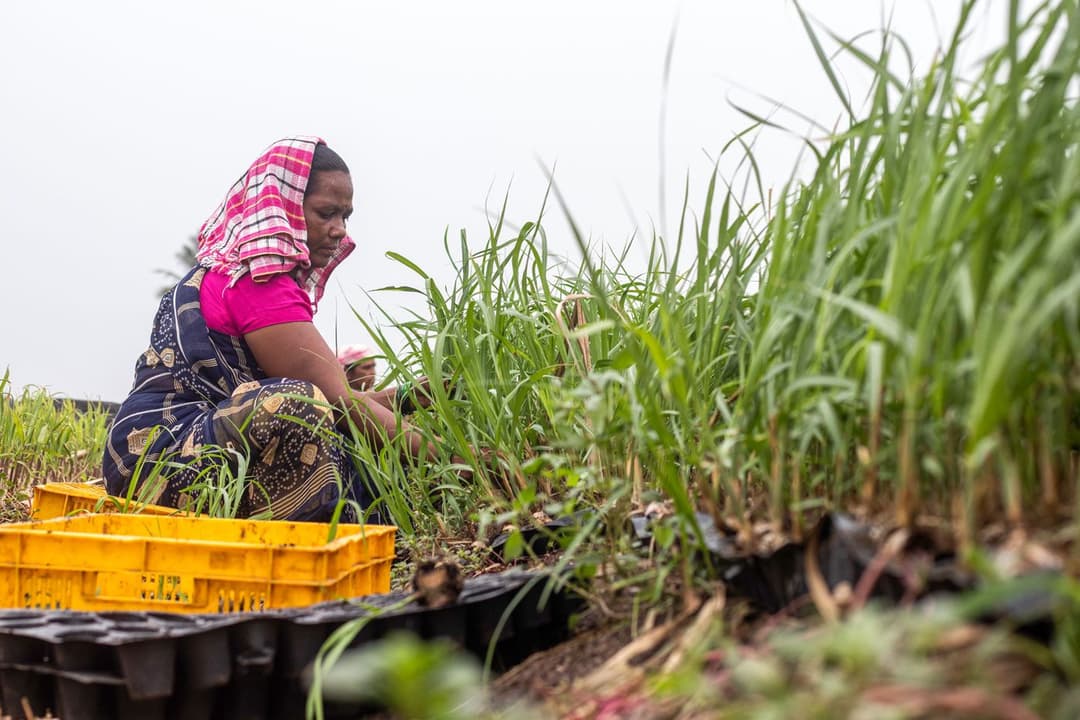
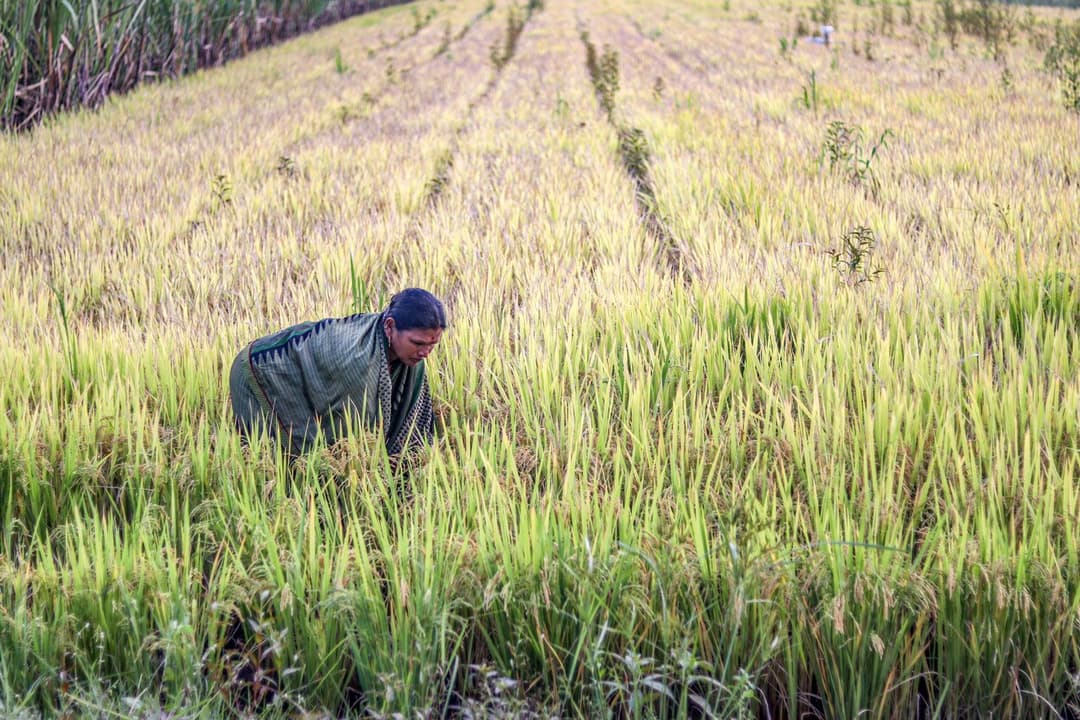
“The rainfall pattern has changed completely [since the 2019 floods],” she says. Until 2019 she had a set routine. After every sugarcane harvest, typically around October-November, she would cultivate a different crop – soyabean, bhuimug (groundnut), different varieties of rice, shalu (hybrid sorghum) or bajra (pearl millet) – to ensure that the soil retained its nutrients. There was a fixed, and familiar, rhythm to her life and work. Not anymore.
“This year [2022], the monsoon was late by a month. But when it started raining, the fields were almost flooded within a month.” Large tracts of fields remained submerged for almost two weeks as it rained heavily in August; farmers who had just cultivated sugarcane reported extensive losses as excess water caused stunting and damage to the crops. The panchayat even issued warnings asking people to vacate their homes in case the water level rose further.