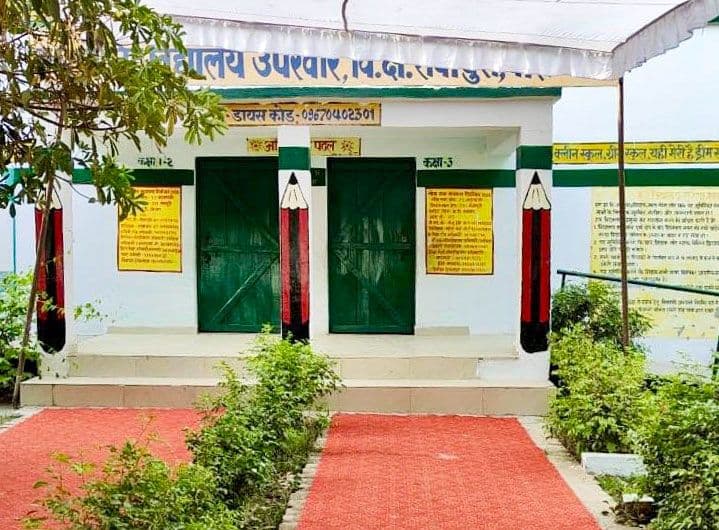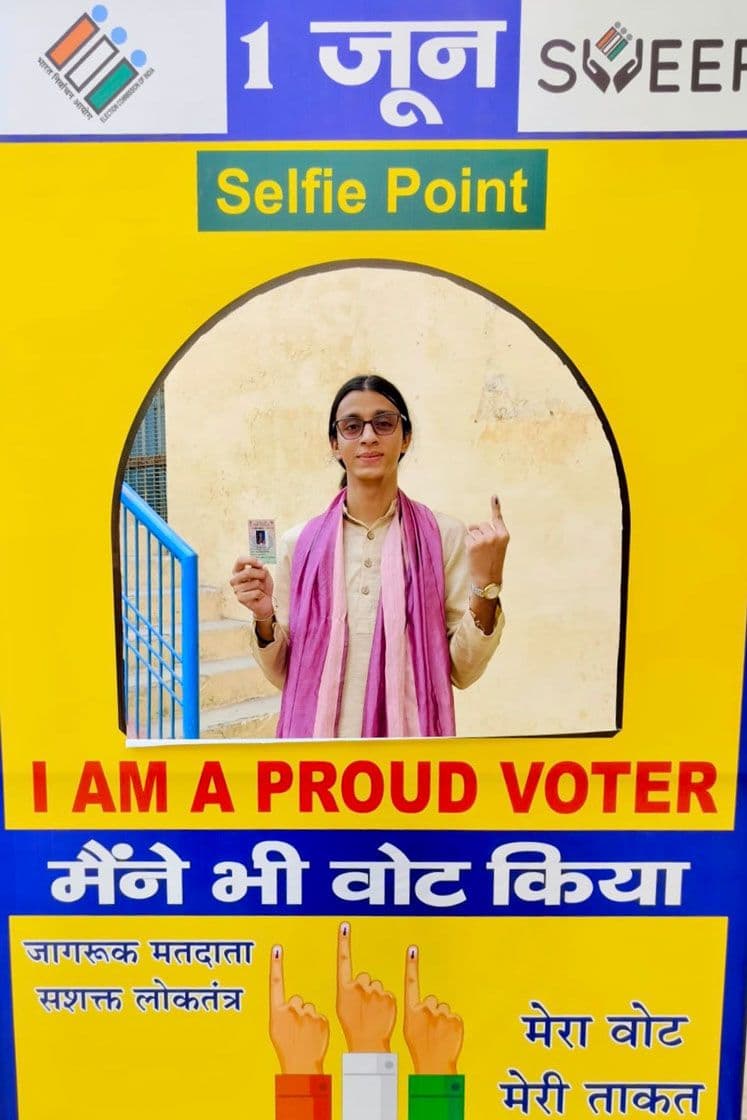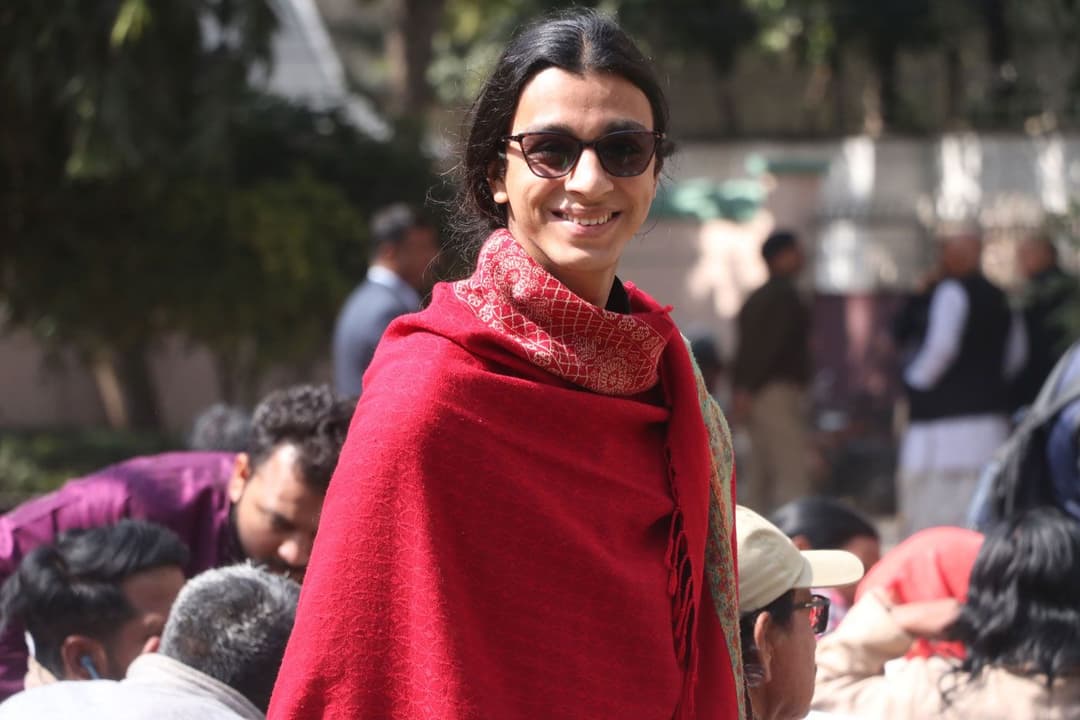

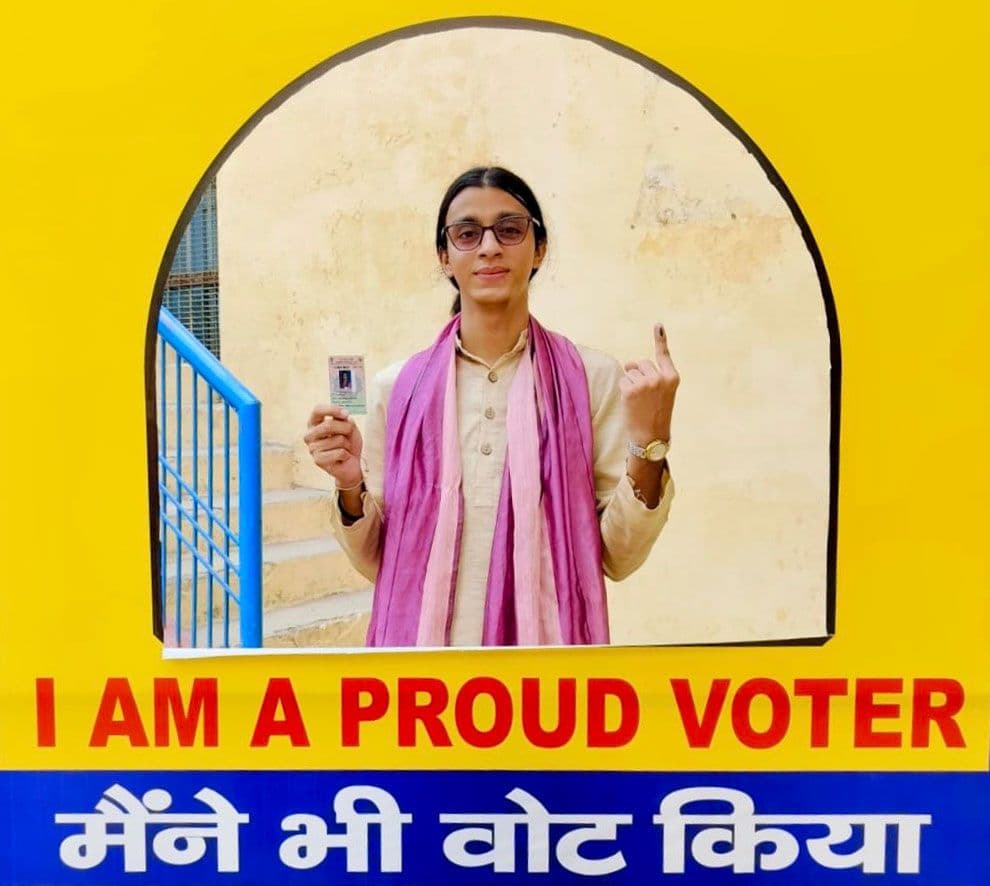
In Varanasi, on polling day, Salma found there were two queues – one for men and another for women. The Bangali Tola polling booth had been set up in a government school, in a narrow lane that leads to the famous Vishwanath temple.
The 25-year-old trans woman stood in the queue for women, but, she says, “aankhein badi ho gayi thi sabki [everyone stared]. The men pretended not to see me and the women started grinning and whispering when I stood at the end of their queue.”
But Salma did not care. “I went in anyway,” she says, “I have the right to [vote] and I used it to bring the change we need today.”
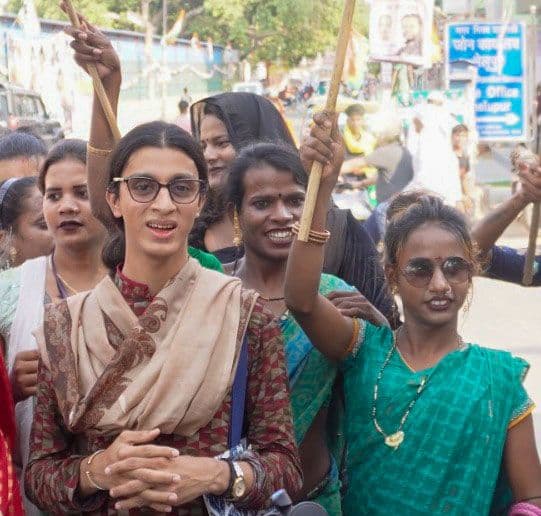
Data from the Election Commission of India (EC) shows there are 48,044 “third gender voters” in India. Despite the sizeable number, getting a voter ID as a trans person is not always easy. In Varanasi, says Neeti, founder-director of the non-governmental organisation Prismatic, there are around 300 trans folk, and getting voter IDs for them has been a struggle. “We got voter-IDs for around 50 trans persons. But the EC mandated home visits for verification which was a problem for many of the members of the community who did not want people coming to their homes to verify their gender,” she adds.
Salma, though, did not face any hurdles in getting her voter ID made. “I don’t live with my family or anyone who doesn’t know my identity,” she says.