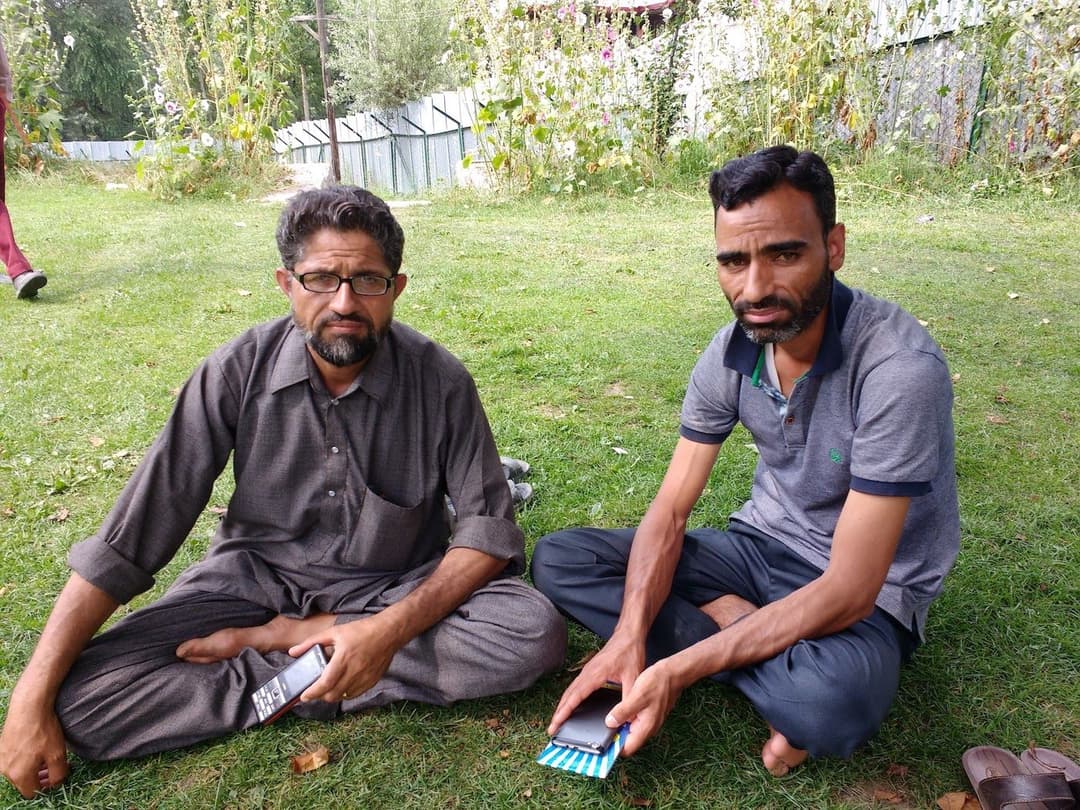
On August 11 this year, 21-year-old Wajid Ahmed Ahangar of Zugo-Kharien in Central Kashmir’s Budgam district, set out with other youths for a unique three-day festival at Tosamaidan. An unexploded shell lying in the grass of this beautiful meadow triggered a blast. Wajid, who had stepped out of his home wearing new clothes, “like a prince riding a horse,” his father later described to the local media, was brought home dead. Three others also suffered major injuries.
The celebrations turned to mourning. It was another reminder of how the past continues to haunt Kashmir.
A year ago, also in the month of August, Mohammed Akram Sheikh, of Shunglipora village in Khag block of Budgam, had talked to me about the significance of the festival or Jashn-e-Tosa, associated with this meadow since 2015. The Jammu & Kashmir government also promotes the Jashn as part of a tourist festival.
He explained that the event celebrates the return of open spaces to the community. The army had occupied the maidan for five decades, using it as a firing range, and vacated it in 2014 after a long struggle.
The villagers celebrated their freedom to wander without fear of death, injury or intimidation and, as pastoral communities, to practise their livelihoods. He had eloquently described the vacating of the meadow as a raahat ki saas (a sigh of relief).
But the August 2018 incident shows how illusory this freedom can be, how militarisation can morph landscapes, drastically impacting the lives and livelihoods of people who are deeply dependent on the land.