
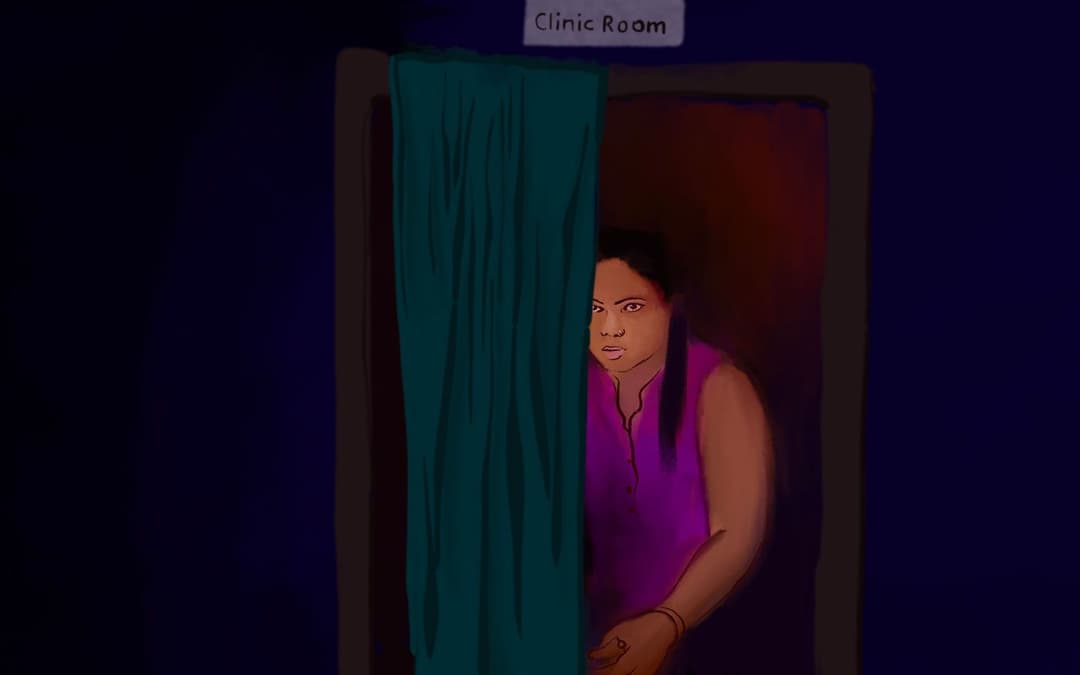
“Just because we do sex work, they think our bodies should pay for anything.” Mira, 30, came to Delhi from Farrukhabad town in Uttar Pradesh in 2012, three children in tow, after her husband died of a sudden heart attack. She is now angry and exhausted in equal measure.
“This is what they do when they give me my medicines.” Amita, 39, contorting her face in disgust at the memory, mimes the way male helpers and ward assistants in the hospital grope her, a palm lightly grazing the side of her body. She dreads the humiliation, but returns to the public hospital for check-ups or to get medicines.
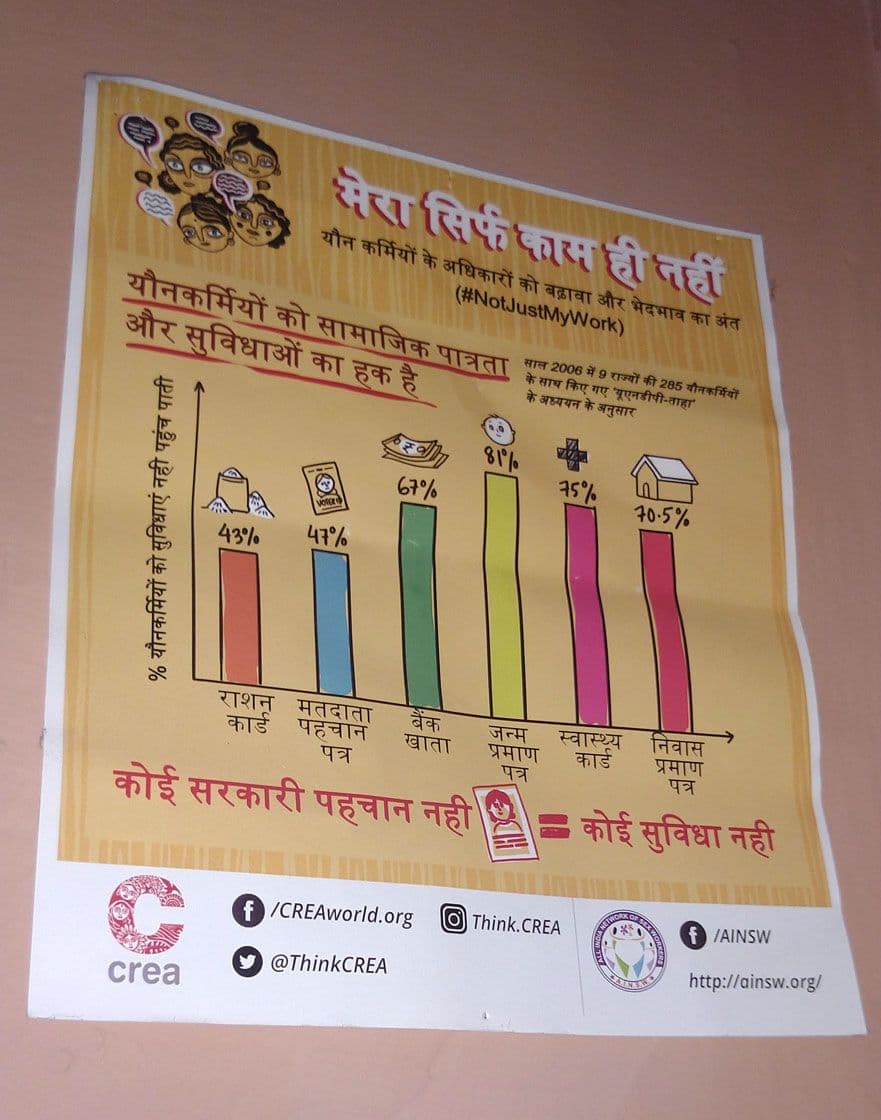
“When we go for our HIV tests, if they get to know that we are sex workers, they will offer to help. ‘Peeche se aajaana, davai dilwa doonga [Come through the rear door, I’ll get the medicine for you],' they will claim. Then they will use the opportunity to touch us inappropriately.” As Kusum, 45, speaks, several nod in agreement with the former president of the All India Network of Sex Workers (AINSW), a federation of community organisations from 16 states, representing 4.5 lakh sex workers.
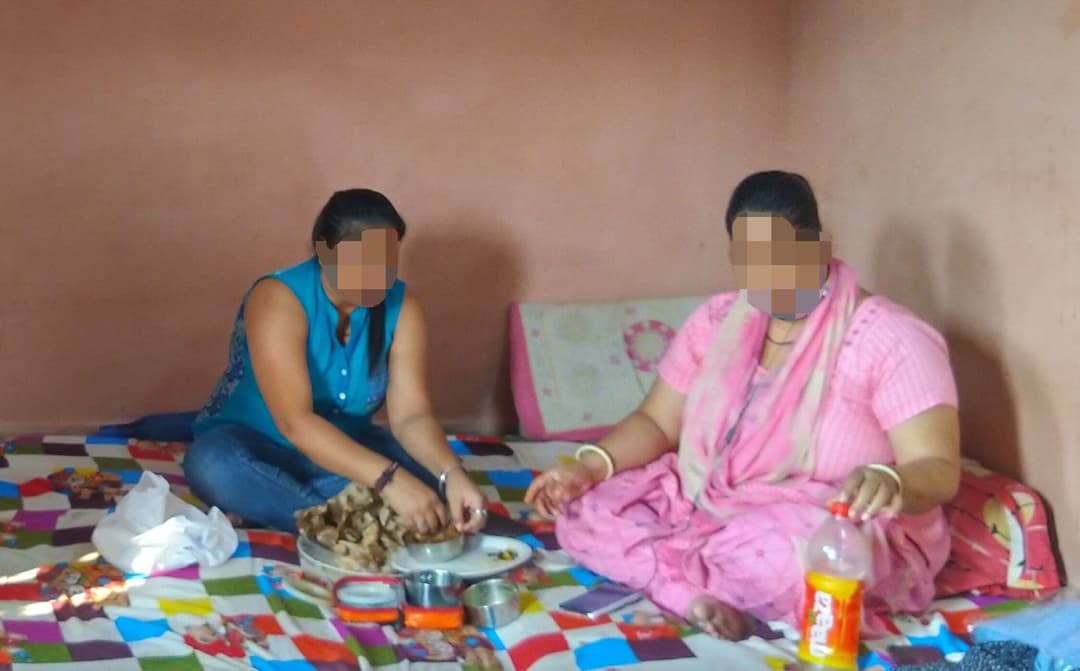
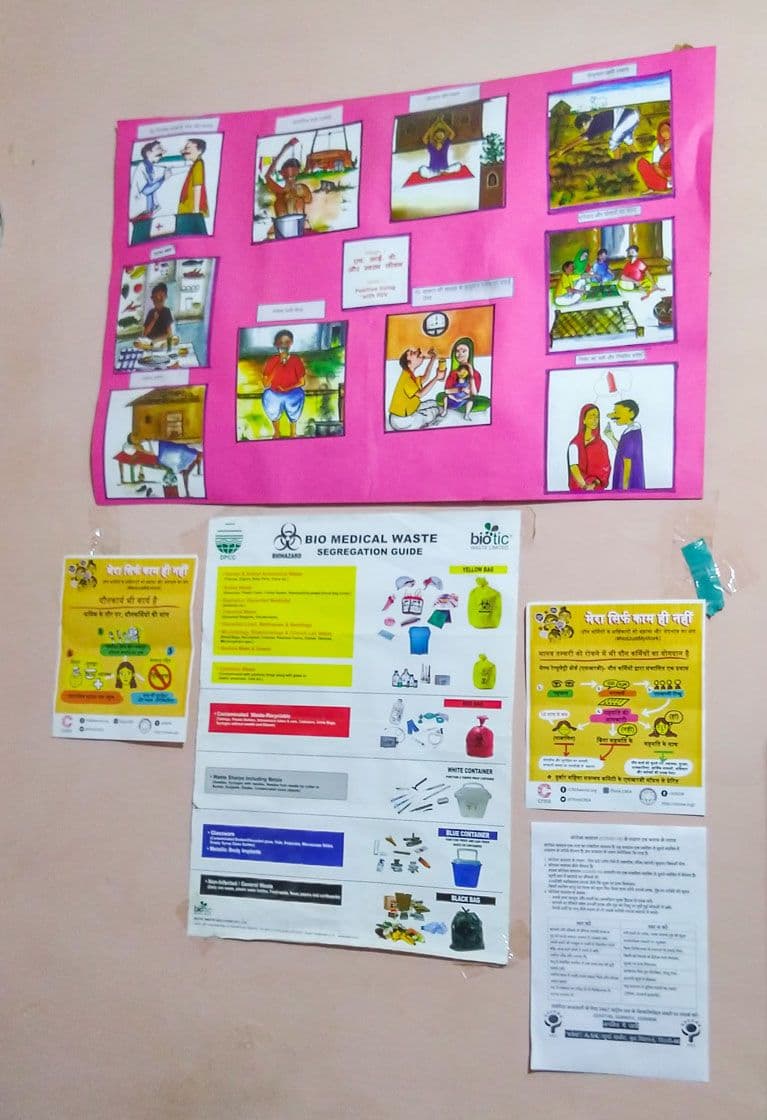
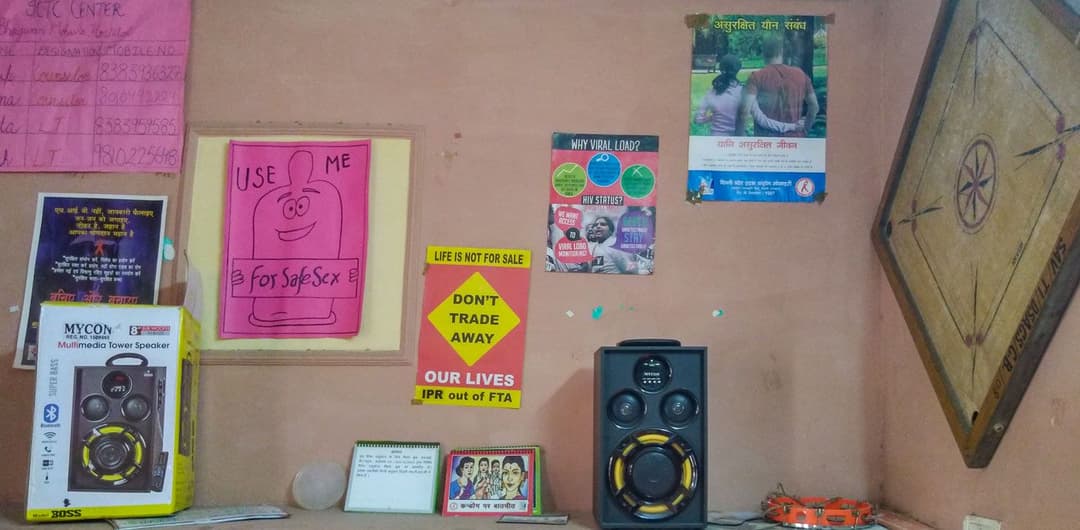
At a community shelter in the Rohini area of Delhi’s North West district, PARI meets a group of sex workers, mostly out of work due to the pandemic. Seated in a warm huddle on a winter afternoon, they are sharing a meal of home-cooked vegetables, dal and roti they have packed in steel tiffin boxes.