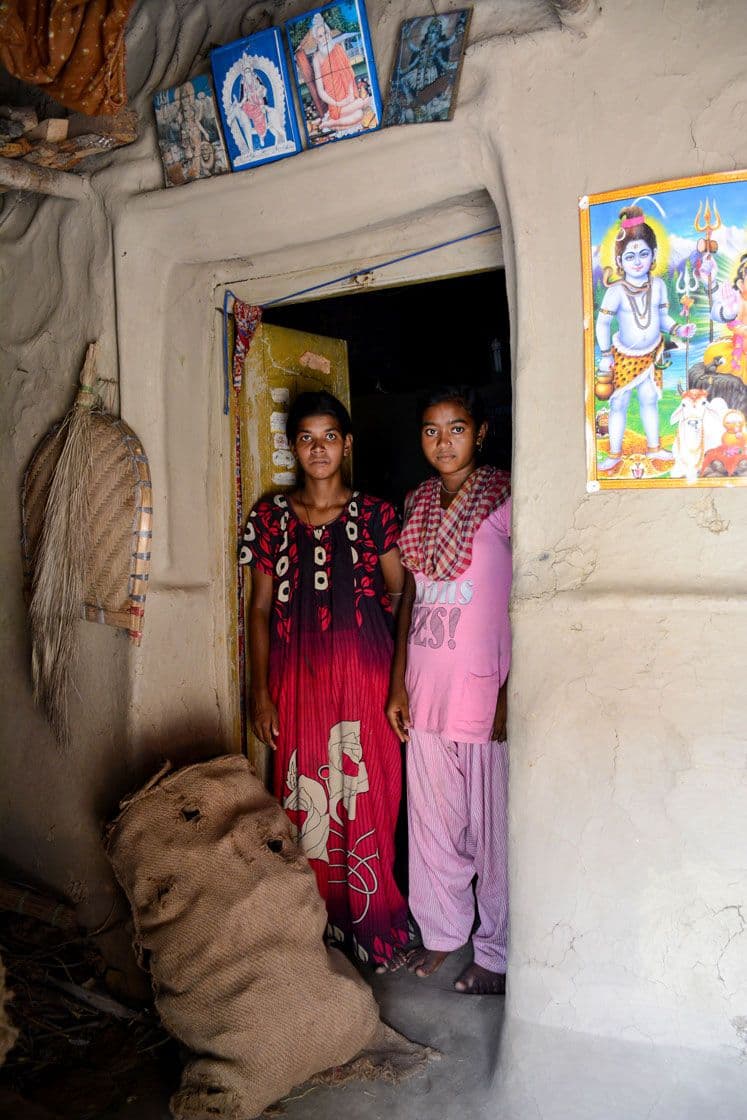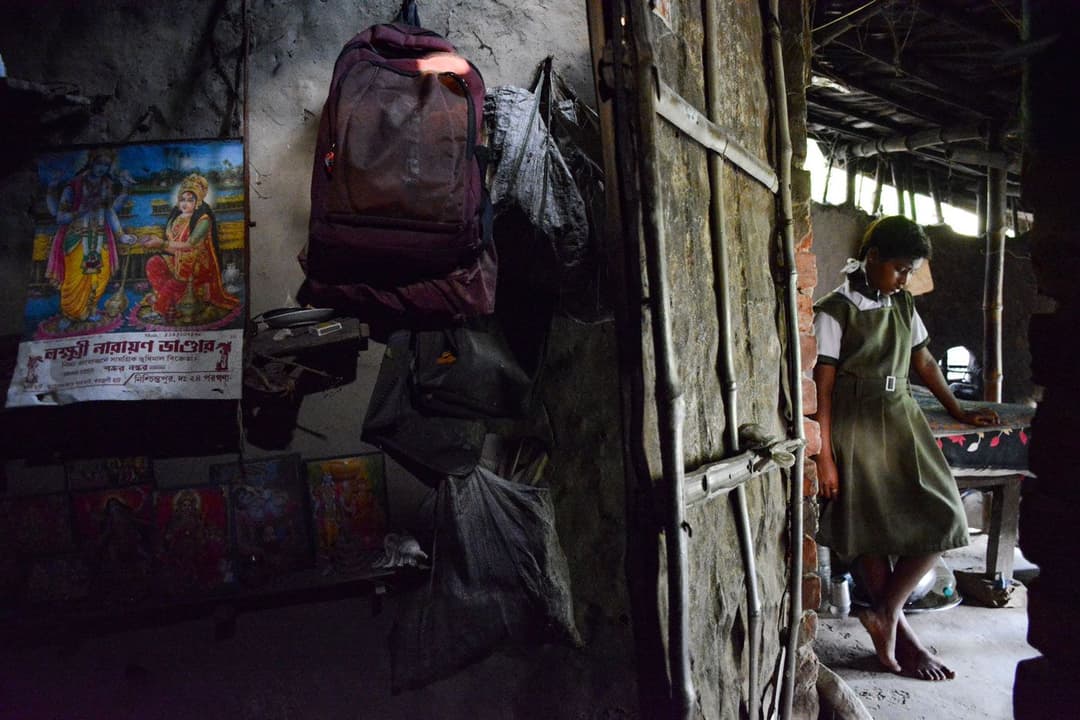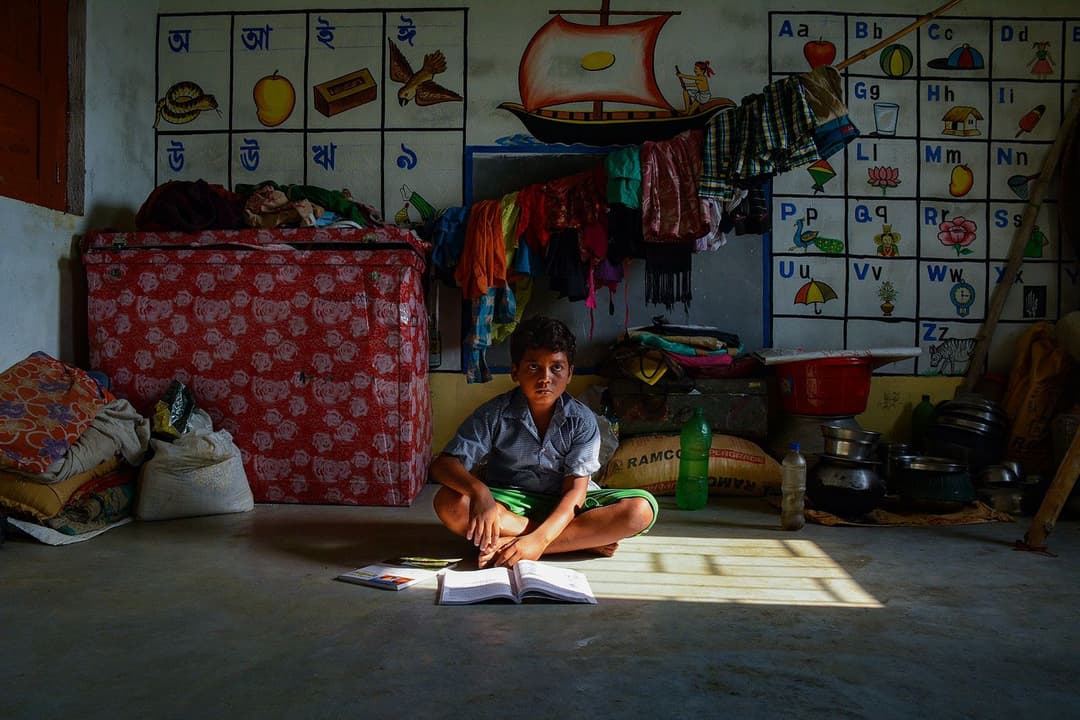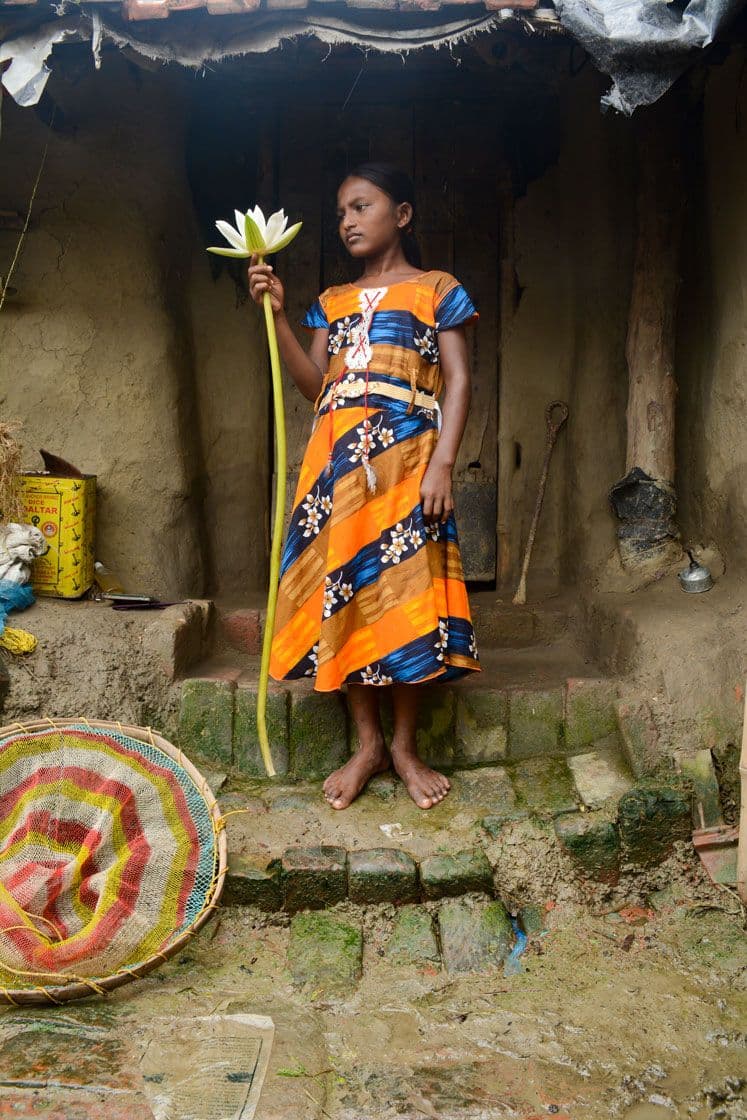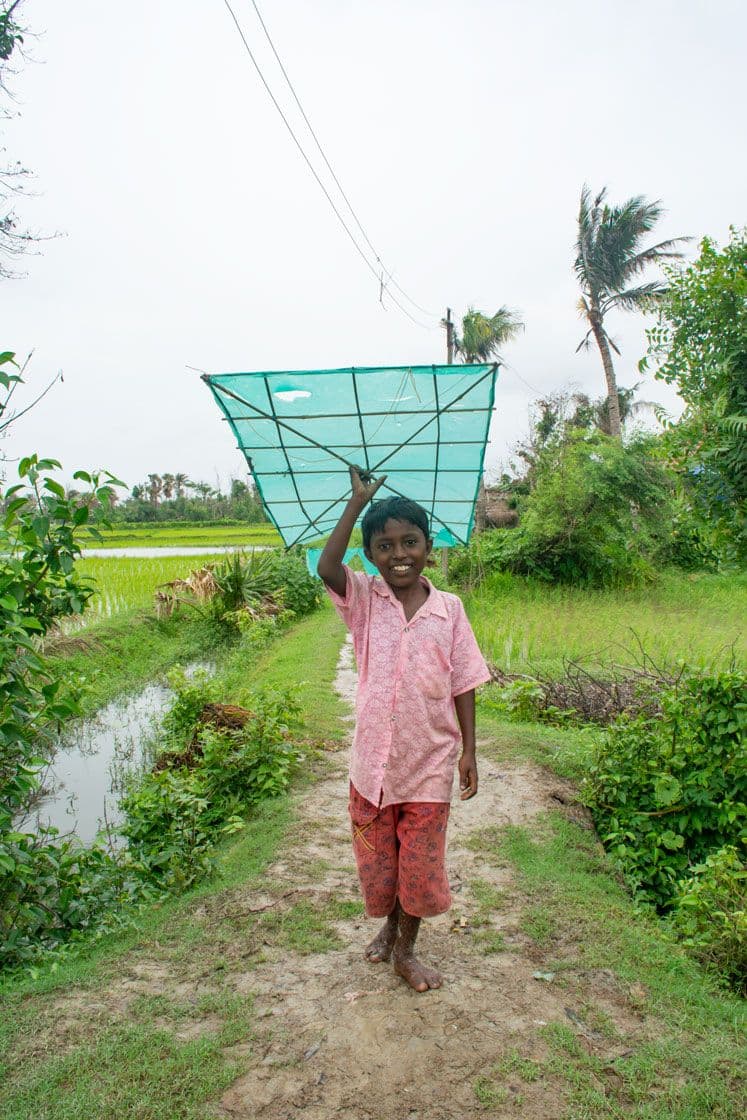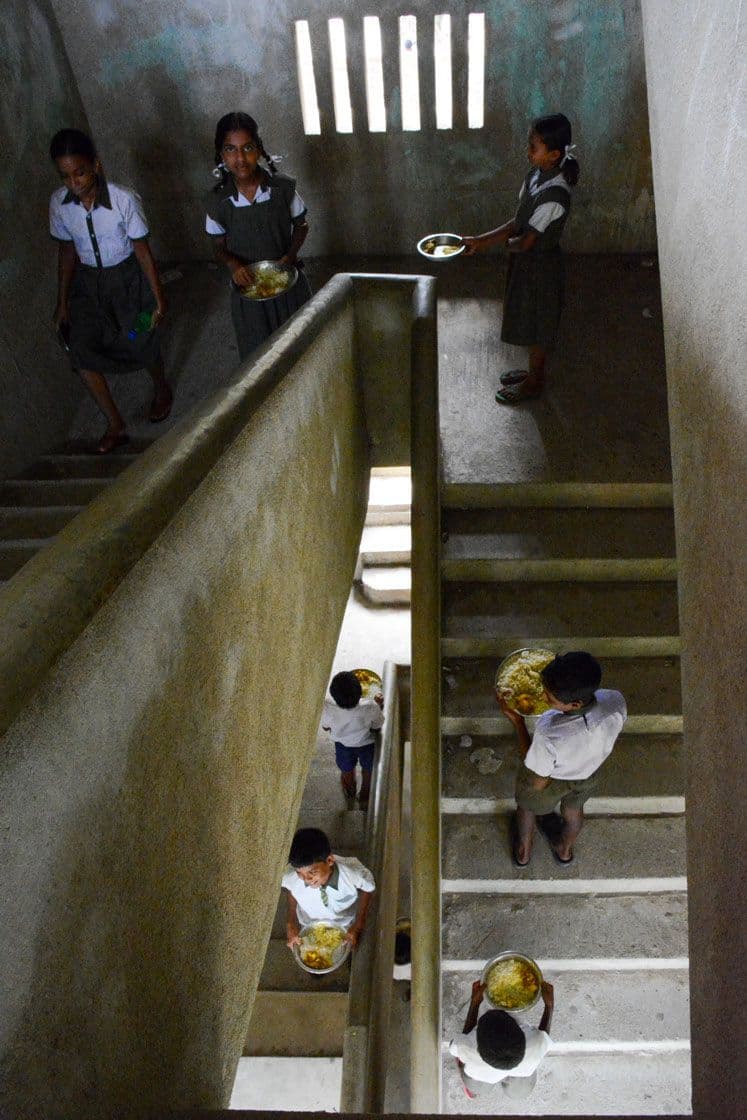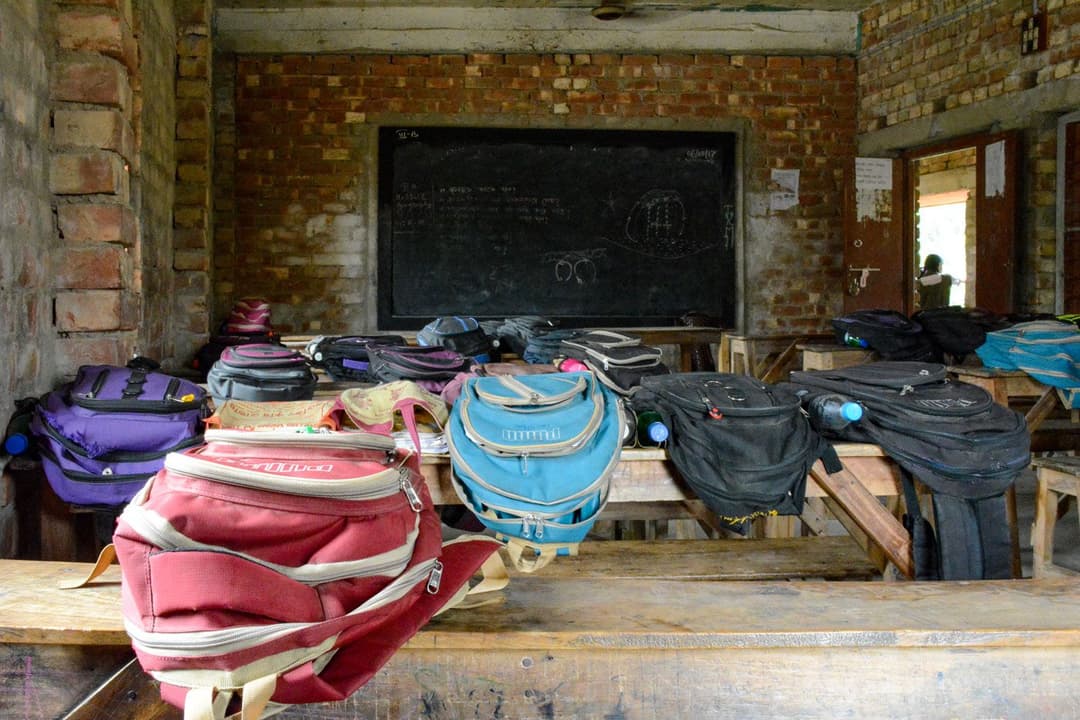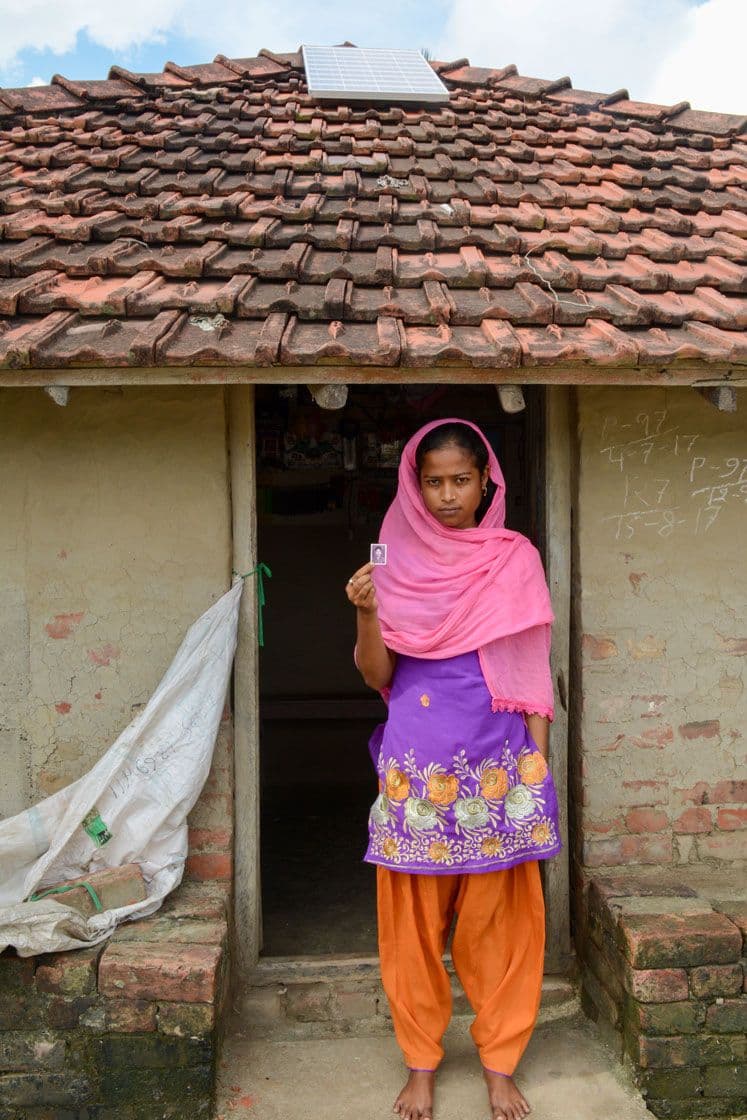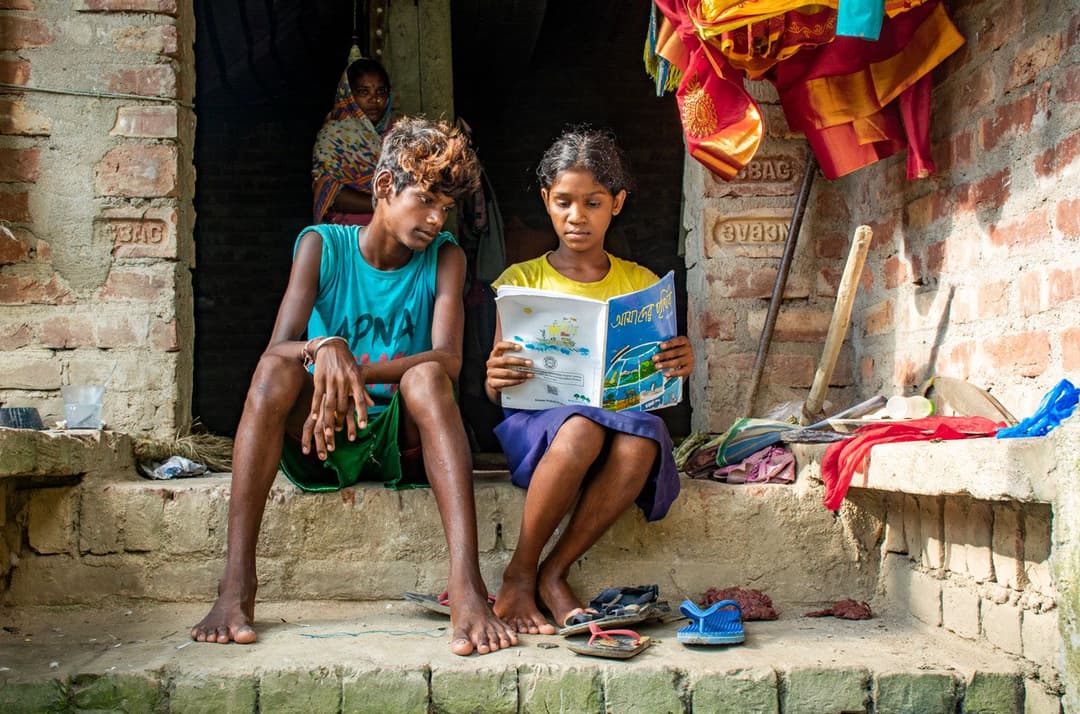
Shasti Bhuniya dropped out of school last year. She then boarded a train to Bengaluru, nearly 2,000 kilometres from Sitarampur, her village in the Sundarbans region. “We are extremely poor. I could not have the mid-day meal at school,” she says. Shasti is 16 and was in Class 9, and in West Bengal and across India, students in government-run schools are given mid-day meals only till Class 8.
By March this year, Shasti made the return journey to her village in Kakdwip block of South 24 Parganas district. Her job in Bengaluru as a domestic worker had come to a halt when the lockdown began. With that, her income of Rs. 7,000 – some of which she would send home every month – also stopped.
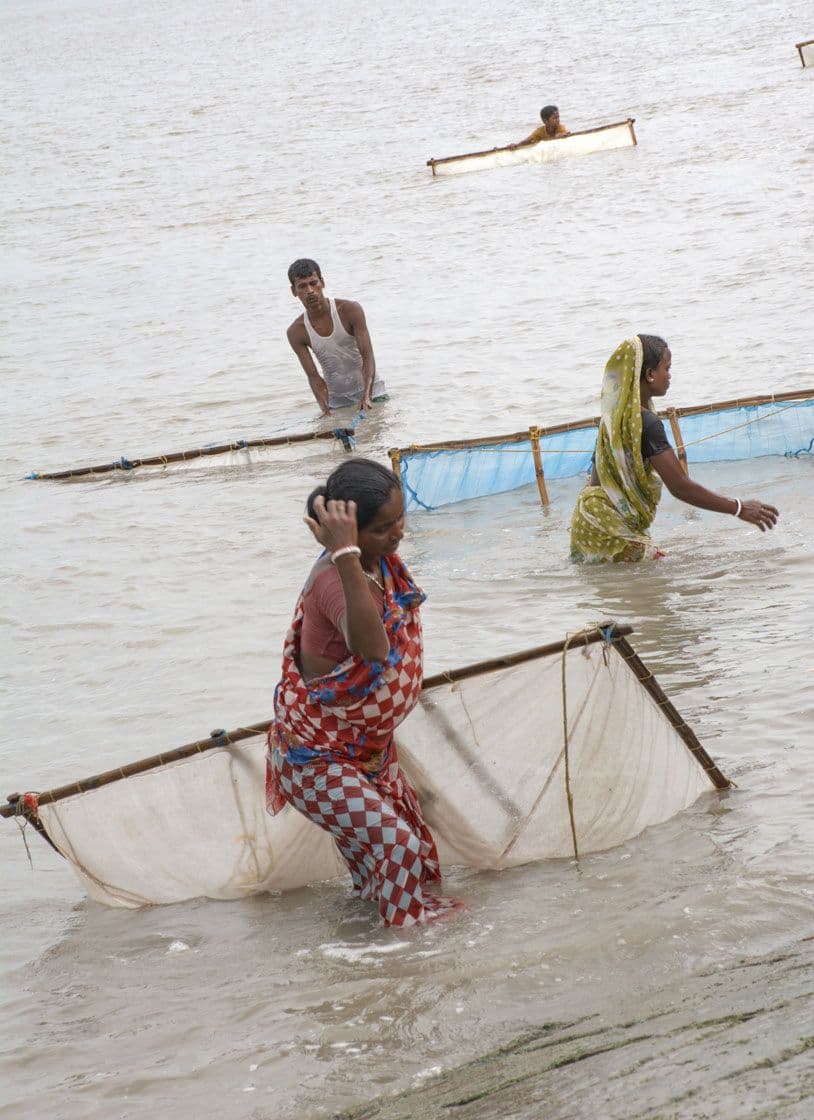
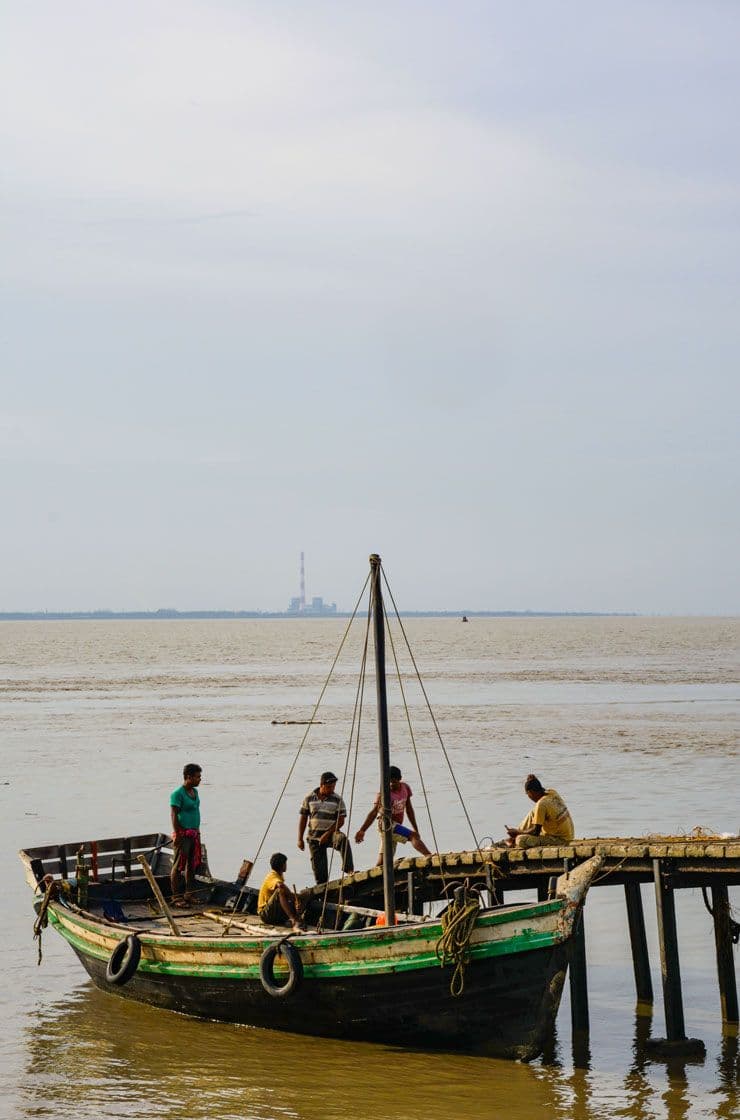
Shasti’s father, 44-year-old Dhananjoy Bhuniya, works as a fisherman on Nayachar island, just off the coast of Sitarampur – as do many in the villages here. He catches fishes and crabs bare-handed and sometimes with small nets, sells these in nearby markets, and returns home every 10-15 days.
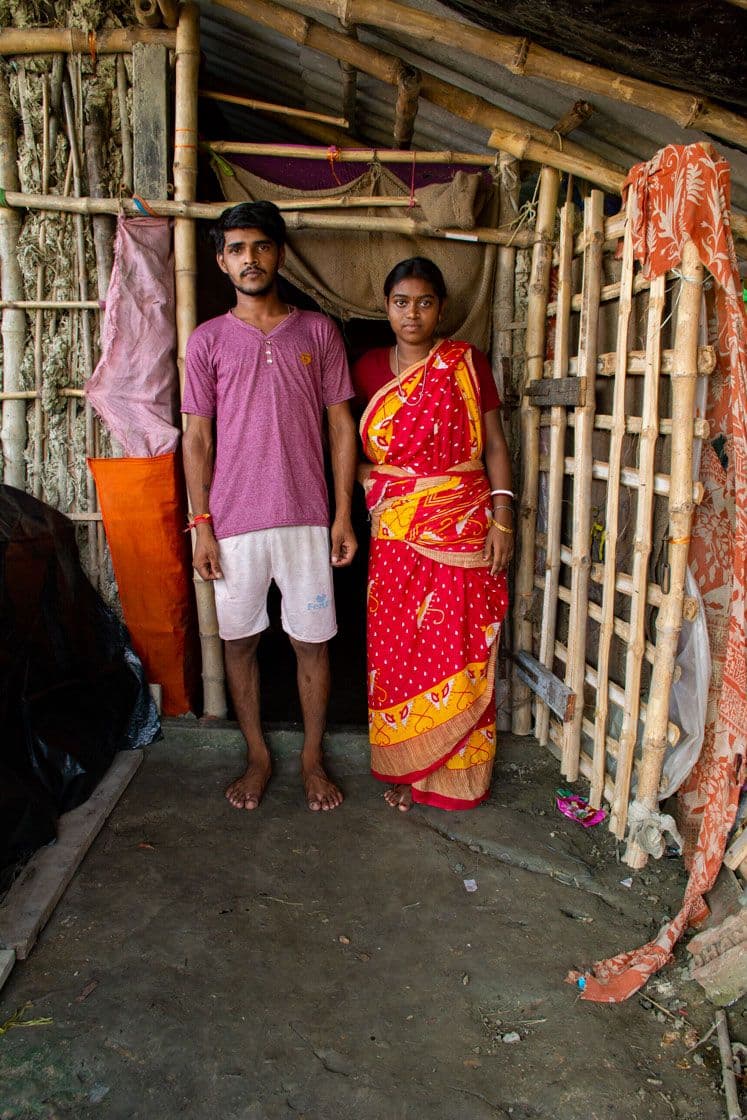
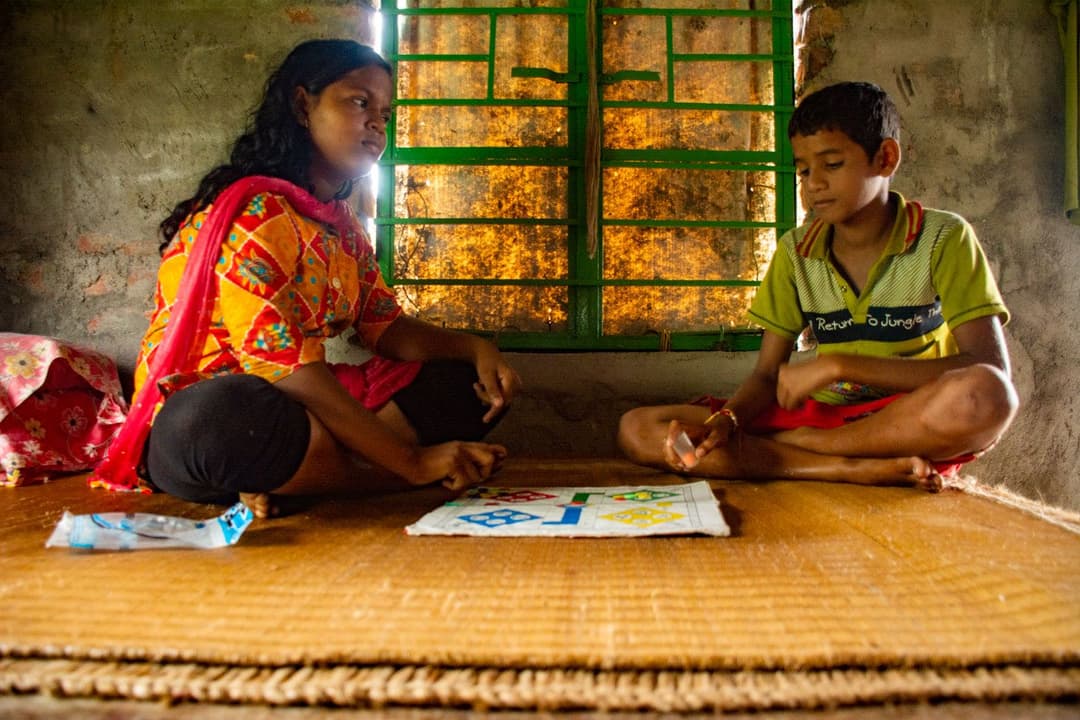
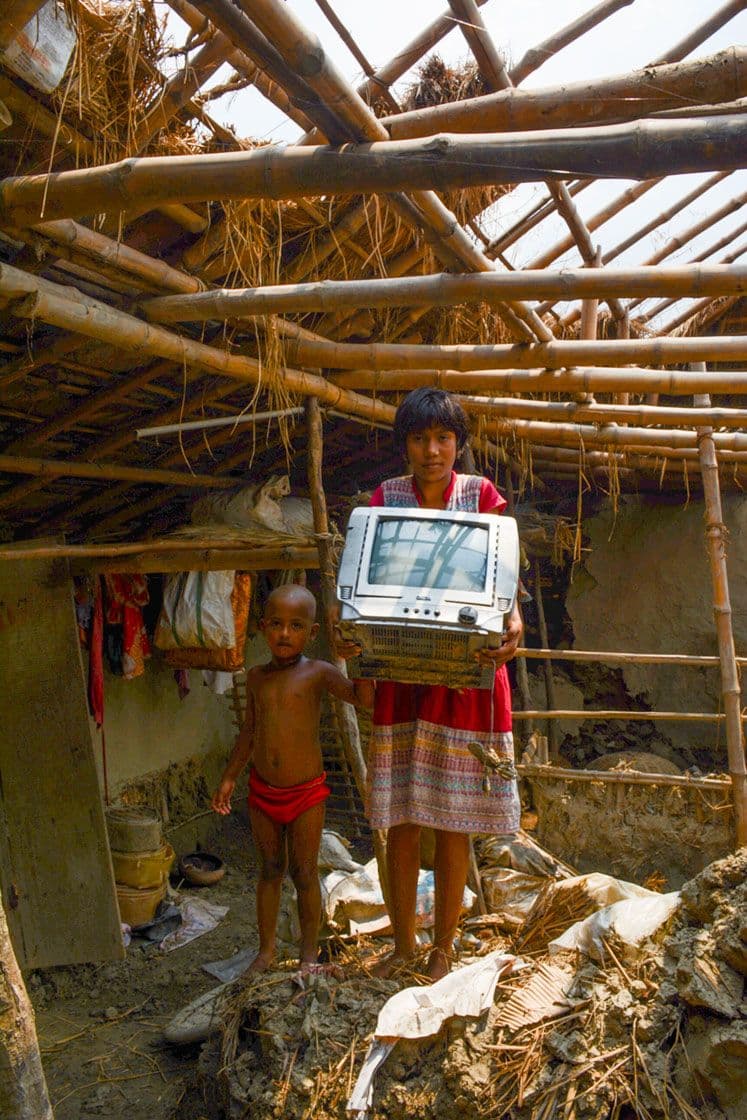
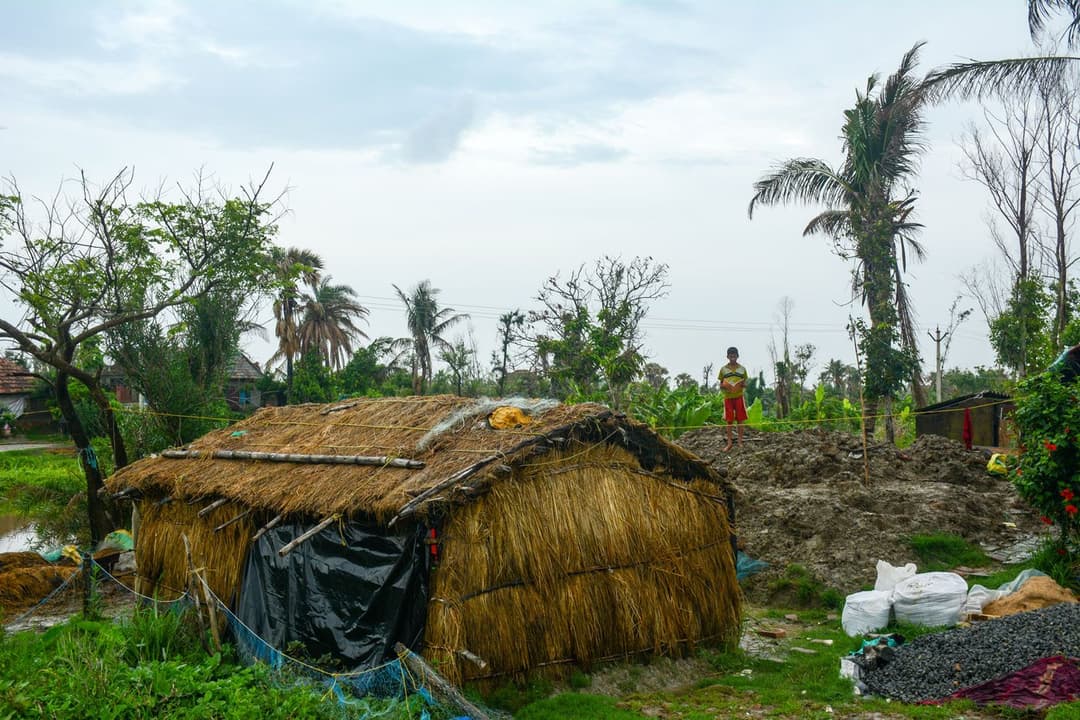
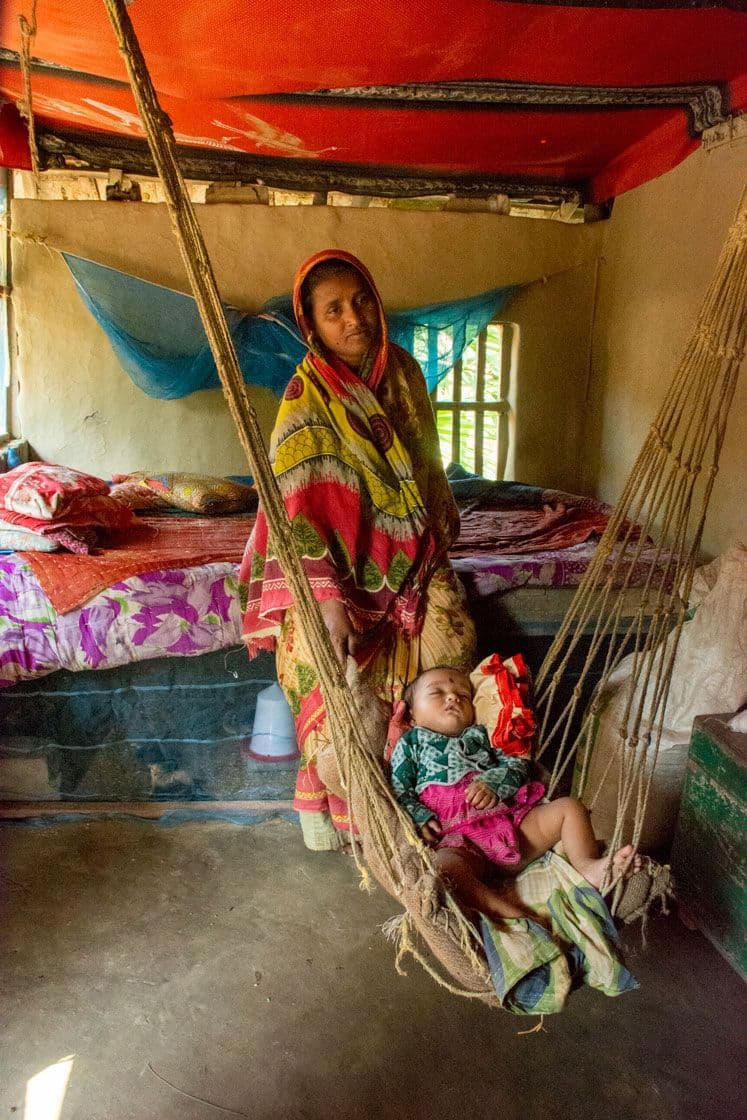
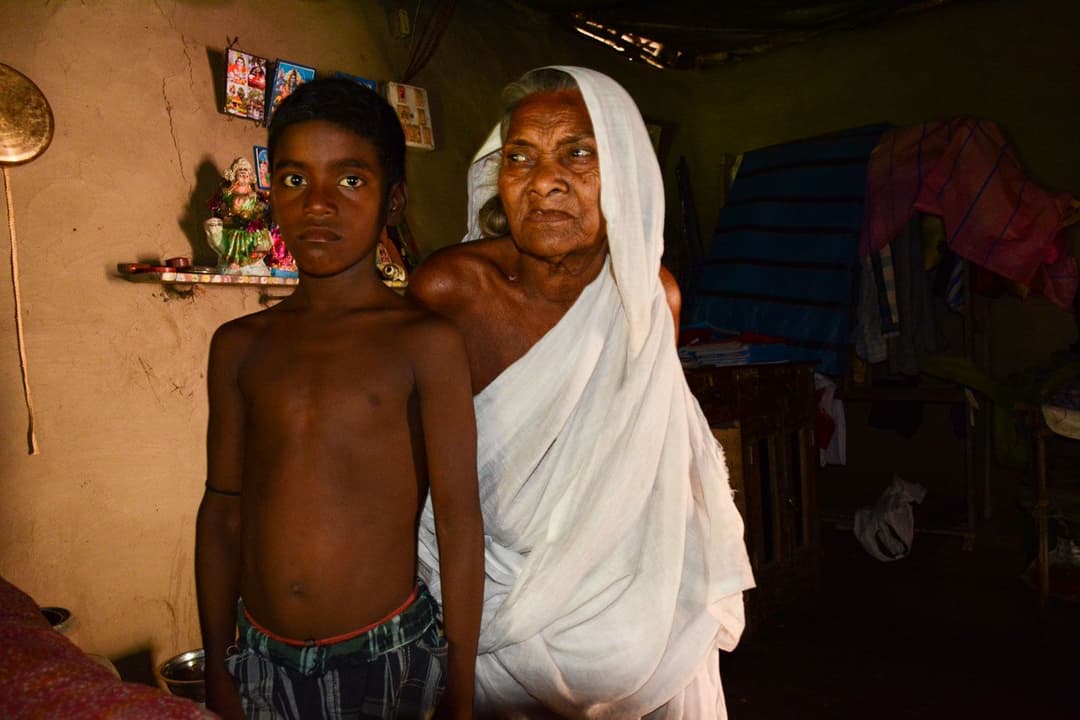
In their mud and thatch hut live Dhanonjoy’s mother Maharani, his daughters Janjali, 21, and Shasti, 18, and son Subrata, 14. His wife died a few months after Subrata was born. “We don’t get as many fish and crabs as before on the island, our income has reduced greatly [over the years],” says Dhananjoy, who now earns Rs. 2,000 to Rs. 3,000 every month. “We have to catch fishes and crabs to survive. What will we get by sending them to school?”
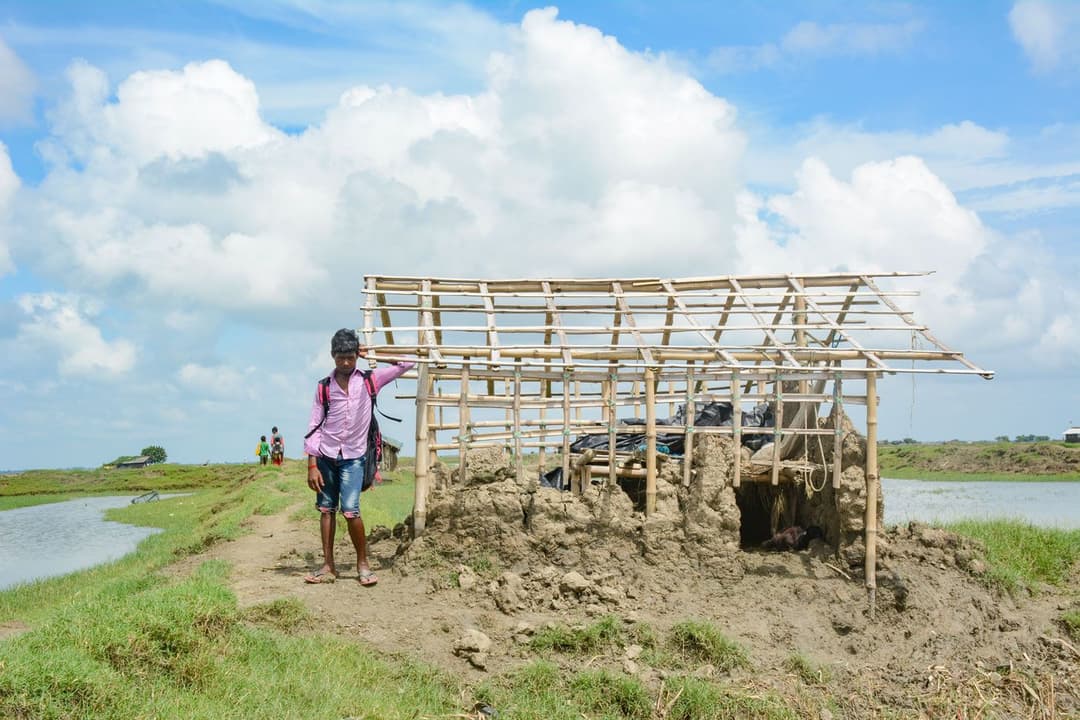
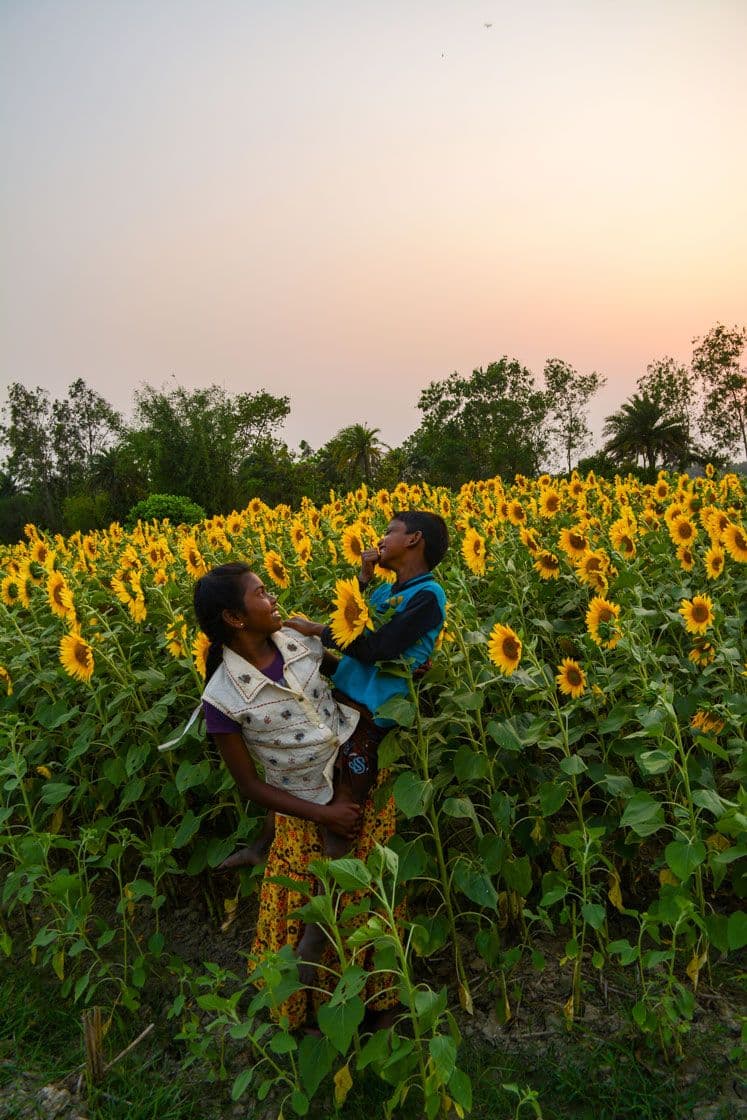
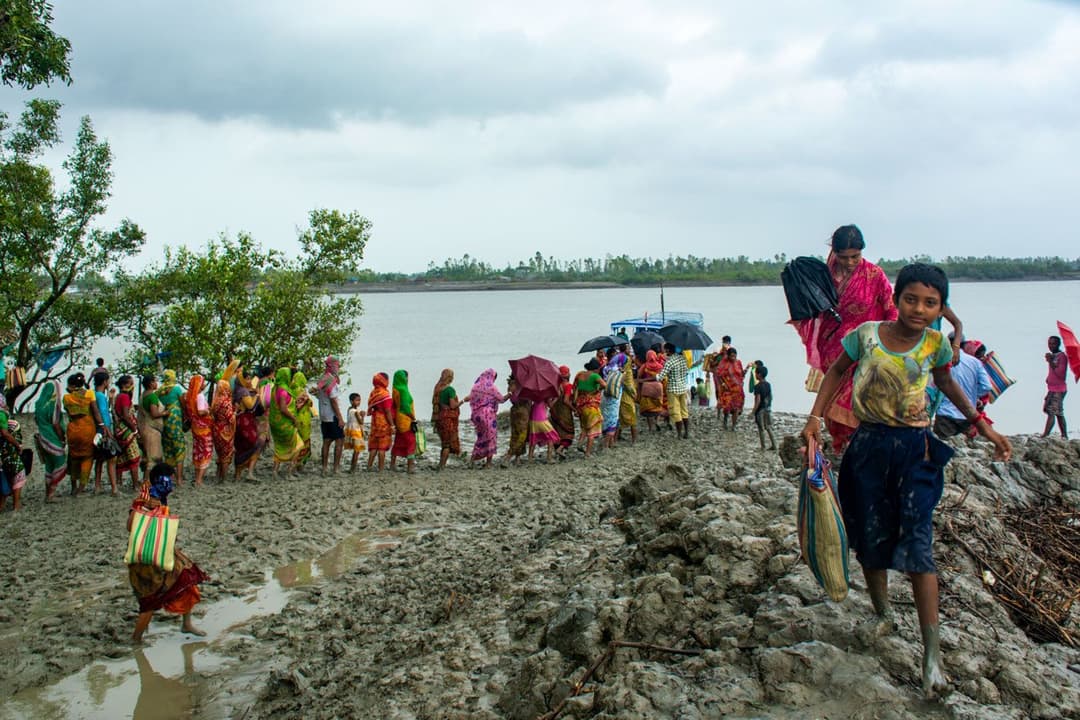
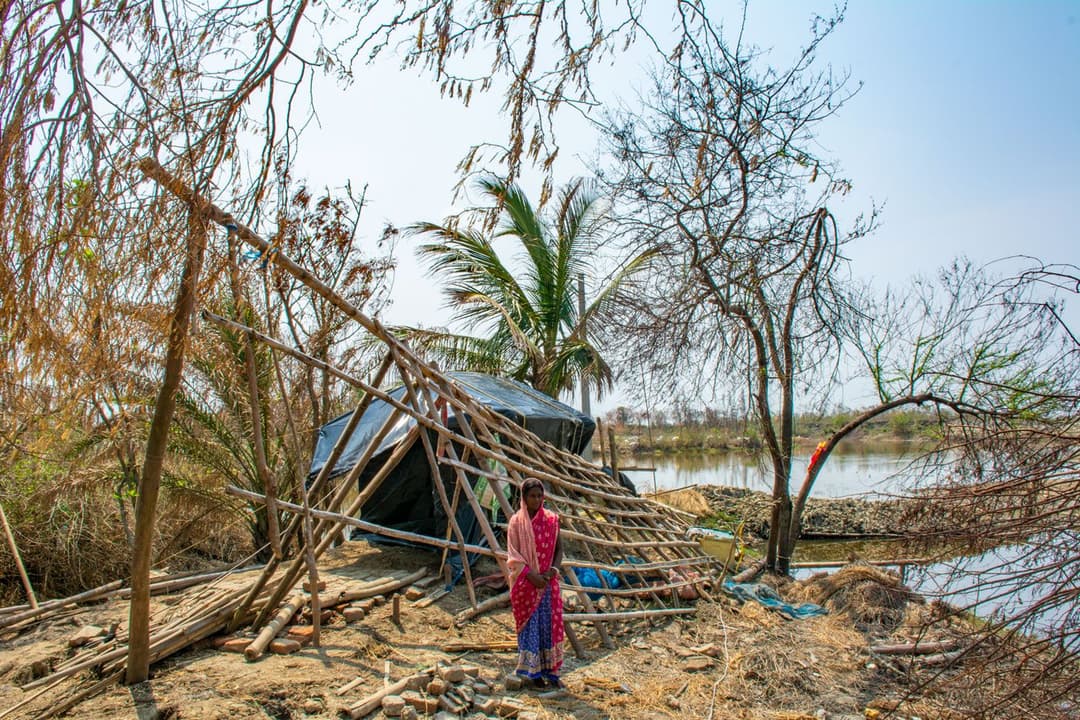
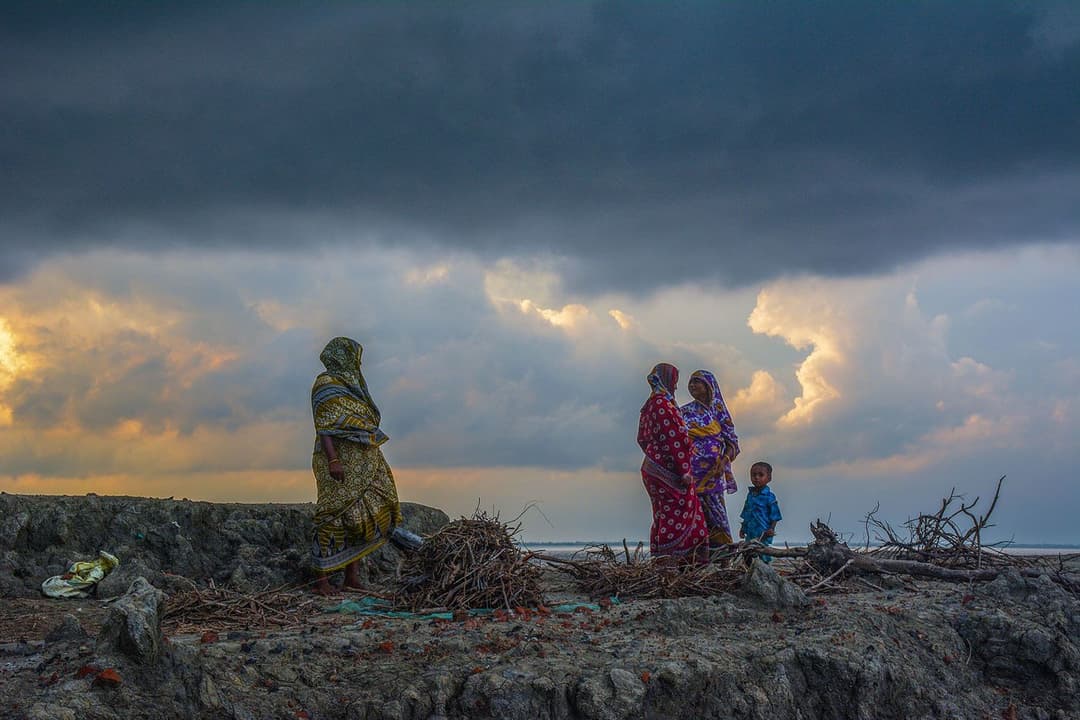
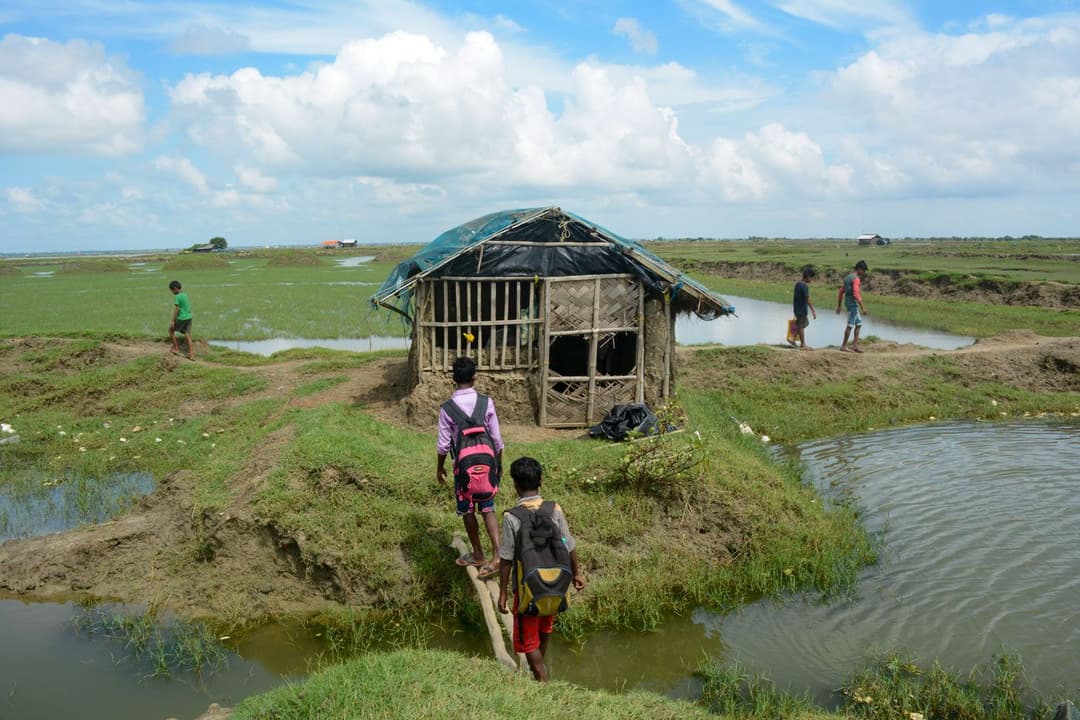
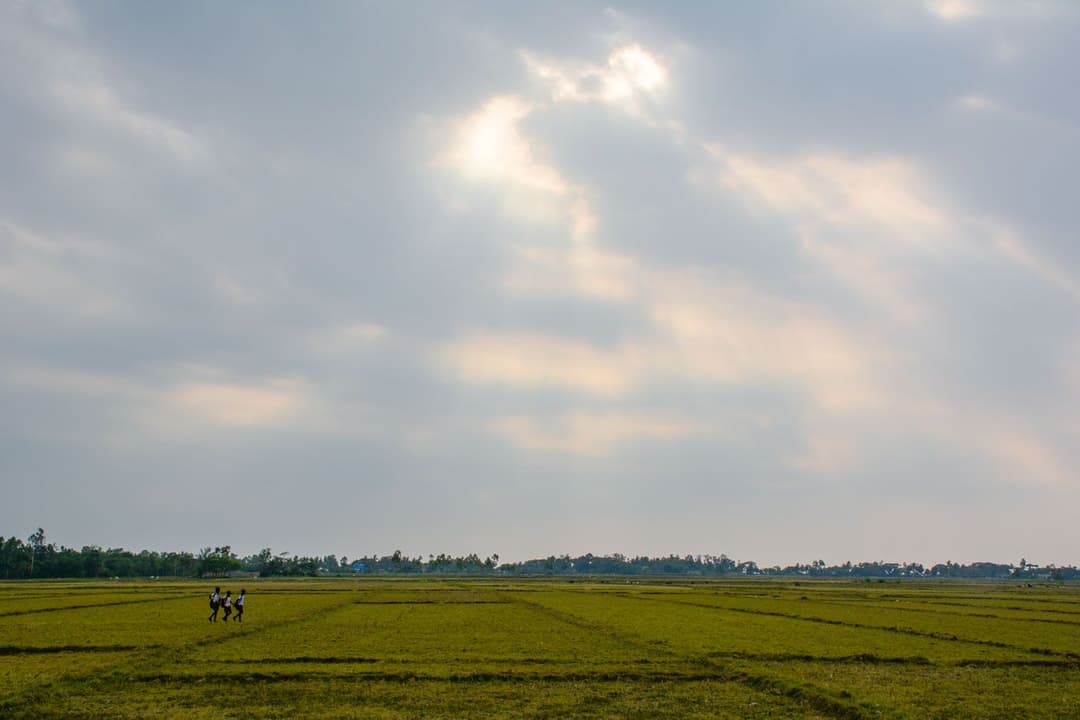
So just as Shasti dropped out, other students too are fast disappearing from the classrooms of the Sundarbans. The saline soil makes agriculture difficult, and widening rivers and recurring cyclones keep ravaging their homes in the delta. As a result, many from the villages in this region migrate to earn a living. Even children – often they are first generation learners – are pushed to migrate by the age of 13 or 14 to look for work. They don’t make it back to class.