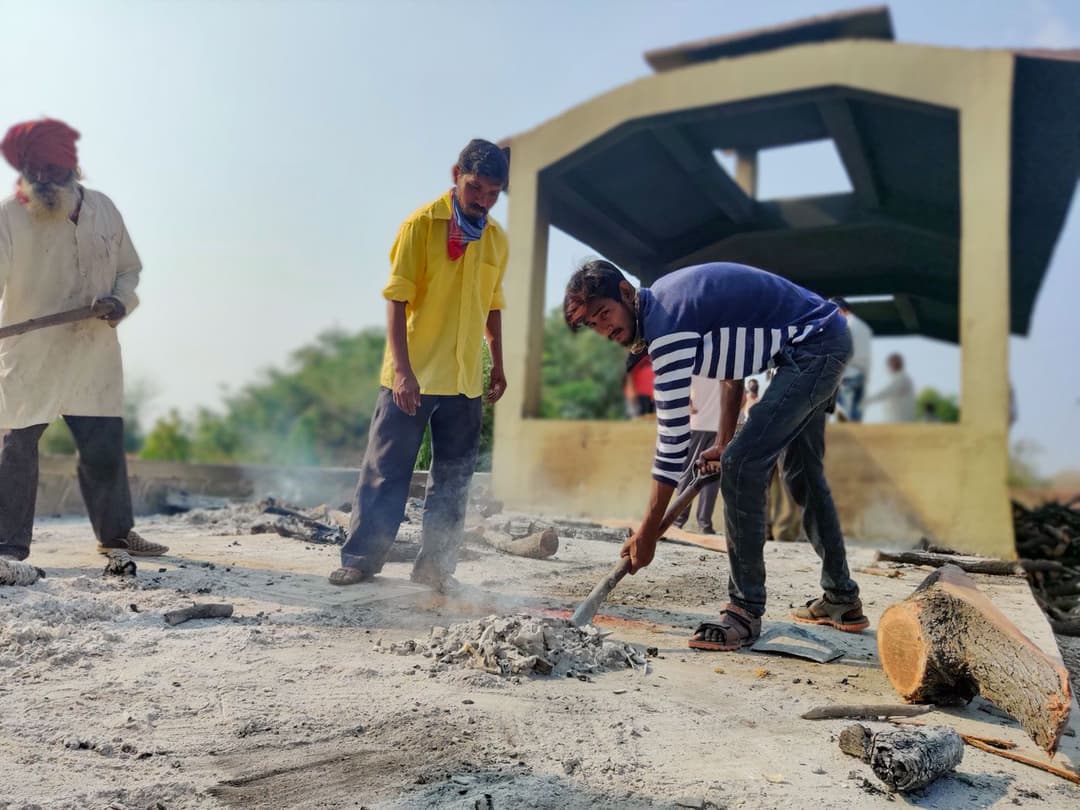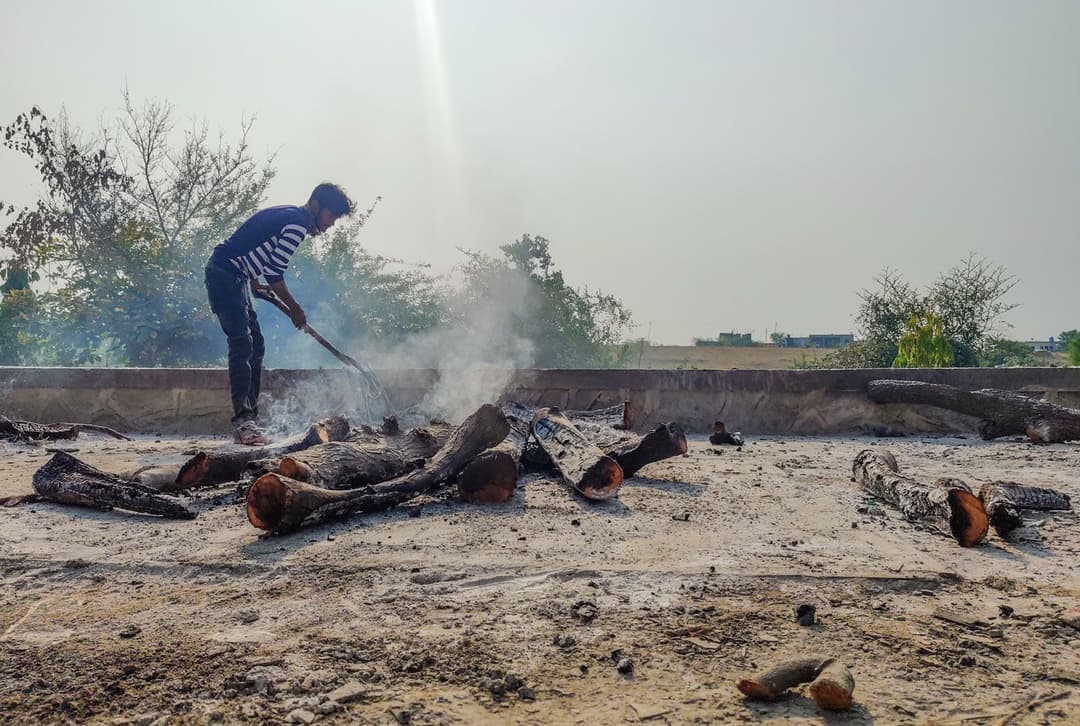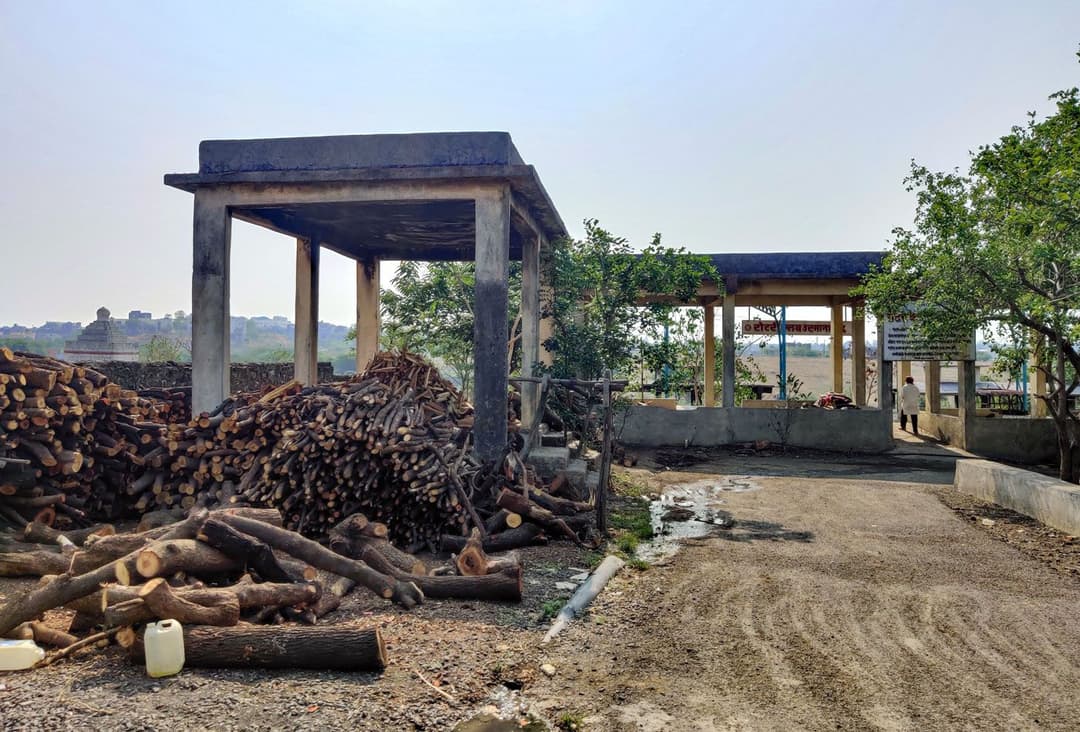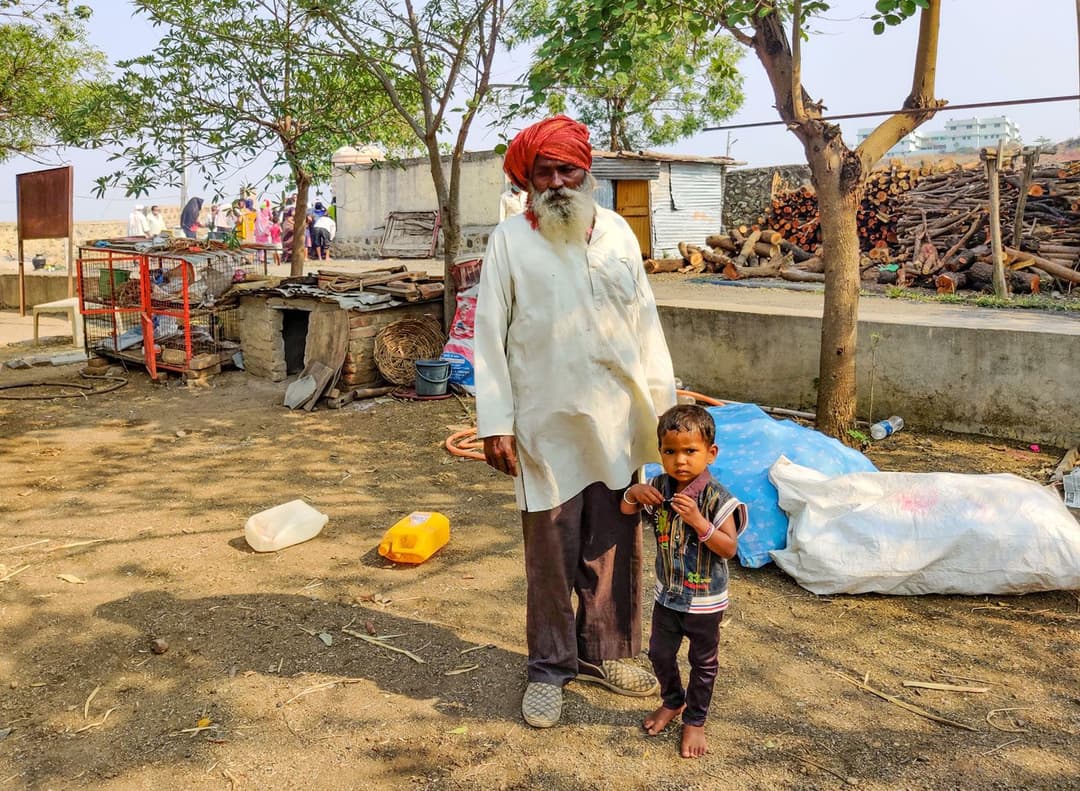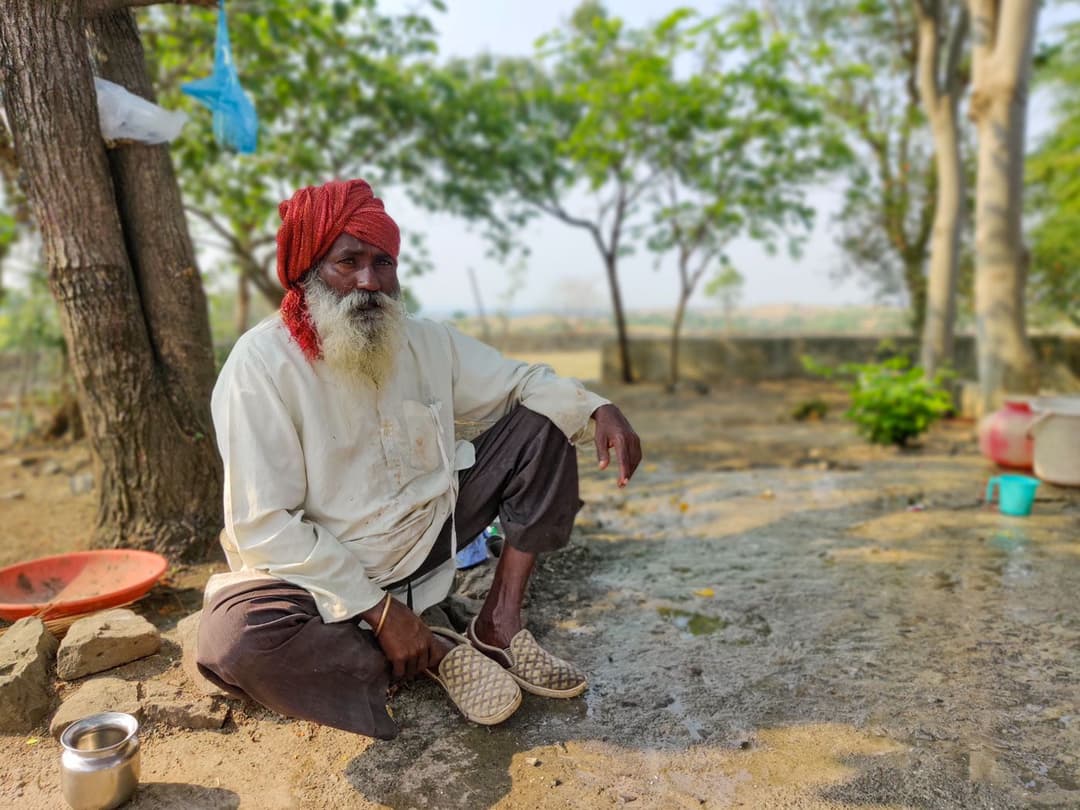

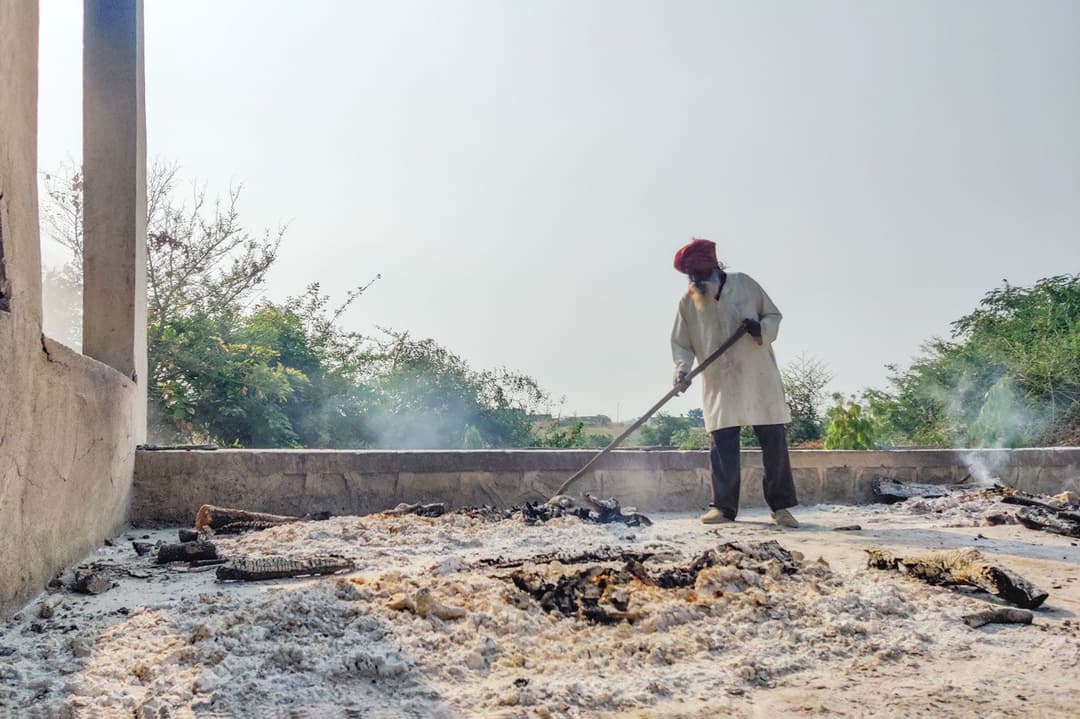
Rama Adellu Gandewad feels anxious and disturbed all the time, and he knows why. Even though the dreadful second wave of Covid-19 has receded, he can’t seem to blot out its memories. “The crematorium has not been busy for a while,” he says. “But what if a third wave comes? I can’t think of going through the devastation all over again.”
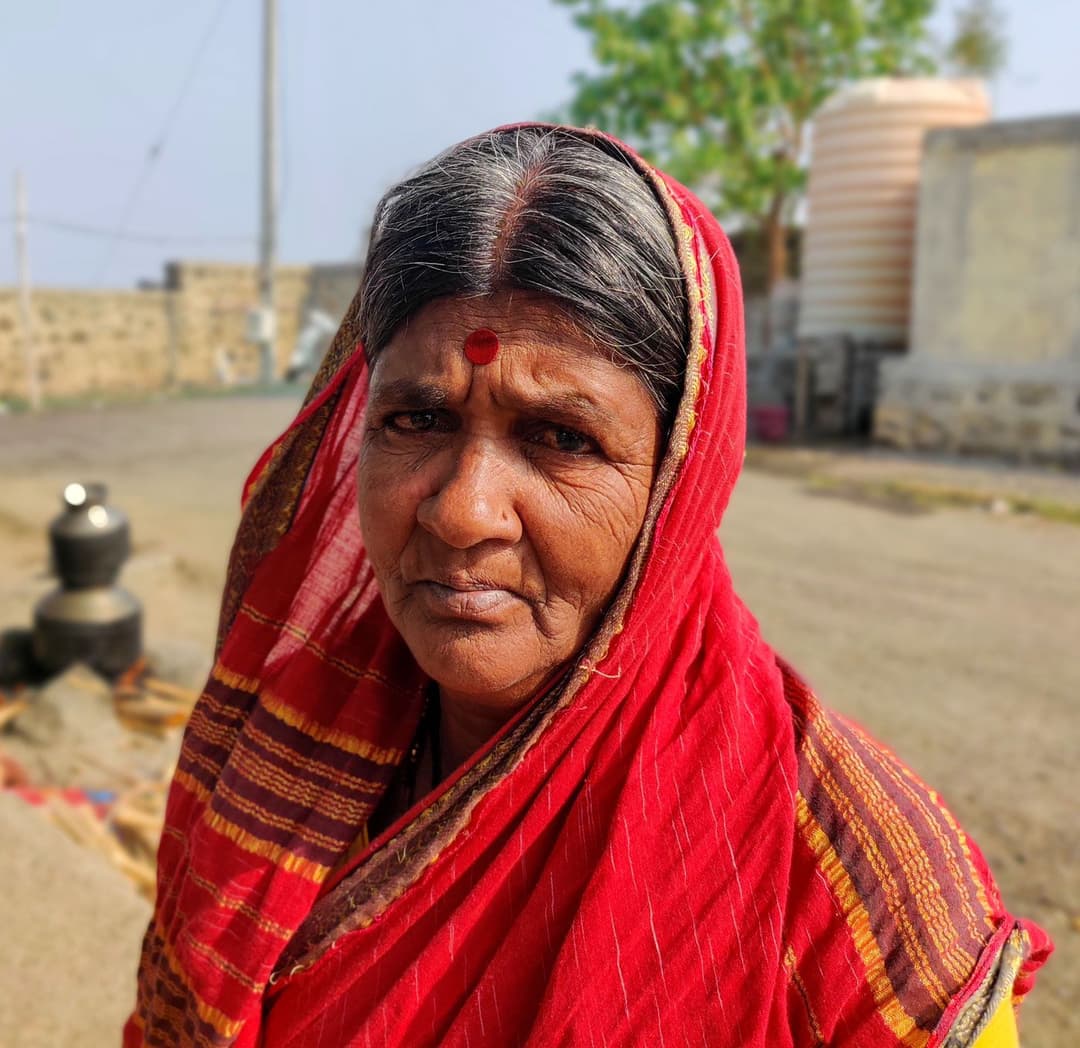
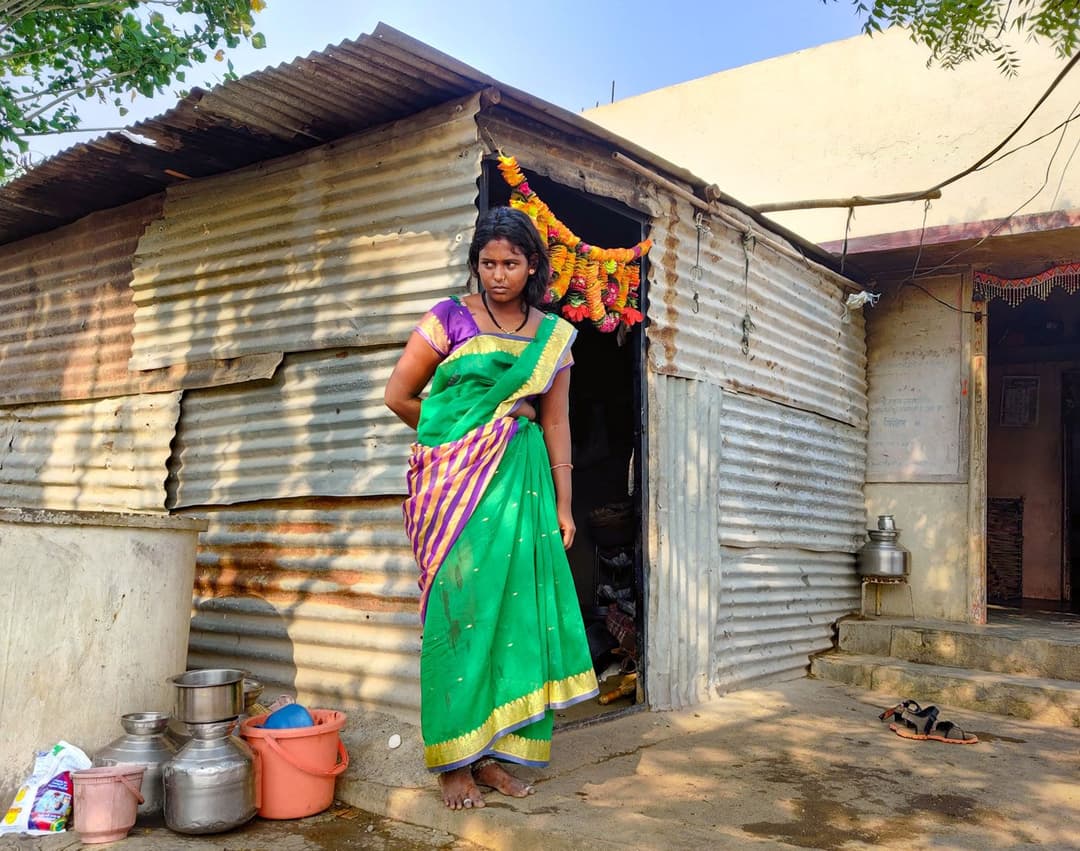
A cremation worker, 60-year-old Rama is employed at Kapildhar Smashan Bhoomi, in Maharashtra’s Osmanabad city. He lives on the crematorium premises with his family: his 78-year-old mother Adilbai; wife Lakshmi, 40; and their four daughters, Radhika, 18, Manisha, 12, and Satyasheela, 10, and Sarika, 3. Radhika’s 22-year-old husband, Ganesh, lives with them, too.
It is Rama’s job to manage the crematorium. “I set up pyres for dead bodies, clean up the ashes after the body is burnt, and so on.” Ganesh assists him in these tasks. “For this, we get Rs. 5,000 a month from the [Osmanabad] municipal council,” Rama says. The amount, which is payment for the work done by both of them, is the family’s sole income source.
Originally from Nanded – over 200 kilometres from Osmanabad city – Rama and his family moved here about 12 years ago. They belong to the Masanjogi community, categorised as a Nomadic Tribe in Maharashtra. Masanjogis have traditionally been cremation workers and alms-seekers. Like the Gandewads, some families live on cremation grounds and burial sites.