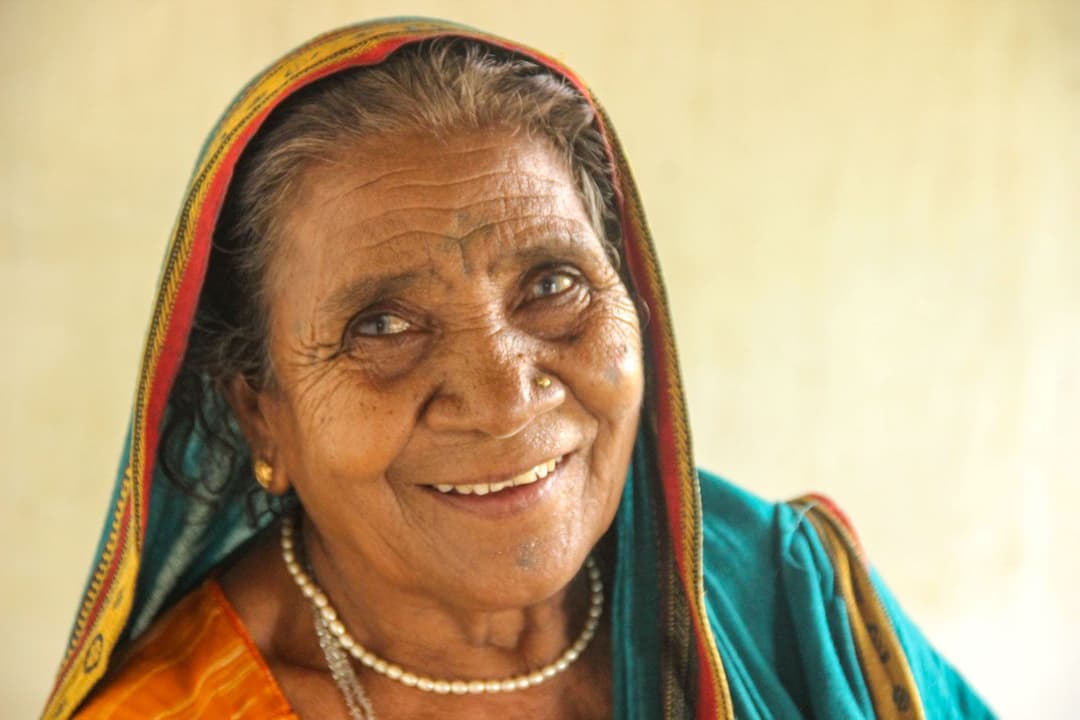
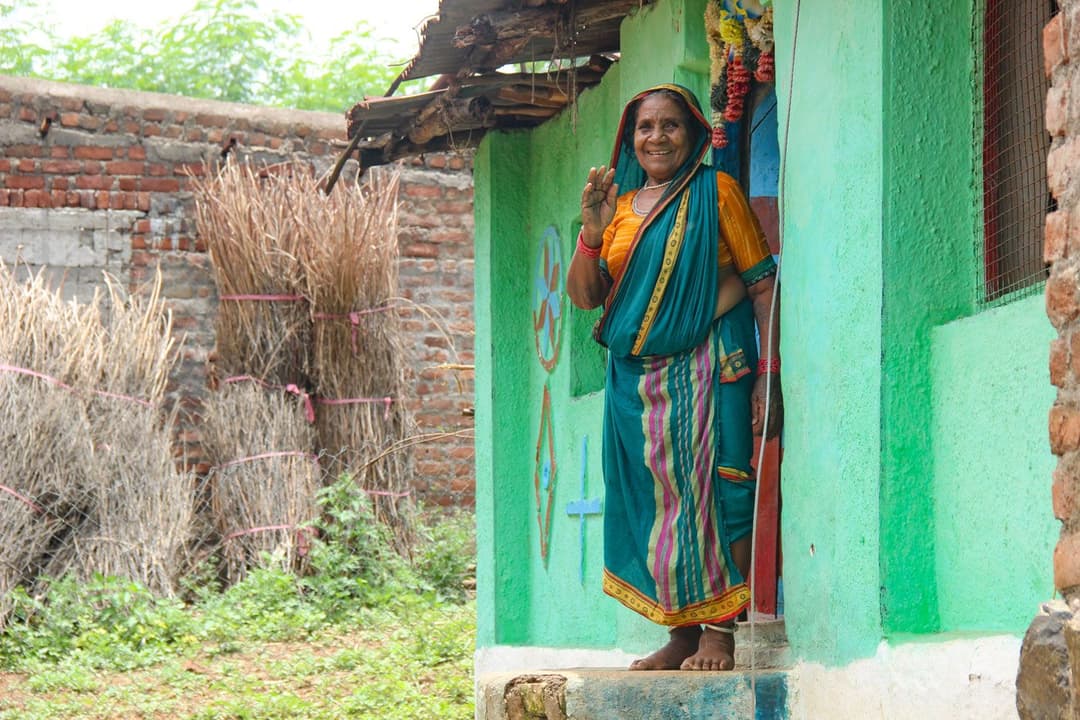
There are two babies in there, Ropi told the doctor at the private maternity clinic, confidently – though she didn’t have any ultrasound report to refer to.
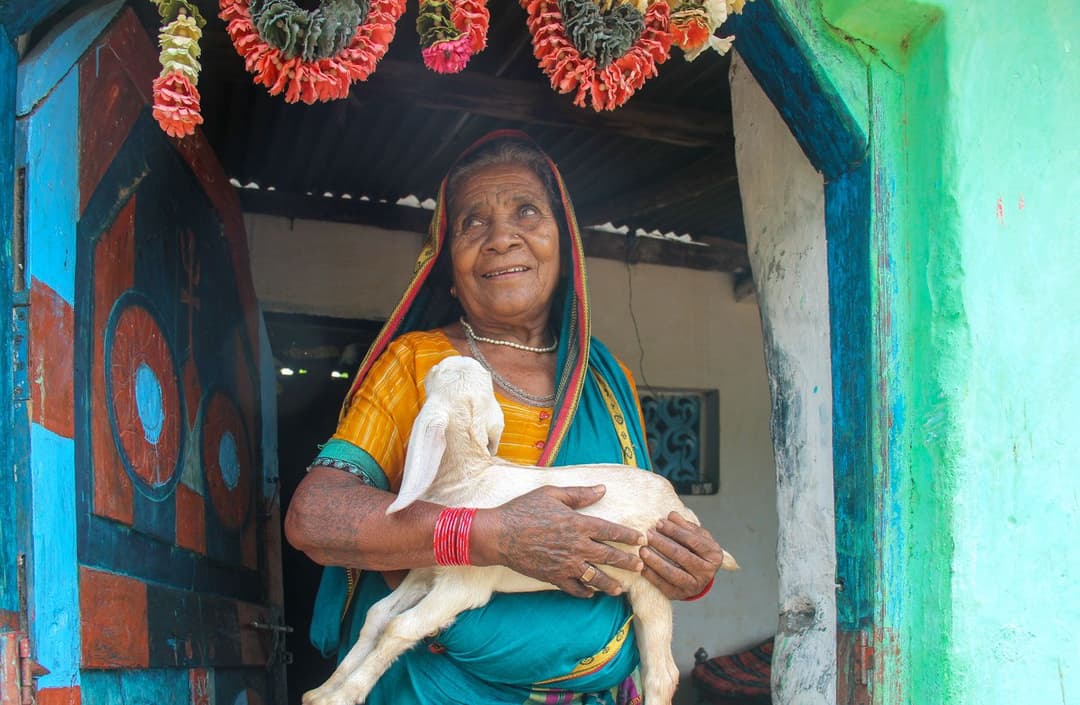
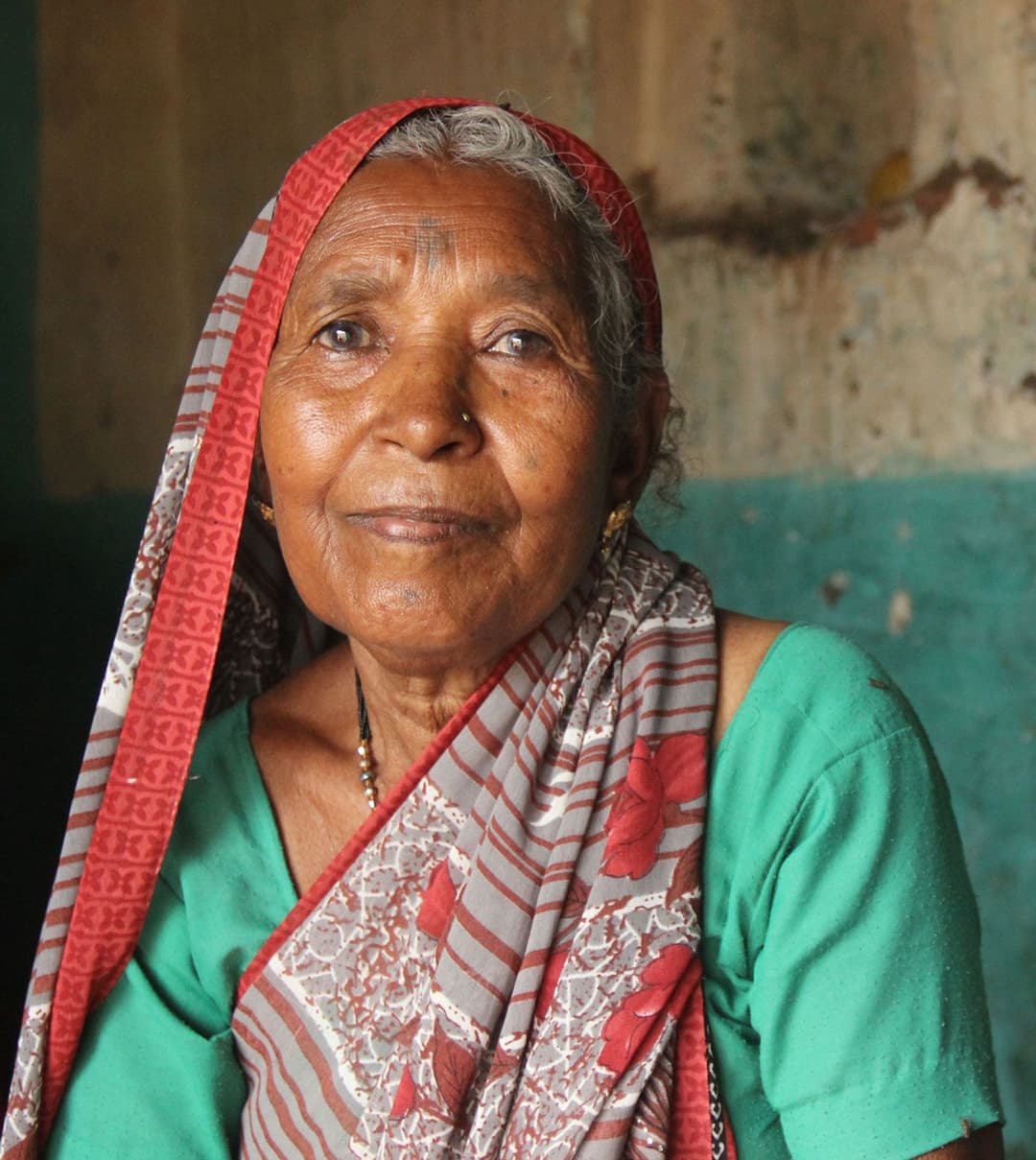
Ropi Mannu Bete recounts the incident from around two years ago with some relish and much mirth. “Kaan me woh lagaya [She wore that thing in her ears],” she says, miming the doctor using a stethoscope. The doctor took a final look at the frail pregnant woman’s moderately sized belly and disagreed with Ropi’s forecast of twins.
“Medam, do hota, do [Two madam, there will be two],” she repeated, before backing off to sit on a stool in the delivery room of the clinic. The 70-something Ropi and the mother-to-be, writhing in pain by then, were in Paratwada town, 20 kilometres from Jaitadehi, their village on the fringes of the Melghat forest in northeastern Maharashtra.
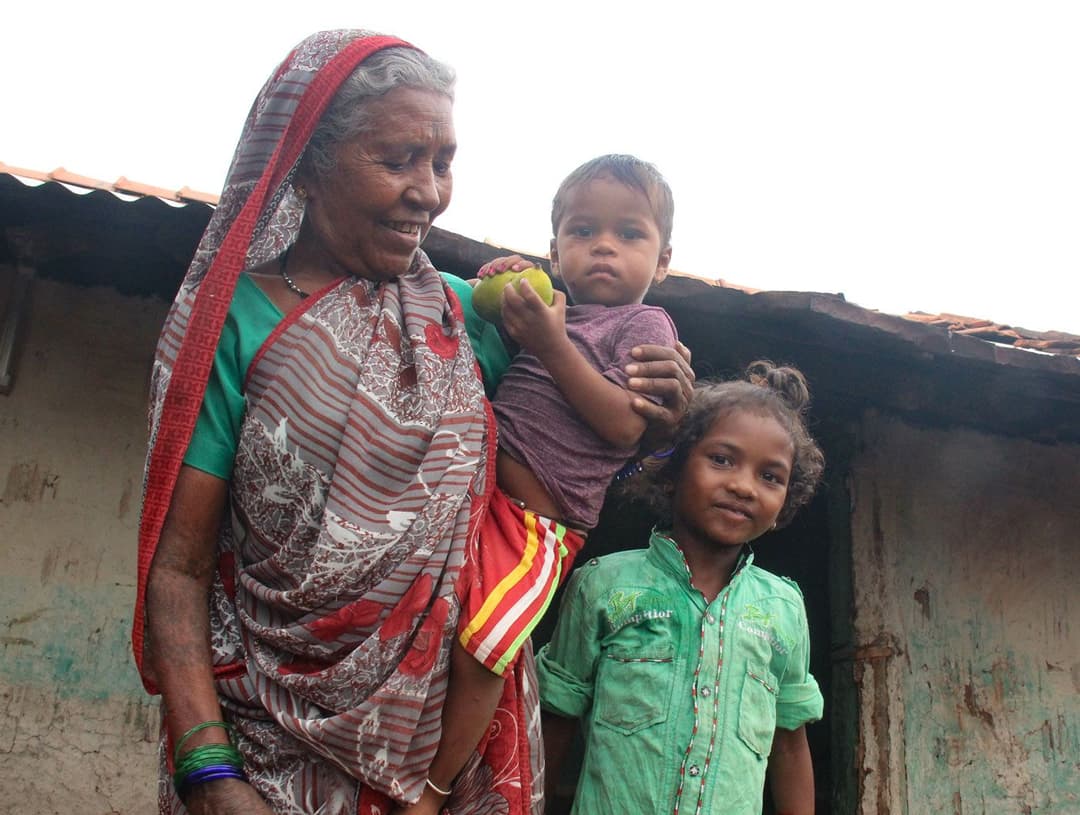
By evening, a boy was born and, seconds later, a second baby’s head emerged. A girl this time, a twin sister.
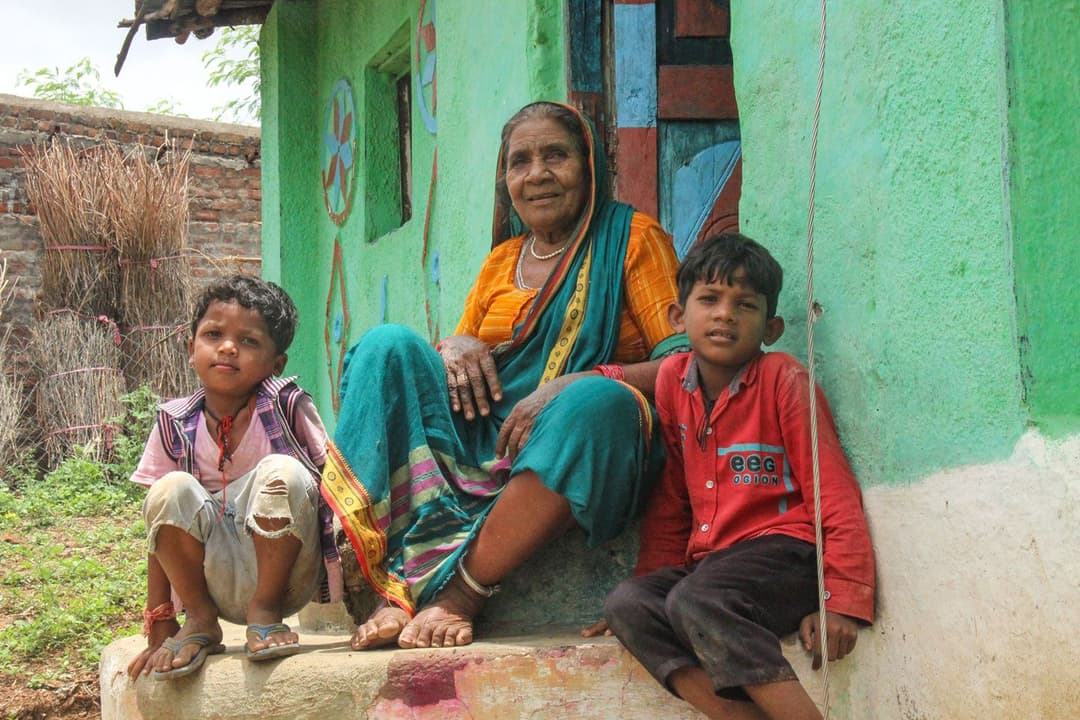
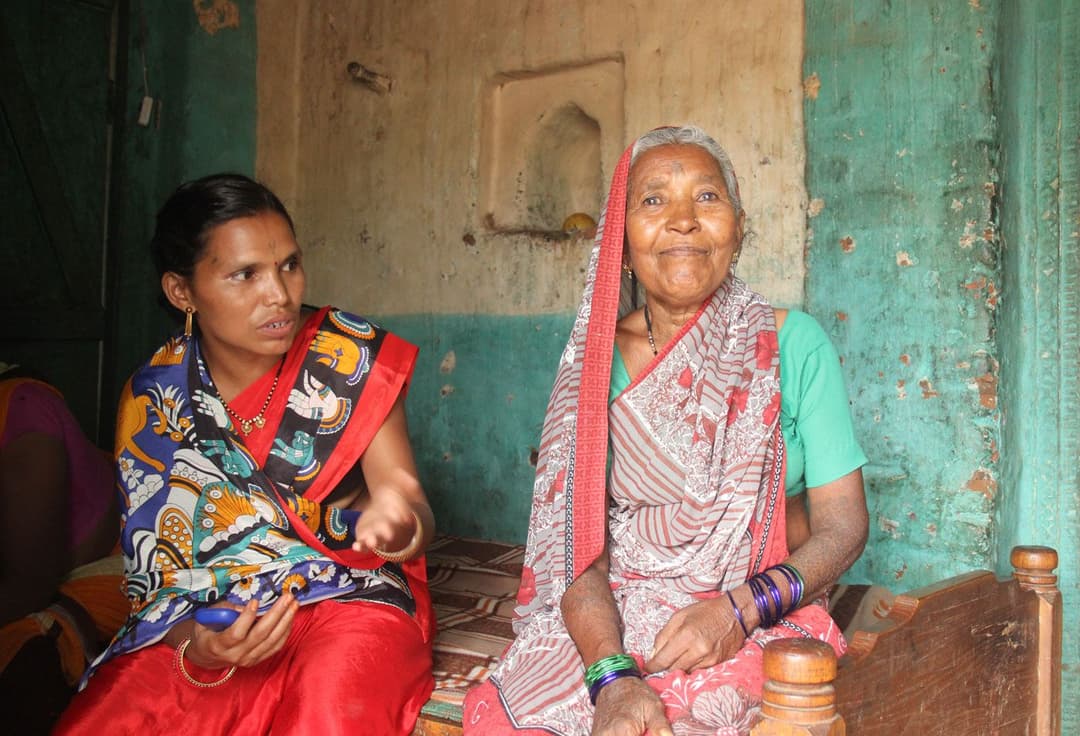
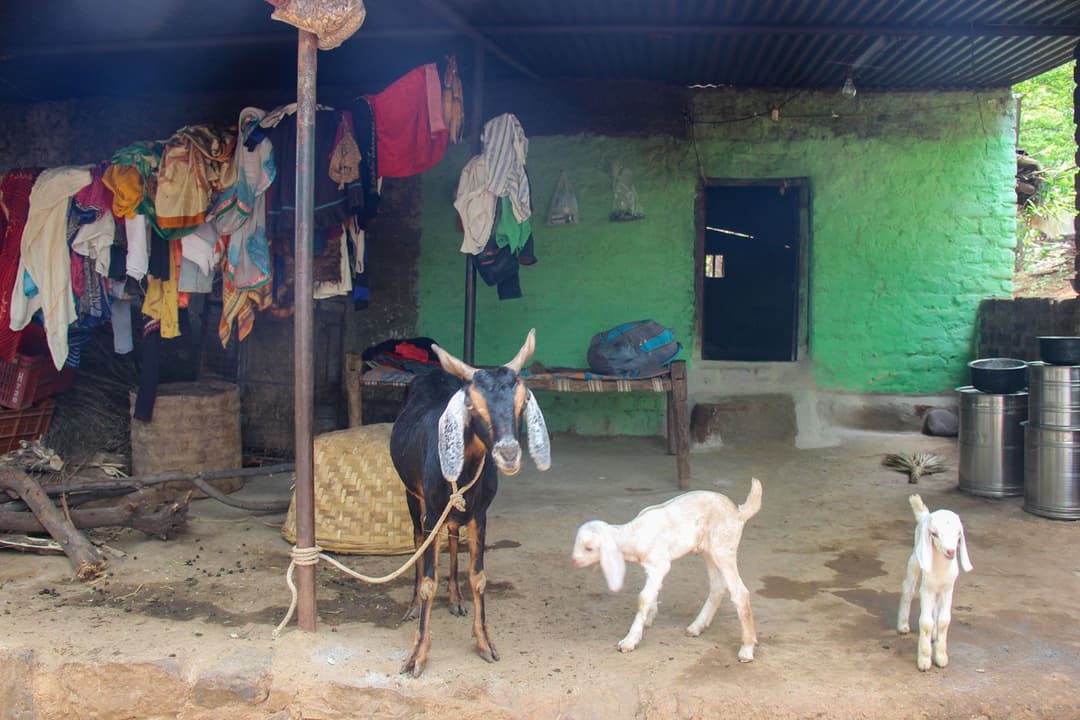
Ropi laughs loudly, seated on a bare wooden cot at one end of the verandah of her traditional mud-wall house, its floors swabbed to a sheen with cow dung. Inside, the three rooms with wooden rafters are empty, her grown-up sons away at work on the two acres the family cultivates.
She lets out an expletive in Korku – literally translated as a donkey’s privates – and laughs some more, the lines etched on her face deepening. “That’s what I told her,” she says, a little smug at the memory of hurling an abuse at a city doctor.