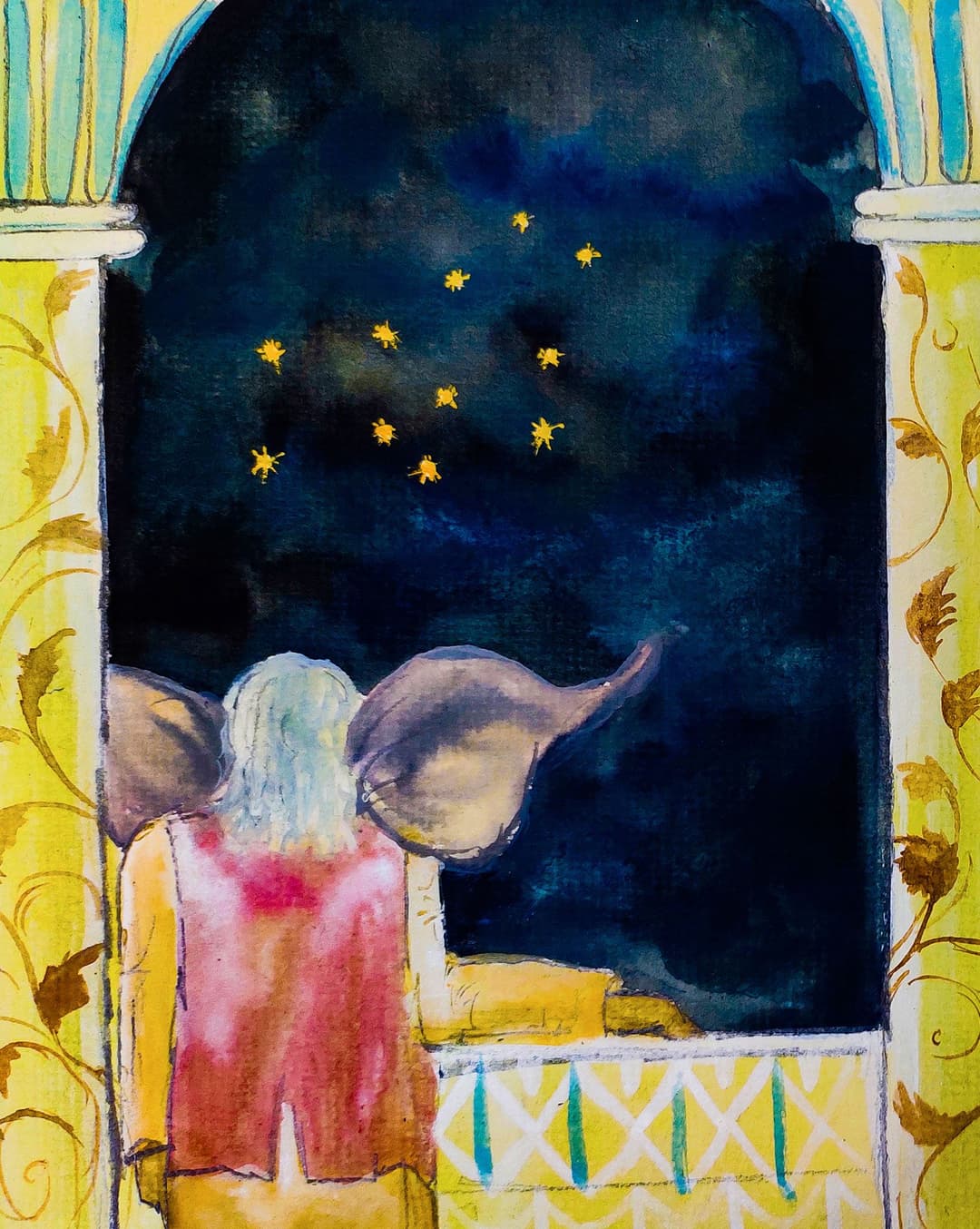

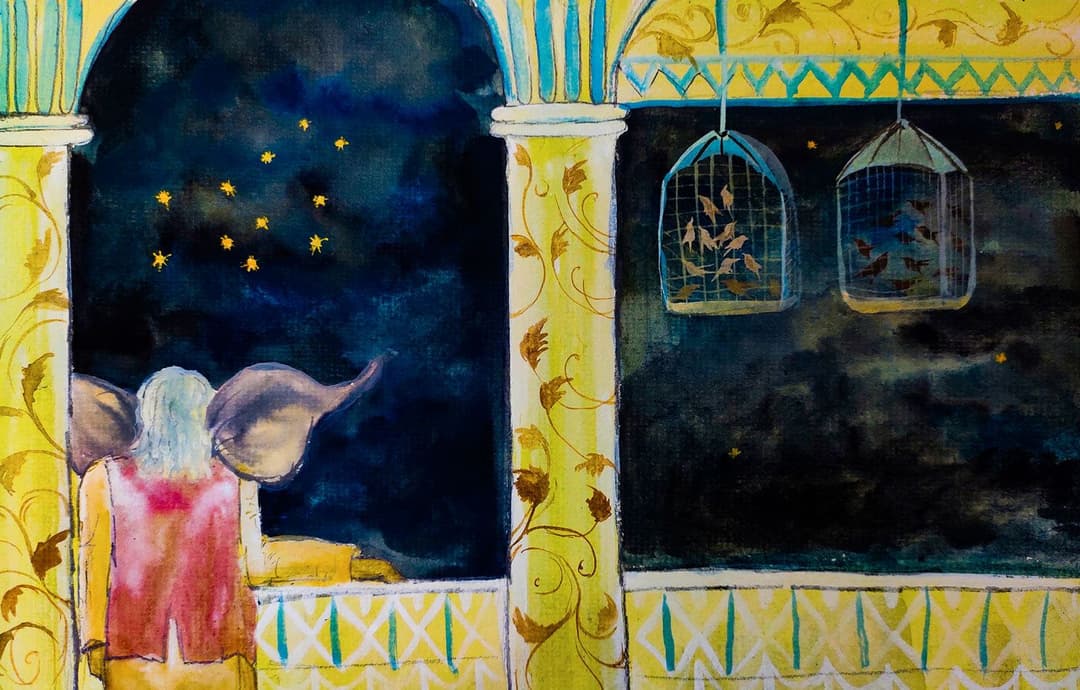
‘Raja Supadkanno’ – the king with elephantine ears, in Gujarati – was one of my most loved childhood stories. I first heard it from my mother, early on. Later, I heard several versions of it, even reading one of those myself in Gijubhai Badheka’s book of short stories for children. Badheka’s volume had many adapted folktales from across the world, like the one on King Midas’ donkey ears which was perhaps the inspiration for Raja Supadkanno.
It was the story of a king who once, lost and hungry in the forest, had wrung the neck of a sparrow and eaten it. That earned him a curse which left the king with giant, elephantine ears. Back in his palace, he spent the rest of his days hiding his ears, under a variety of headgear and scarves, from the scrutinising gaze of his subjects. But the time came when he had to call in a barber to trim his now out of control locks and unwieldy beard.
The barber was shocked to see the King’s ears. And so the shameful secret of his oversized auricles was now in danger of spilling out. The powerful ruler threatened the humble barber and forbade him from talking about it to anyone. But barbers, chatty by occupational nature, are not the best keepers of secrets. And the king’s hairdresser, struggling with the monarch’s secret, went and whispered it to a tree in the jungle.
The tree, confronted by a woodcutter, burst into a song about the secret of the king’s elephantine ears. The woodcutter sold the magic wood to a drum-maker, who made a drum out of it that sang the same song whenever played. And a man seen playing the drum in the streets was straightaway hauled before the ruler himself… The story, I remember, went on for a while until the king learned that one way of absolving himself of his sins was to set up a bird sanctuary in his kingdom.