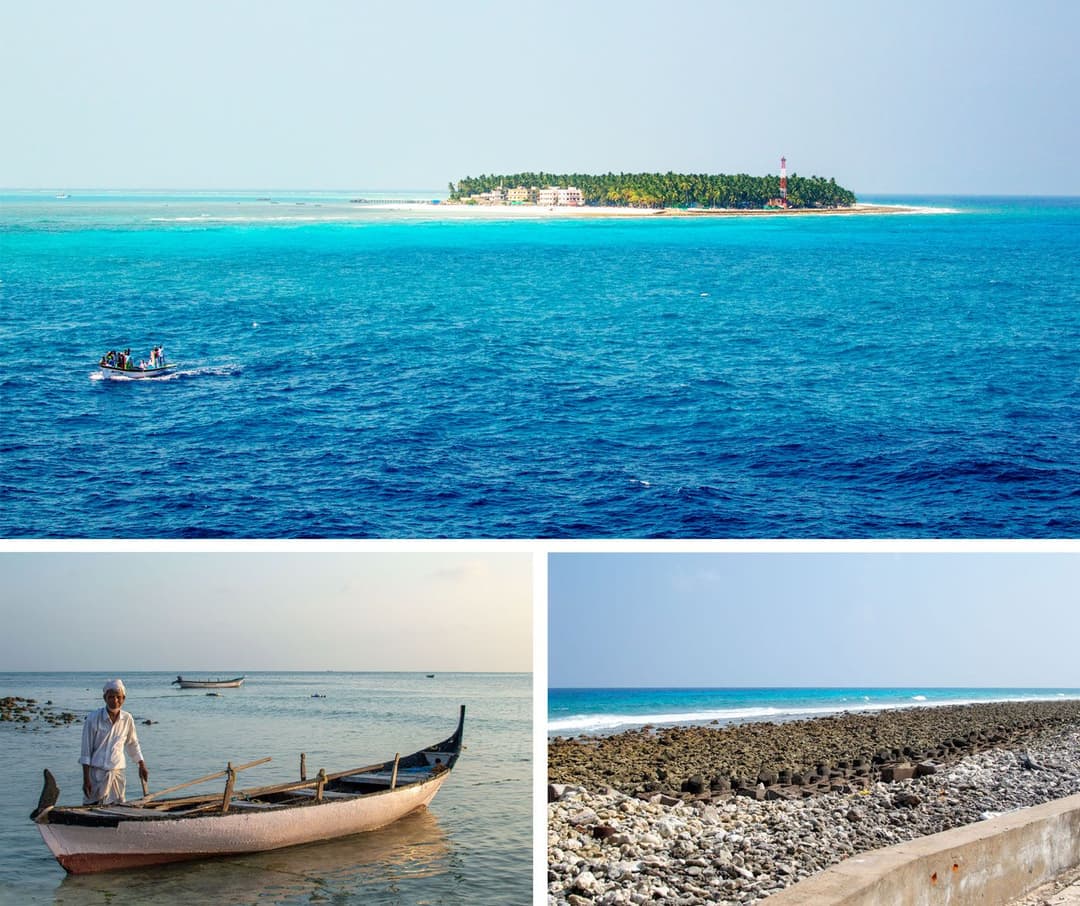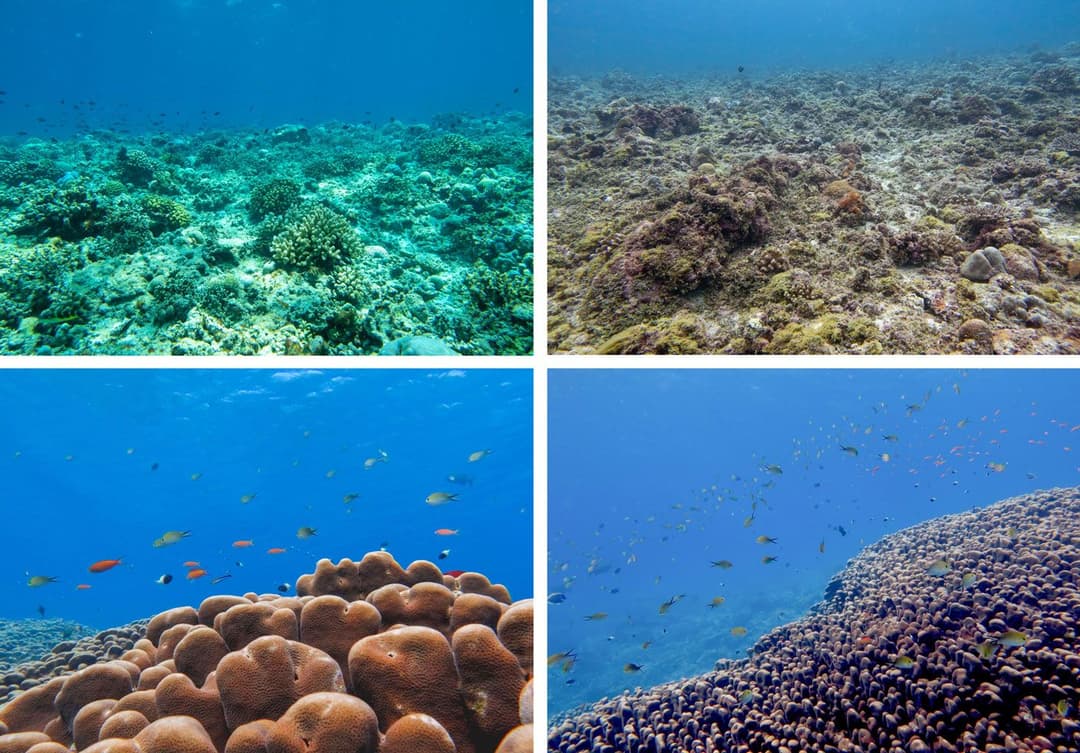

“As a boy, I was told our island rests on a large coral. The coral is all underneath, holding it up. And around us is a lagoon that protects us from the ocean,” says B. Hyder, a 60-year-old fisherman who lives on the island of Bitra.
“When I was younger, we could see the corals when the tide was low," adds 60-year-old Abdul Khadar, another fisherman on Bitra. “It was beautiful. Now there is not much left of them. But we need that coral to keep the big waves away.”
That coral – central to the stories, imaginations, lives, livelihoods and ecosystems of the islands of the Lakshadweep archipelago – is slowly bleaching away, along with many other changes that the fishermen here have been noticing over the decades.
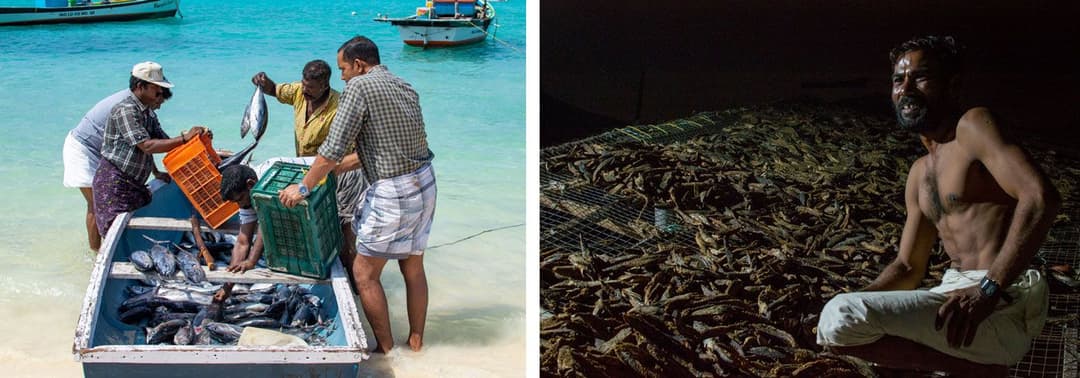
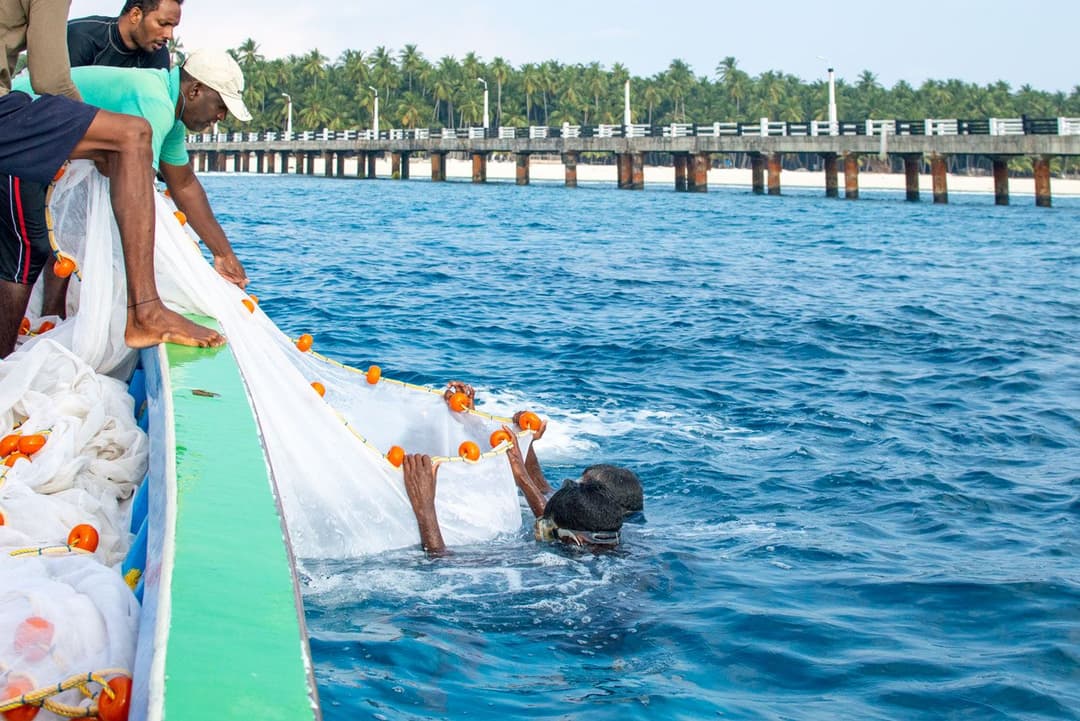
“It’s simple. Nature has changed,” explains Muniyamin K. K. The 61-year-old from the island of Agatti began fishing when he was 22. “Those days, the monsoon arrived at the correct time [in June], but now we can’t tell when it will come. There’s less fish these days. We didn’t have to travel so far out for our catch back then, the shoals were all close by. But now people are gone for days, sometimes weeks, searching for fish.”
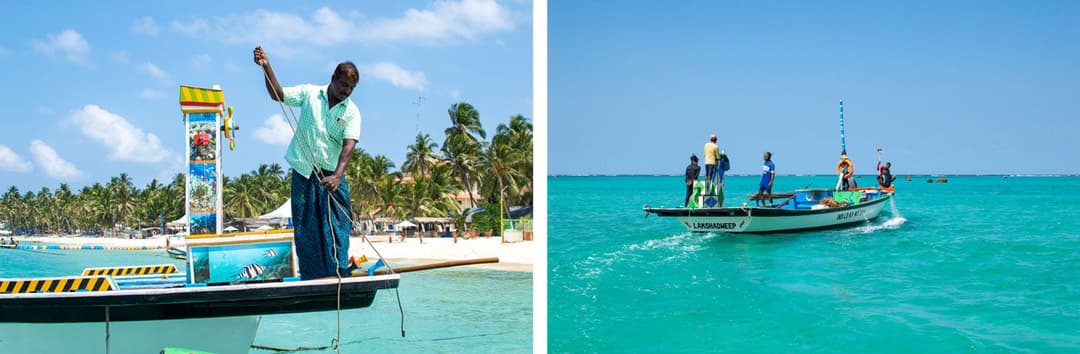
Agatti and Bitra, around seven hours apart by boat, are home to some of the most skilled fishermen in the Lakshadweep, India’s smallest union territory situated in the Arabian Sea off the coast of Kerala. ‘Lakshadweep’ in both Malayalam and Sanskrit means a hundred thousand islands. Reality, in our era, presents us with just 36, which together cover barely 32 square kilometres. The waters of the archipelago, though, are spread over 400,000 square kilometres and are rich in marine life and resources.
Every seventh person in this single-district UT is a fisherman – with over 9,000 people claiming that occupation in a population of just 64,500 (Census 2011).