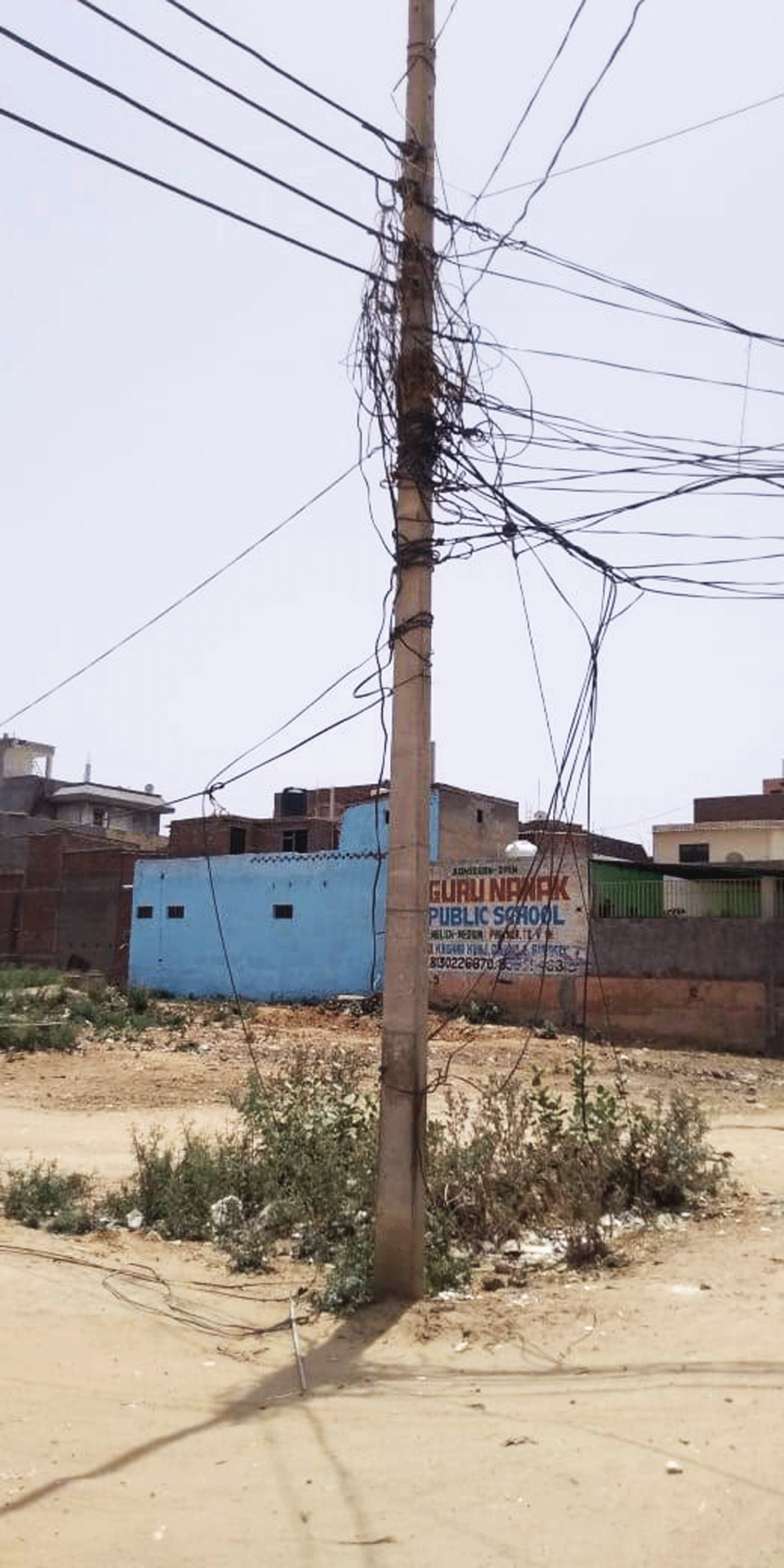

It's peak Indian Premier League season, but cricket isn't on people's minds in Nayagaon village. The shadow of the violence in nearby Dhumaspur village still lingers. On the day of Holi on March 21 this year, an altercation between young boys playing cricket had flared into an attack on a Muslim family. The incident was widely reported in the media. The attackers used sticks and rods and reportedly told the family to 'go to Pakistan and play cricket'. Nayagaon is home to three of the five men who allegedly led the violence.
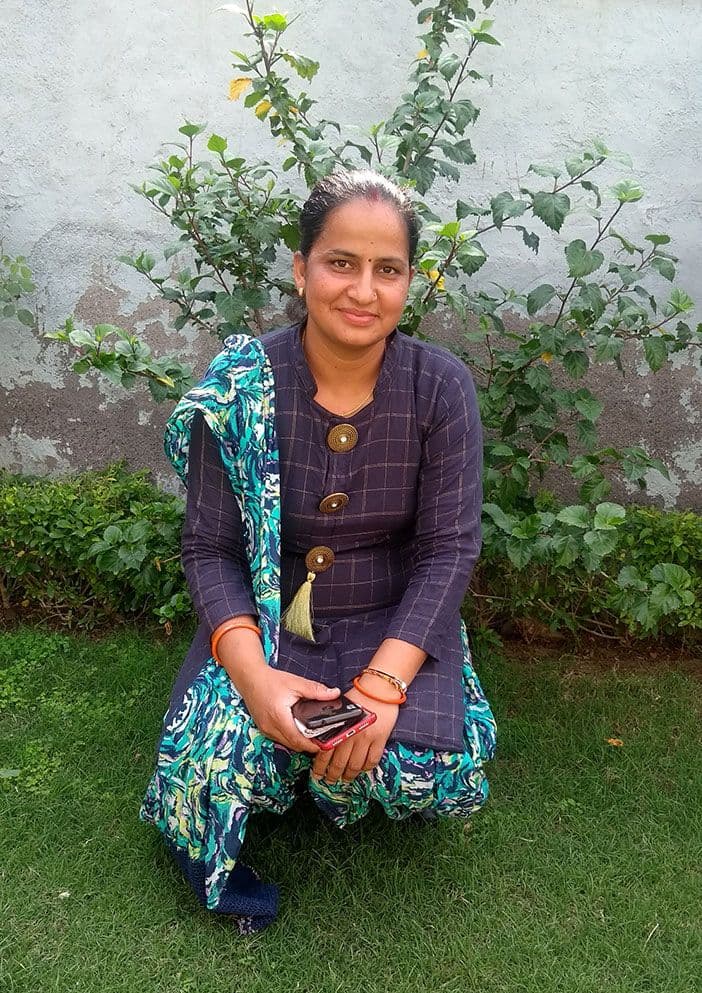
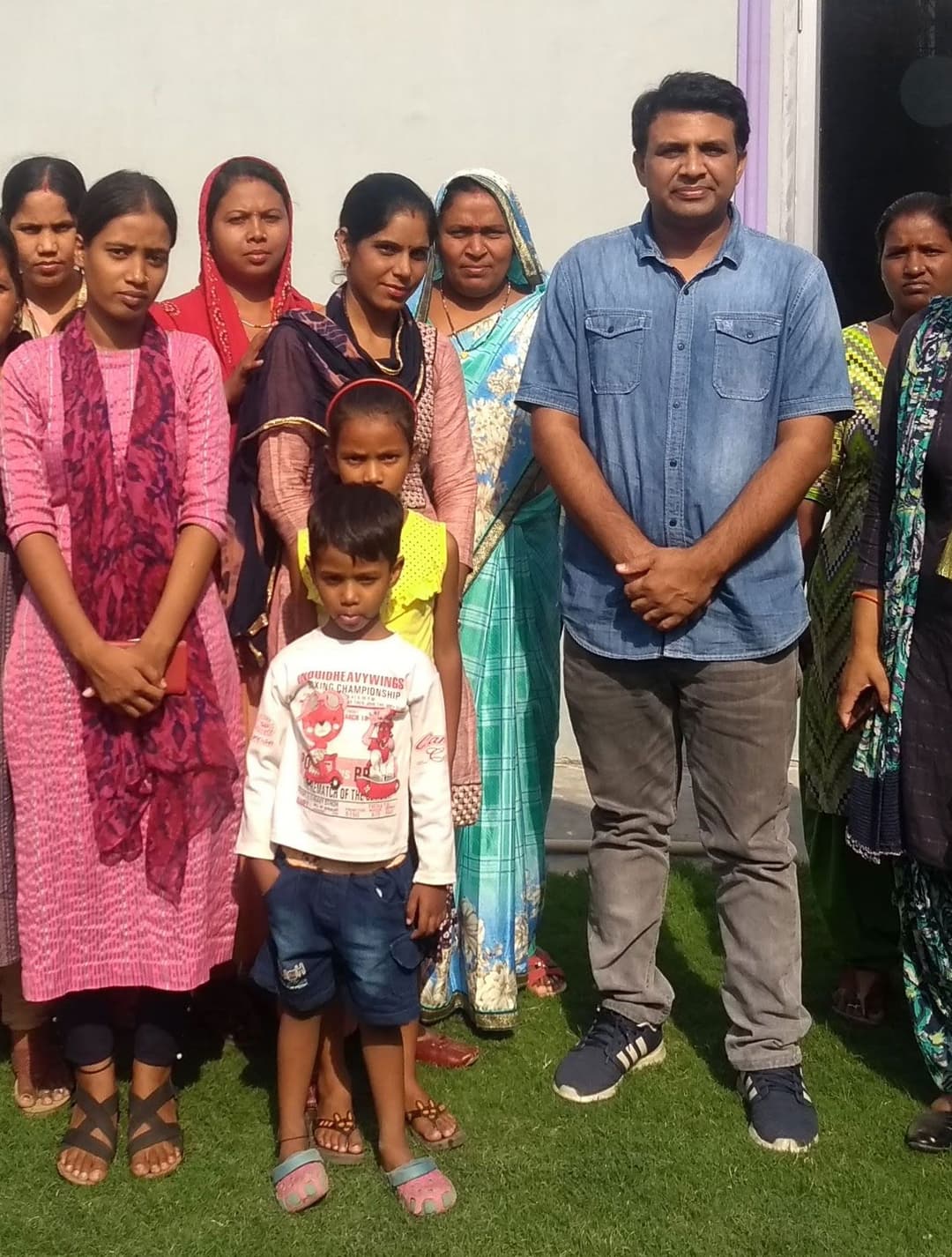
"The police was as inefficient in responding to the attack as it has been in looking into the issues of this area,” says Rakhi Chaudhary, 31, a homemaker. “We have formed a group of 8-10 women who intervene when brawls break out here [usually over incidents of sexual harassment of young girls by village boys]. It's the only way we can protect ourselves. The police are either on traffic duty or busy when politicians visit the area. However, when the rich call them, they respond immediately. We are treated like insects."
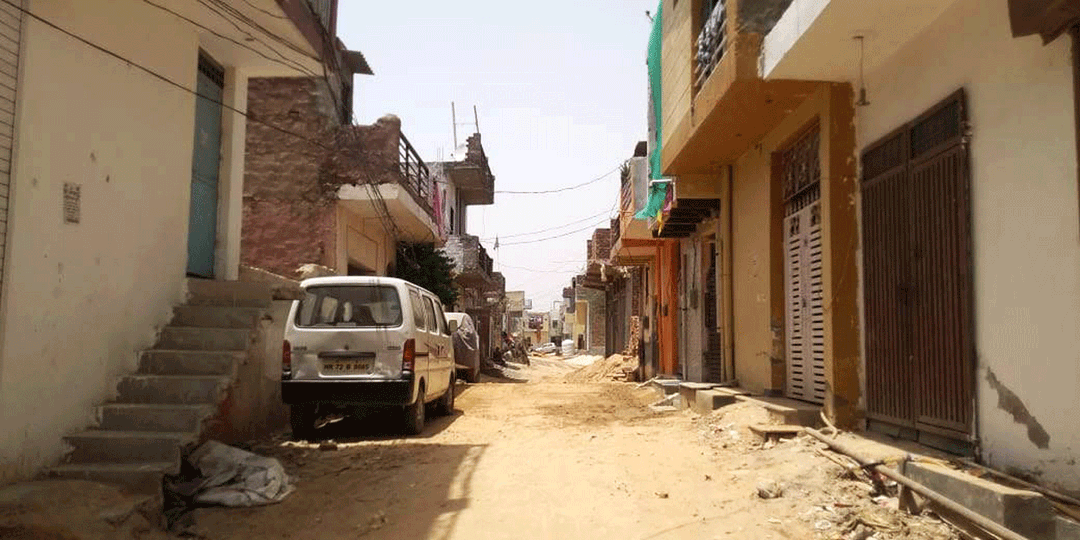
Rakhi lives in the Krishna Kunj colony of Nayagaon. (The Maruti Kunj colony is also in this village, which got its name when the late Congress politician Sanjay Gandhi invited the Japanese car-maker to set up shop in the 1970s and workers were given housing here.)
Nayagaon was carved out as a separate panchayat from Bhondsi village of Sohna tehsil in Gurugram district of Haryana in January 2016. The village will go to the polls on May 12 for the Gurugram Lok Sabha constituency.
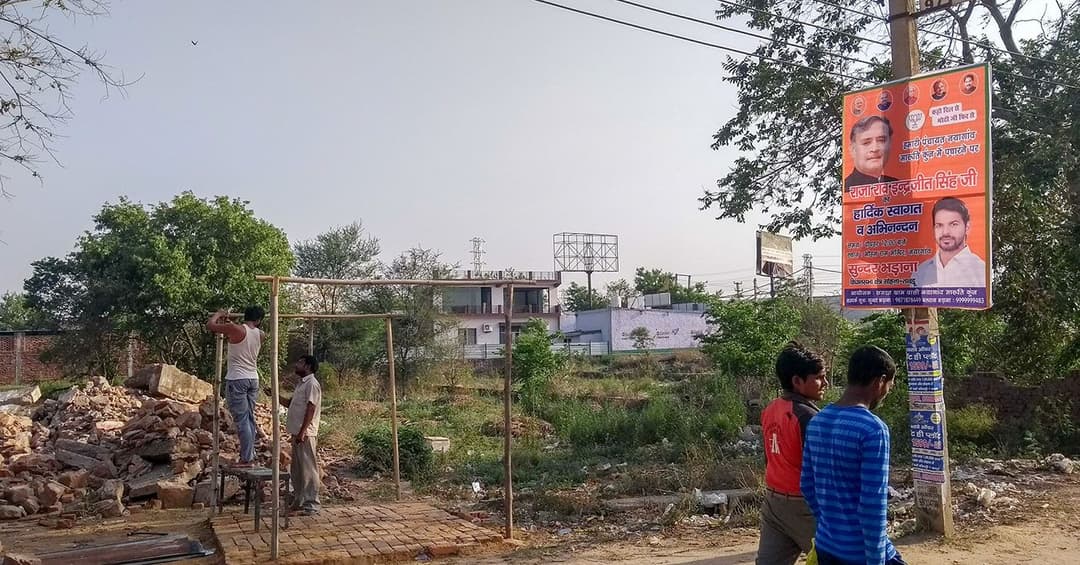
In 2014, with nearly 13.21 lakh votes cast (of the around 18.46 electors), Rao Inderjit Singh of the Bharatiya Janata Party led the party's first victory in Gurugram. He beat his nearest rival, Zakir Hussain of the Indian National Lok Dal, by a big margin of over 270,000 votes. Rao Dharampal Singh of the Congress, which dominated in Gurugram till 2009, got 133,713 votes or 10.12 per cent of the total. The Aam Aadmi Party’s Yogendra Yadav scored 79,456 or 6.02 per cent of the total votes.