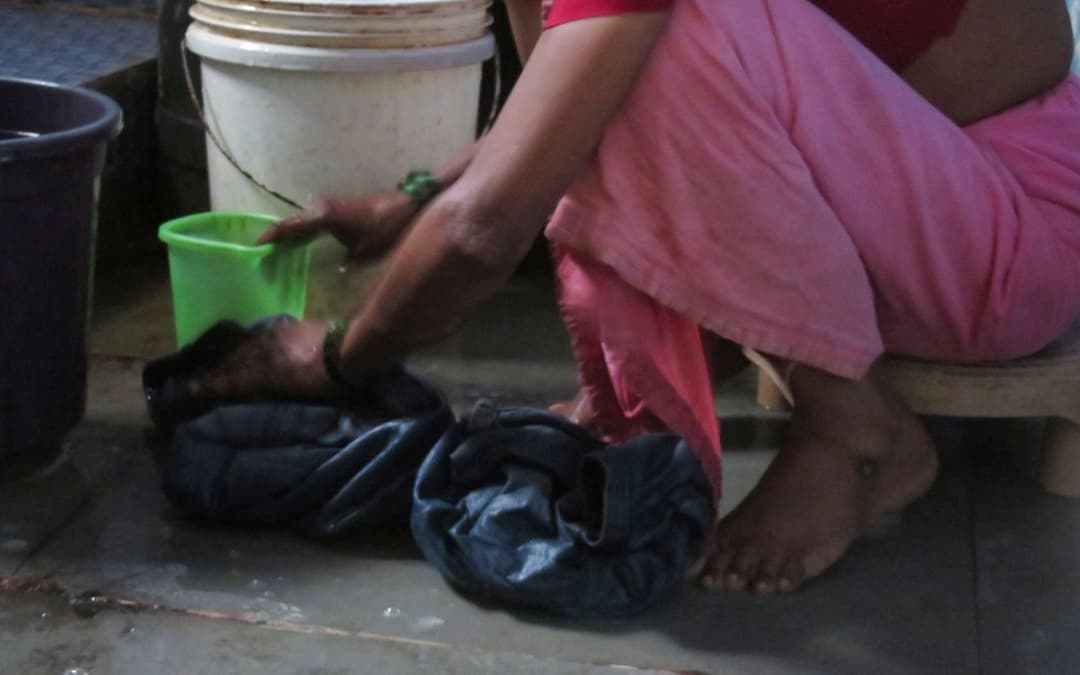

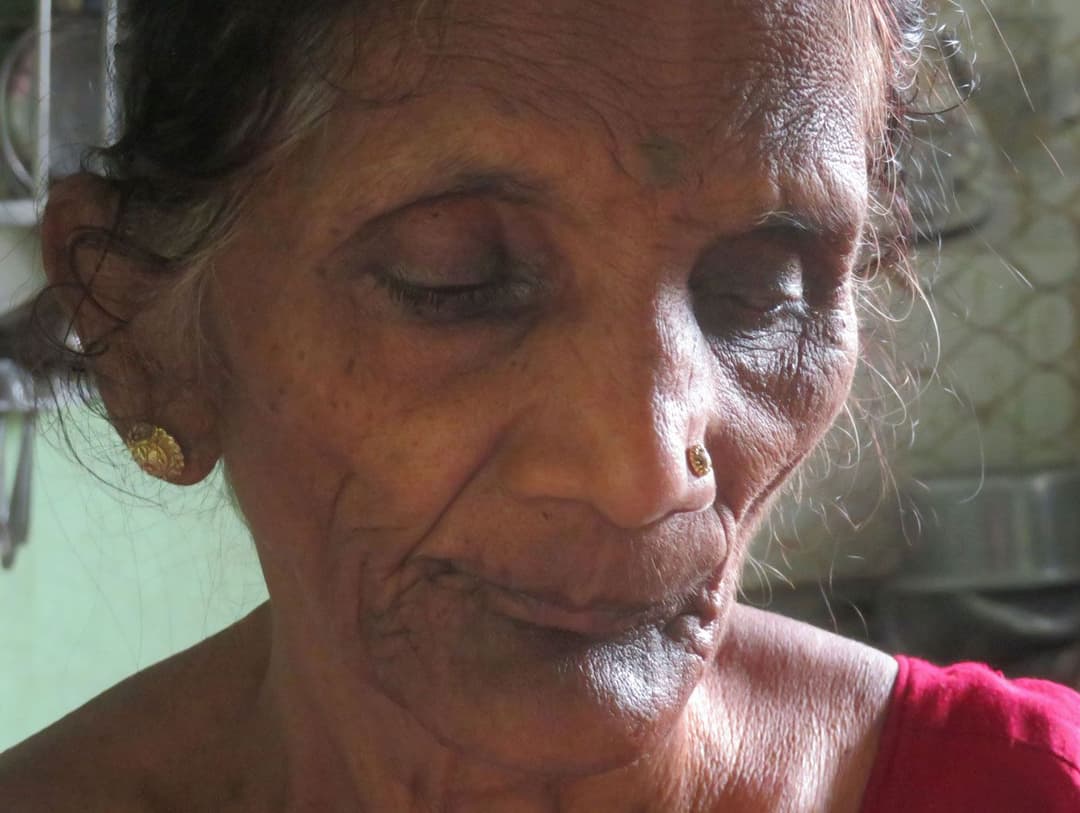
Vimal Thackeray is washing clothes in the tiny bathroom of her two-room house in Vangani town, struggling, with weakened hands, to apply soap to a pile of sarees, shirts and other garments, pouring water over them from a green plastic mug.
She then takes each washed item to her nose and smells it several times to make sure it’s clean. Then, holding on to a wall, touching the door frame for direction, she moves out of the bathroom, but stumbles on the threshold. And sits on a bed in the room to talk to me.
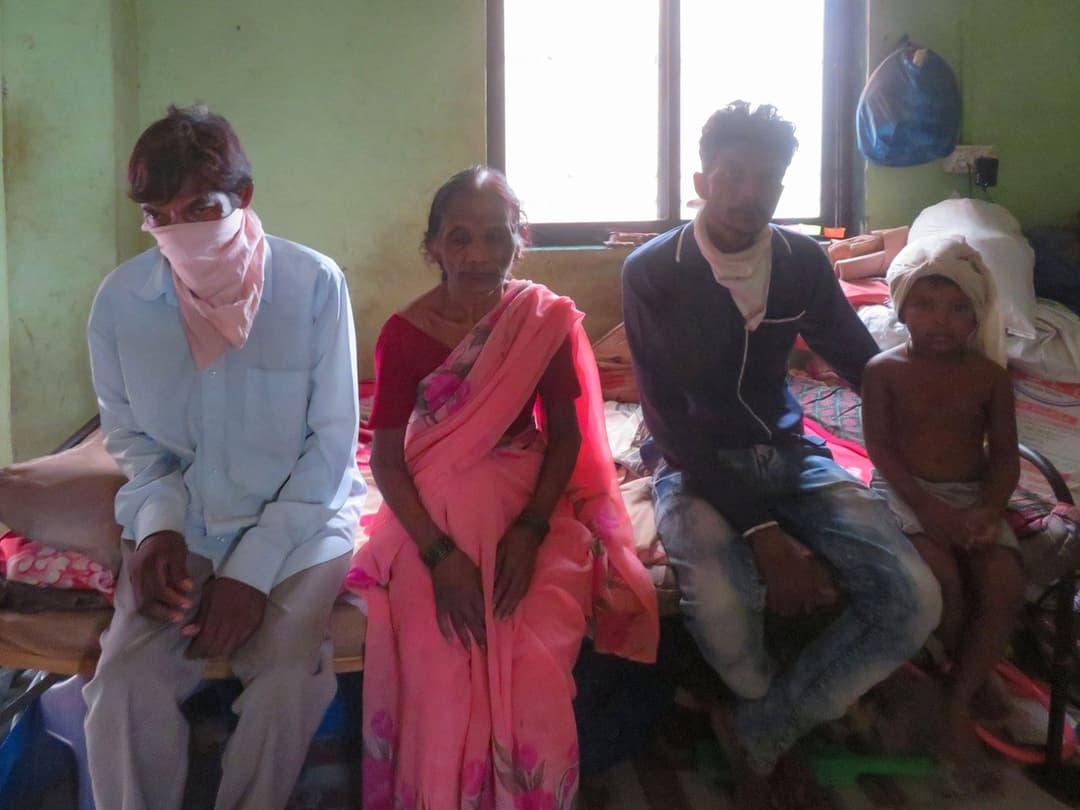
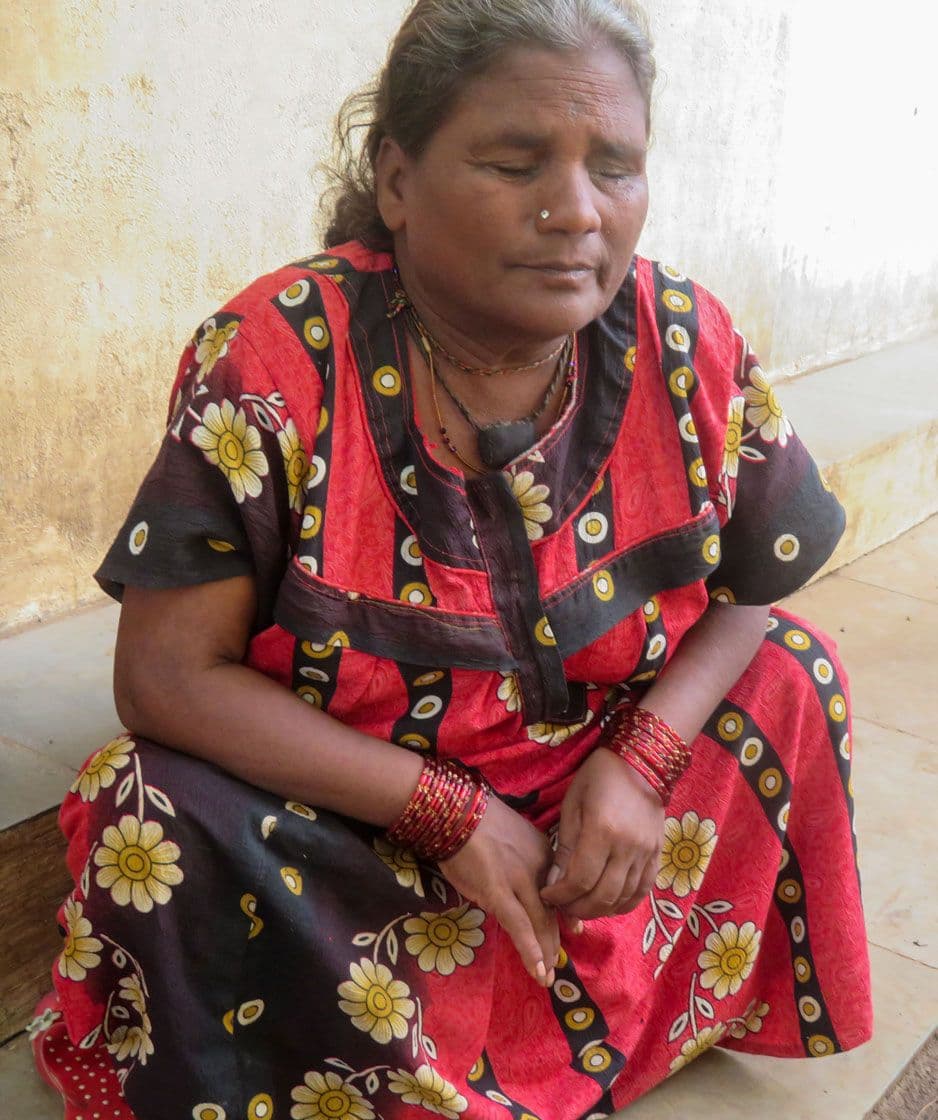
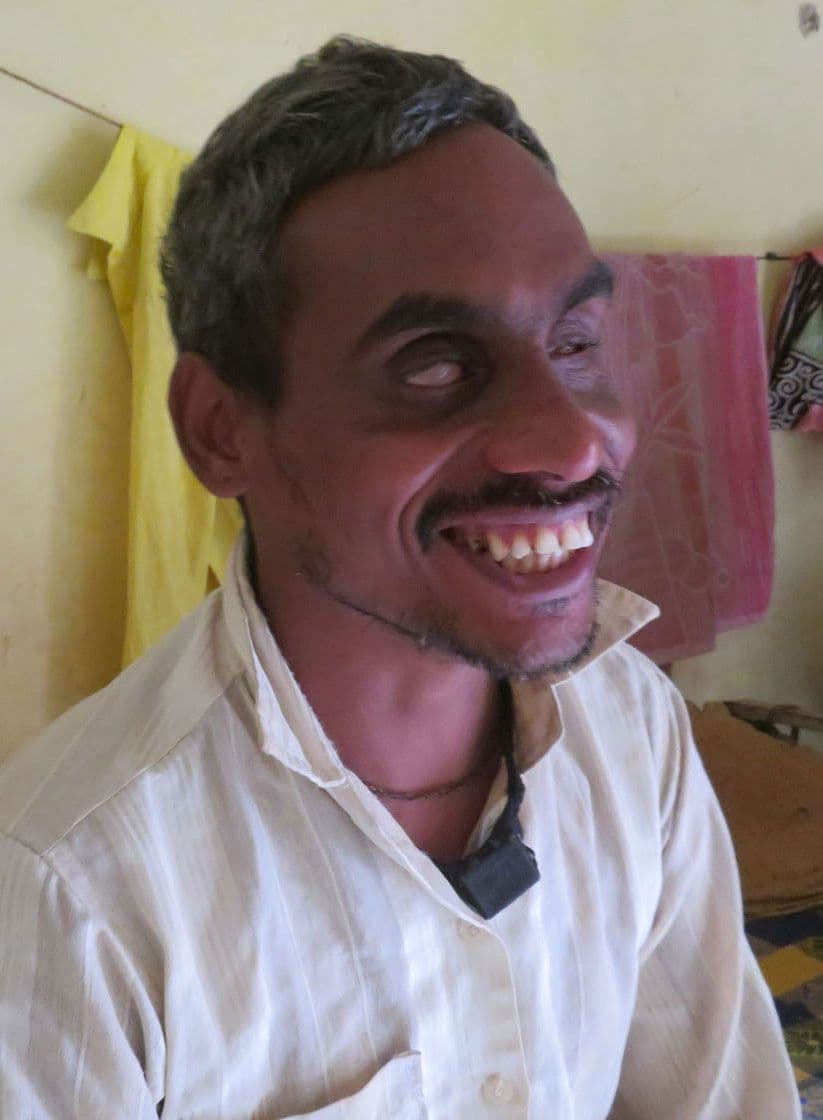
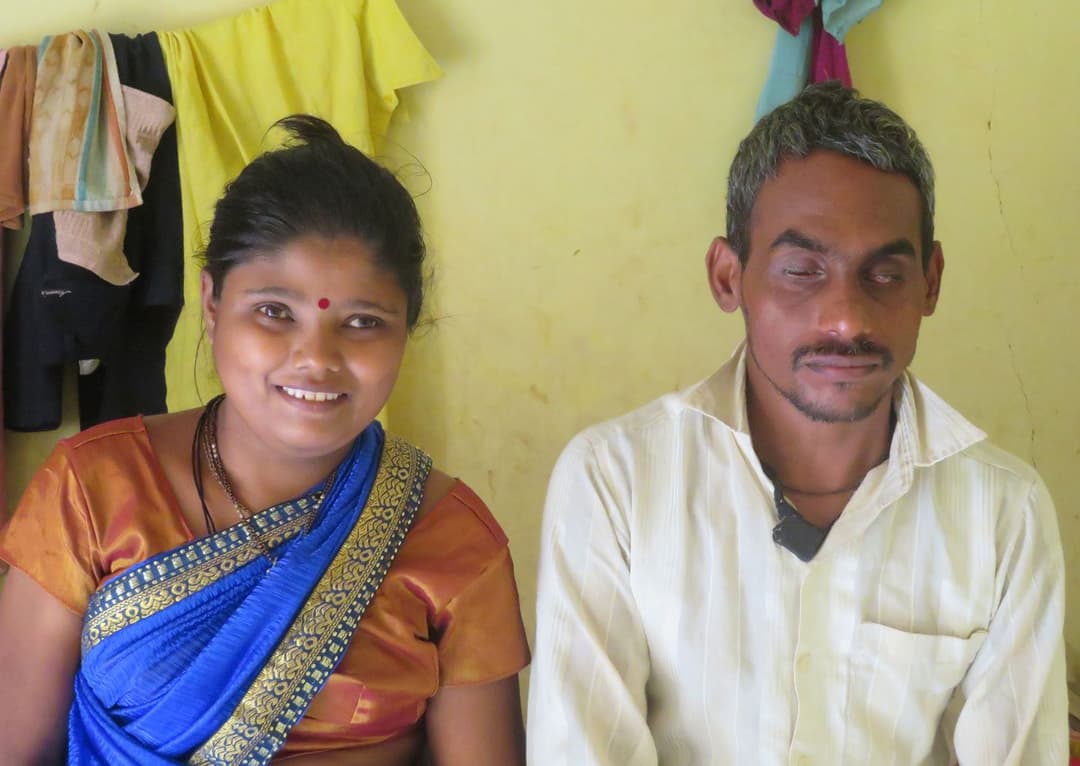
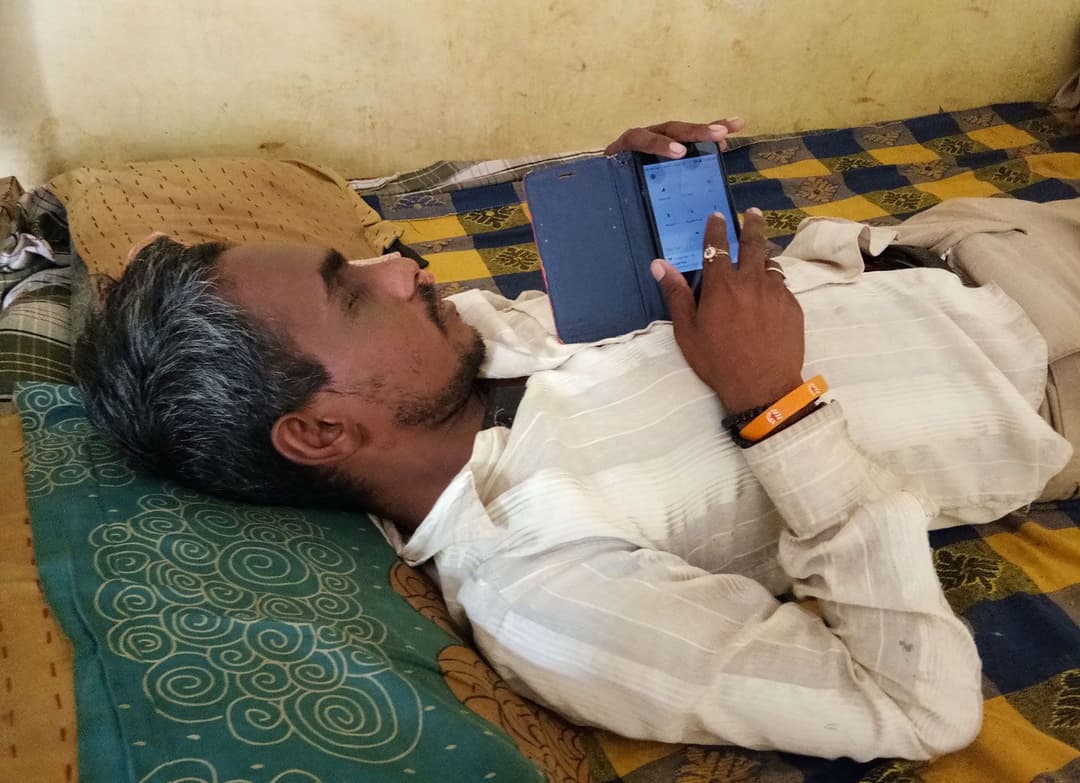
“We see the world though touch, and it’s through touch that we sense our surroundings,” says 62-year-old Vimal. She and her husband Naresh are both visually impaired. They used to sell handkerchiefs in trains on the western railway line of Mumbai, from Churchgate to Borivali stations. That work has stopped since March 25, when the city’s local train services were suspended during the nationwide Covid-19 lockdown.
Battling the crushing crowds of Mumbai’s locals, they together earned, before the lockdown, at most Rs. 250 a day – with Sundays off for some rest. They used to buy the kerchiefs in a wholesale market in Masjid Bunder in south Mumbai – 1,000 pieces at a time. Every day, before the lockdown, they managed to sell 20-25 hankies, each for Rs. 10.
Their 31-year-old son Sagar, who lives with them, has studied till Class 10 and worked at the warehouse of an online company in Thane till the lockdown began. He and his wife Manju, a domestic worker, added Rs. 5,000-6,000 to the family’s monthly income. Along with their three-year-old daughter Sakshi, the five Thackeray family members live together in the small two-room house. “It is now hard to manage the rent of Rs. 3,000, plus expenses like rations, medicines and occasional doctors’ fees,” says Naresh.