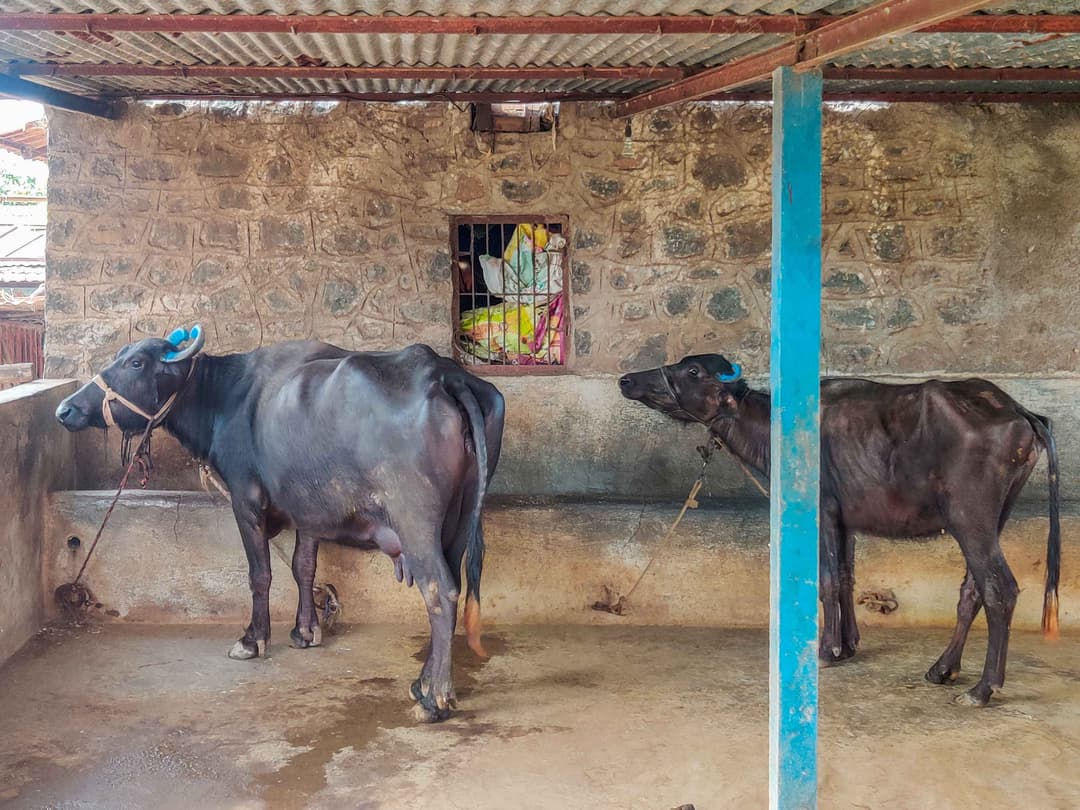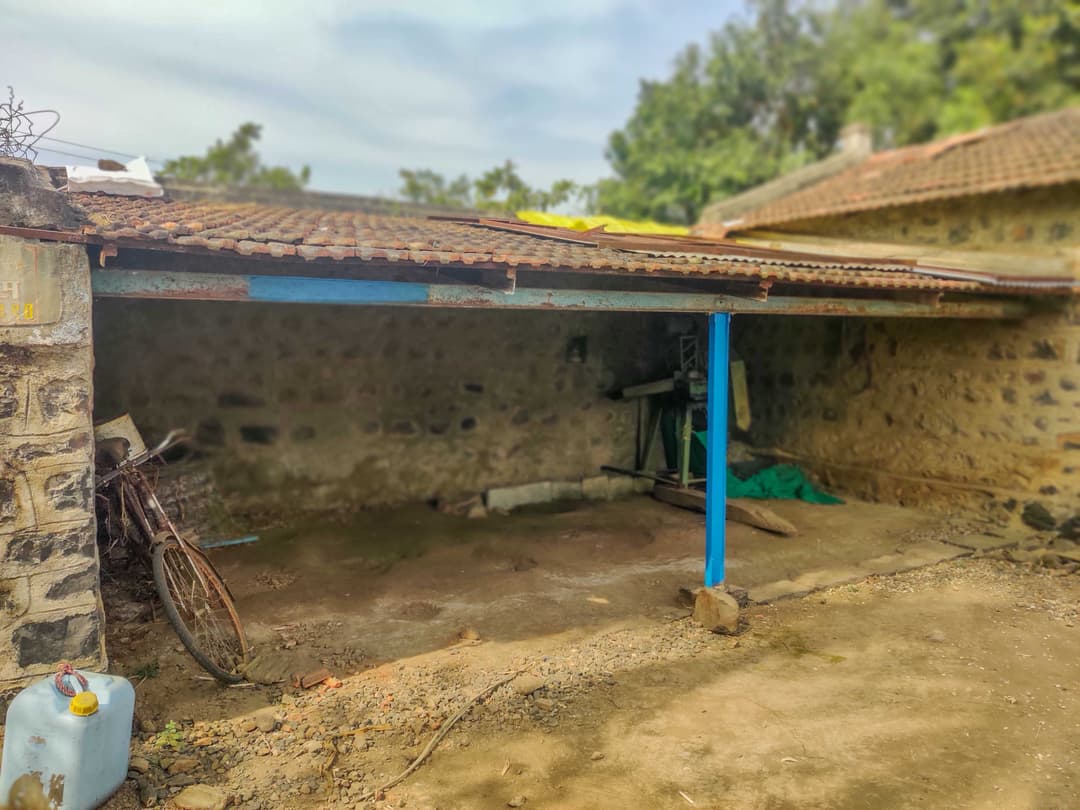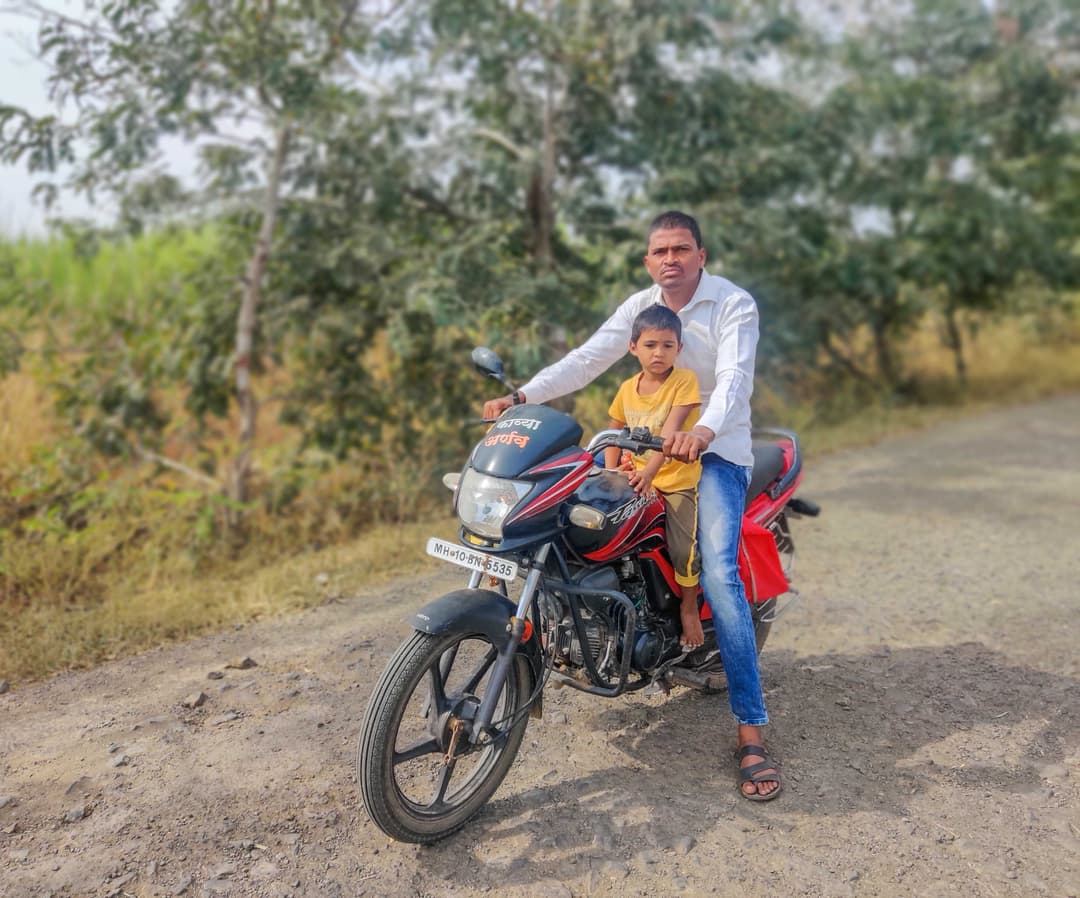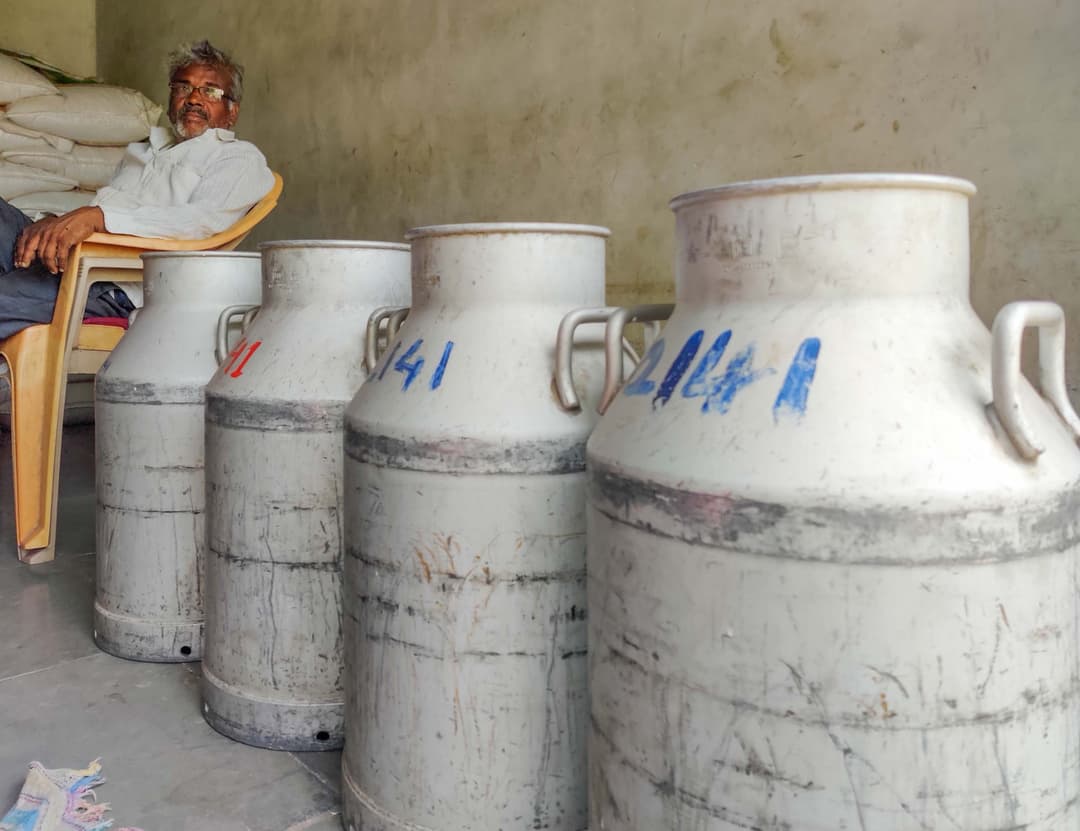

Arun Jadhav’s cowshed is rather big for just one cow and a buffalo. The livestock look forlorn, tied to a pole in their stable. “I have another shed behind this one,” says Arun. “The number of sheds I have is equal to the number of animals I have. Soon I may have more sheds than animals.”
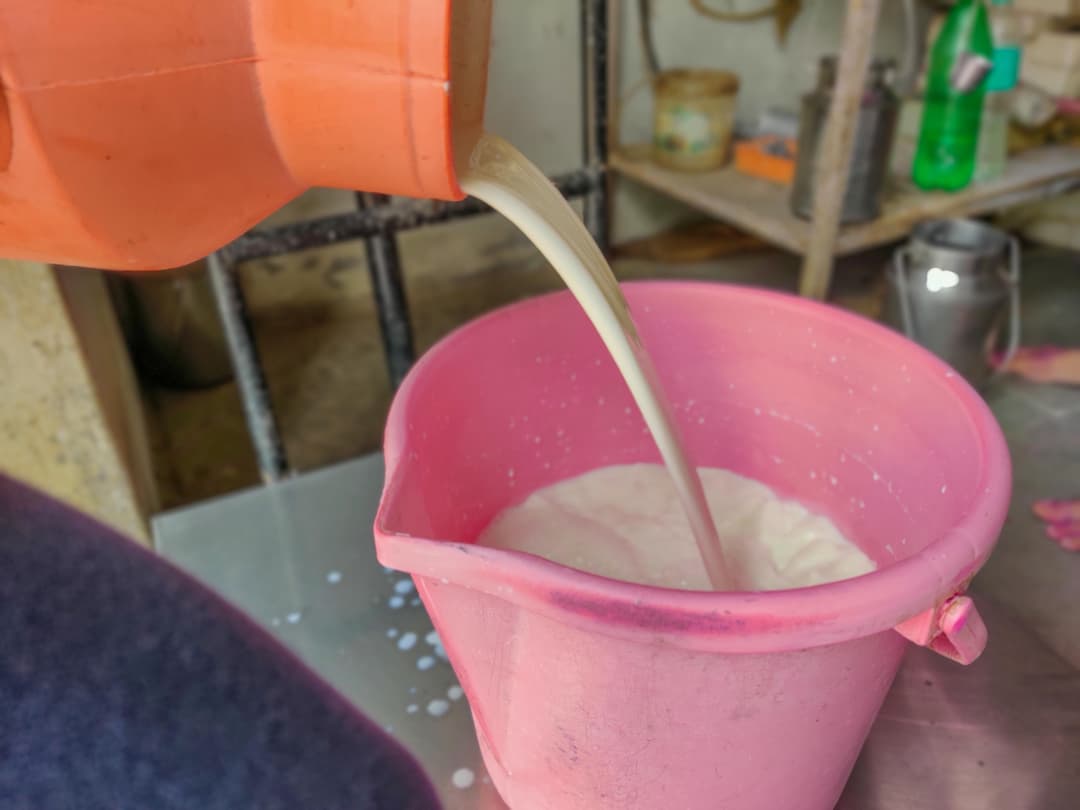
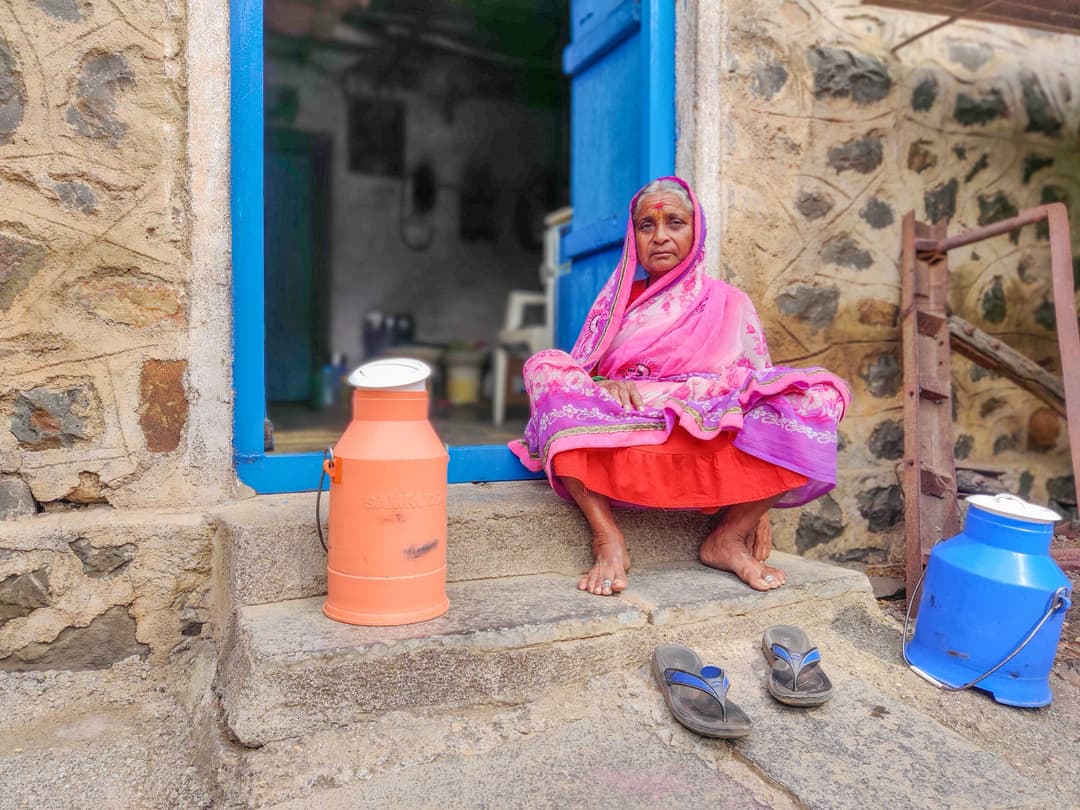
A sugarcane farmer in Maharashtra’s Sangli district, 39-year-old Arun once reared seven cows and four buffaloes in his village, Alsund. “I sold them one by one over the past 15 years,” he says. “I have 10 acres of sugarcane fields. Milk production used to be a convenient side business, but it has become a noose around my neck now.”
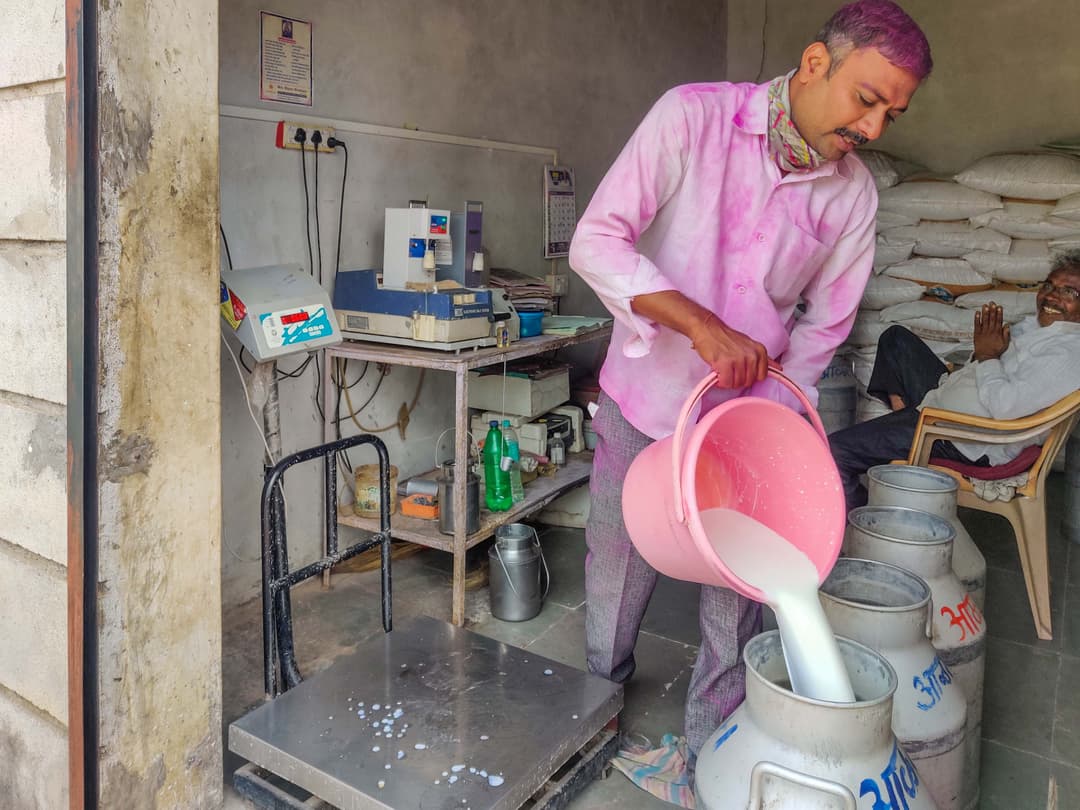
Sangli is in western Maharashtra, a nerve centre of the dairy industry, with over 42 per cent share in the state’s total milk production. Almost every farmer here rears cows and buffaloes. Milk is an additional source of income for farmers like Arun. For others it is the mainstay. But dairy farmers are scaling down now – the economics does not add up, they say.
For nearly a decade now, western Maharashtra has seen recurring agitations by dairy farmers against fluctuating milk prices. They have spilled, wasted and given away milk to mark their protest. Ajit Navale, general secretary of Akhil Bharatiya Kisan Sabha, who has led many of the demonstrations, says that the price of milk was relatively stable when the bulk was procured by cooperatives and the state. He says: “Ever since private players entered the market, the government’s role has become less and less effective. The prices rise and fall according to their wishes.”
“Private players have profited by controlling the prices. This is what we have been saying about the farm laws as well,” adds Navale, referring to the three farm laws introduced by the union government in September 2020. Protests by farmers in the past year (see PARI’s complete coverage) led to a repeal of the laws in Parliament on November 29, 2021.