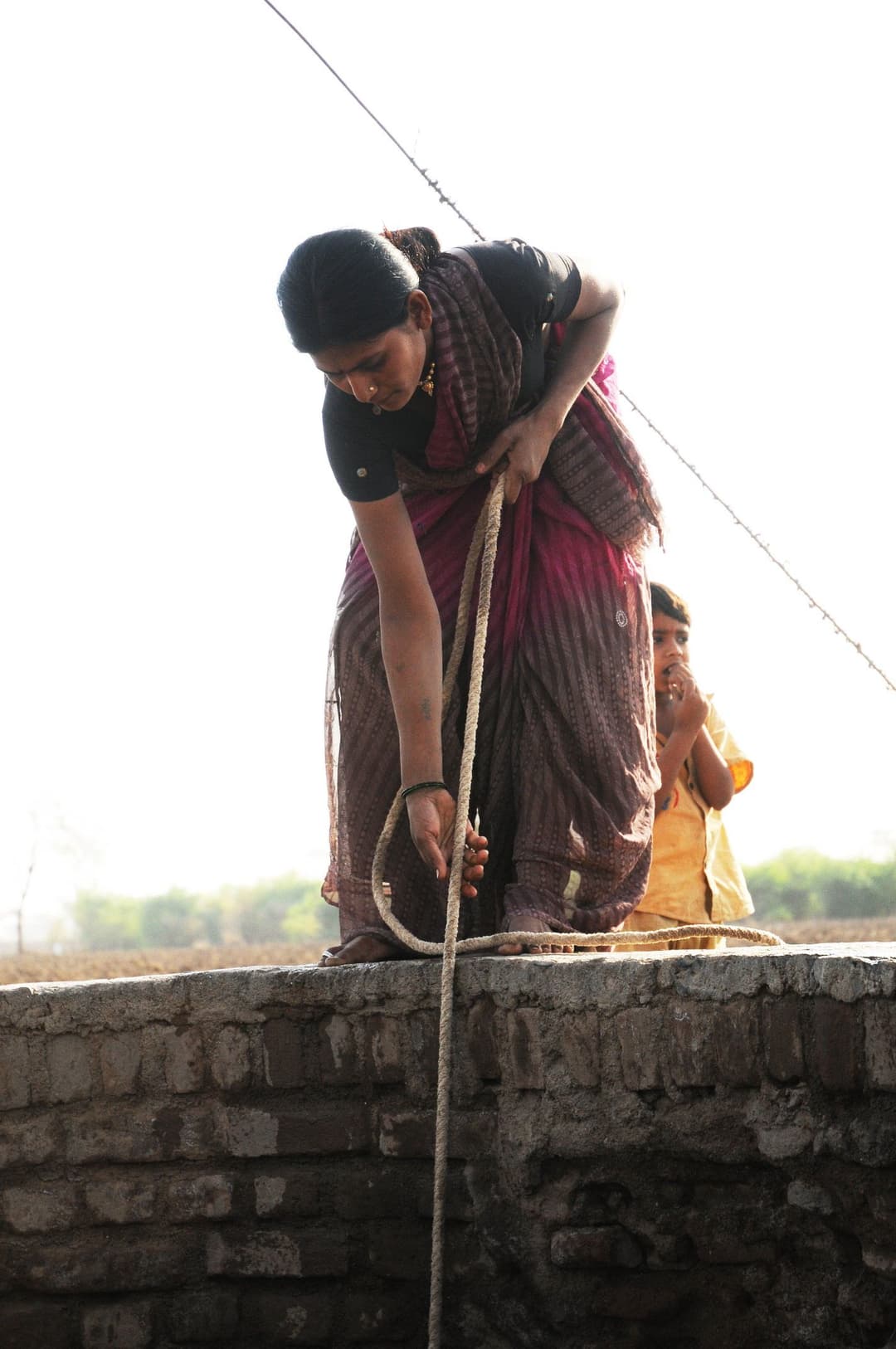
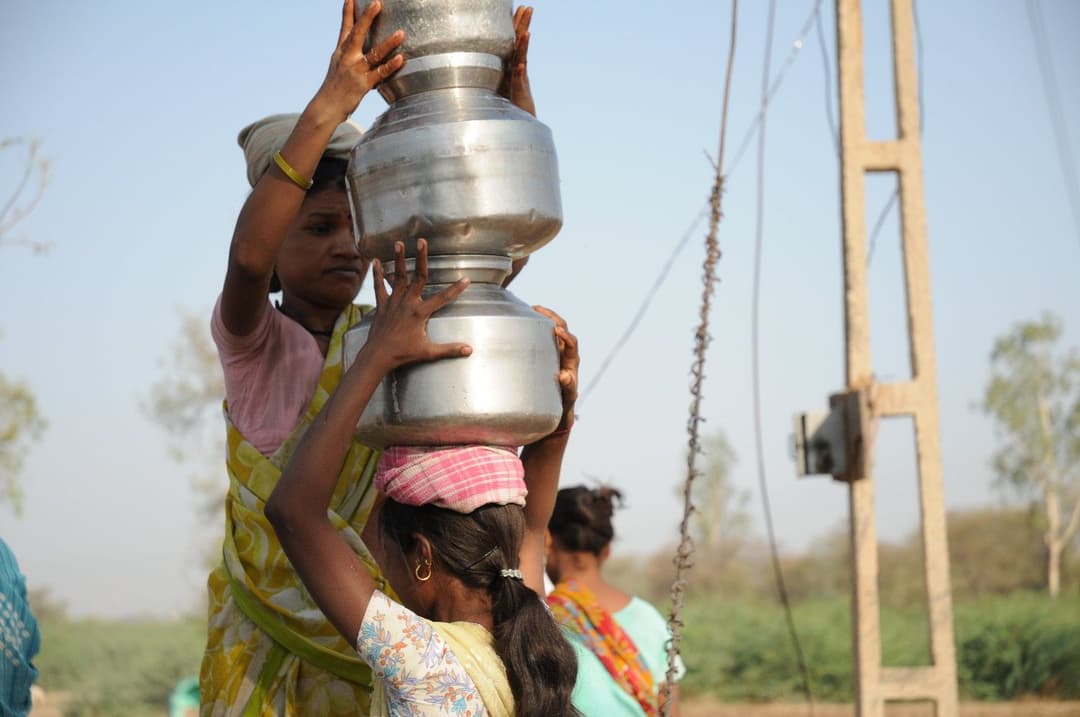
She stood graceful and erect on an ungainly perch of three stone chips and a block of wood. The stones odd in size, uneven in shape. The block of wood allowed her a flatter surface. She was from a rural family in Yavatmal district of Maharashtra, and was trying to capture as much as she could of the water leaking out of a pipe from a tank. With astonishing patience – and balance – she would hold one vessel above her head, let it fill up, then pour the water into a bigger vessel on the ground. When both were full, she would walk off to her home, add the water to her store, and return for more. Each time she would carry 15-20 liters and two metal vessels for nearly half a kilometer.
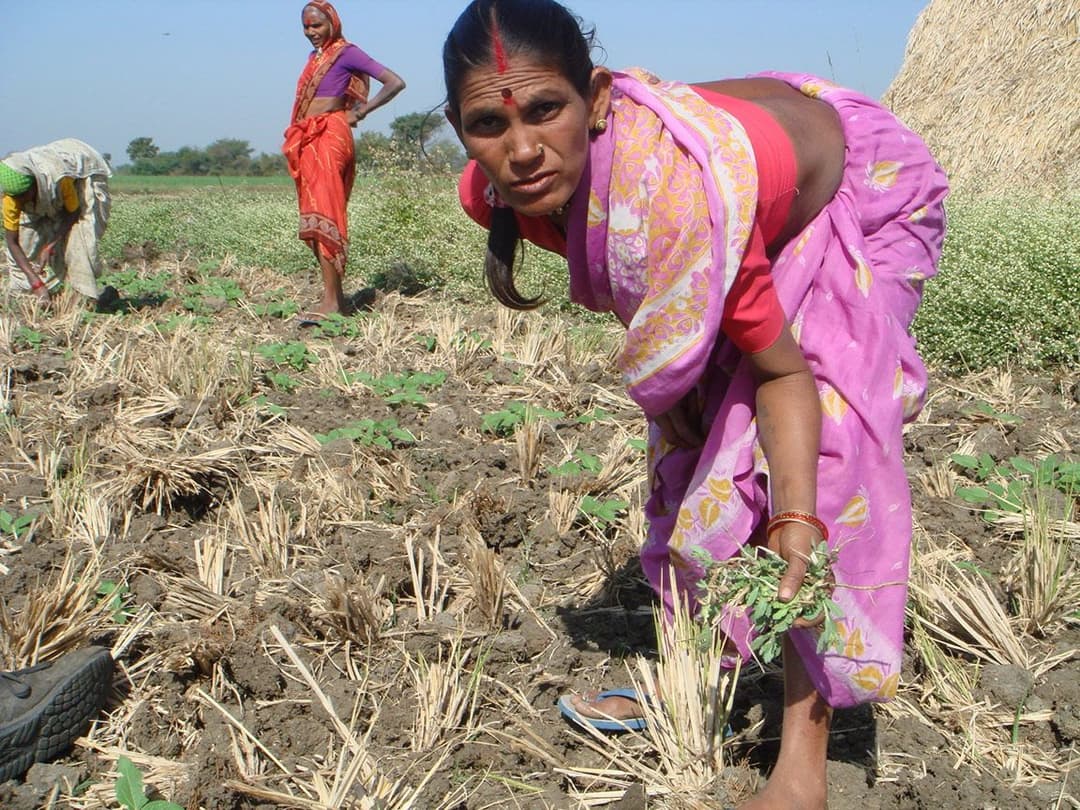
In Amravati district in the same state, Sarada Badre andher daughters have struggled for years to water their orange trees near their home. Their water source is just 300m away. Next door, by rural standards. “But the trees need 214 large pots of water,” they point out. Back and forth, that’s 428 trips, half of them with a full pot of water on their heads. Or over 40km for each of the three women – in short trips. They cover “half the trees on Mondays and the other half onThursdays.” That’s apart from working in the fields all the other days, often with temperatures that can touch 45°C (113°F) in April-May.
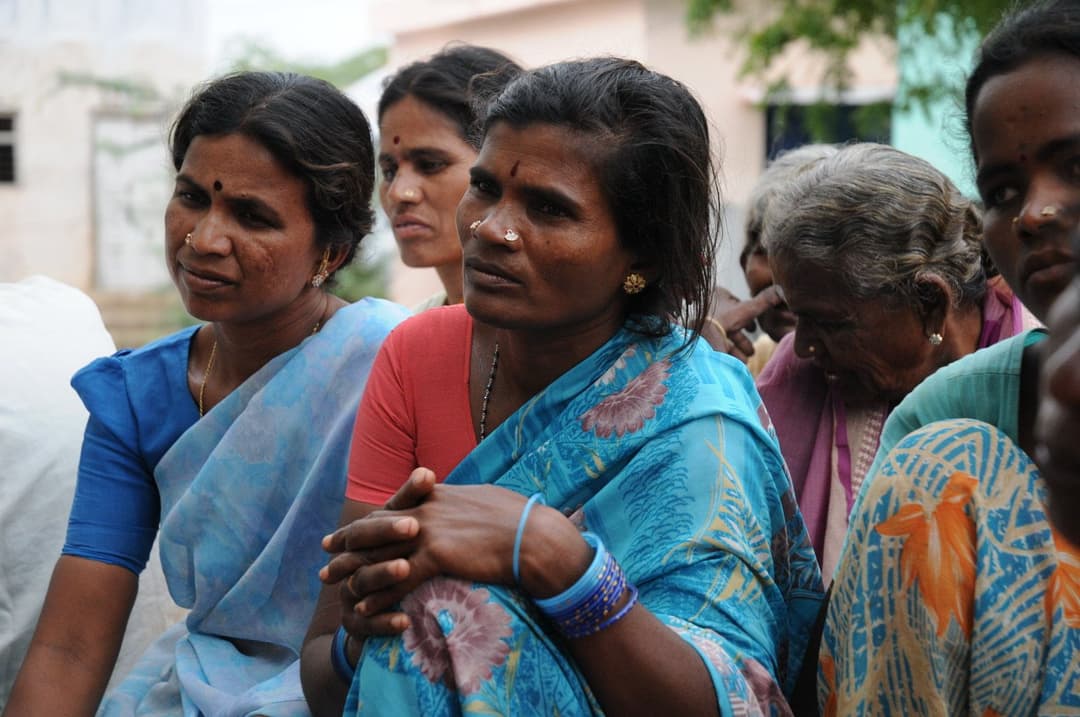
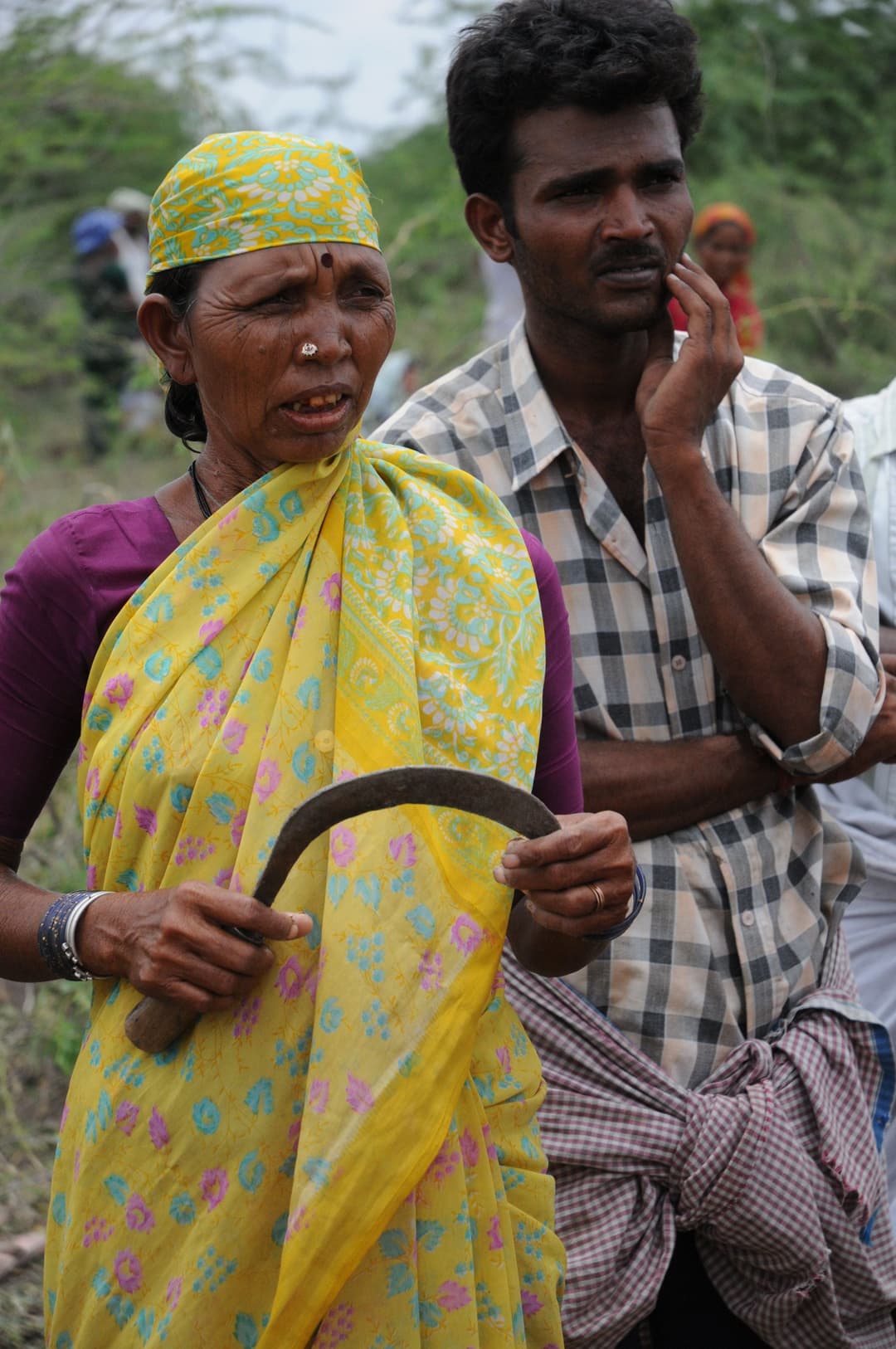
And that was a while ago. As the rural water crisis deepens – as old sources dry up and as an ever-greater share of water is diverted to industry and the cities – Badre and her daughters, like millions of other women in the Indian countryside, must walk greater distances. Poor rural women do this all the time – and in every part of the world.