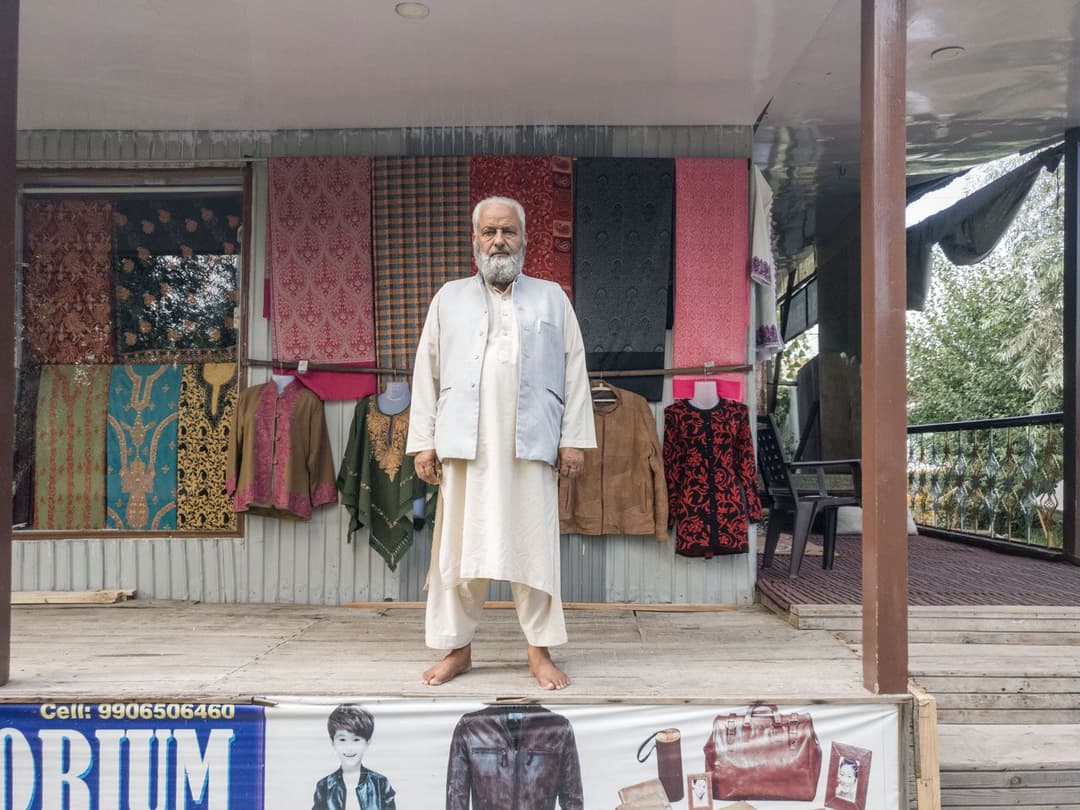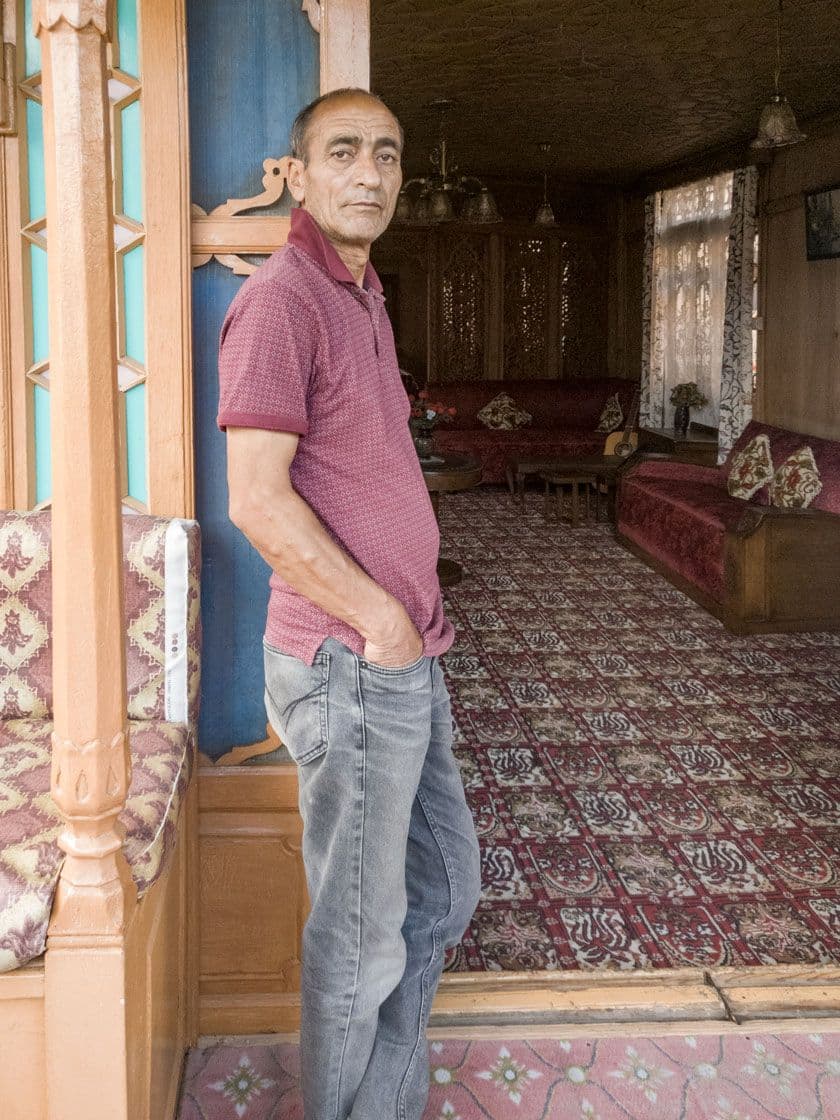

"The lockdown has ruined us,” says Abdul Majid Bhat. “The last tourist came to my shop in March.”
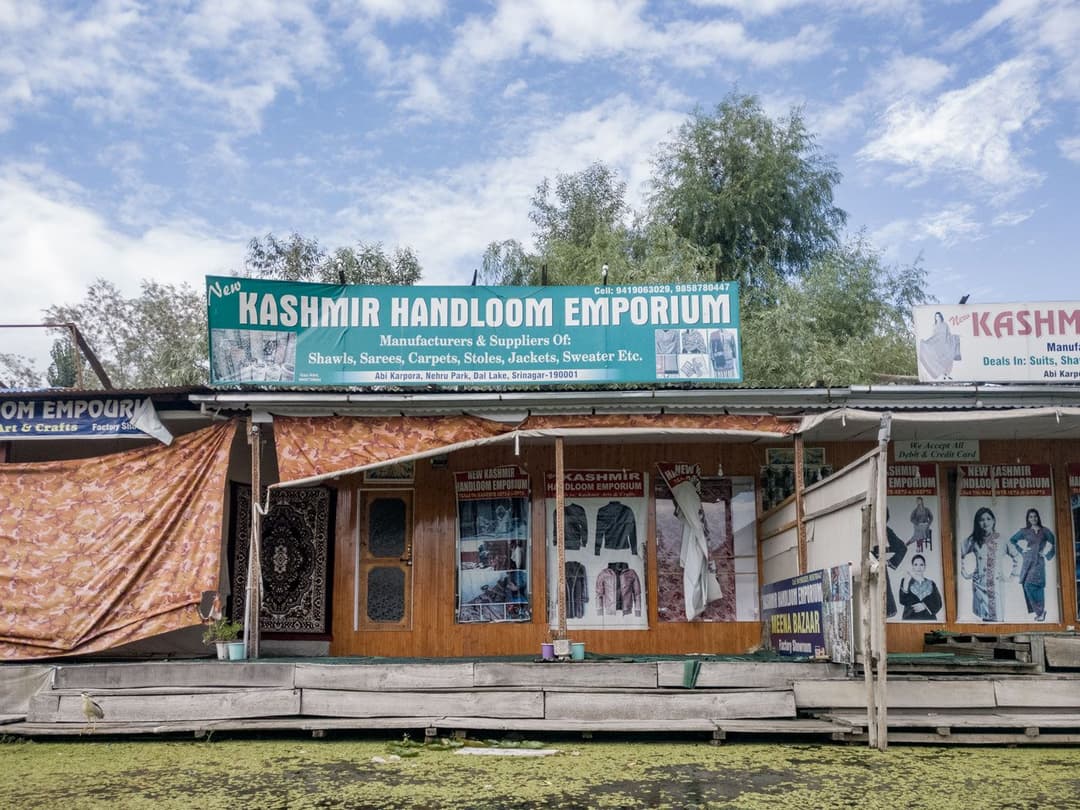
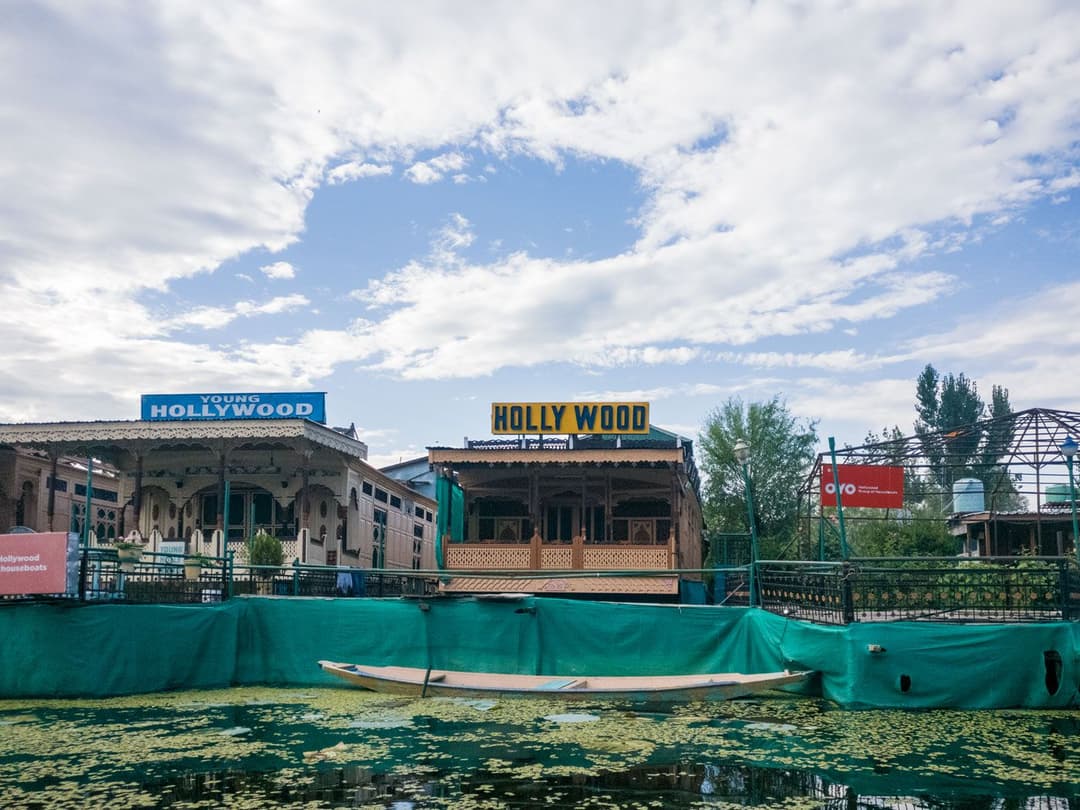
At the three shops Bhat runs in Srinagar’s Dal Lake, selling leather goods and local handicrafts, no customers have stopped by even after the lockdown began easing by June. And it’s now been over a year of an unrelenting lean period that began with the abrogation of Article 370 in Kashmir on August 5, 2019.
The impact of both on tourism, which many like Bhat count on for their income, has been crushing.
“Just when the tourist season was to start after that 6-7 month shutdown, this corona lockdown started,” says 62-year-old Bhat, a resident of the Batapora Kalan area in Dal Lake, and a respected elder. He is also the president of the Lakeside Tourist Traders Association, which, he estimates, has around 70 members.
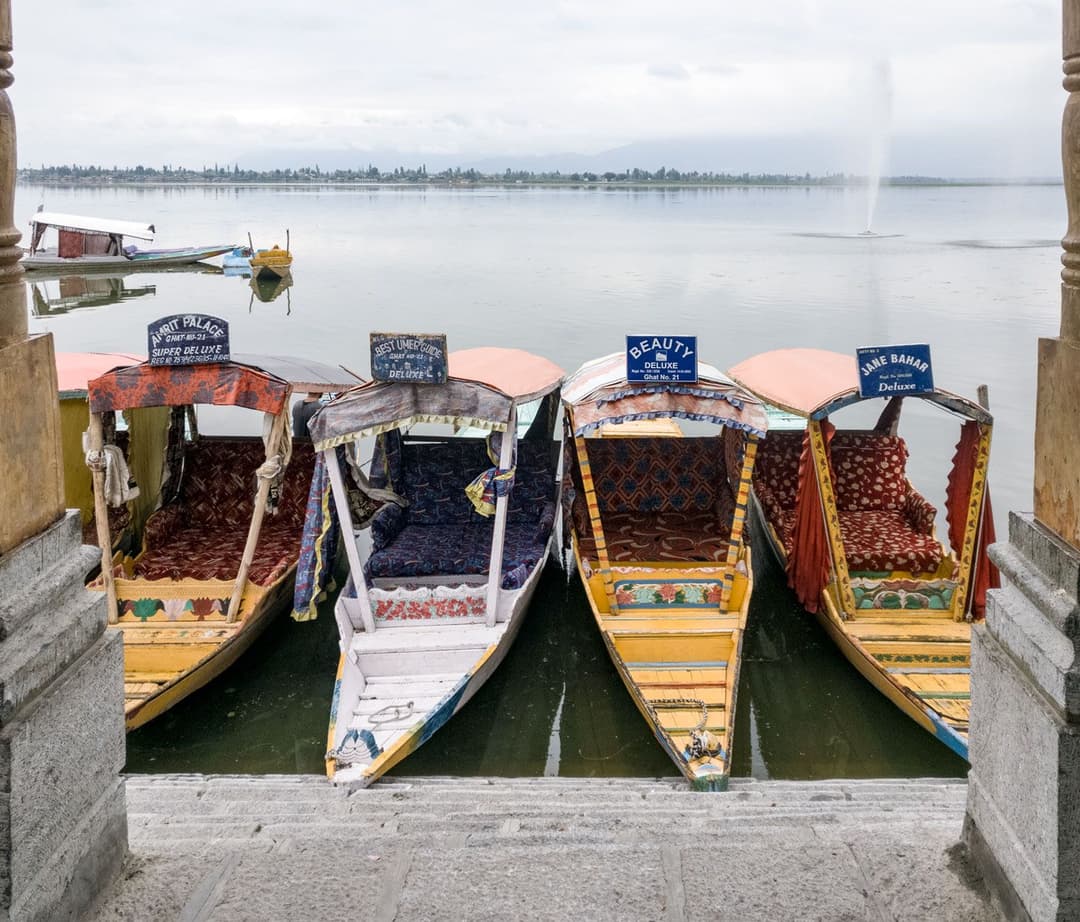
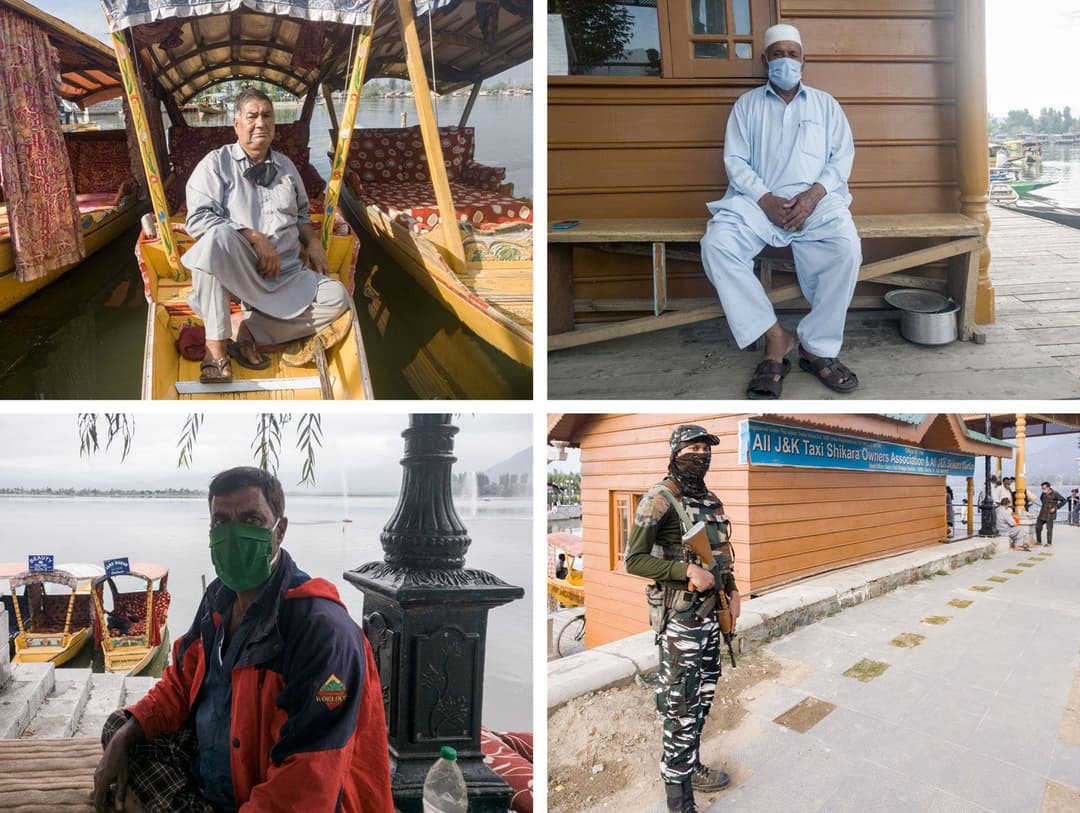
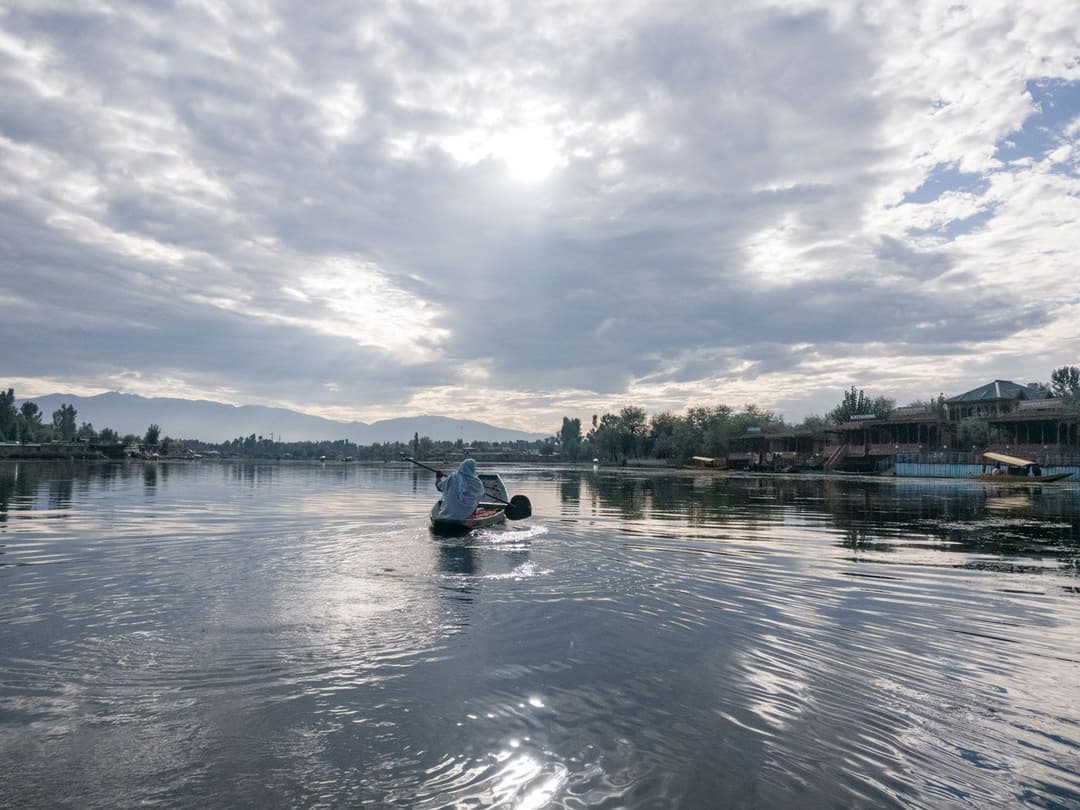
His words are echoed by many in Srinagar who depend on the lake’s tourism economy – shikarawalas rowing the yellow taxi boats, hawkers, shop owners – for whom the last 12 months have been anything but the picturesque Dal photos of tourism brochures. (See Srinagar's shikaras: still waters run deep losses)
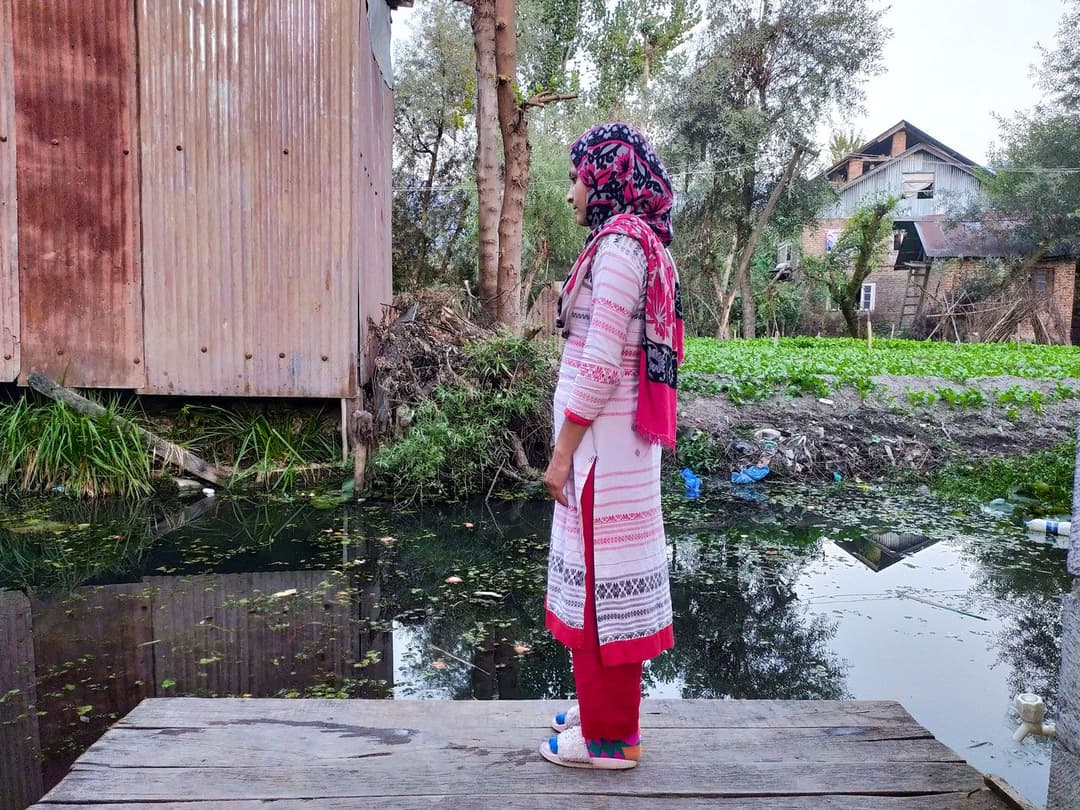
Among them is 27-year-old Hafsa Bhat from Nehru Park, who had started a small business from home before the coronavirus lockdown began. After a 24-day training course at the Jammu and Kashmir Entrepreneurship Development Institute, Hafsa, who is also a school teacher in Srinagar, had received a low-interest loan of Rs. 4 lakhs from the institute. "I bought stock of dresses and clothes. I had sold just around 10-20 per cent of the stock when the lockdown was announced. Now I am struggling to pay the instalments,” she says.