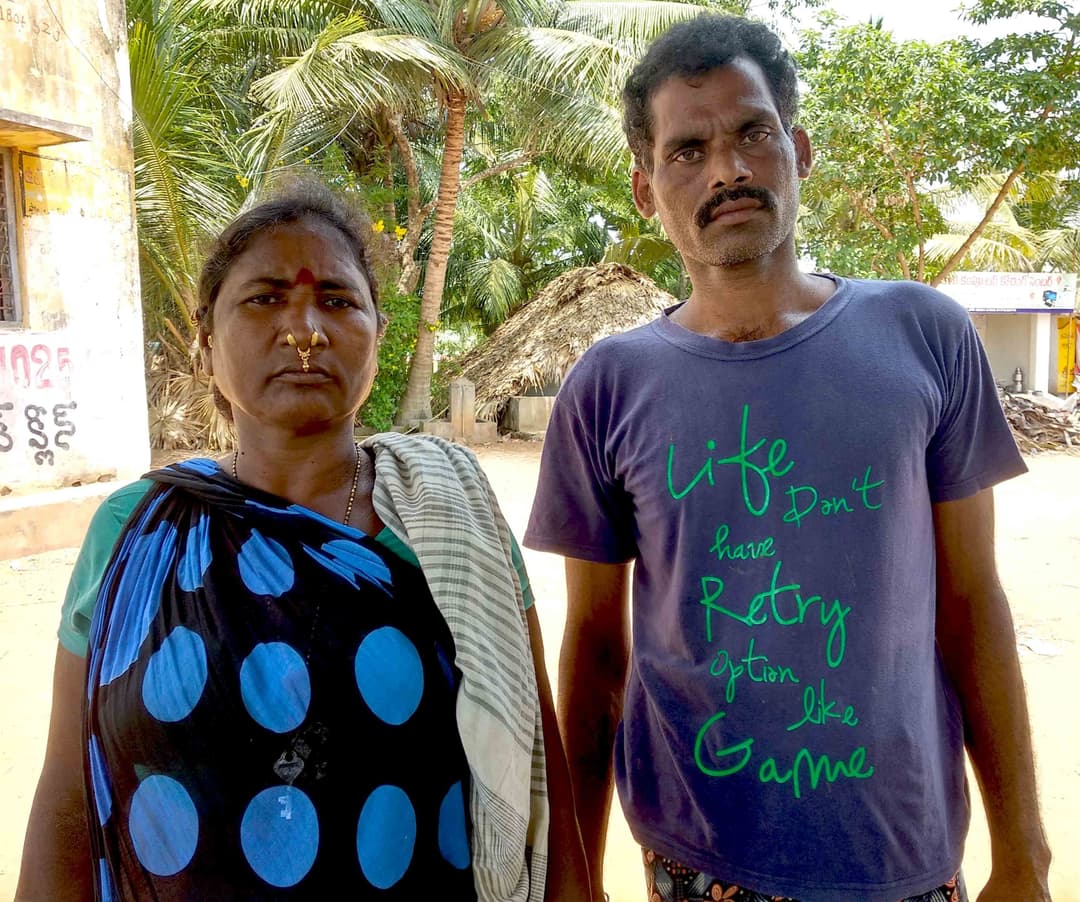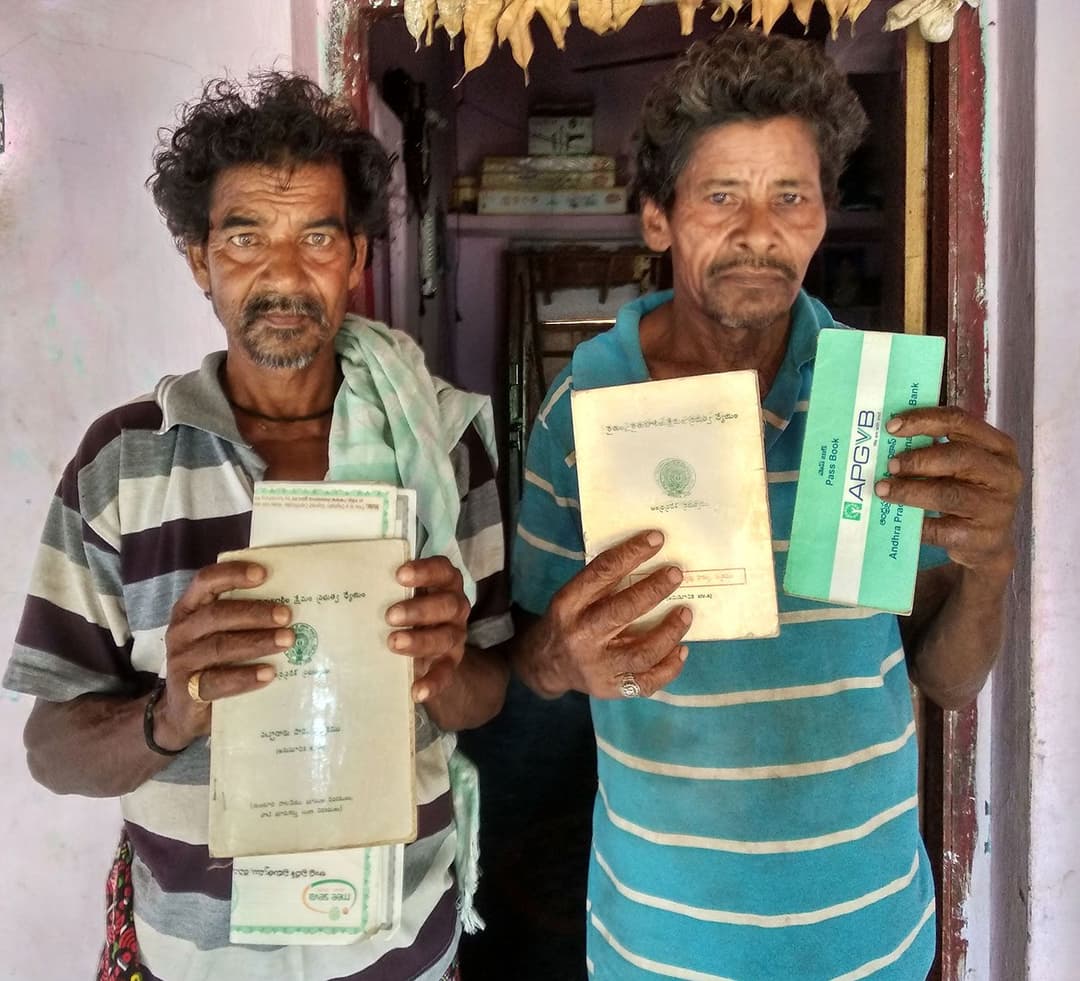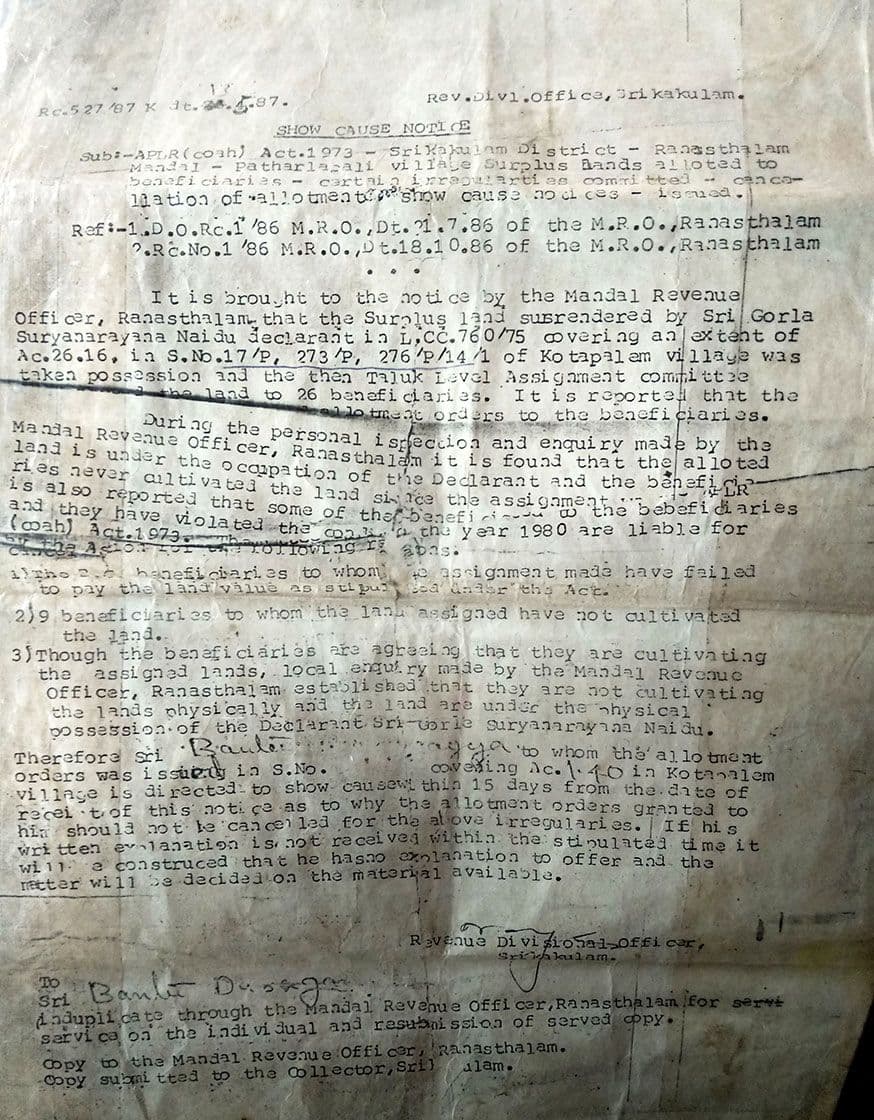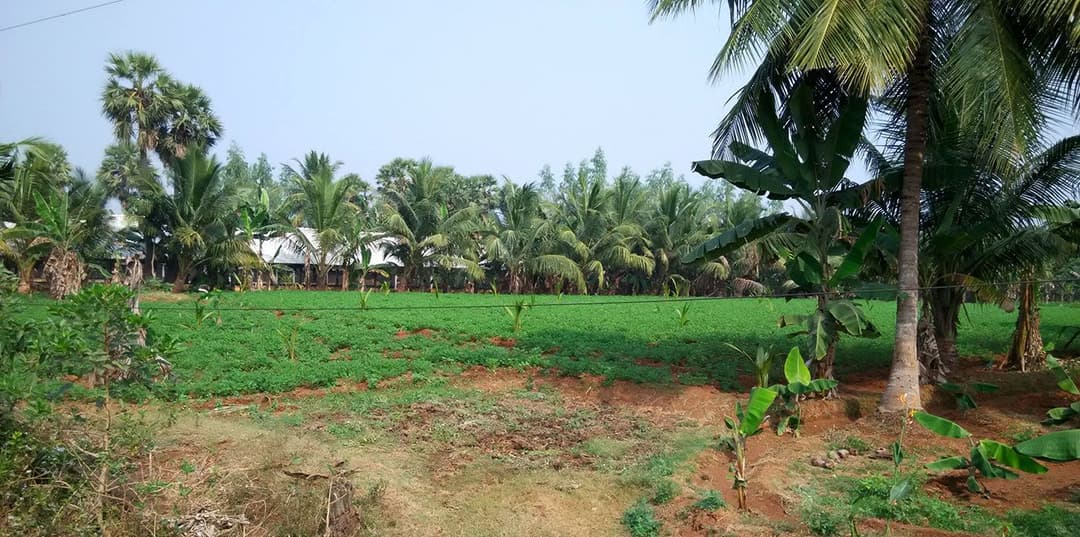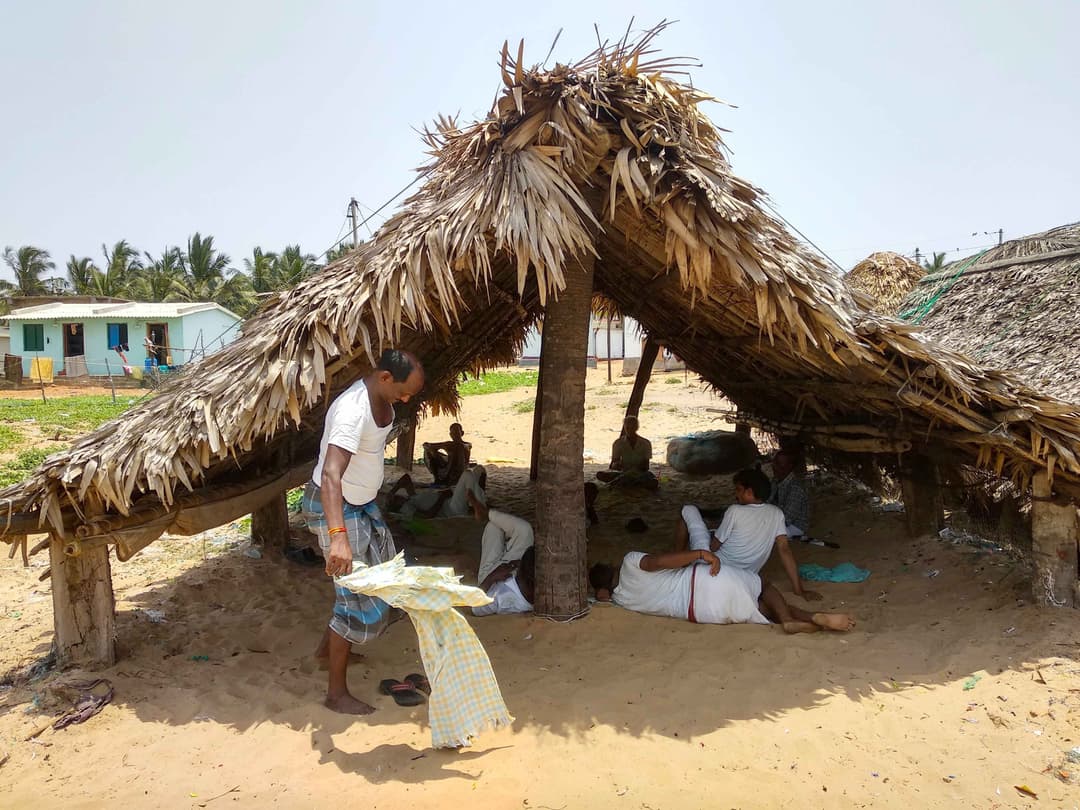

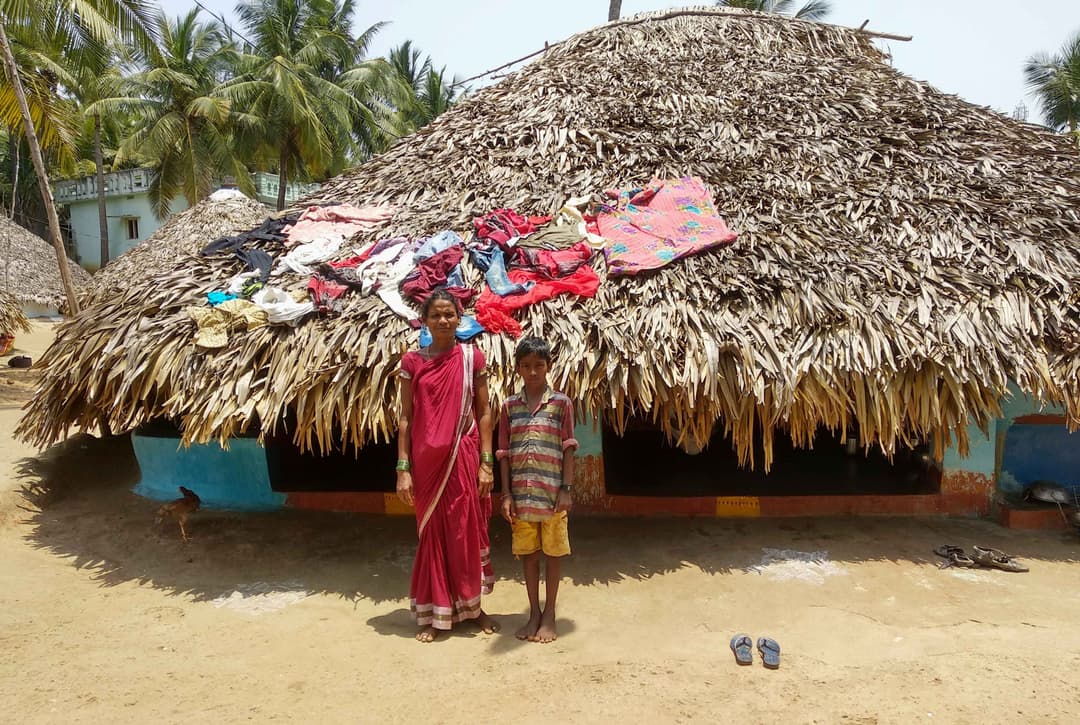
Bantu Durga Rao’s coconut plantation in Kotapalem village in coastal Andhra Pradesh could soon disappear. His one acre is part of the 2,073 acres in three villages – Kotapalem, Kovvada, Maruvada (and its two hamlets, Gudem and Tekkali) – in Srikakulam district that are being acquired by the district administration for a Nuclear Power Corporation of India Limited (NPCIL) plant.
But in May 2017, Durga Rao got a loan of Rs. 60,000 from the Andhra Pradesh Grameen Vikas Bank. “On the one hand, the banks are giving agricultural loans and on the other, the revenue authorities claim that survey number 33 [where his land is located] is a stream of water. Both are government agencies. How can both be true?” he asks, puzzled.
The power plant is likely to displace around 2,200 families of farmers and fisherfolk, says a January 2017 Social Impact Assessment report done by the Environment Protection Training and Research Institute, Hyderabad. Most of them are from Dalit and OBC communities. The report estimates the project will cost Rs. 4 lakh crores.
The process of acquiring land in the three villages and two hamlets of Ranastalam block began in 2011, and accelerated after the 2014 general elections. But in March 2018, the state’s ruling Telugu Desam Party quit the National Democratic Alliance government, and since NPCIL is a central government agency, “the project will only further get delayed,” says Sunkara Dhanunjaya Rao, the sarpanch of Kotapalem.
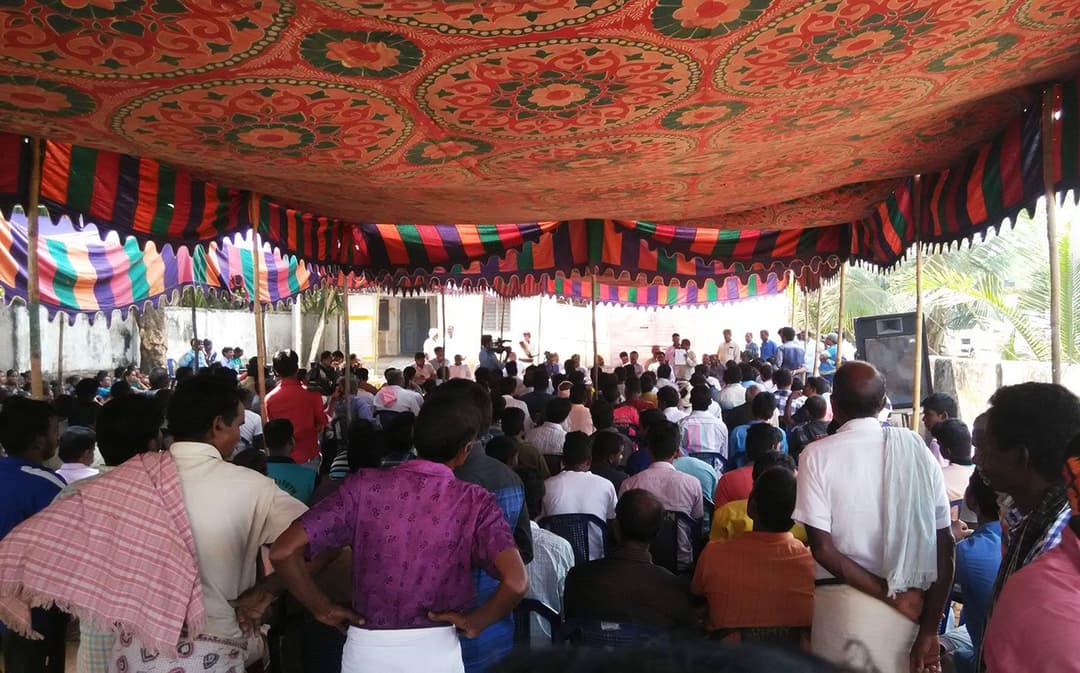
This has added to the uncertainty and confusion among the villagers.