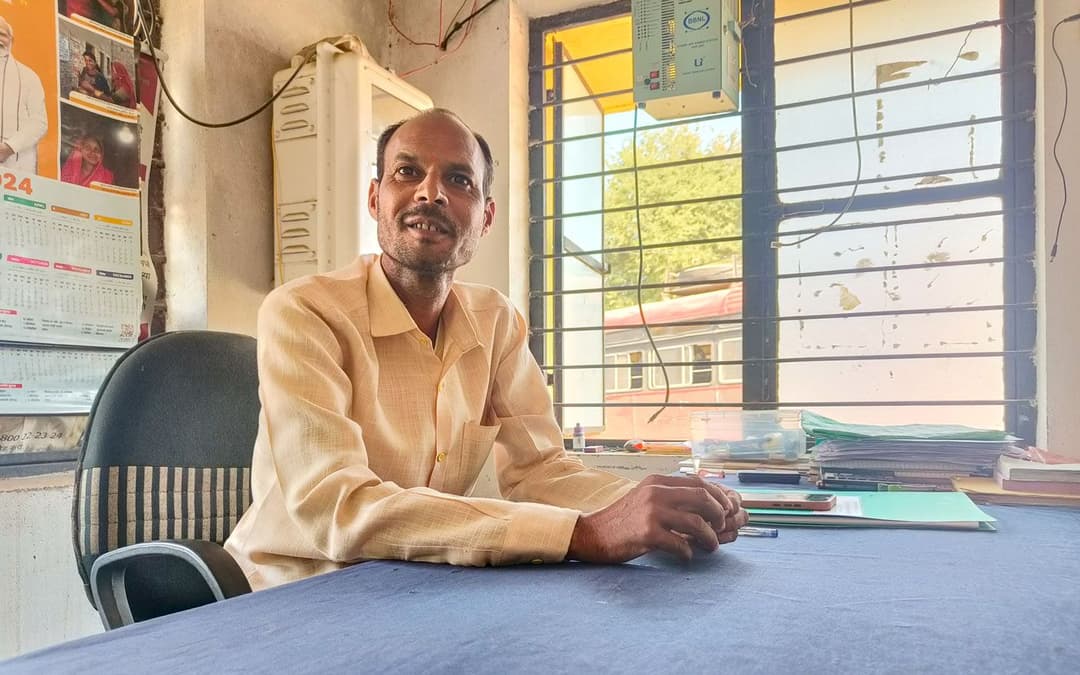
As winter crops reach harvest, Krushna Ambulkar is out every day at 7 a.m to start his door-to-door vasuli, a property and water tax recovery drive.
“Farmers [here] are so poor that achieving 65 per cent of the target is huge,” says the lone panchayat employee in Zamkoli.
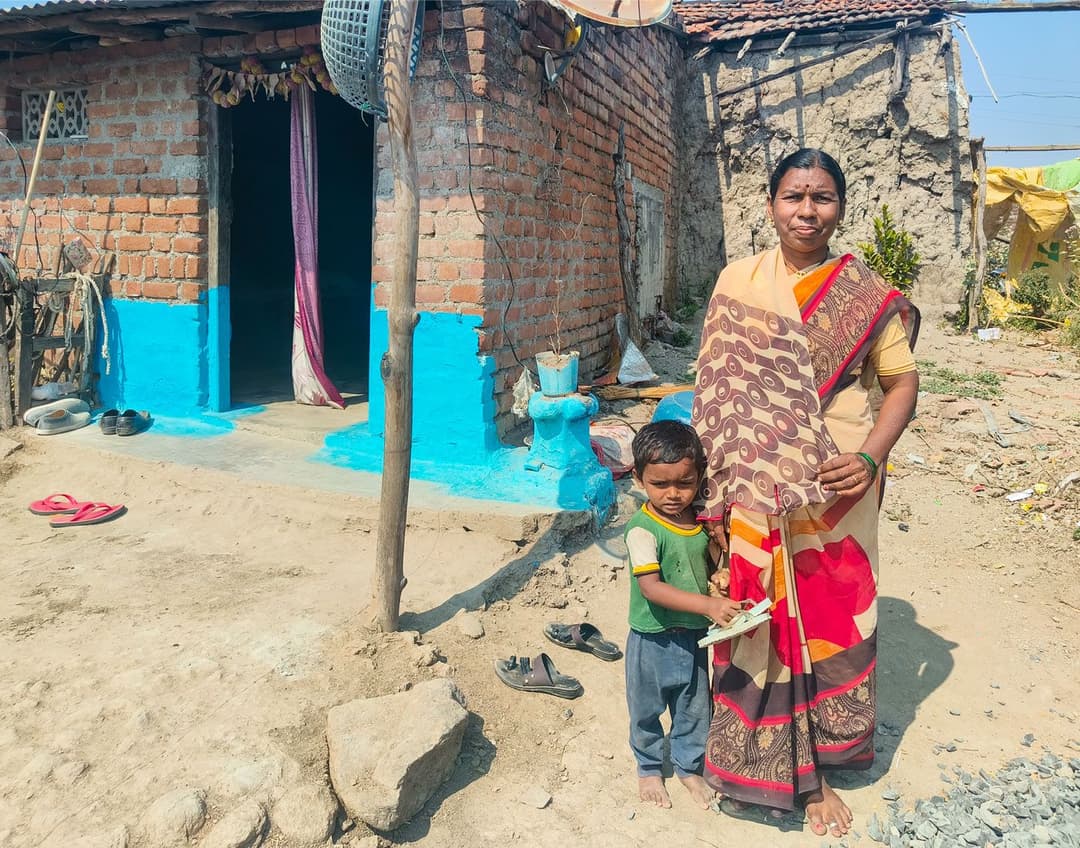
Zamkoli is 75 kilometres from Nagpur and inhabited by Mana and Gowari (Scheduled Tribe) communities who are mostly marginal and small farmers cultivating drylands. Farmers grow cotton, soybeans, tur, and even wheat if they have a well or borewell. Forty-year-old Krushna is the only OBC in the village – a Nhavi (barber) by caste.
A far cry from New Delhi’s claims about agriculture being the focus of the budget this year and jubilation over tax cuts for the middle classes, Ambulkar is tense over the panchayat’s tax recovery and the village farmers worry about sluggish crop prices.
Krushna’s worry is easily explained: The catch is, if he fails, he does not get paid his salary of Rs. 11,500 that comes from the panchayat tax revenue of Rs. 5.5 lakh.