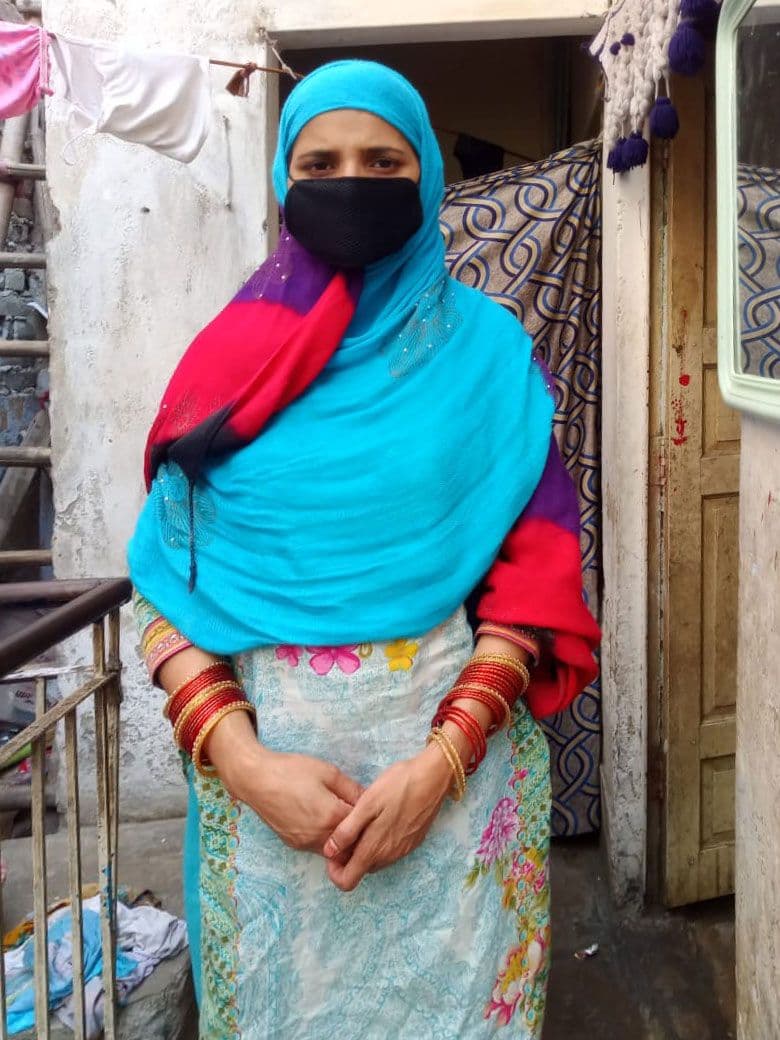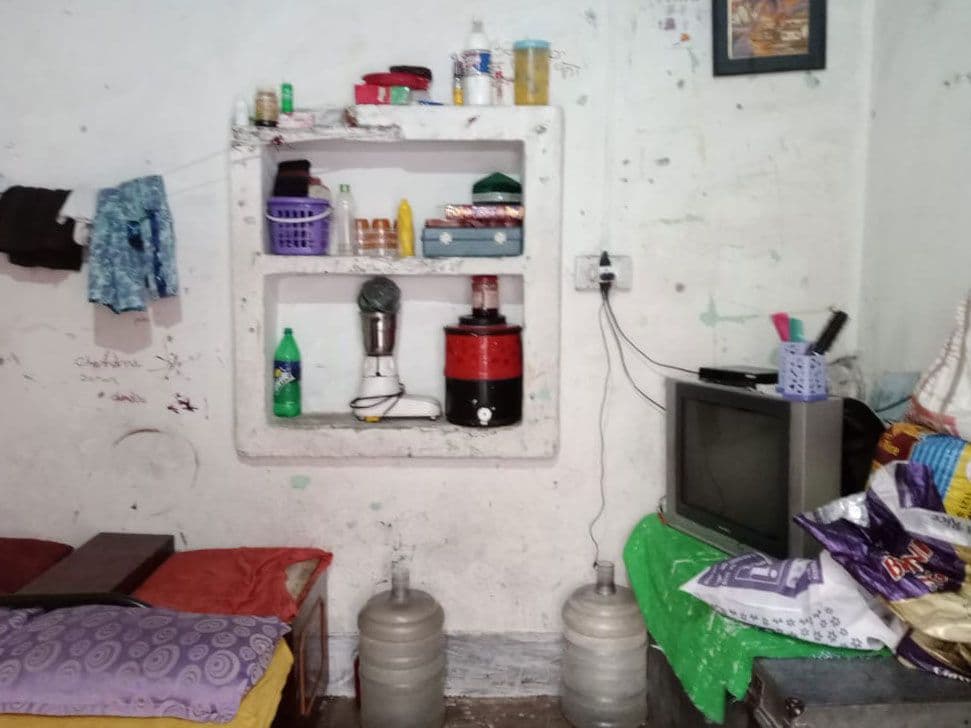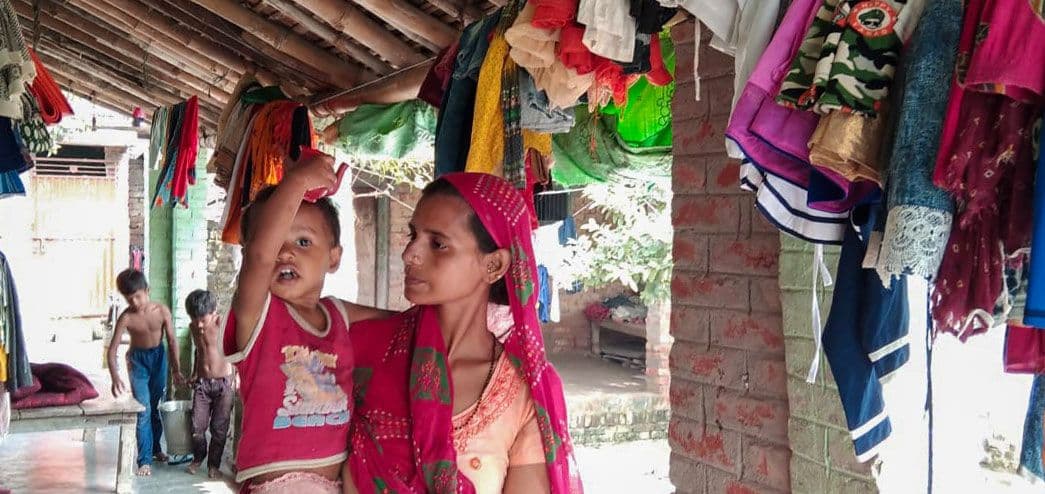

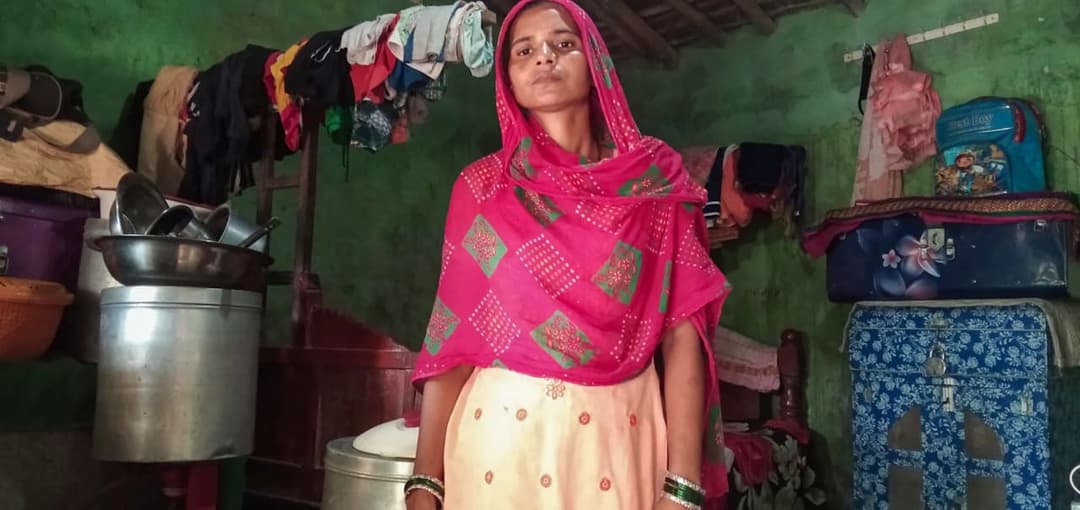
Two years ago, Rukhsana Khatoon applied for a ration card in Mohan Bahera, her husband’s village in Bihar’s Darbhanga district. With the construction of the family’s pucca house completed that month, Rukhsana applied for an Aadhaar card too, which she got. She had applied for a ration card two times before, but it never came.
This was her third attempt, in August 2018, and she was ready to wait.
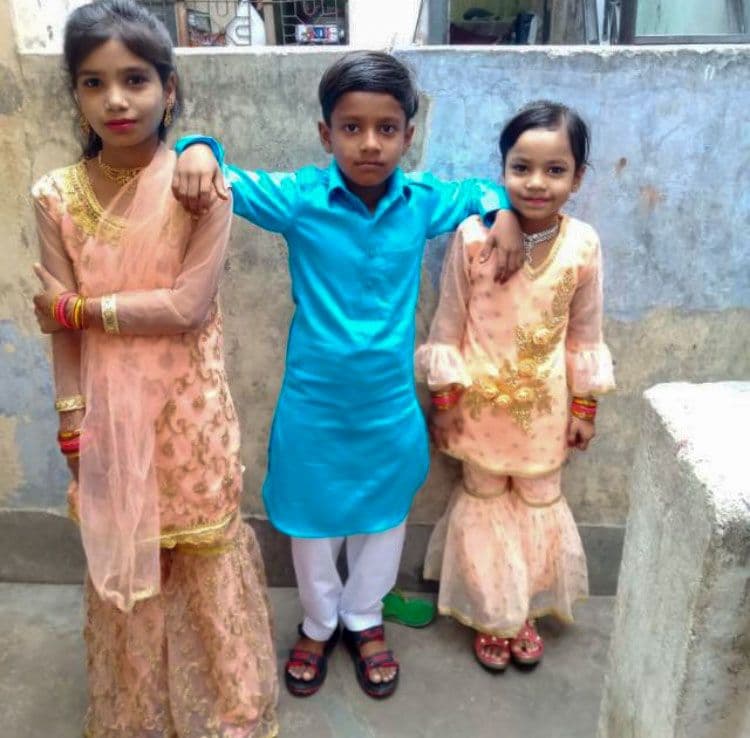
Rukhsana, 30, and her husband Mohammed Wakil, 34, were working hard and managing well. From Rukhsana’s jobs as a domestic worker in five houses in West Delhi’s Patel Nagar, and Wakil’s work as a tailor, they brought home a combined income of Rs. 27,000 a month. Even after handling all the expenses for their family of six (three daughters aged 12, 8, 2, and a 10-year-old son) and sending Rs. 2,000 to Wakil’s mother, a homemaker, in the village, the couple managed to save a bit every month.
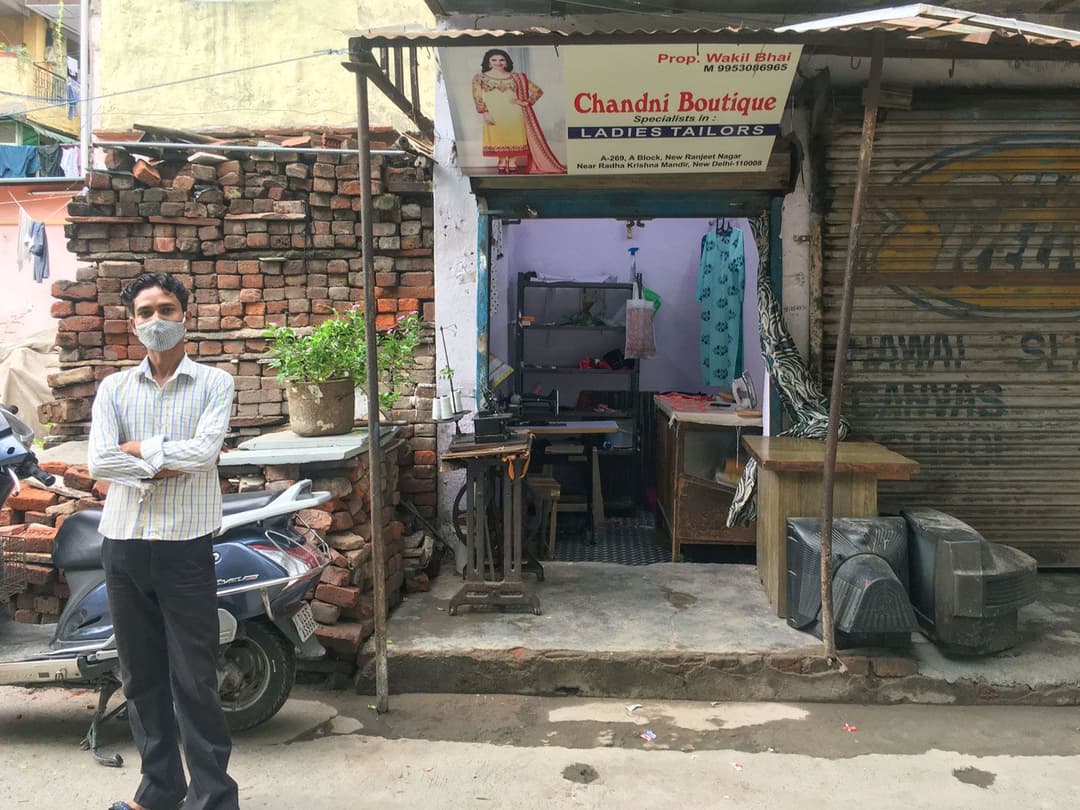
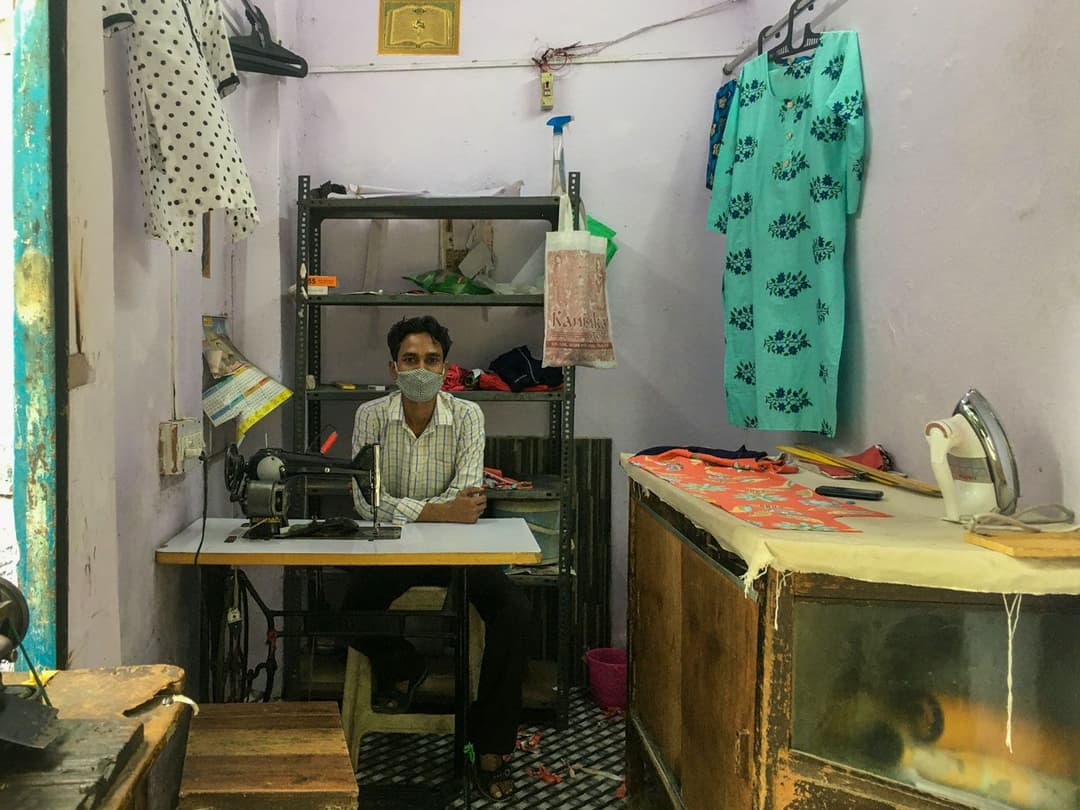
The hard work was paying off. Wakil had opened his own small tailoring shop in the New Ranjeet Nagar area of West Delhi, hoping to earn more than the Rs. 12,000 he brought in as a tailoring shop employee. That was on March 15, 2020.
Barely a week later, the nationwide lockdown was imposed across India
Rukhsana’s employers told her to stop coming to work and it soon became clear she was not going to be paid for the lockdown months. She continued to cook in one home and earned Rs. 2,400 – instead of Rs. 15,000 from working in five houses. By June she lost that job too, but soon found another one cleaning and cooking, where the new employer, concerned about the news of ‘super spreaders’, wanted to know if she visited a mosque. “I didn’t feel bad. Everyone is scared of corona, so I understand her concern,” Rukhsana said.