
Mohammed Shamim is planning to carry aflatoon for his family back home in Kharaj (Dinmanpur) village in Samastipur district of Bihar. “It doesn’t get spoilt during the 36-hour journey, and it’s the best mithai in Mumbai,” he says of the ghee and mawa-based delicacy. It has been six months since Shamim has gone back to Kharaj and he is preparing weeks in advance for the visit. His wife Seema Khatun wants him to bring “a Bambai style suit [salwar kameez],” a hair oil, a shampoo, a face cream and another gift that he is shy to speak of.
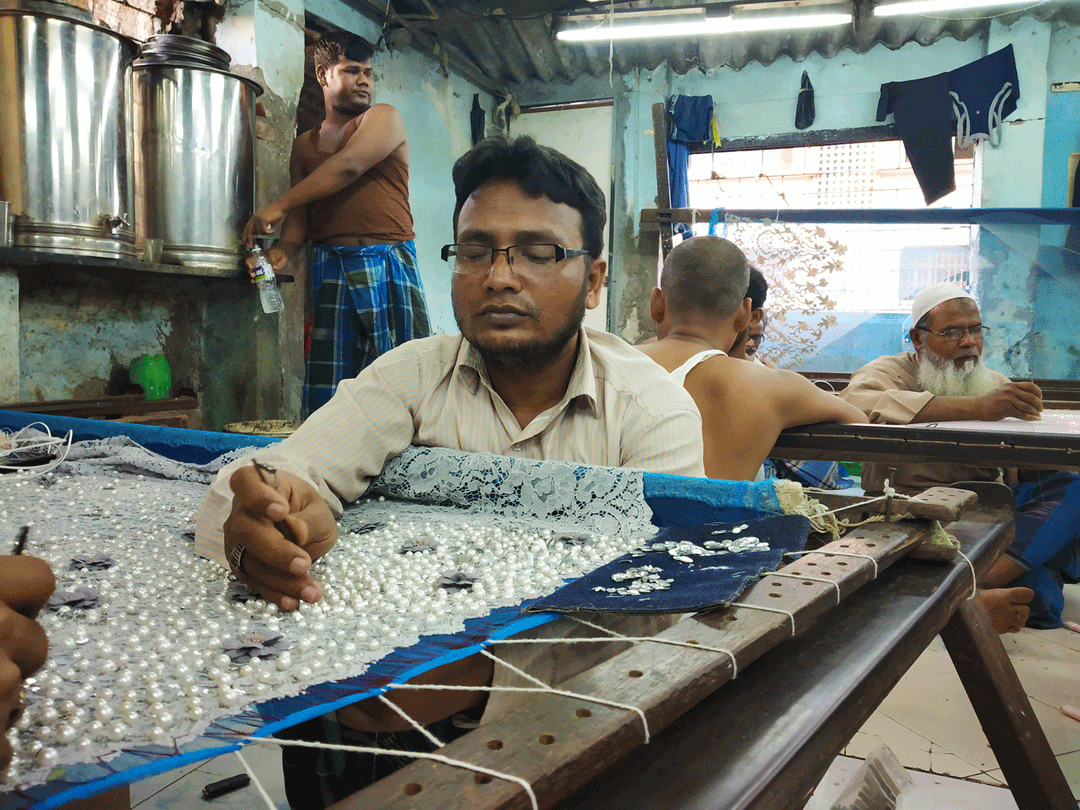
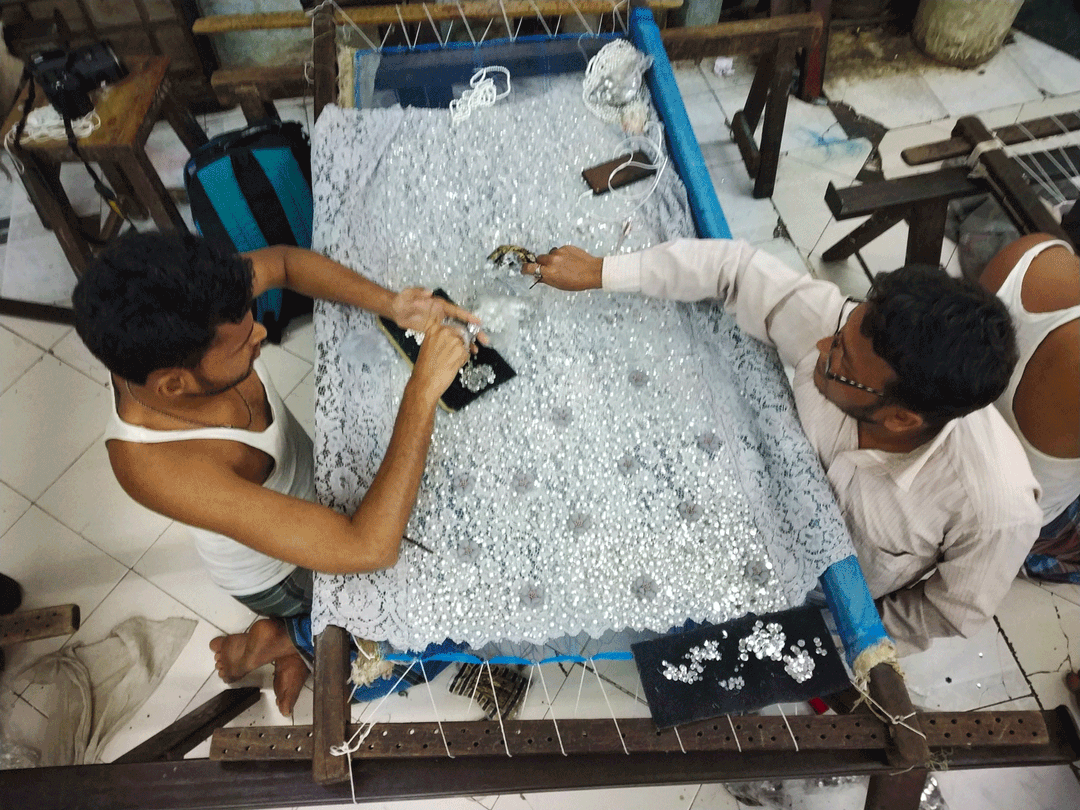
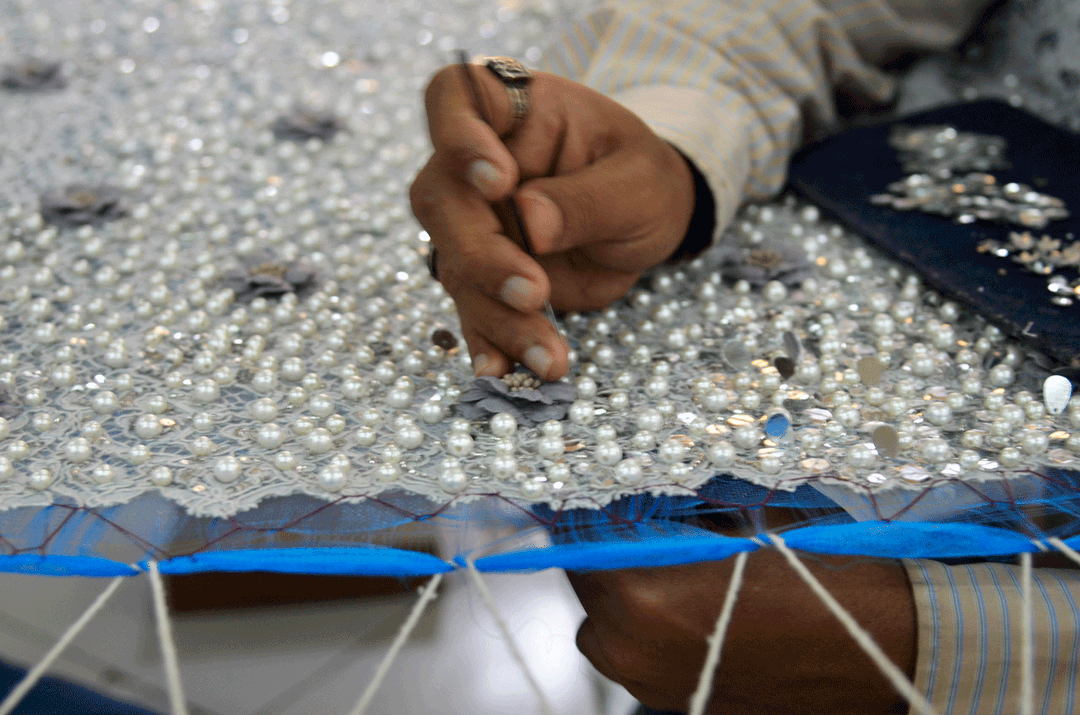
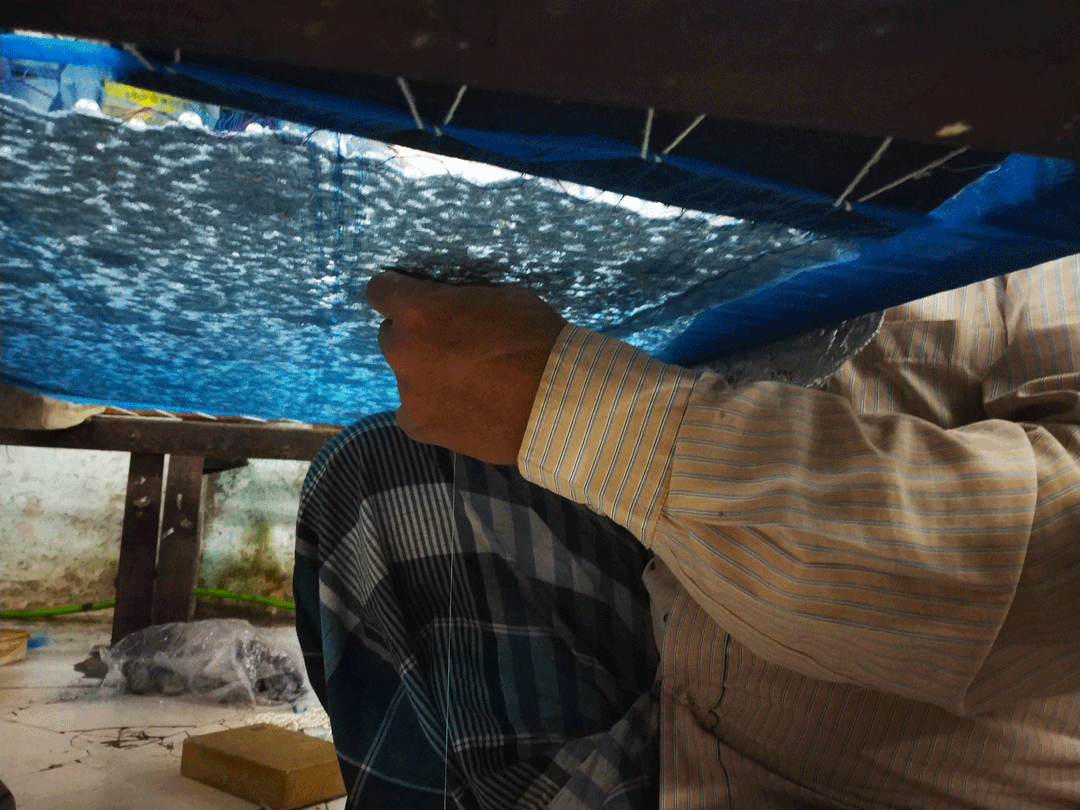
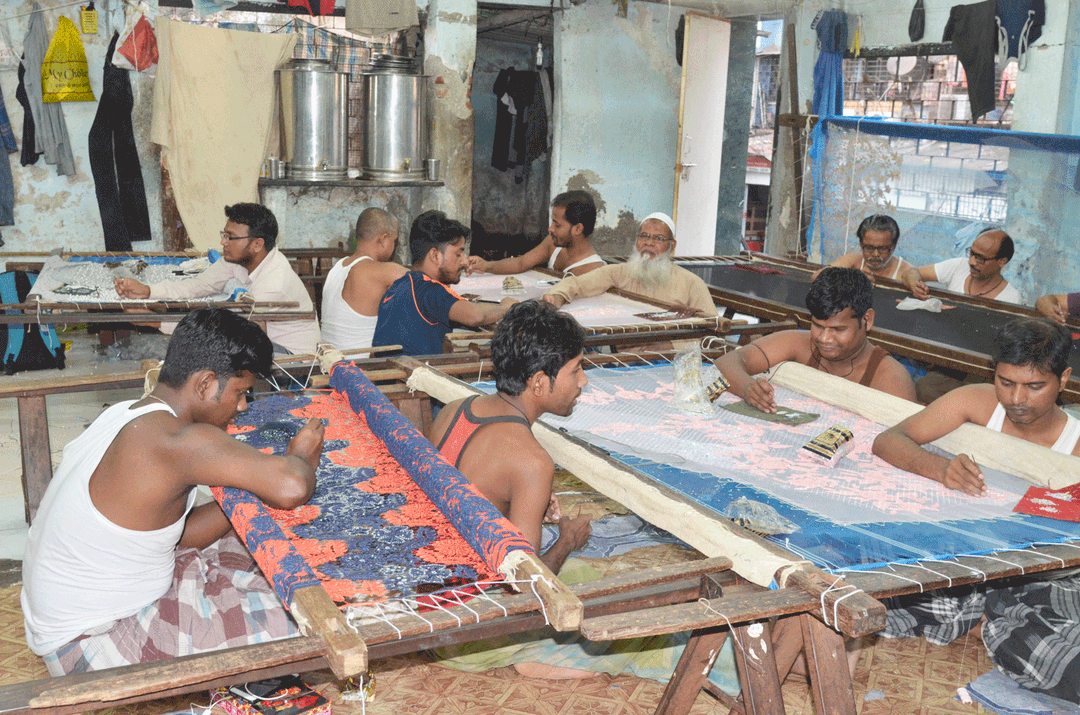
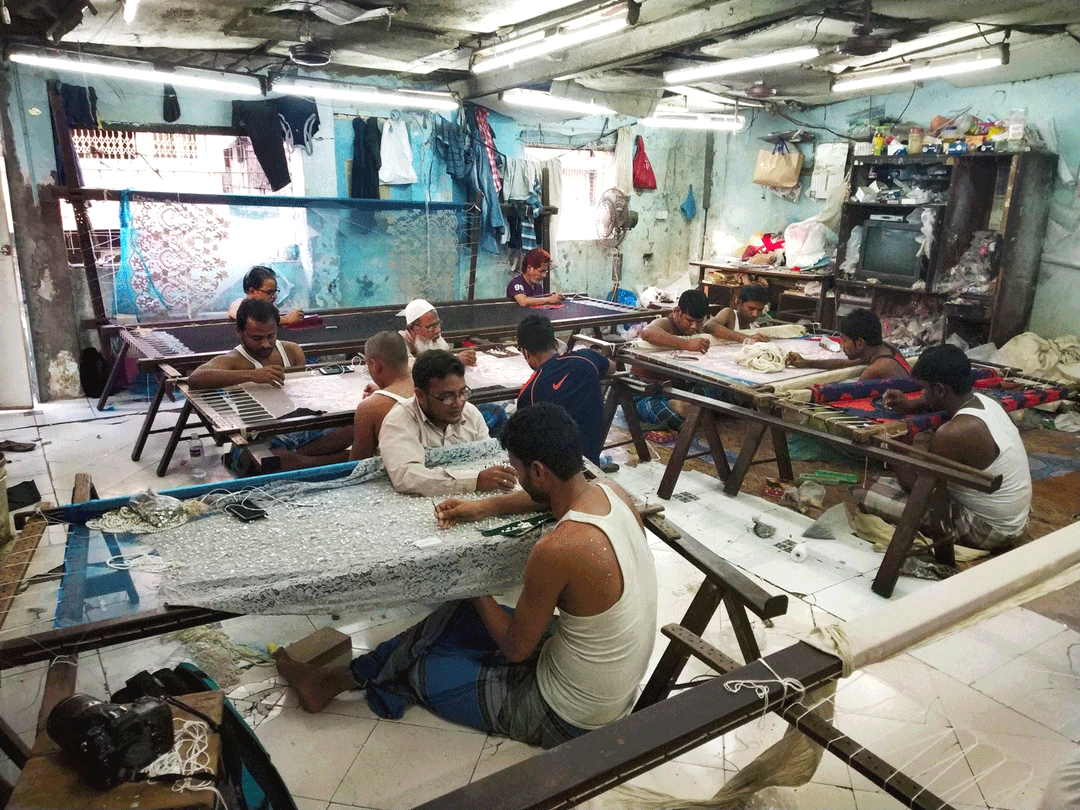
Sitting on the floor, Shamim is rapidly weaving plastic leaves and flowers into a netted fabric tied to wooden logs from all sides. He has been working at this workshop – “everyone knows it as Aslambhai ka karkhana” – in Mahim in central Mumbai for nearly a decade, since he first came to Mumbai for zari work.
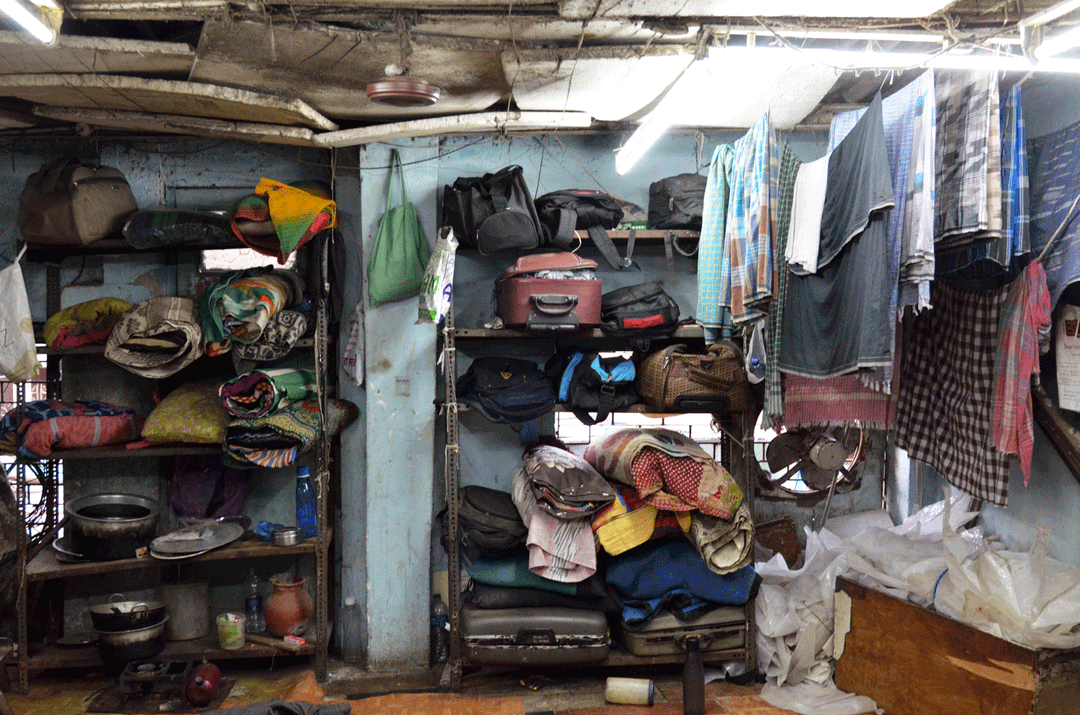
In the karkhana, clothes, bags and mattresses are kept on racks in a small side room. Up to 35 workers – most of them are migrants – sit at a time for zari weaving in the 400-square feet main room. Many of them sleep in the same room at night. The ceiling fan is not enough during the summer, so, Shamim says, smiling, “Everyone wants to sleep close to the only pedestal fan in the room.”
Traditionally, zari was made with strands of gold or silver alloy woven into yarn; it now also refers to threading with copper or cheaper alloys, or embellishment with various other materials, including glossy plastic. At the Mahim workshop, the weavers embroider zari with metallic thread too, depending on the orders placed by buyers – usually, stores and fashion designers.
Shamim, now 40, started his journey toward this small room when he was around 15. He had only studied up to Class 5 in an Urdu-medium school. His grandfather and an uncle took care of the family after his father Mohammed Safik, was diagnosed with kala-azar (an illness caused by the bite of a sandfly), and remained ailing for over a decade. If he had not taken up zari work, Shamim says he too would have been a butcher, like his father.