
“If these machines had been brought in before, my children’s papa would not have left them. Now they are not of any use to me, but they will at least be useful for other women. Their men will not die in the sewers. No one should have to suffer the way I do.” So saying, a visibly distressed Rani Kumari became silent.
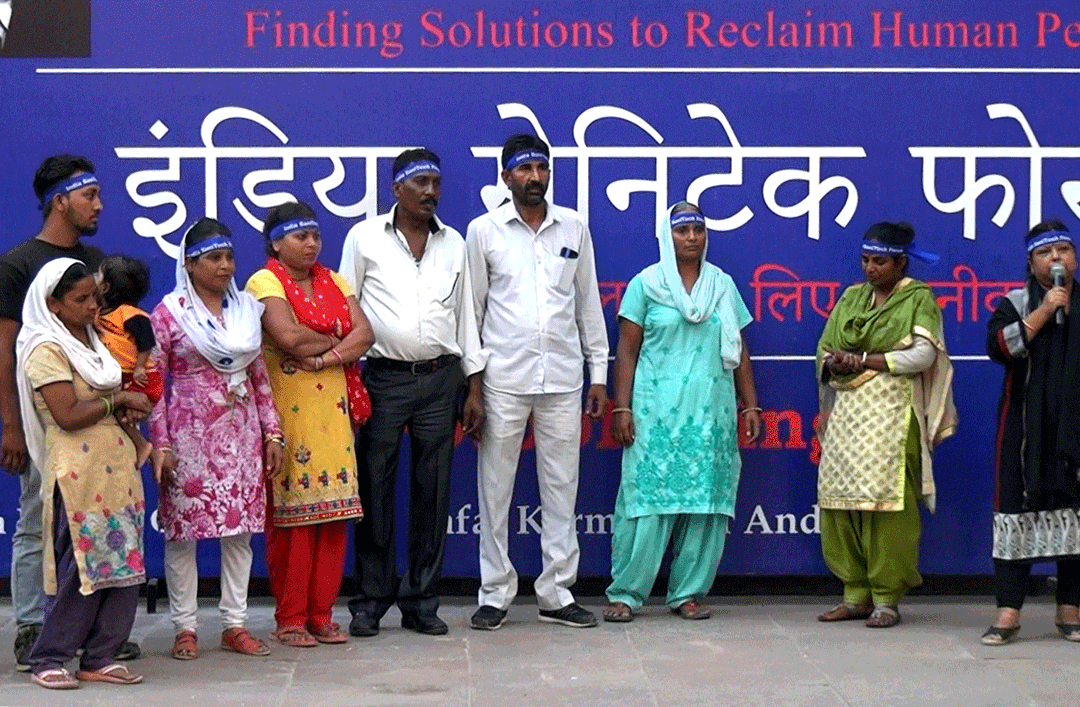
When I first met Rani late last year, she was sitting on the steps at a conference venue in Delhi, where she had come for an event organised by the Safai Karamchari Andolan, a nationwide movement to eradicate the cleaning of human excreta by human beings, and stop the recurring deaths of workers in sewers and septic tanks. At this event, on display were various technological solutions to replace manual cleaning.
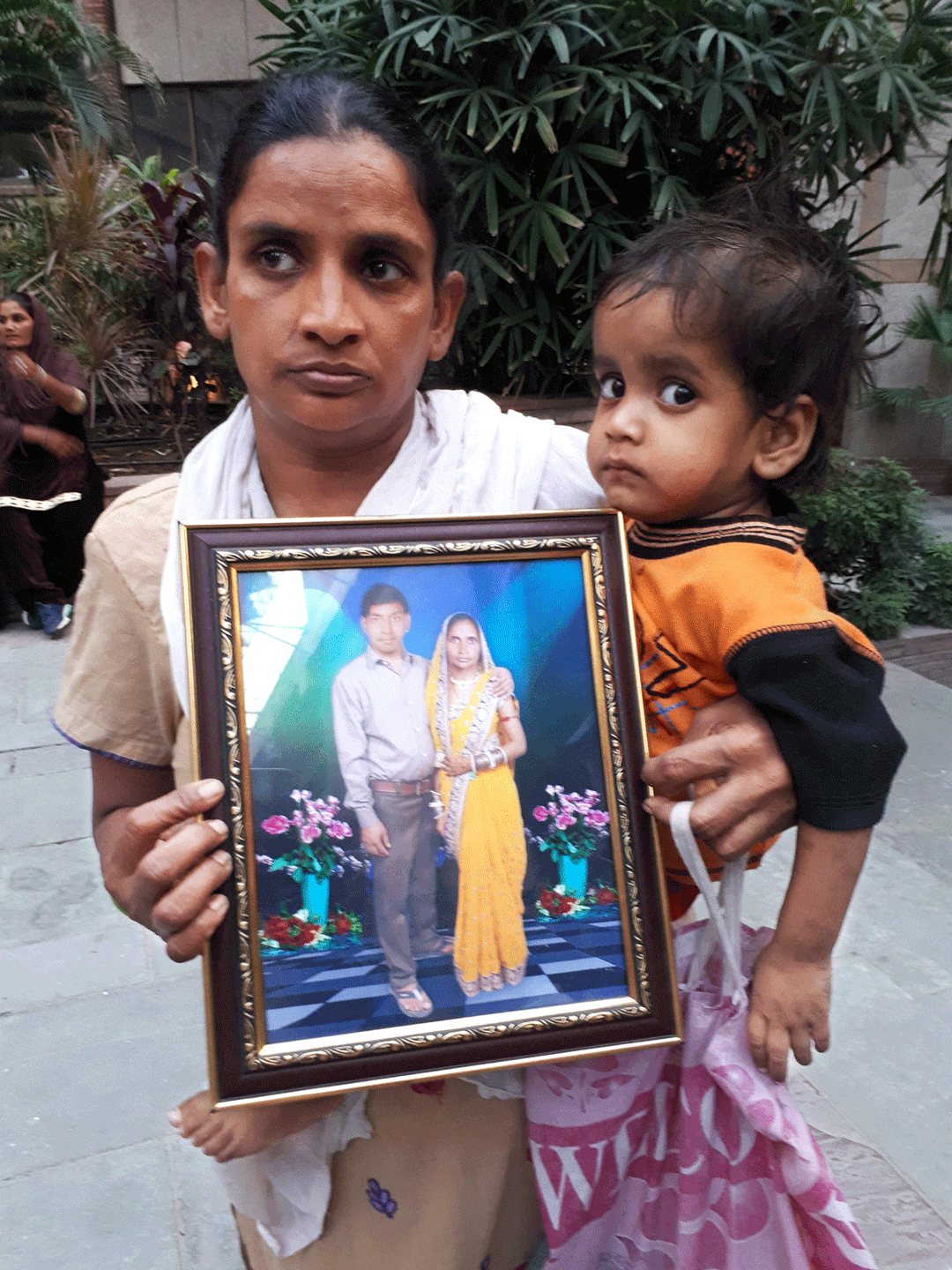
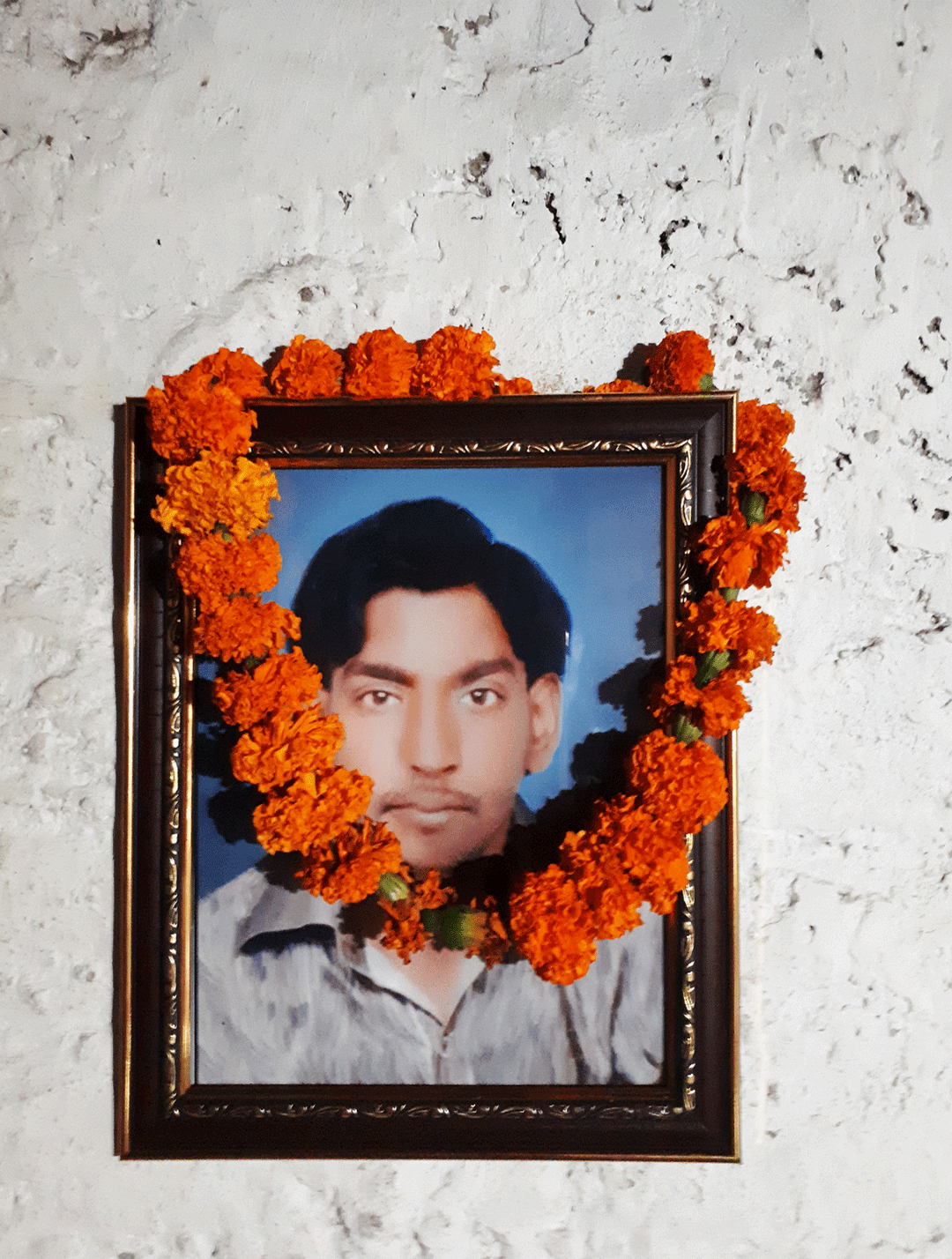
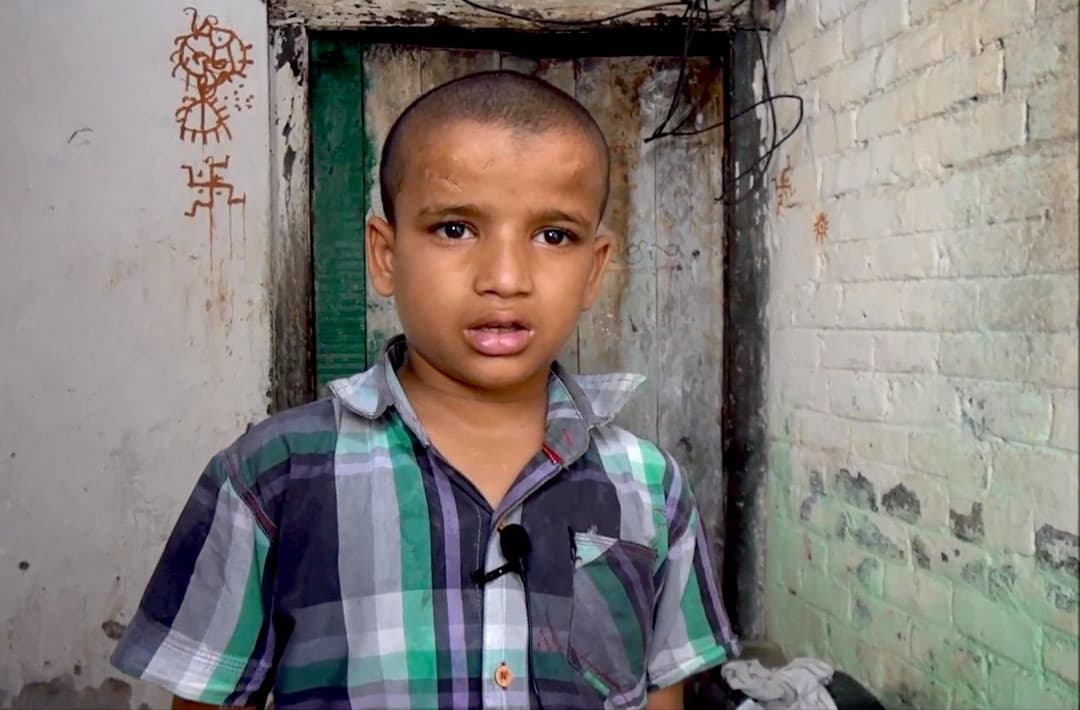
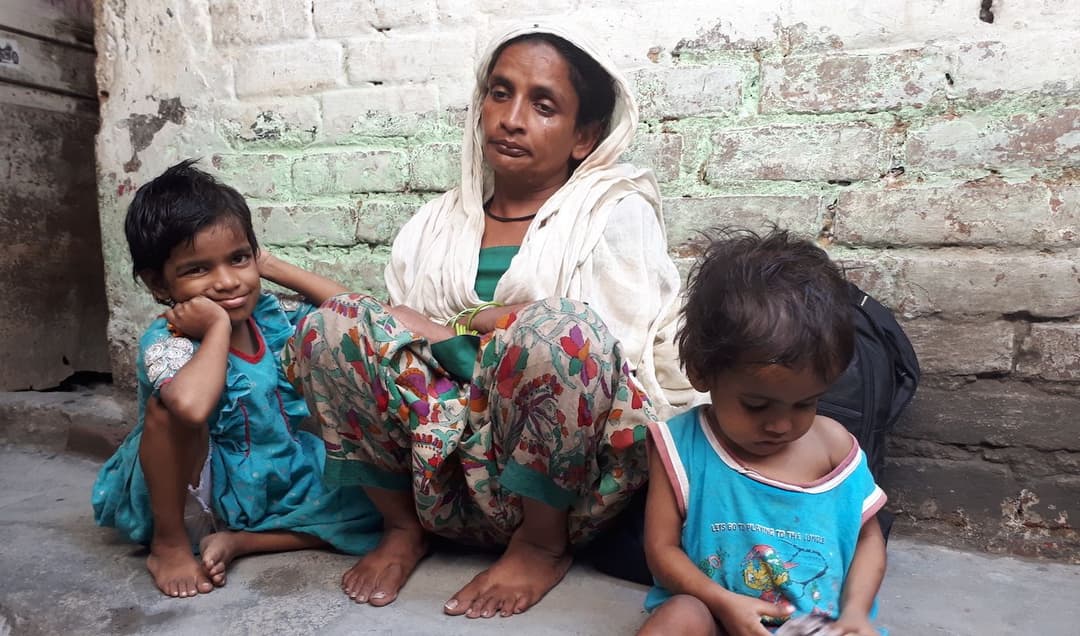
Sitting on the steps, 36-year-old Rani took out a photo from a plastic bag. It was of her partner, 30-year-old Anil Kumar. She wiped it with her frayed white dupatta and became restless, pacing up and down with her children, seven-year-old Lakshmi and 11-year-old Gaurav, and carrying 2.5-year-old Sonam.
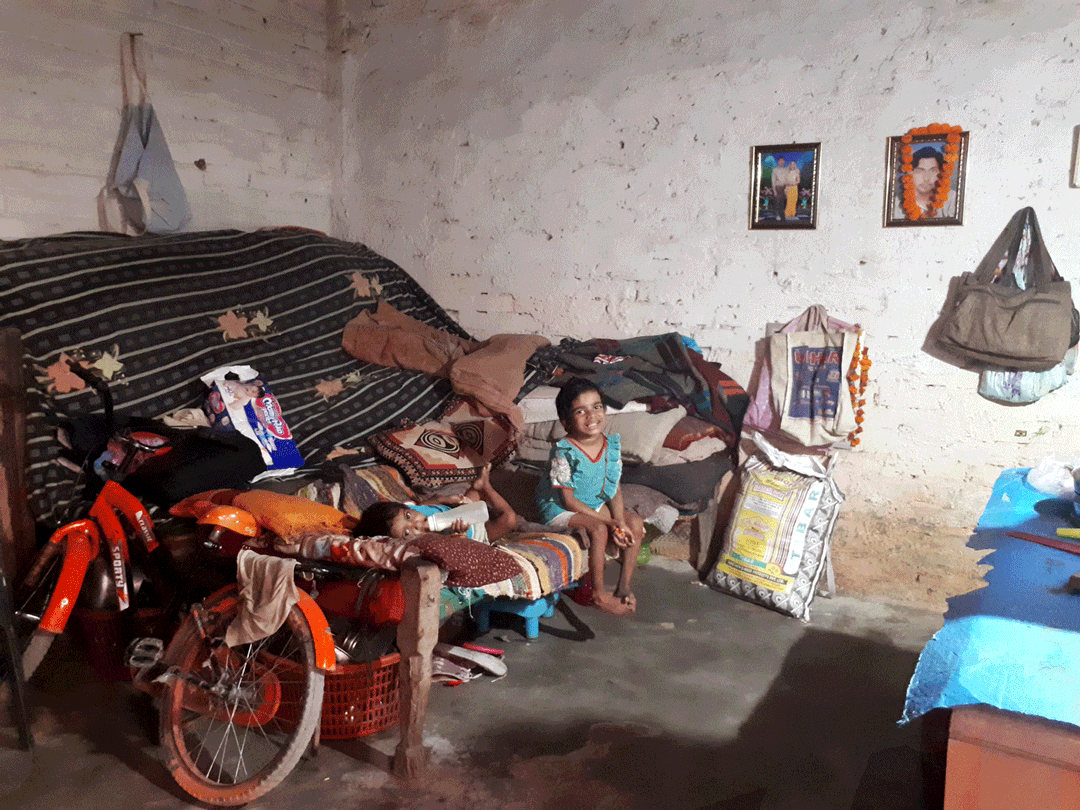
When a woman loses a family member in the septic tanks and sewers of India, besides trying to cope with the loss, she has to fight for justice and compensation, and worry about her family’s survival. Rani’s situation is even harder. We talk some more when I visit her home in Dabri, a colony in south-west Delhi.