

“Whatever I learn in school is the opposite of the reality in my home.”
Priya is a 16-year-old schoolgirl from the Rajput community in the mountain state of Uttarakhand. She is speaking about the strict and clearly laid-out rules she is forced to follow when she is menstruating. “It is almost like living in two different worlds. At home I am made to isolate myself and follow all the customs and restrictions, and in school I am taught that women are equal to men,” she says.
A student of Class 11, Priya’s school is in Nanakmatta town, seven kilometres from her home in the village. She cycles there and back every day. A good student, she initially tried educating herself on the subject. “I read books and I thought I would do this and that; I would change the world. But I was not able to convince my family that these customs have no meaning. I live with them day and night but I am unable to make them understand that these restrictions have no meaning,” she says.
Her initial unease and discomfort at the rules and regulations has not diminished but she just goes along with her parents’ thinking now.
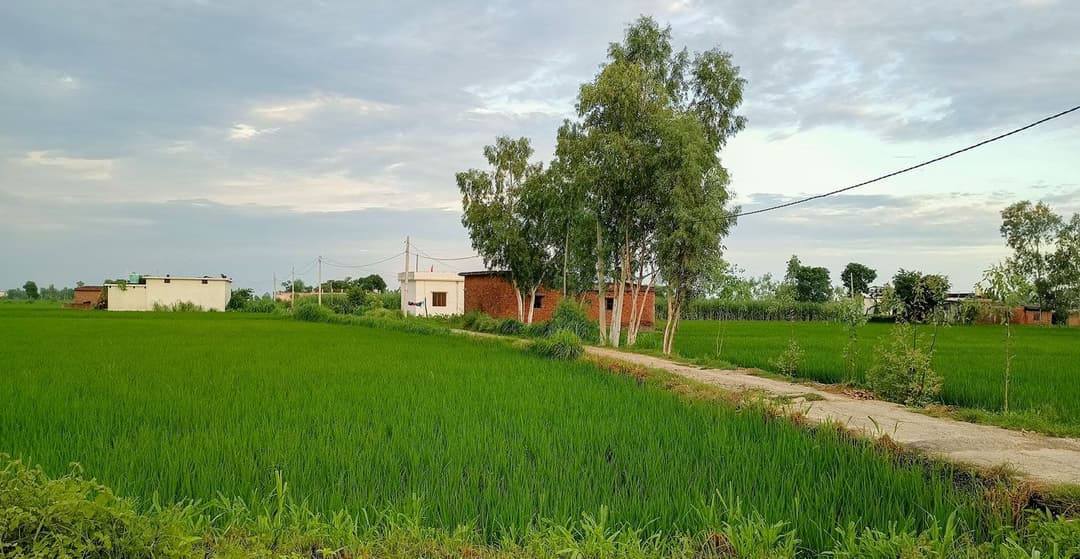
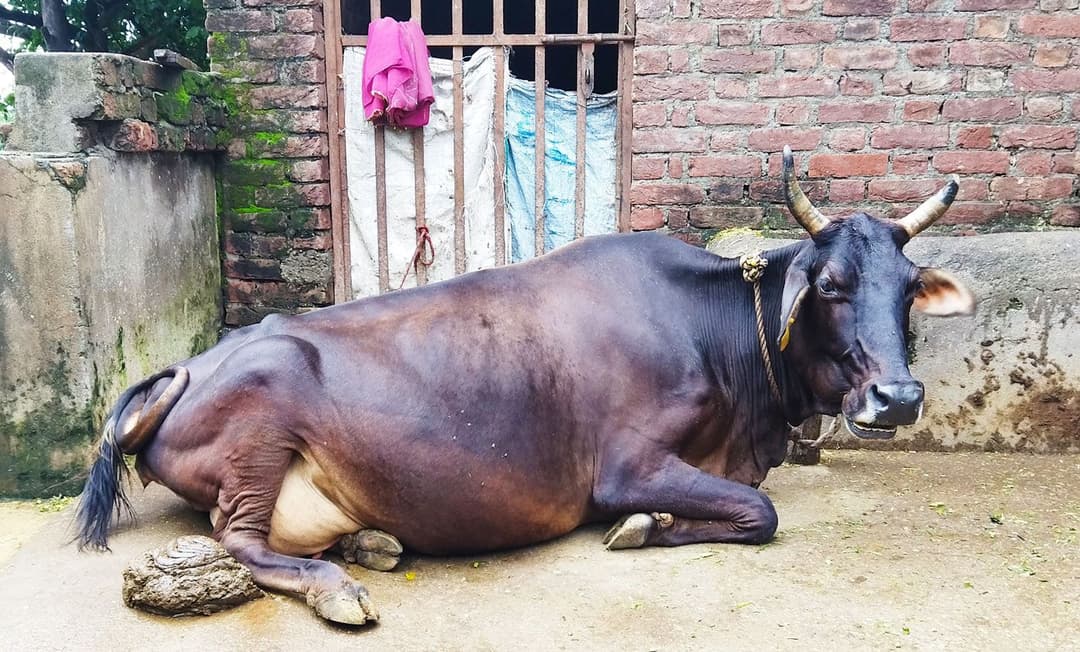
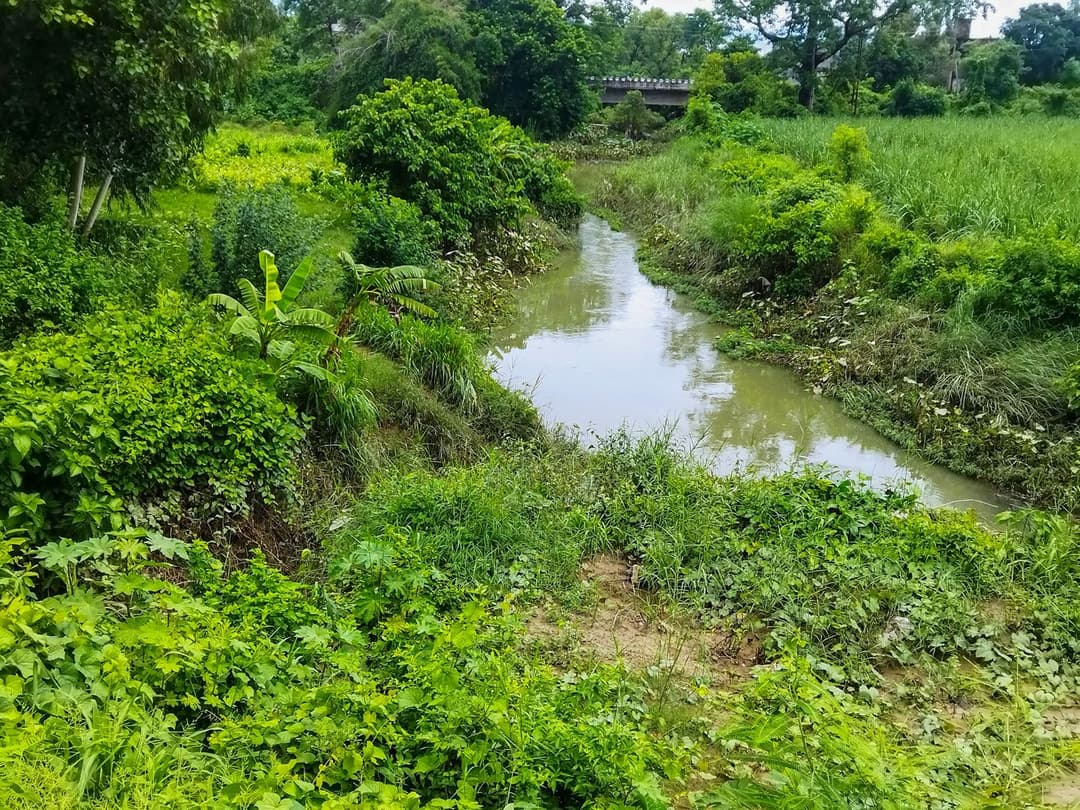
Priya and her family live in the terai (lowland) region, the highest yielding agricultural region in the state (Census 2011). The region has three harvests – kharif, rabi and zaid – and most of the population is engaged in agriculture and keeps livestock, mostly cows and buffaloes.