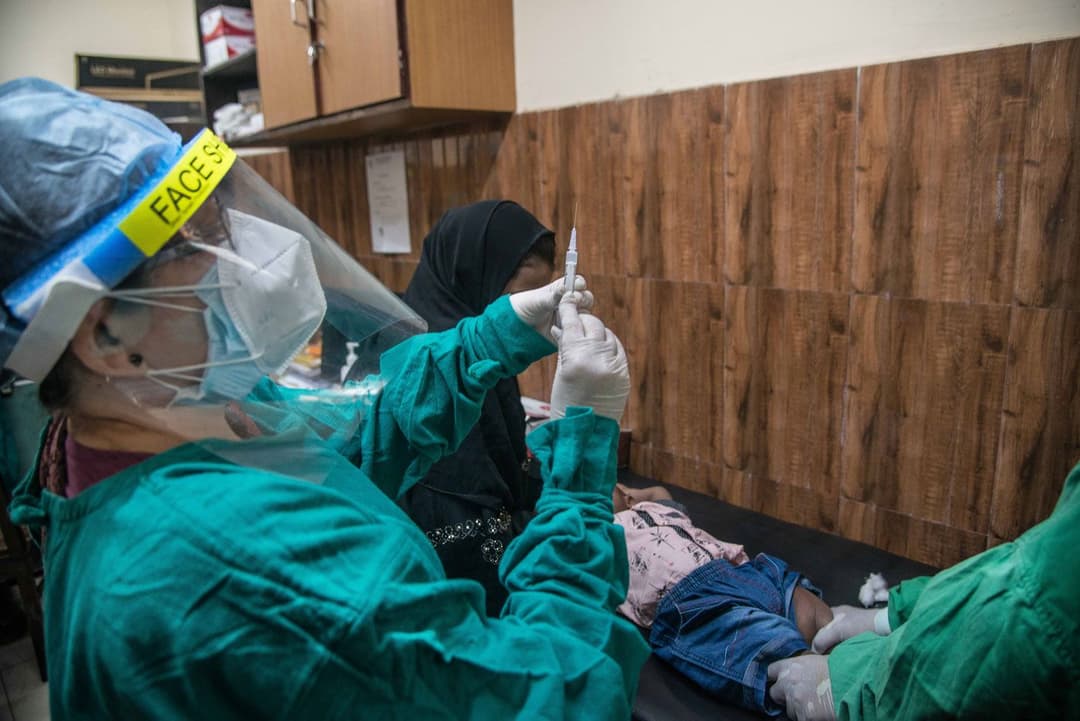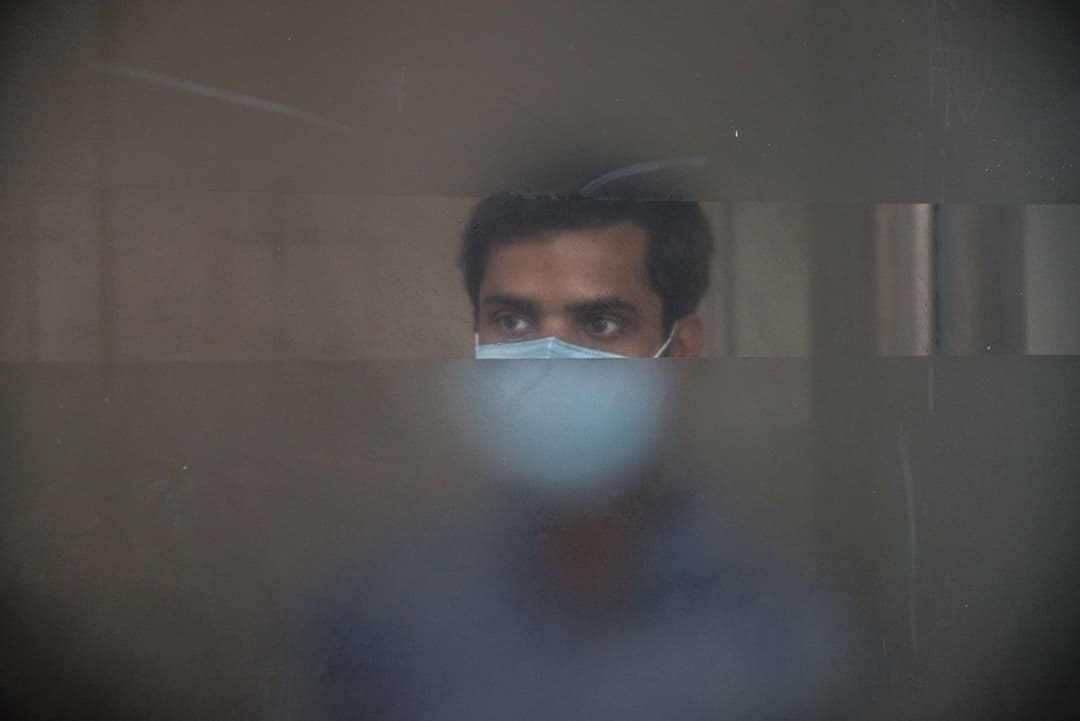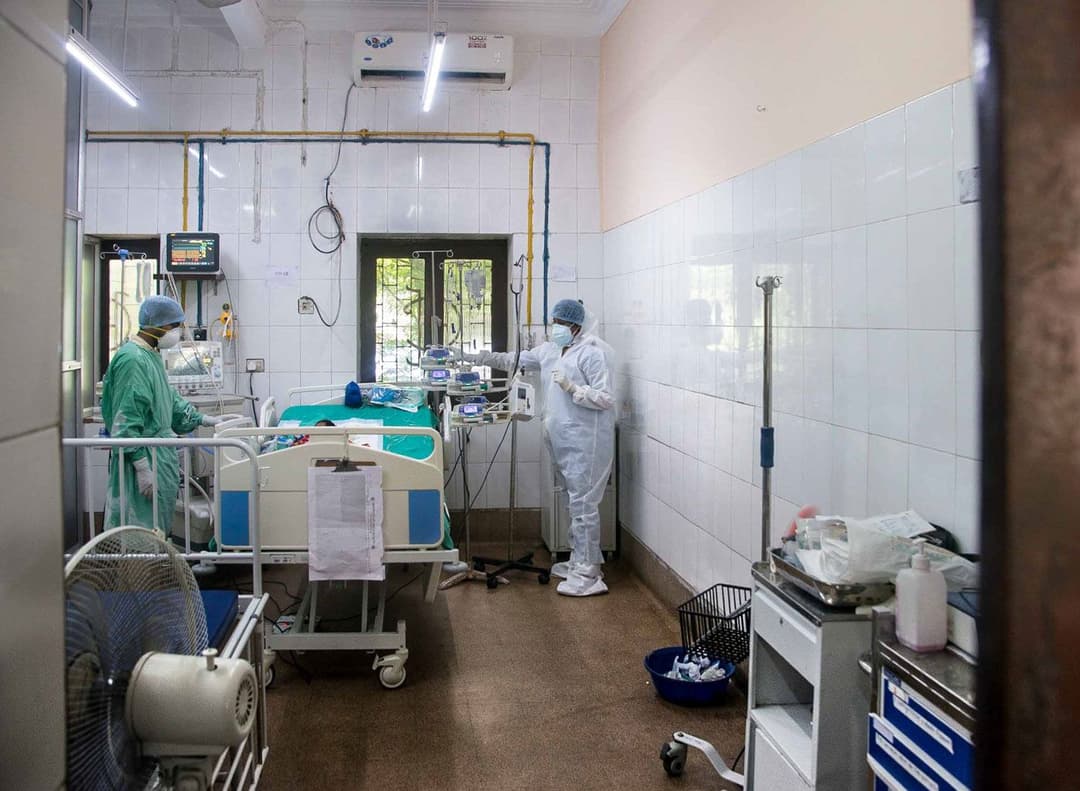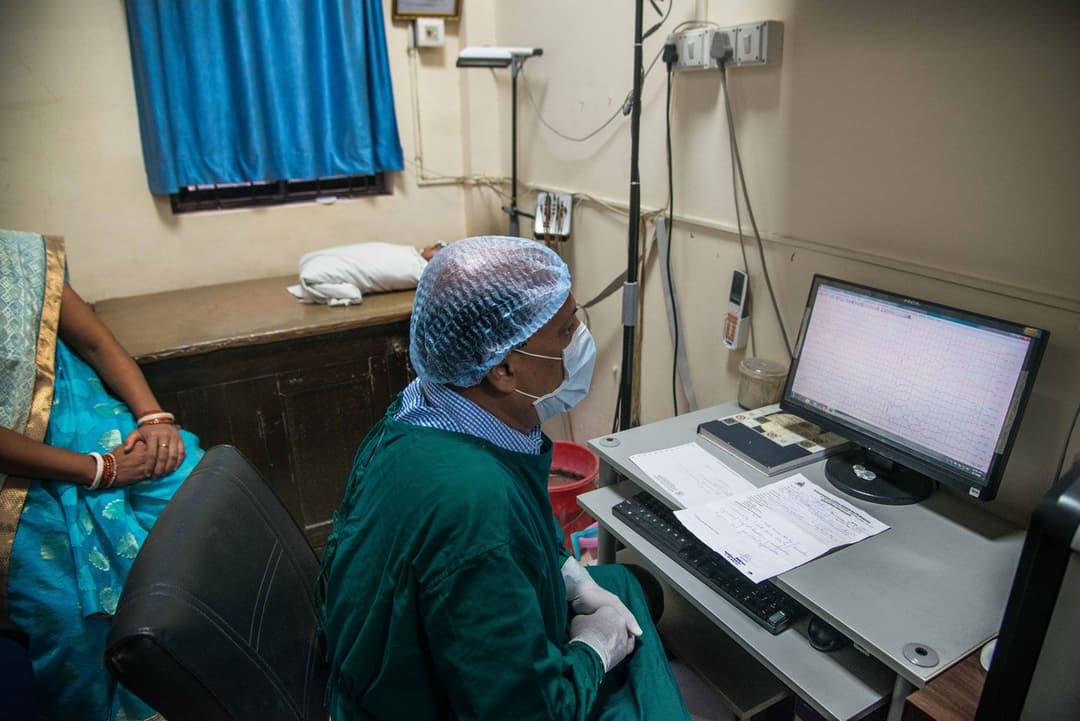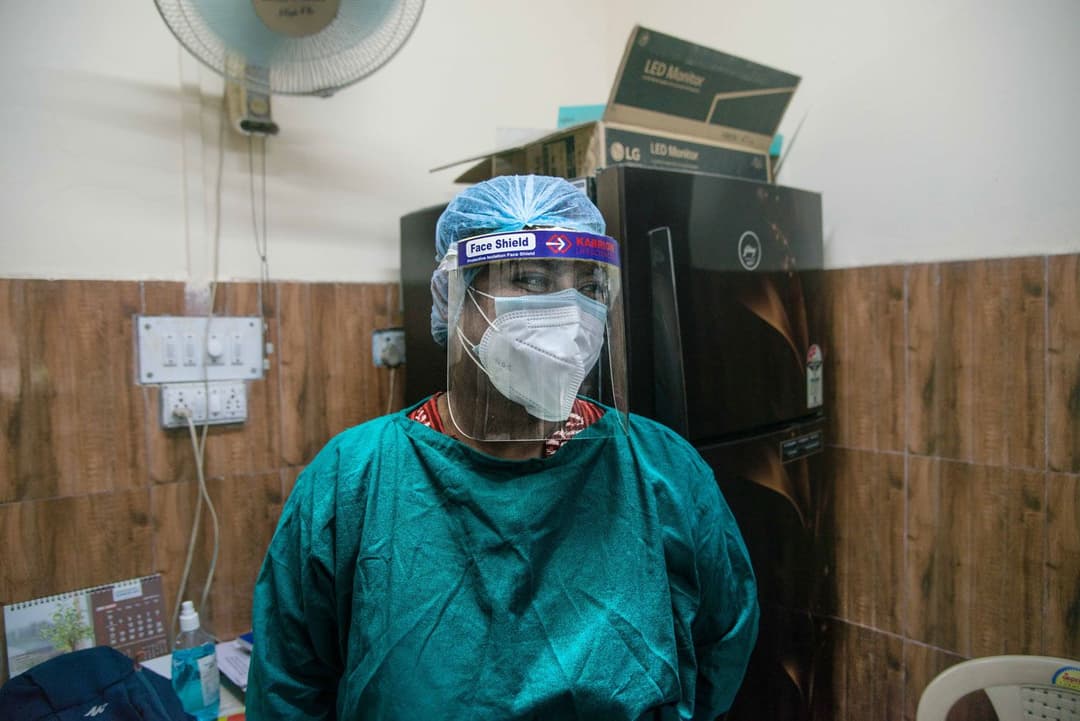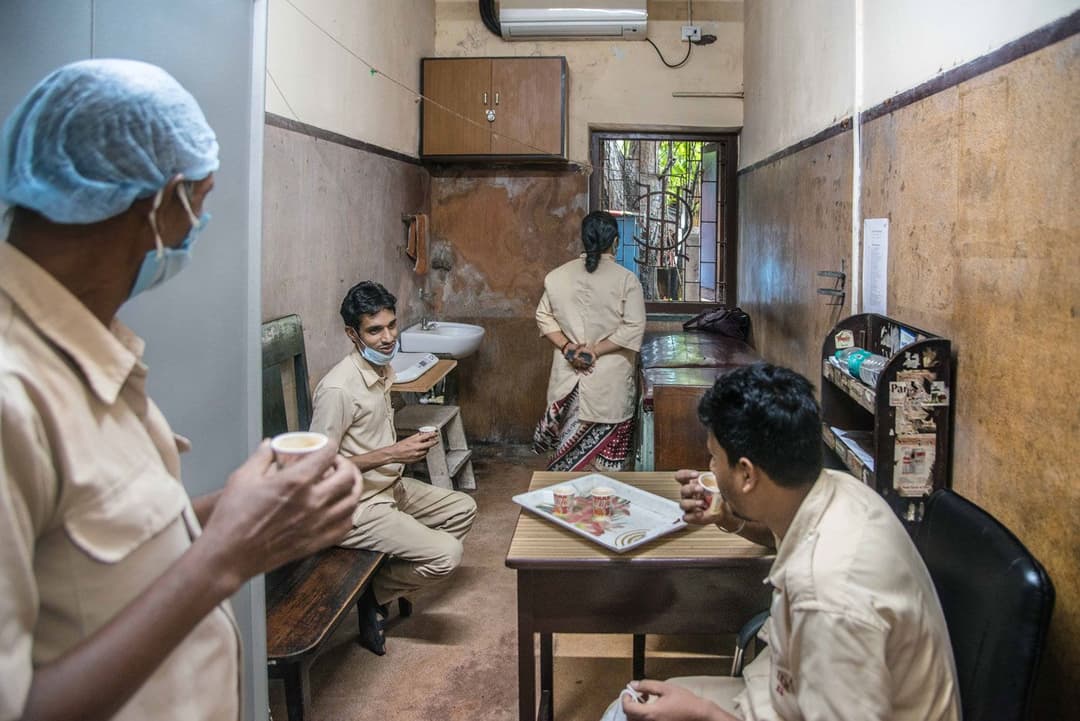

They came in full PPE gear, looking like aliens landing in his village in the South 24 Parganas. “They came to catch me as if I was an animal,” says Haranchandra Das. His friends call him Haru – except he thinks they aren’t his friends anymore. Recently, they’ve been boycotting him. “And people stopped supplying my family groceries and milk. We were harassed in various ways and spent sleepless nights. All our neighbours are fearful of us.” All this even though Haranchandra had not tested positive for Covid-19.
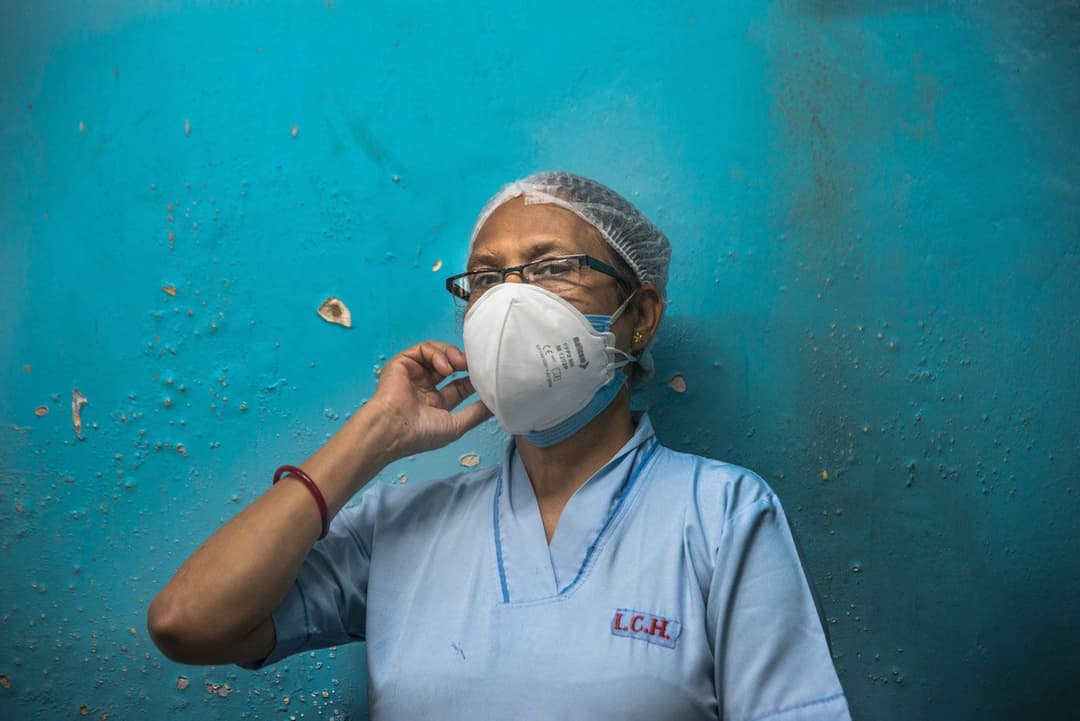
His crime: he works in a hospital. And most health workers are facing similar hostility. Probably even those district-level workers who came hunting for him suspecting he was infected.
“Everybody feared that because I work for a hospital, I must be infected,” he says.
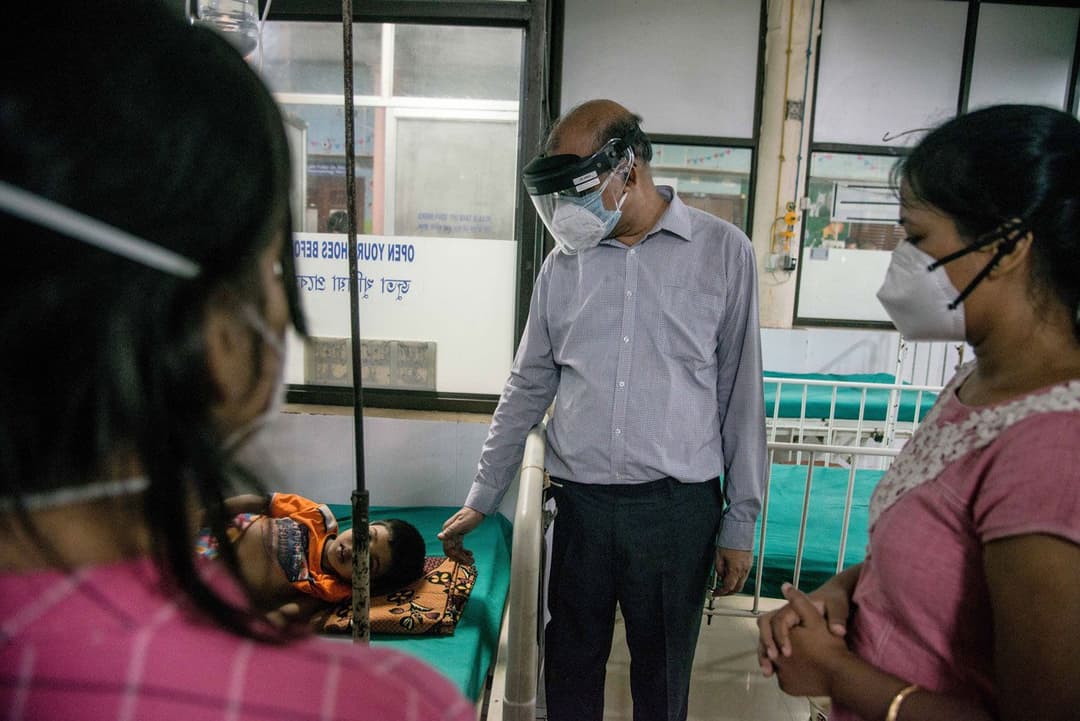
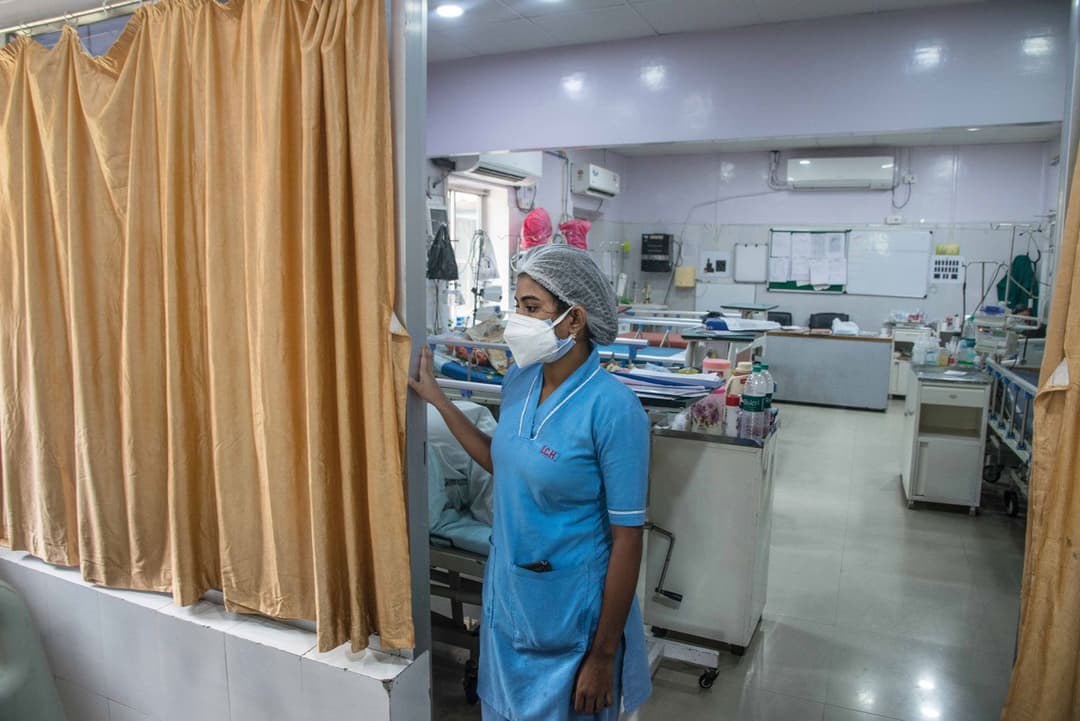
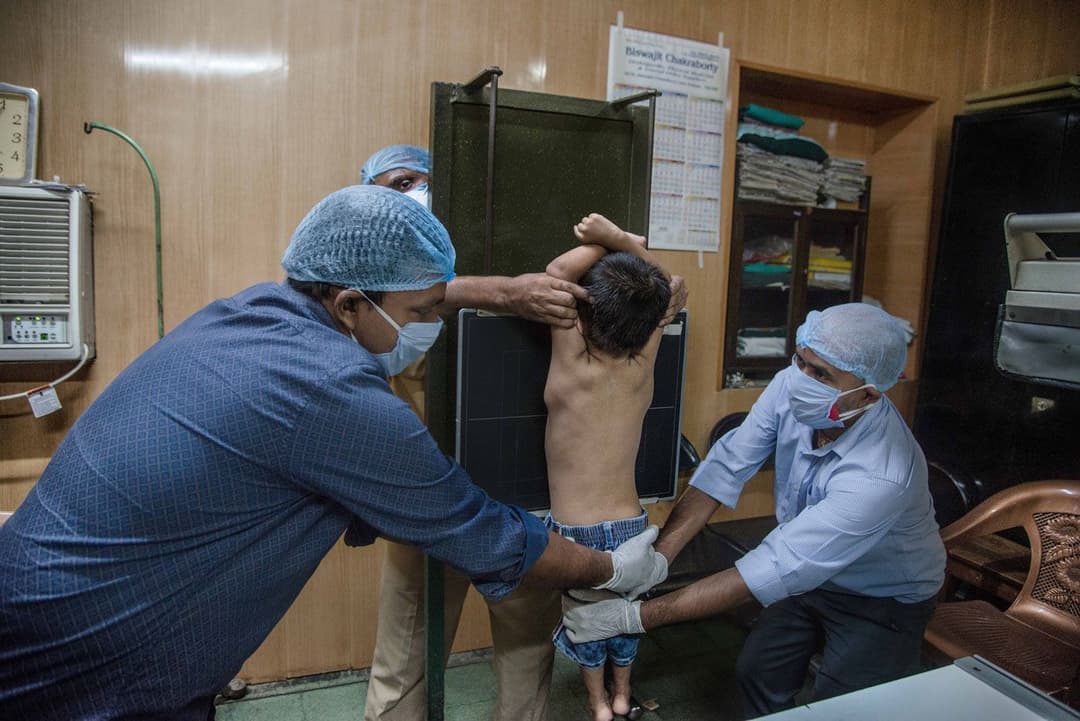
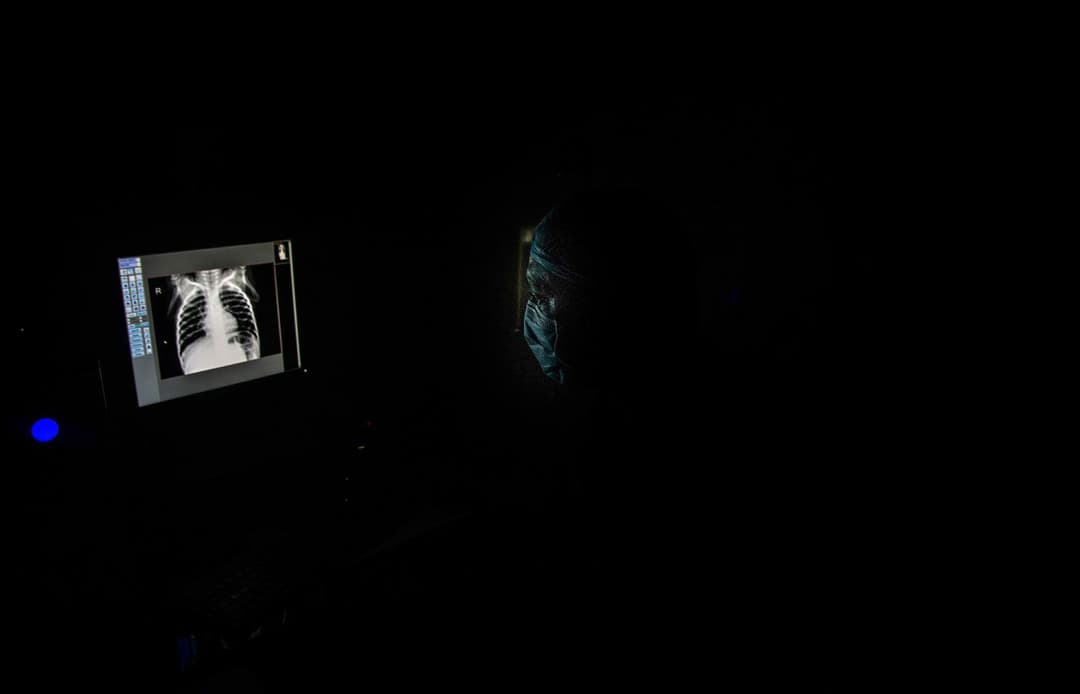
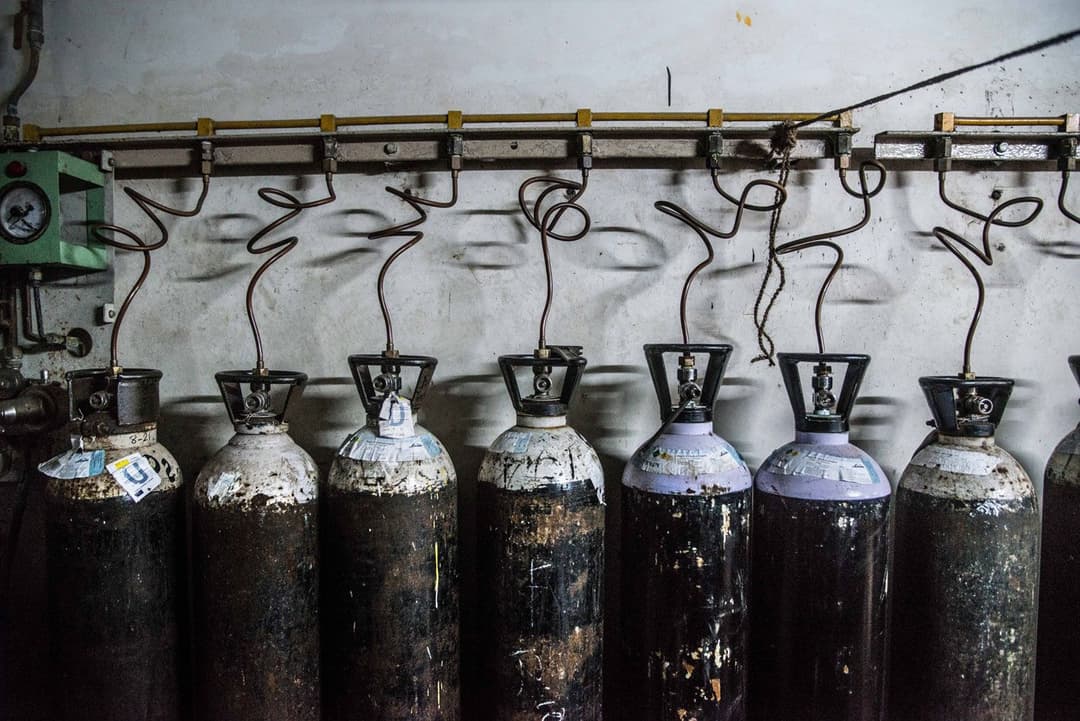
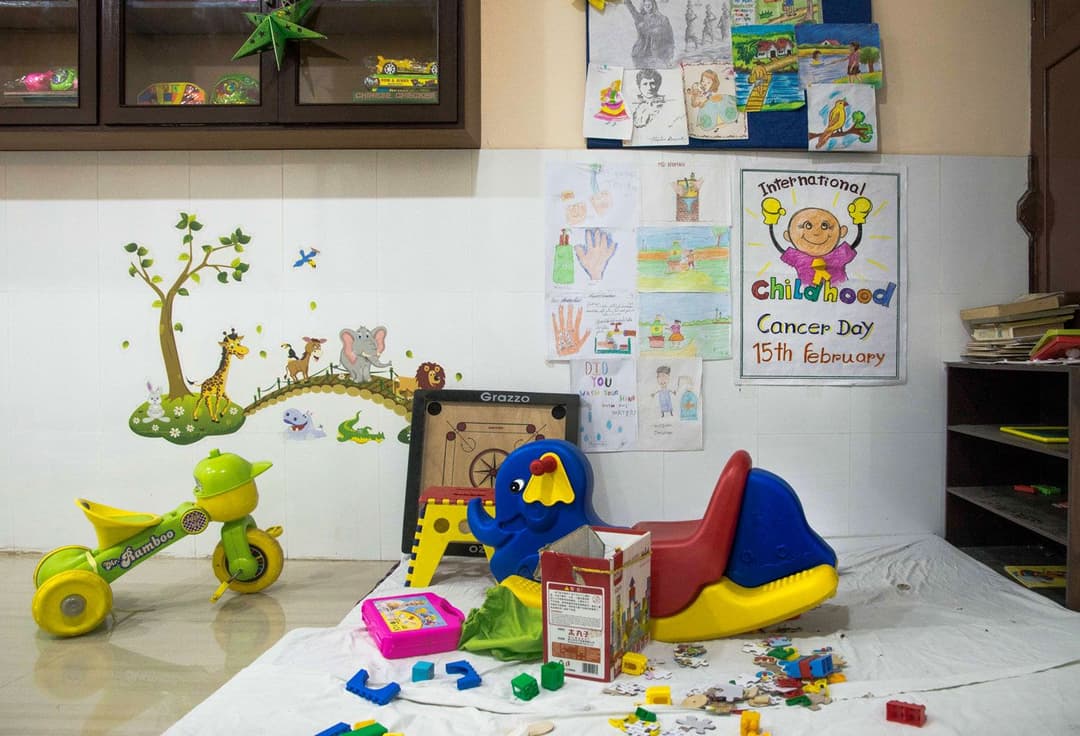
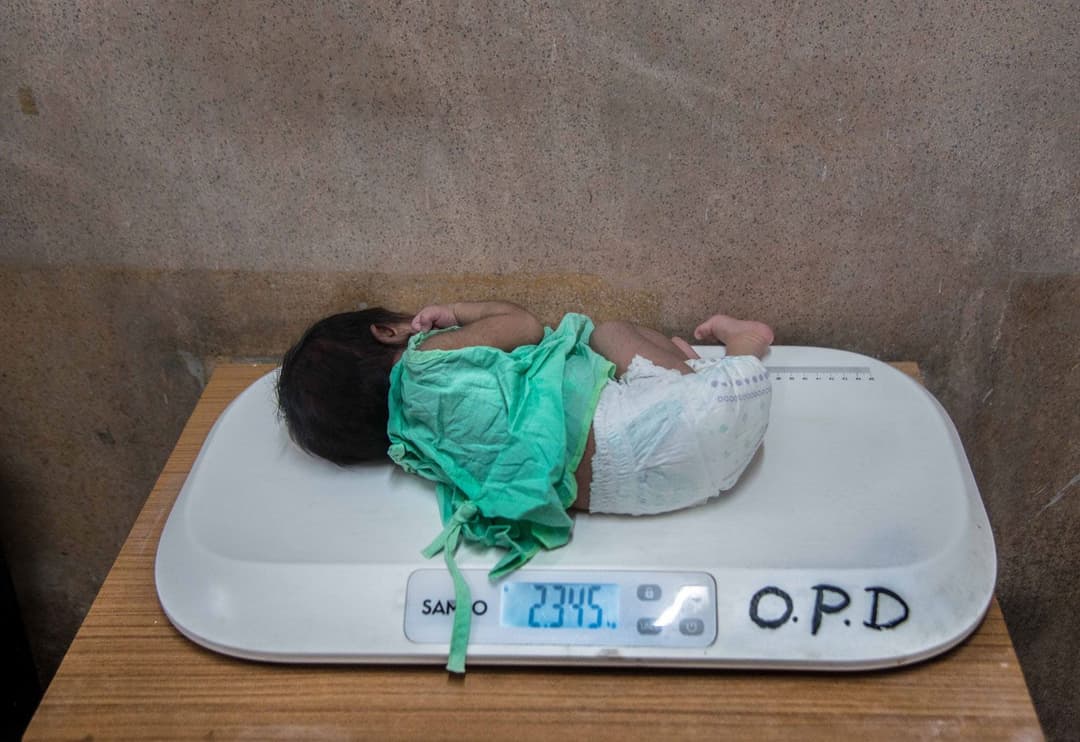
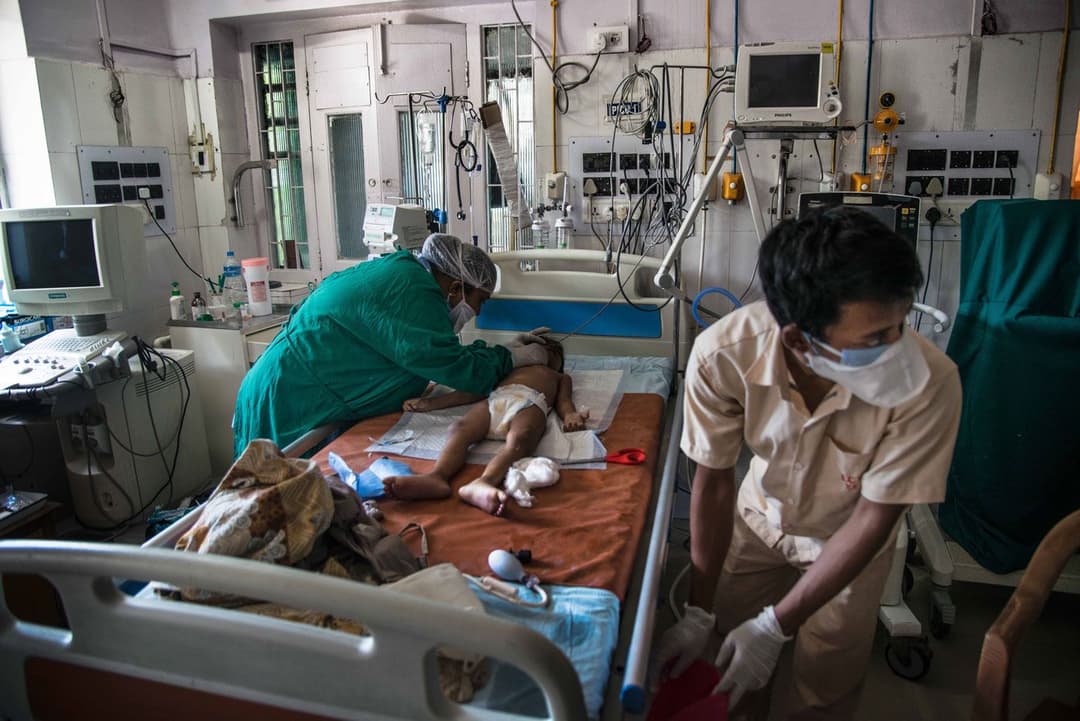
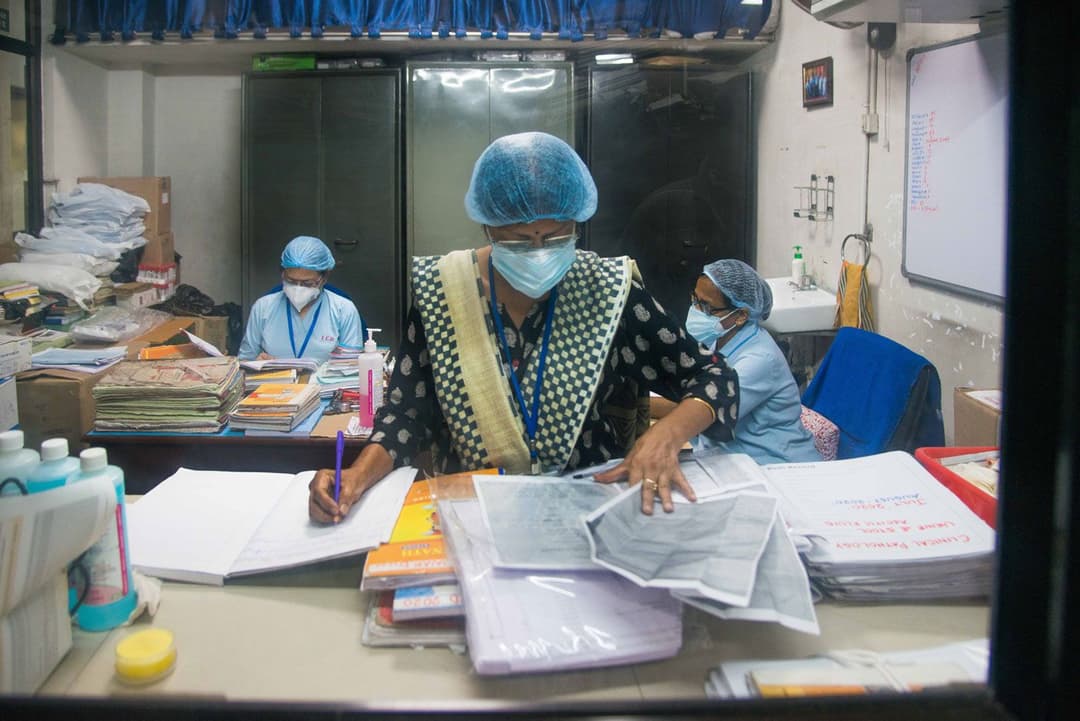
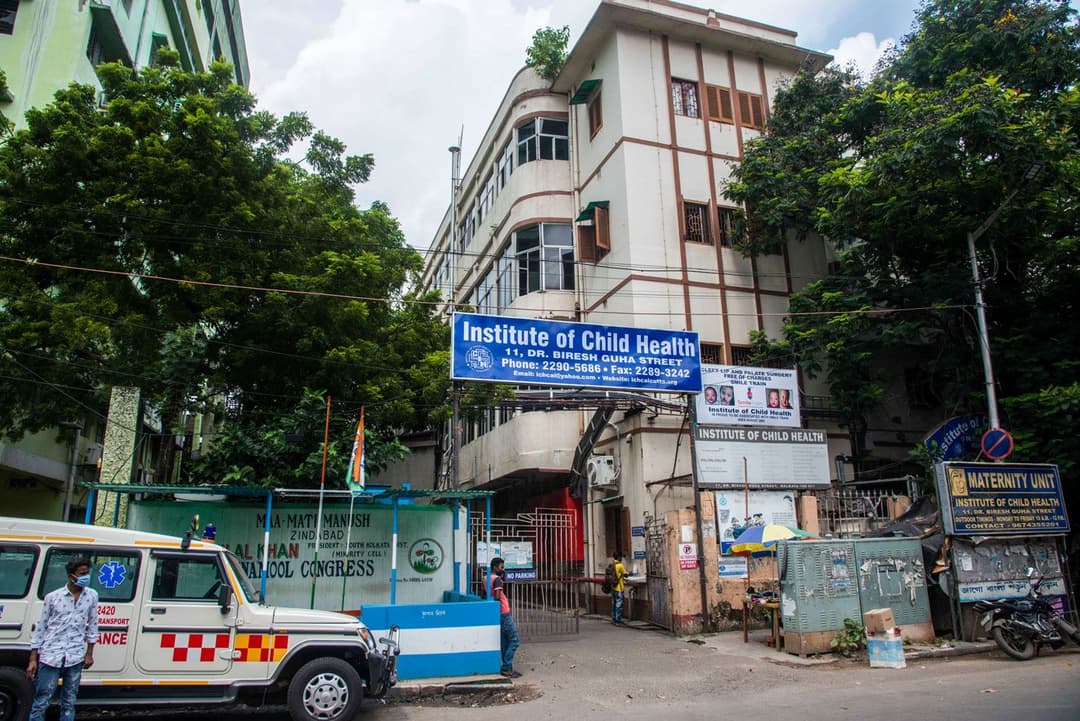
Haranchandra, who is in his mid-30s, works in the maintenance room of the Institute of Child Health (ICH), Calcutta, a non-profit hospital run by a Trust, which serves children from rural and suburban areas, besides Kolkata city. The families of the children who come to this 220-bed hospital in the Park Circus locality – India’s first paediatric institute, founded in 1956 – would find it tough to access or afford the medical treatment they get here, anywhere else.
Covid-19 and the lockdown have made it difficult for them to even reach the ICH. “Getting here is a problem,” says Ratan Biswas, who has just arrived from a village in the South 24 Parganas. “I used to work as a daily wager in a betel leaf farm. Amphan [the cyclone that hit on May 20] destroyed that farm and I lost my source of income. Now my younger child has developed this infection behind his ears, so we’ve brought him here. With no train services available, it was hard reaching this hospital.” People like Das end up using a mix of buses, rickshaws, and walking part of the distance to get to the hospital.
ICH doctors warn of more problems to come.