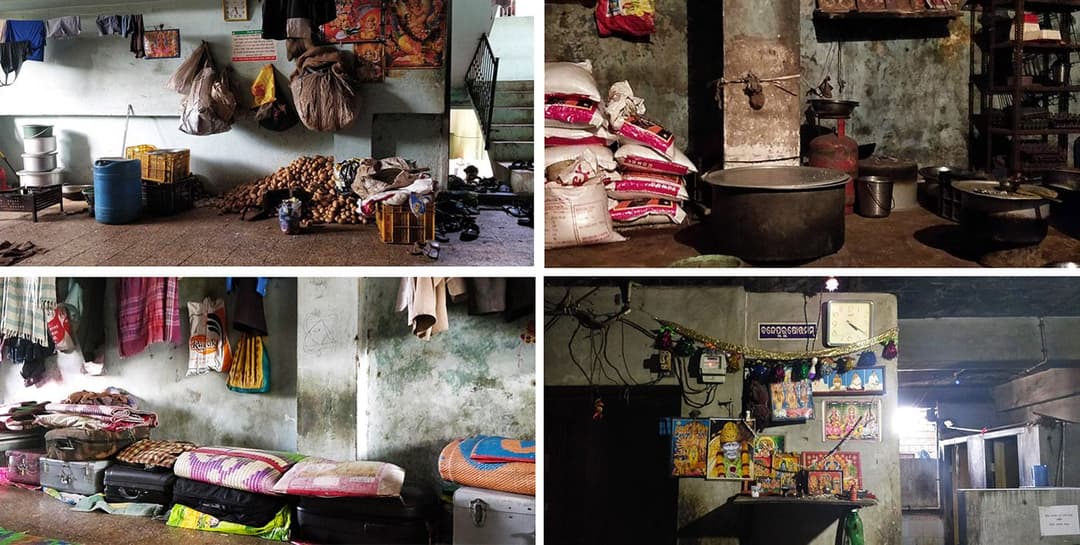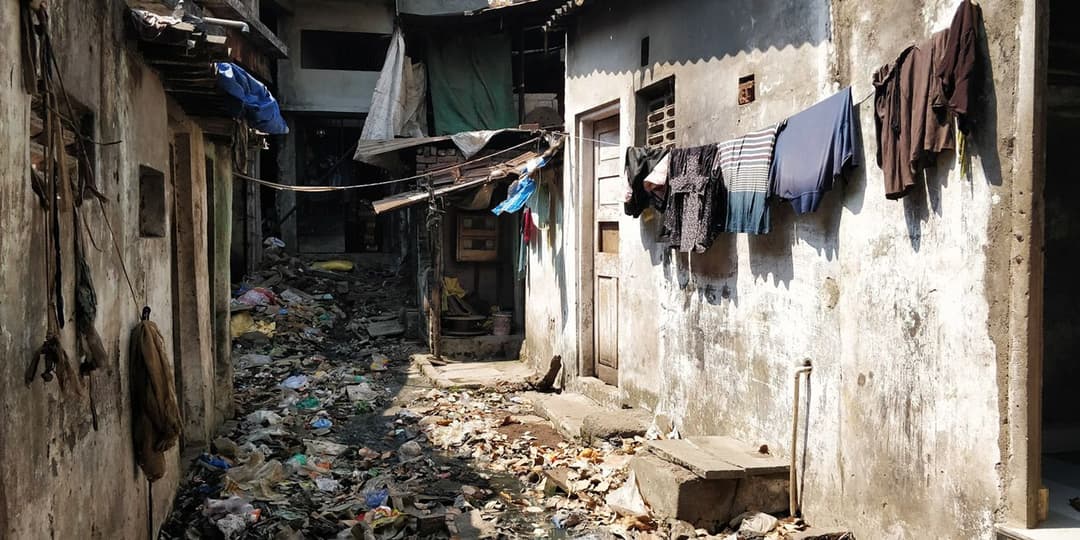


Hadu Bahera owns a ‘home’ for 12-hours every day. During this time, the 51-year-old loom worker inhabits a six-by-three-feet space in a dingy room on Ved Road in north Surat.
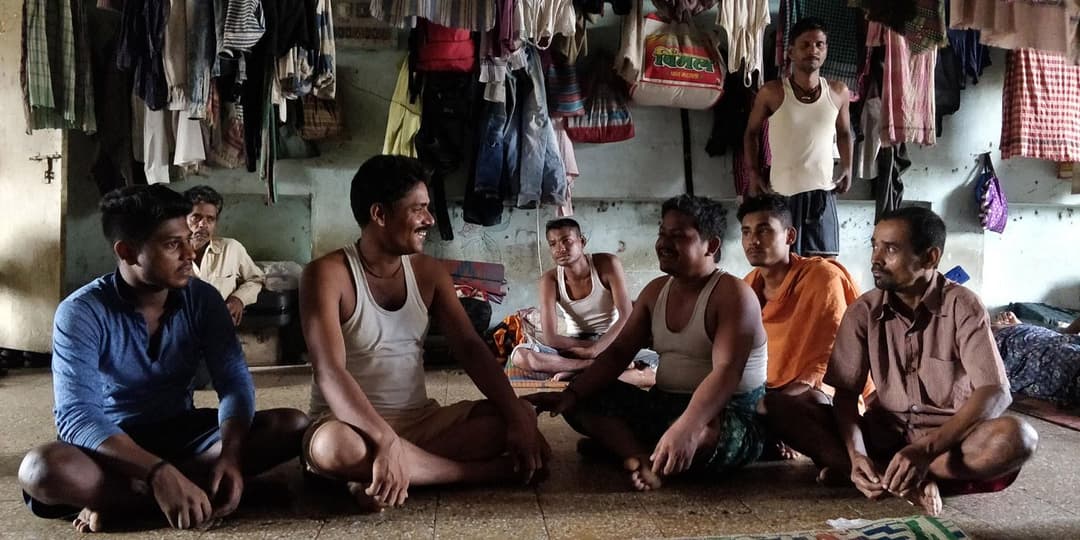
His co-worker uses the same space for the other 12 hours – depending on their shifts, from 7 a.m. to 7 p.m. or the reverse. The occasional ‘holidays’ – when there is a power cut – are days to be dreaded. Nearly 60 workers must then fit into a 500-square feet room at Mahavir Mess, where Bahera is presently space-sharing.
The summer months – when temperatures reach 40 degrees Celsius – are miserable. “Some of the halls [large rooms where the workers stay] are dark, there is no ventilation,” says Behera, who came to Surat from Kusalapalli village in Purusottampur block of Odisha’s Ganjam district in 1983. “Even after a long, difficult day at the loom, it is not possible for us to rest comfortably.”
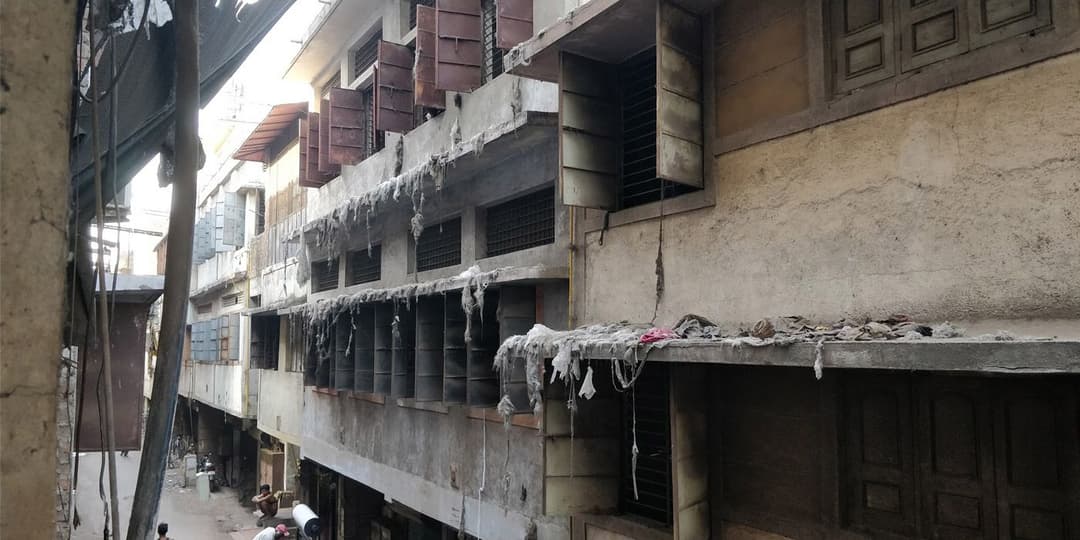
Like Behera, a large number of powerloom workers in Surat, most of them migrants from Ganjam district in Odisha (see Synthetic fabric, authentic despair), reside in dormitories or ‘mess rooms’, where they get spaces on a first-come basis after returning from their annual visit to Ganjam. The rooms, all in industrial neighbourhoods, are sometimes just metres away from the loom units. The high-decibel khat-khat sound of the machines is audible even as they lie on their makeshift beds after a gruelling 12-hour shift.