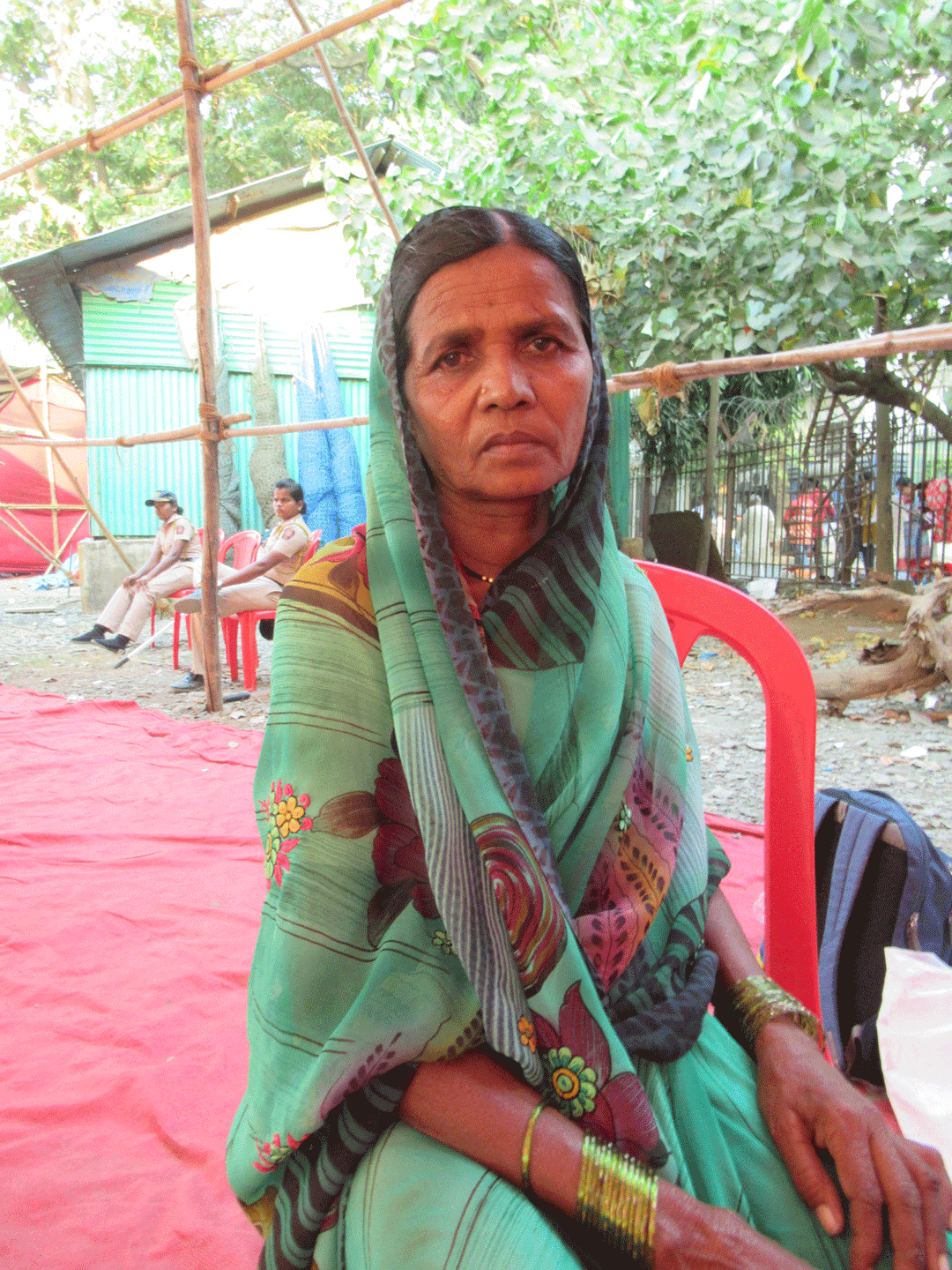

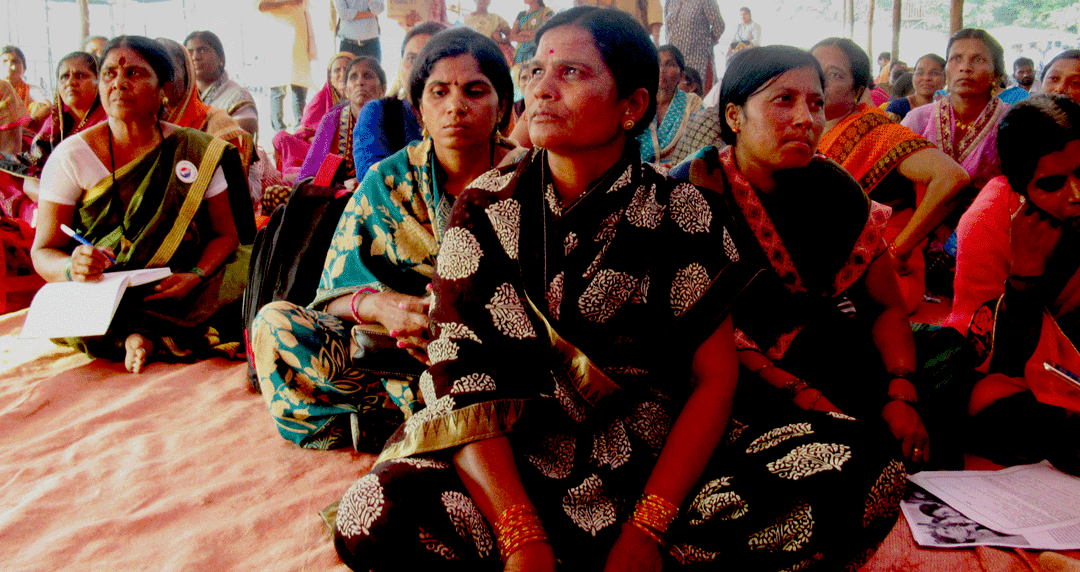
After digging 60 feet deep, Pandurang Adsul and the labourers he hired still did not get “even a glass of water” from the earth, says his widow Indubai. “He tried to bring water to the village, and this is what happened.”
In 2012, determined to dig a well and put an end to his family’s incessant worries about water for their cotton and soyabean crops, Pandurang had taken a bank loan of nearly Rs. 1 lakh, besides various other amounts from relatives. He planned to repay all his debts with the robust harvests he hoped to get by using the well water.
But the earth would not yield any water in Bhogaji village in Kalamb taluka of Osmanabad district, in the drought-prone Marathwada region. Anxiety about the debt slowly burrowed deeper than the well into Pandurang. In 2014 (Indubai does not recall exactly when), he hanged himself in their house. “I was in the field,” she says. “A neighbour ran there to tell me he had locked himself in…”
While still emotionally struggling with the loss, another round of battles soon began for Indubai: her husband’s suicide was not accepted as ‘eligible’ according to the peculiar criteria decided by the government (partly aimed at bringing the agrarian suicide numbers down on paper). If Pandurang had managed to kill himself according to the official guidelines, Indubai would have received Rs. 1 lakh as compensation from the state government – Rs. 30,000 in cash and Rs. 70,000 in a bank fixed deposit.