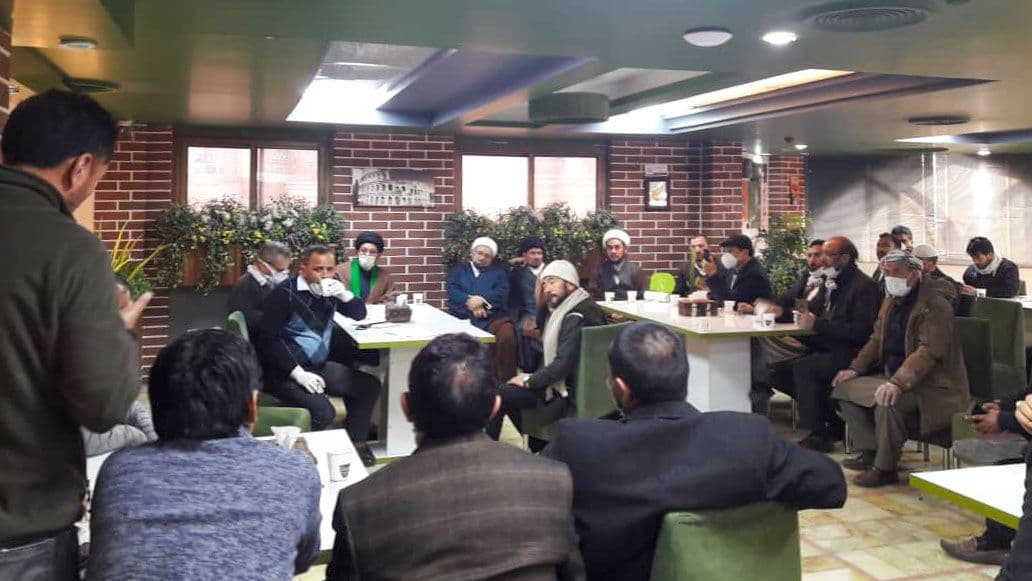
“The Indian Embassy in Iran sent our Covid-19 tests through WhatsApp messages – these recorded only the passport number and [whether we] tested positive or negative. More like an exam result [sheet] where we search for our roll numbers to know if we got through or not. But no actual reports have been handed to us to date,” says Shabbir Hussain Hakimi. Only a positive or negative ranking. The 29-year-old from Kargil, Ladakh, speaking to us from Qom in Iran, had accompanied his parents there in January this year on a pilgrimage to shrines sacred to Shia Muslims.
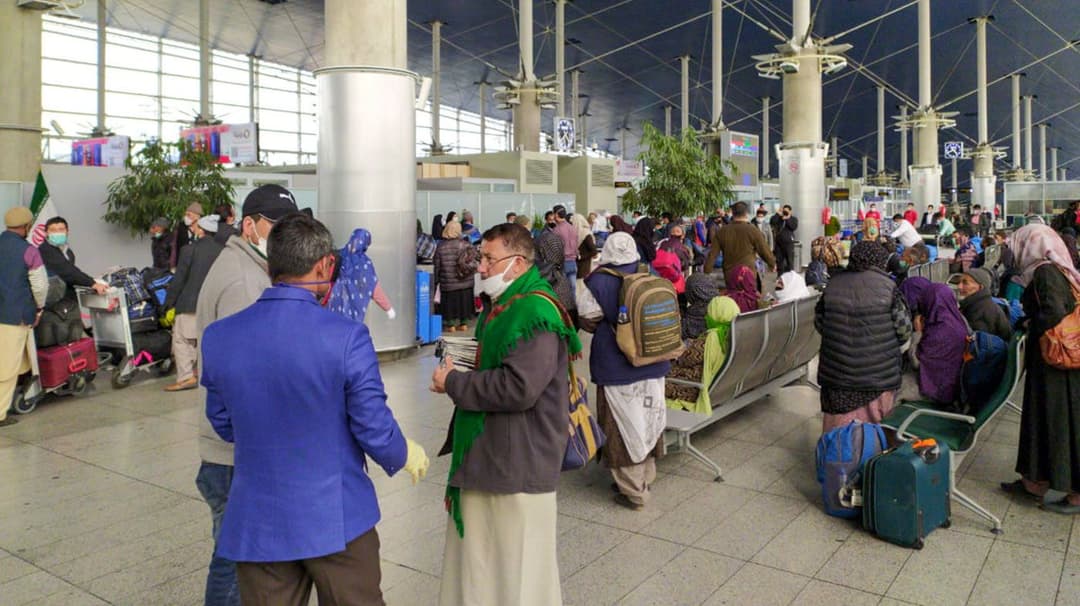
Thousands of Shias from India visit Iran each year to offer prayers at the shrines of Imam Ali, Hussain and those of other members of Prophet Mohammad’s family. About 1,100 of them – mainly from Jammu, Kashmir, Ladakh and Maharashtra – were stranded in the city of Qom this year when their return flights to India were cancelled over rising fears of spreading infections after the coronavirus outbreak in Iran.
“The collection of our samples began on March 2 this year and continued till March 10. We were assured that the samples would be sent to Pune for testing first, after which every one of the stranded Zawars [pilgrims] would be airlifted back to India,” says Shabbir. The first set of test results of 78 Zawars was declared as negative and they were called to Tehran to be flown to India on March 10 by an IAF C-17 aircraft.
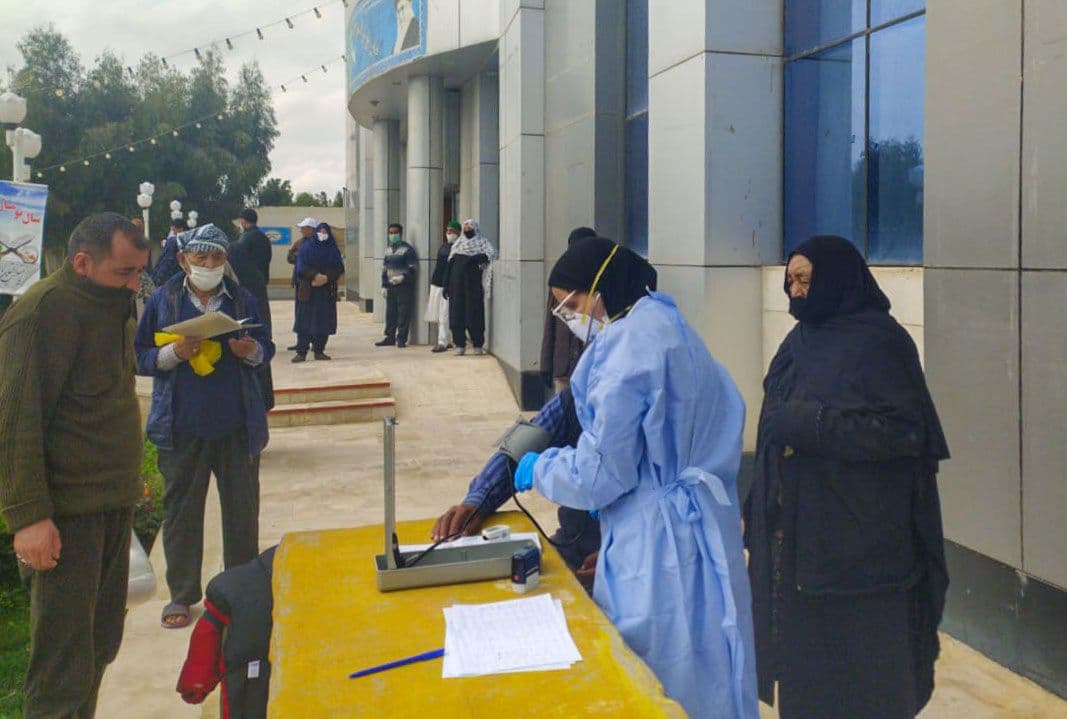
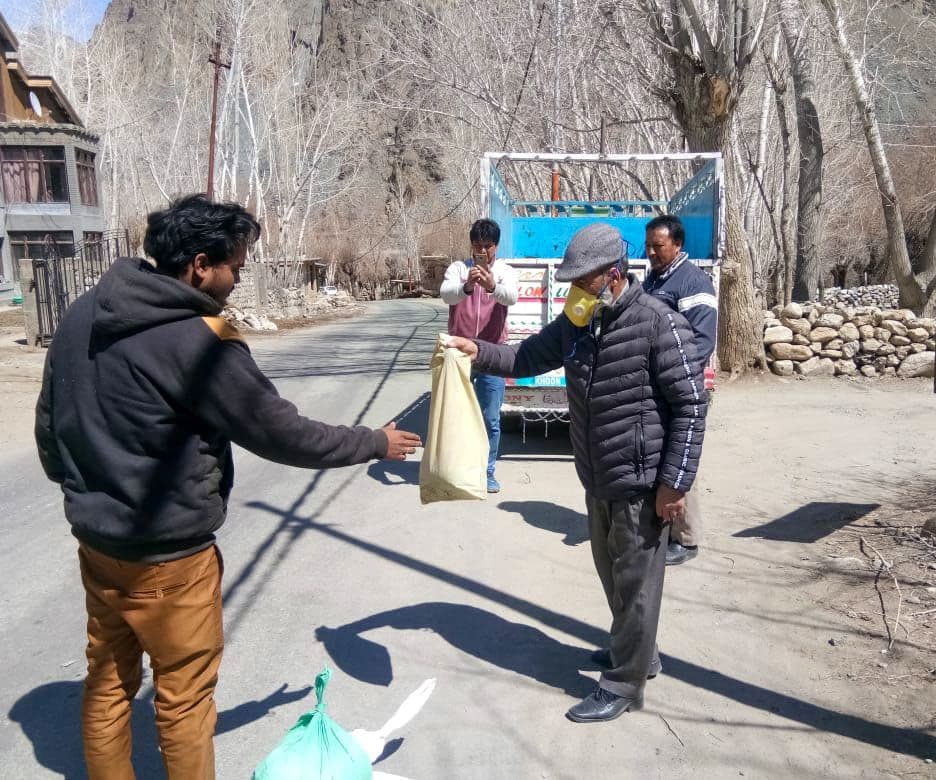
“Surprisingly, 19 of them were sent back to Qom without being given any reasons,” says Shabbir. Soon after, 254 Zawars from Ladakh were declared by the Embassy as having tested positive. “The Indian Embassy,” asserts Shabbir, “didn’t hand over even a simple mask to those who tested positive, forget about getting them quarantined. Instead, some of us volunteered and took them back in batches to a hospital in Qom for examination, in the hope that at least a few might get admitted.”
A questionnaire this reporter sent to the Indian Embassy in Tehran three days ago is yet to elicit a response.