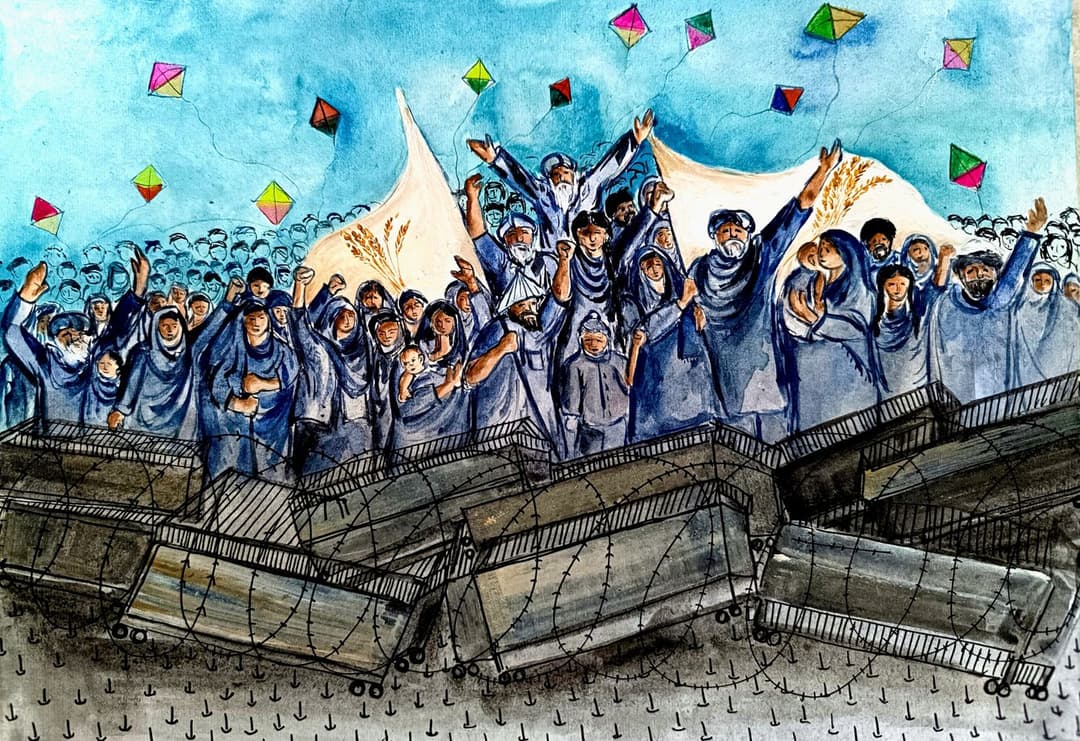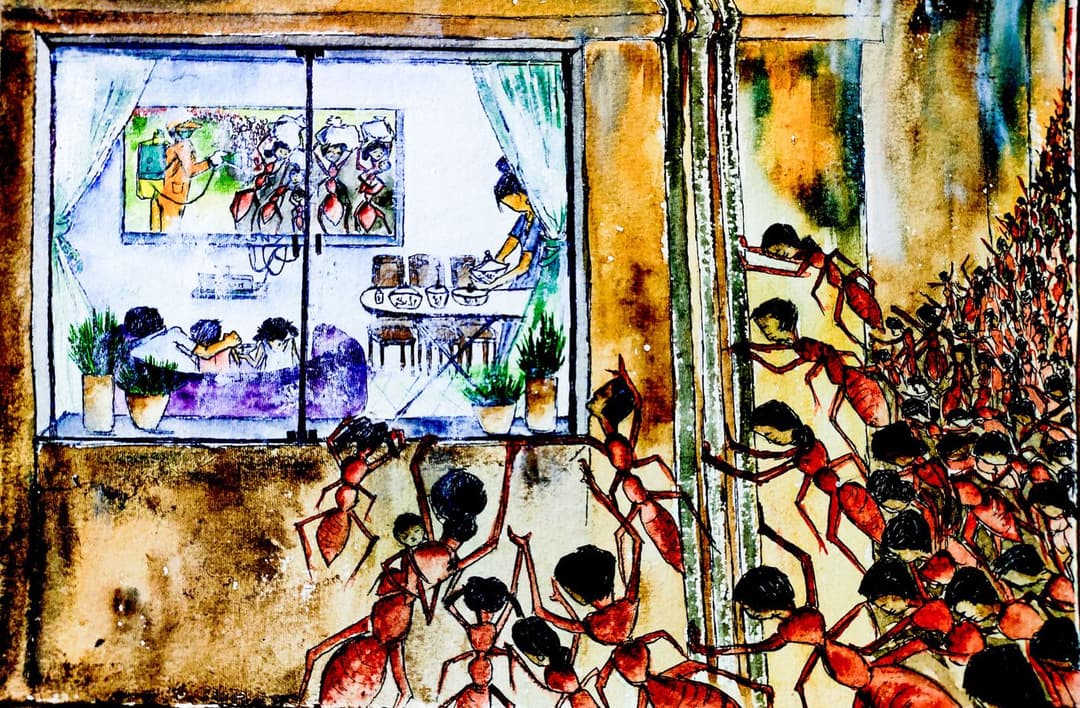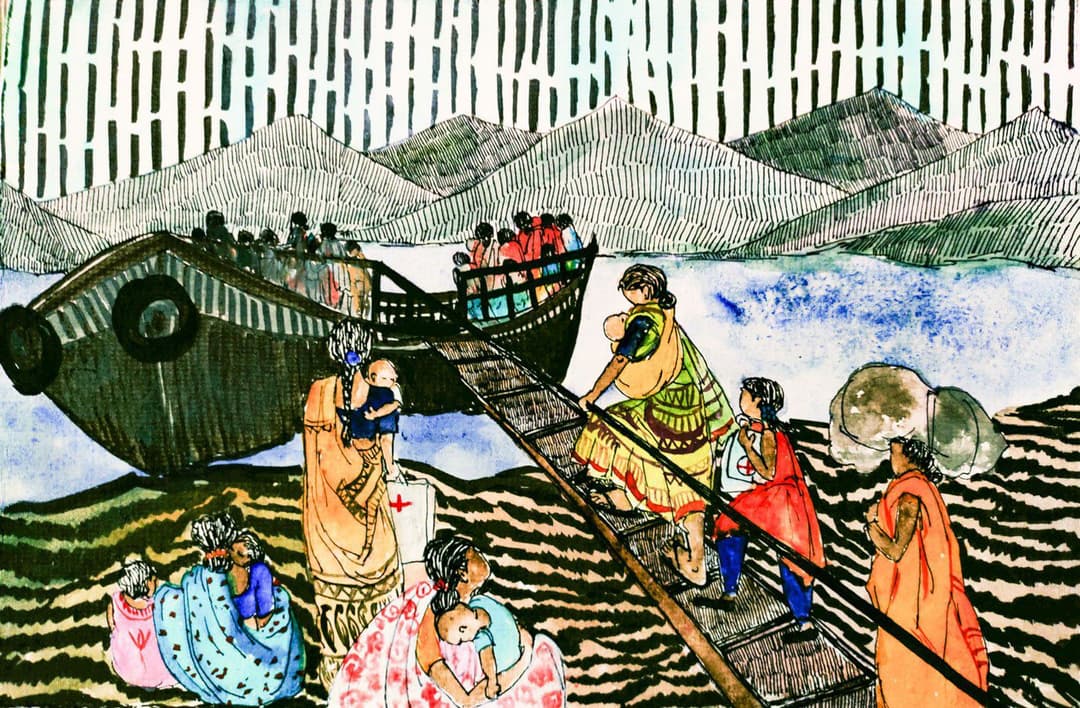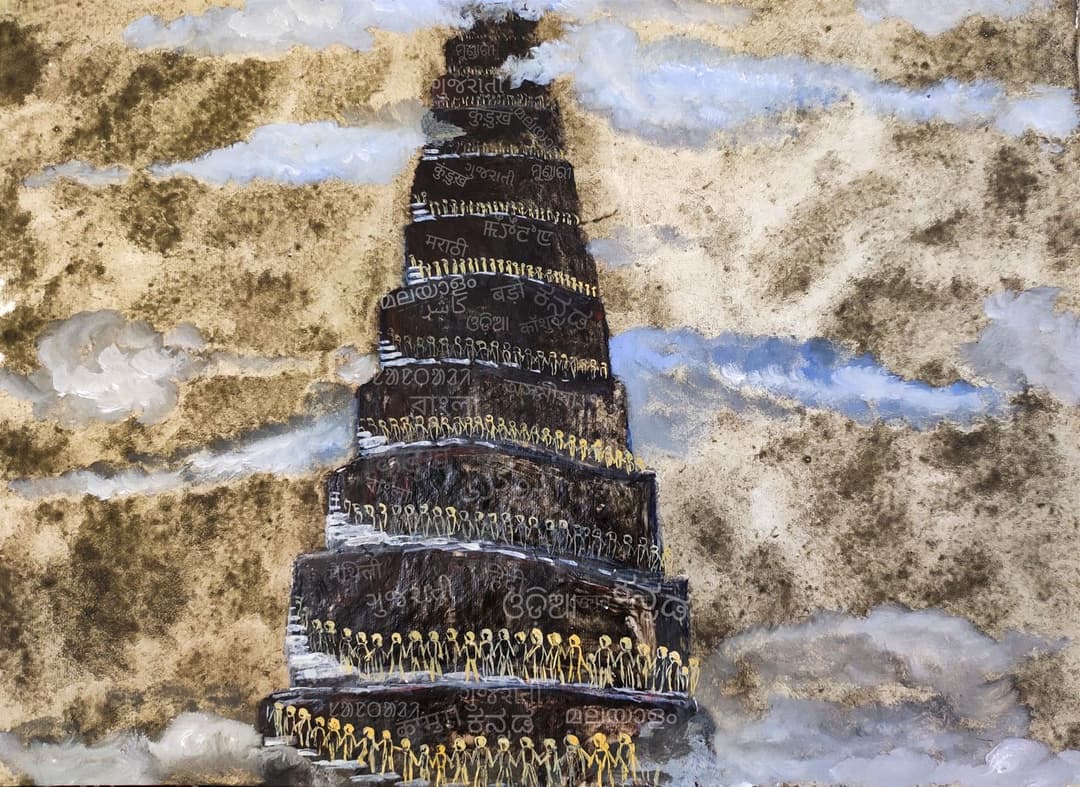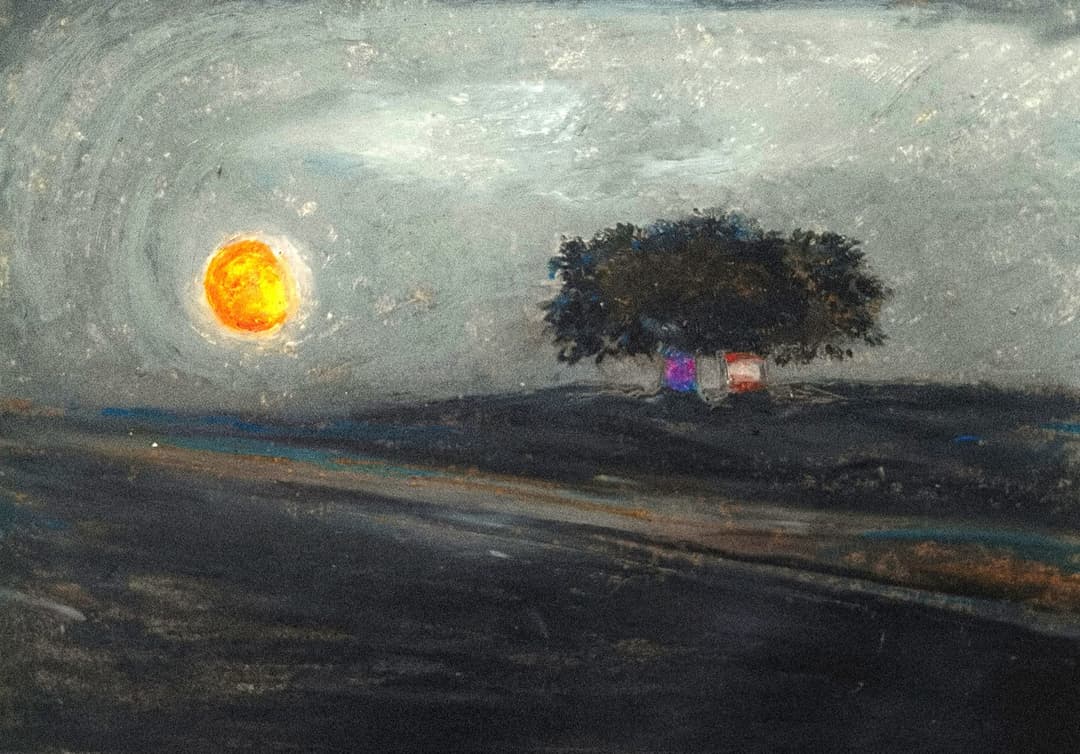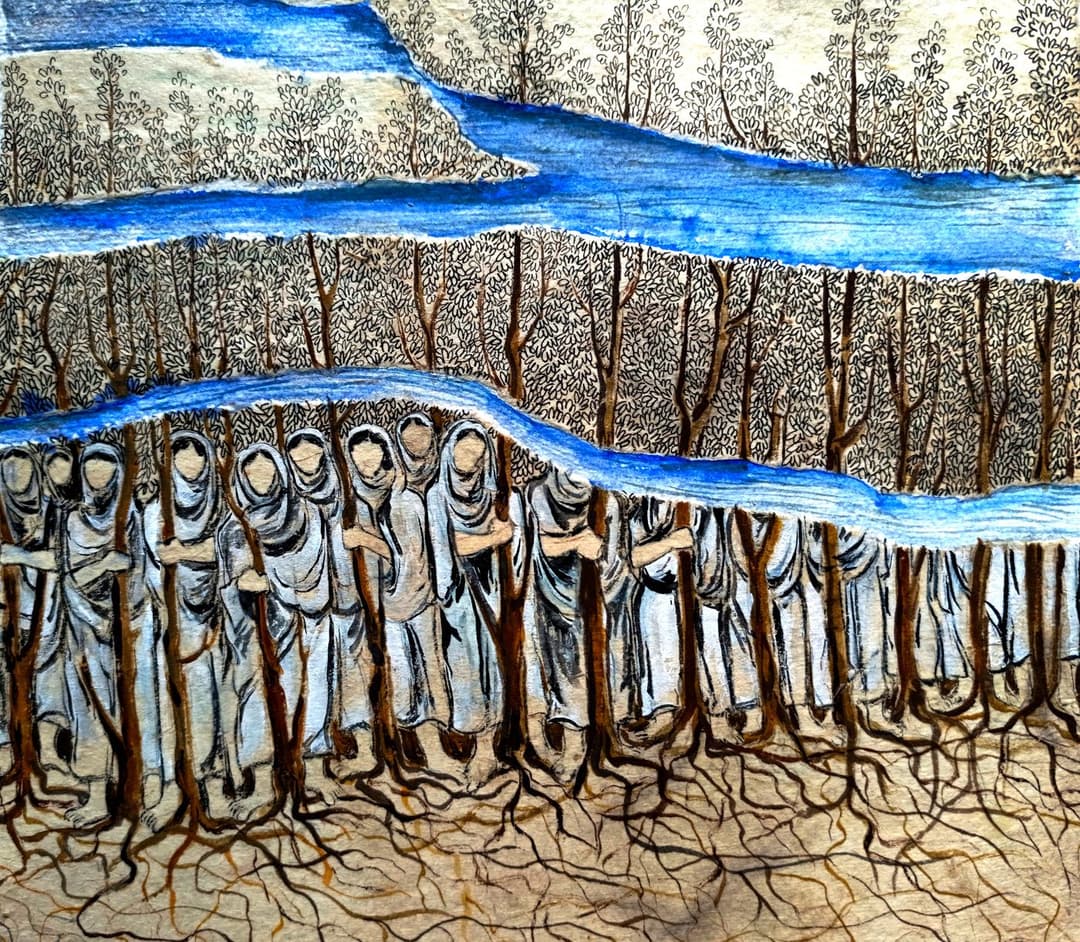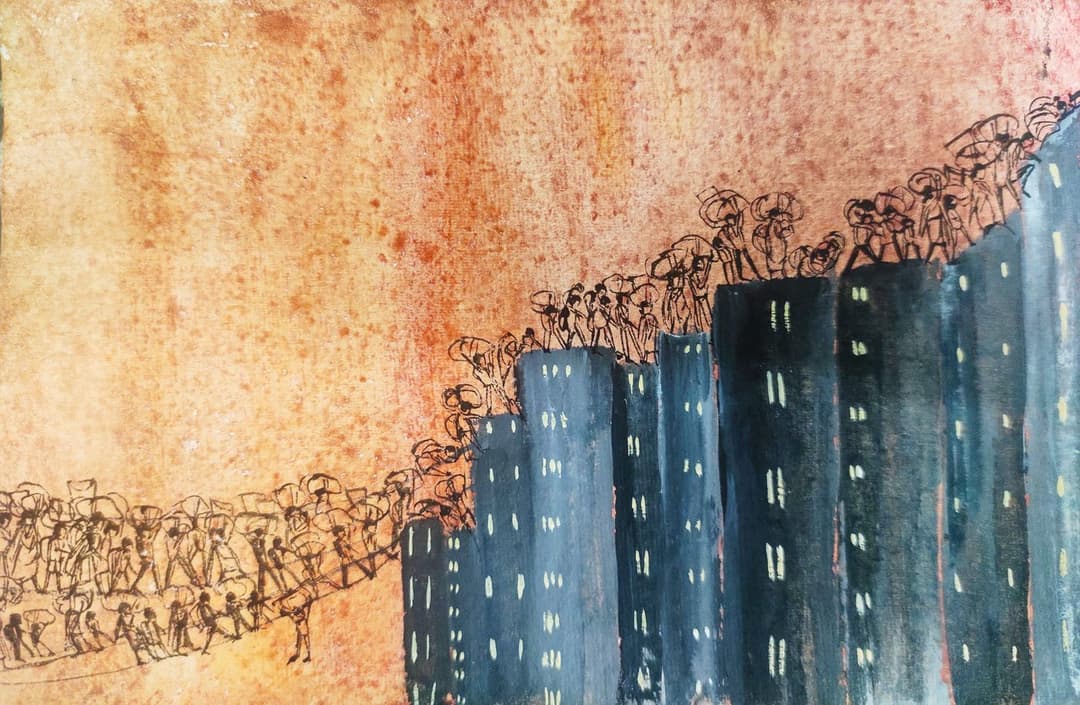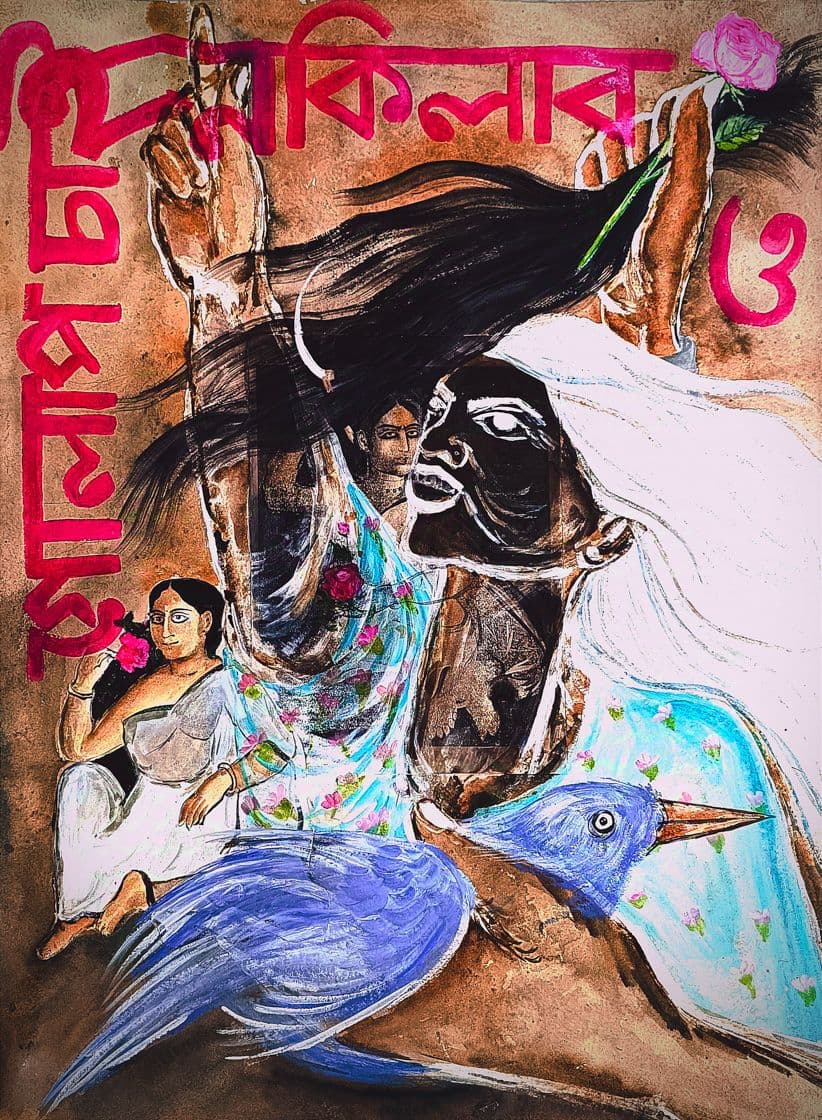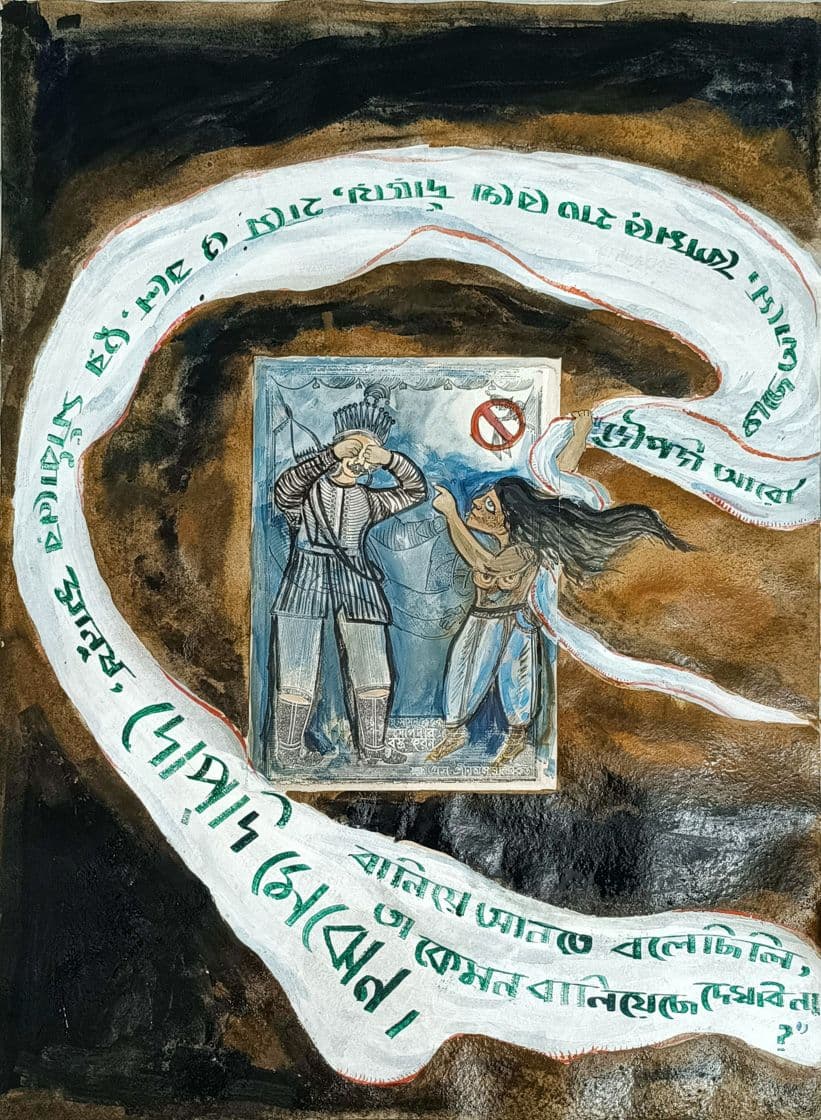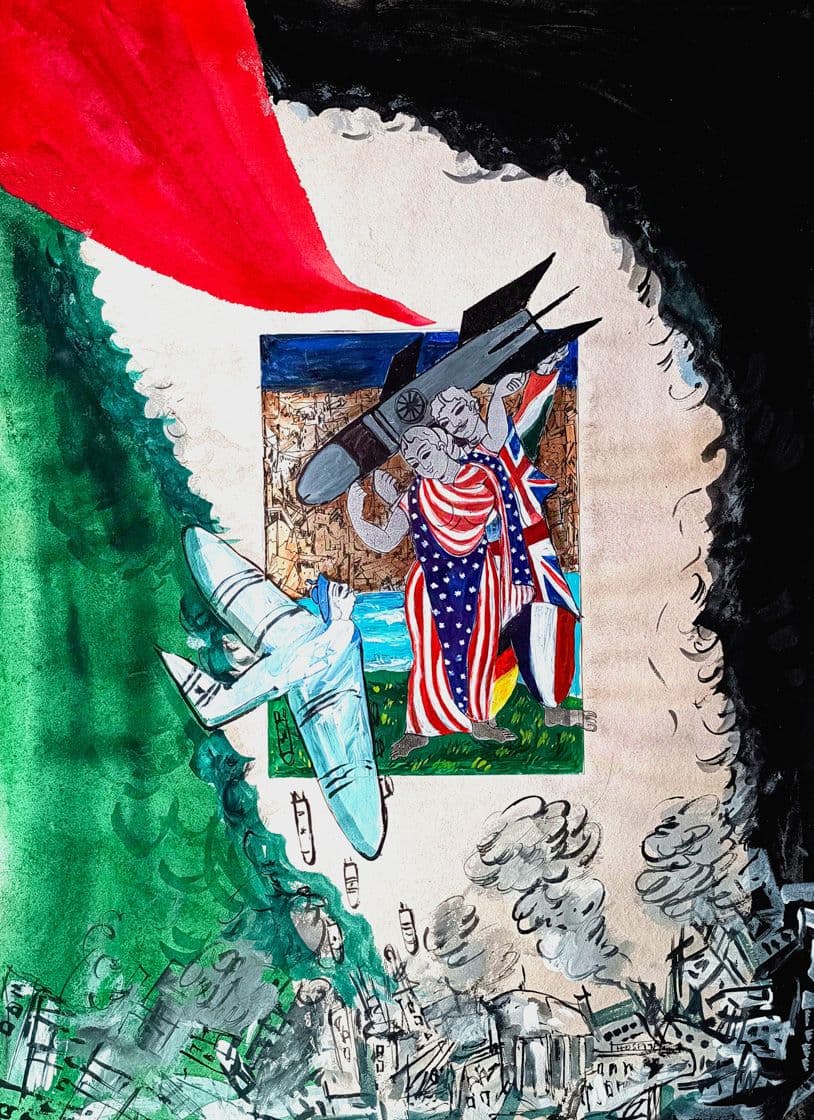
“I do not think I am a painter. I do not have the qualities of a painter. But I have stories. I try to write stories with my brush. I don’t claim my strokes are all perfect. It is only in the last two-three years that I am trying to study and understand the work of a lot of painters. Otherwise, I had no knowledge. I painted to tell a story. I feel happy when I can express the story. I paint as if I am writing a narrative.”
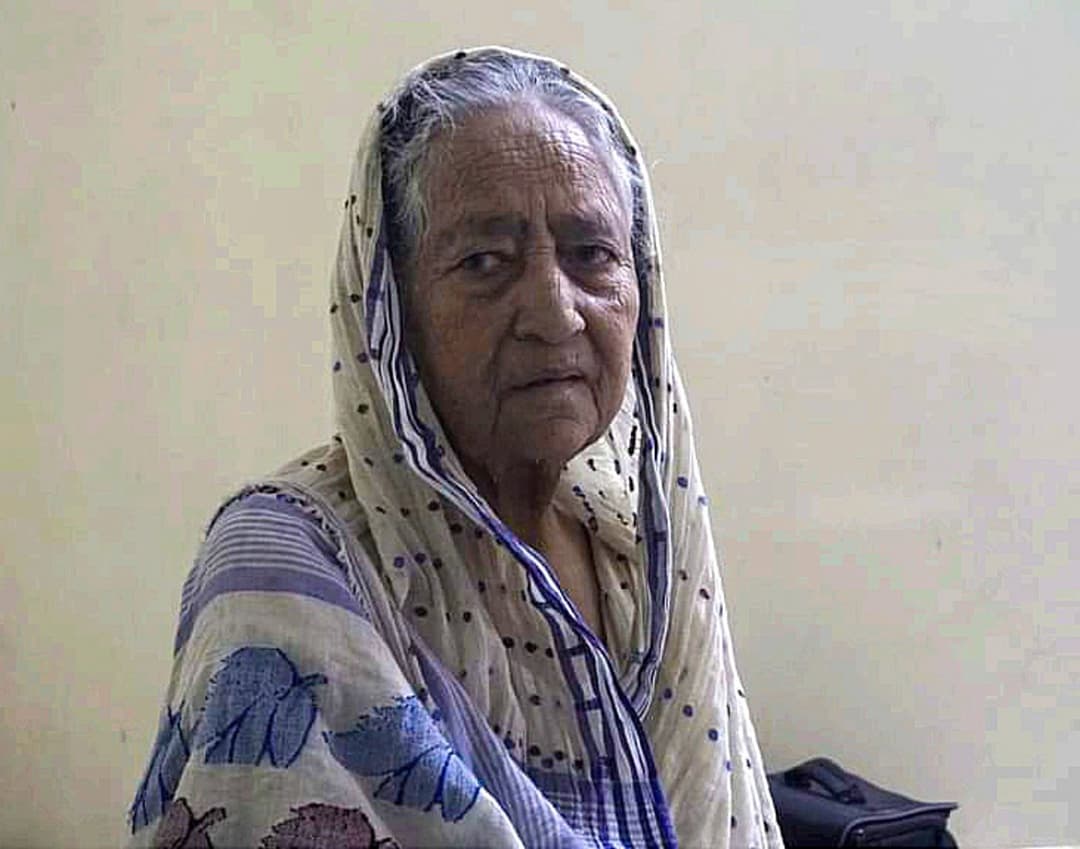
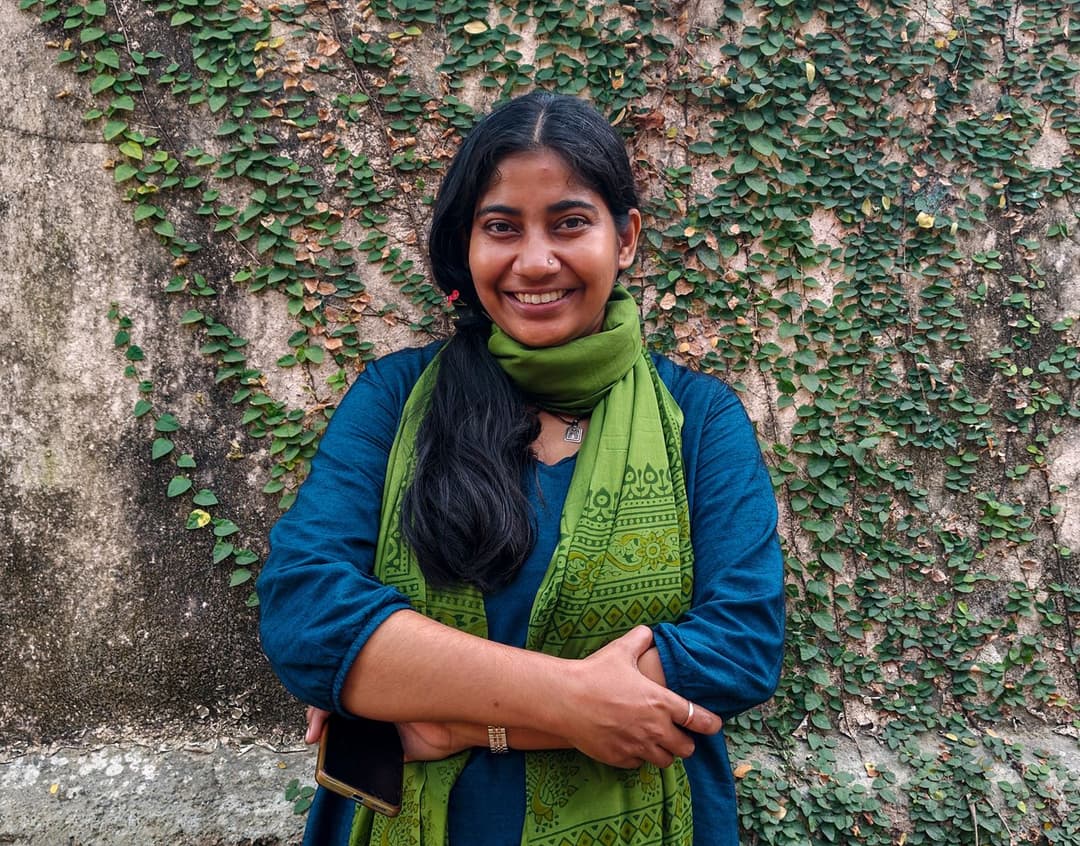
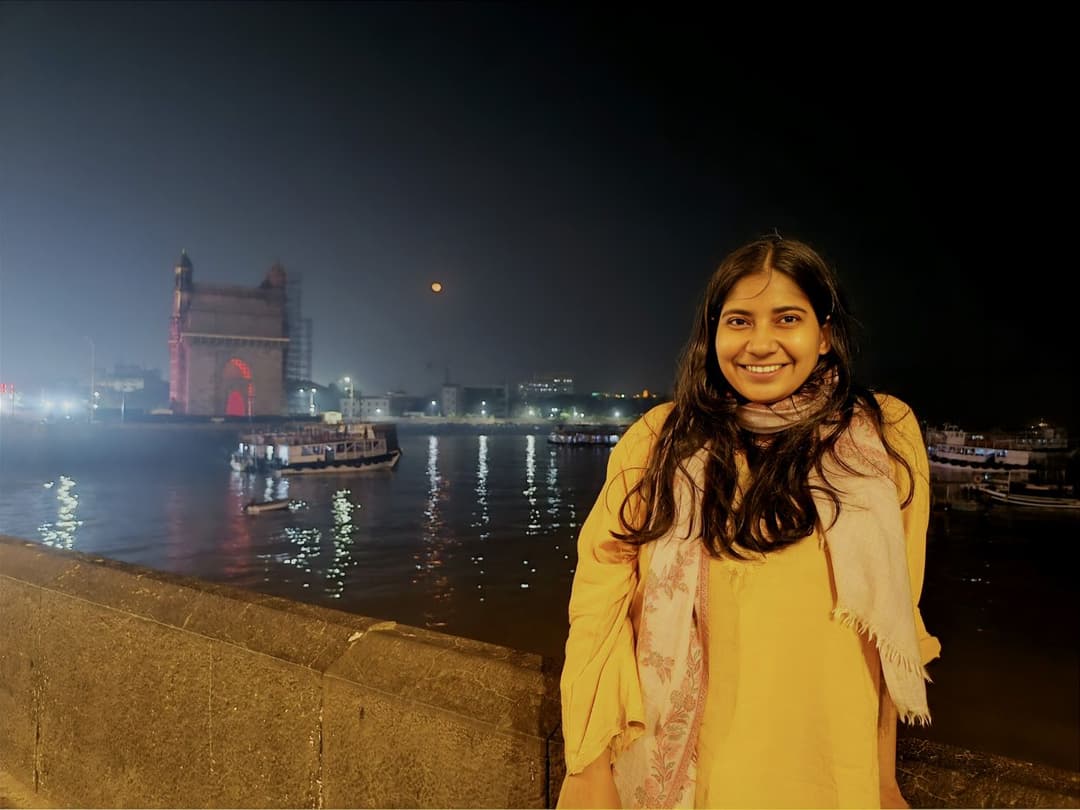
Labani is an artist, a painter from Dhubulia, in the very rural Nadia district of West Bengal. The village used to station an army camp, with an airfield, during World War II. The largely Muslim village lost a lot of its agricultural land when the British established that camp. Later, when Partition happened, many from the village moved to the other side of the border. “But we did not,” says Labani “as our elders did not want to. Our ancestors are buried in this land. This is where we want to live and die.” That connection with the land, and all that happens in its name, has shaped the sensibility of this artist from her younger days.
Her encouragement for painting came from her father who took her to a tutor for a few years when she was a child. Her father is a first-generation learner, the only one among his 10 siblings. A lawyer who worked at the grassroot level, starting cooperatives for peasants and labourers, he did not make much money. “From whatever money he got he would buy me a book,” says Labani. “There used to be lot of children’s books from Moscow Press, Raduga Publishers, that made their way into our home through Bangla translations. I used to love the pictures in these books. That is where my earliest inspiration for illustration came from.”
That early age training in painting which her father introduced her to did not last long. But the love for painting returned to Labani in 2016 when language began to abandon her. The country was seeing a rise in mob lynching in the face of state indifference, a deliberate persecution of minorities, and the majoritarian denial of such hate crimes. Labani, then finishing her M.Phil. at Jadavpur University in Kolkata, was deeply troubled by the realities of this country, yet was unable to write about it.
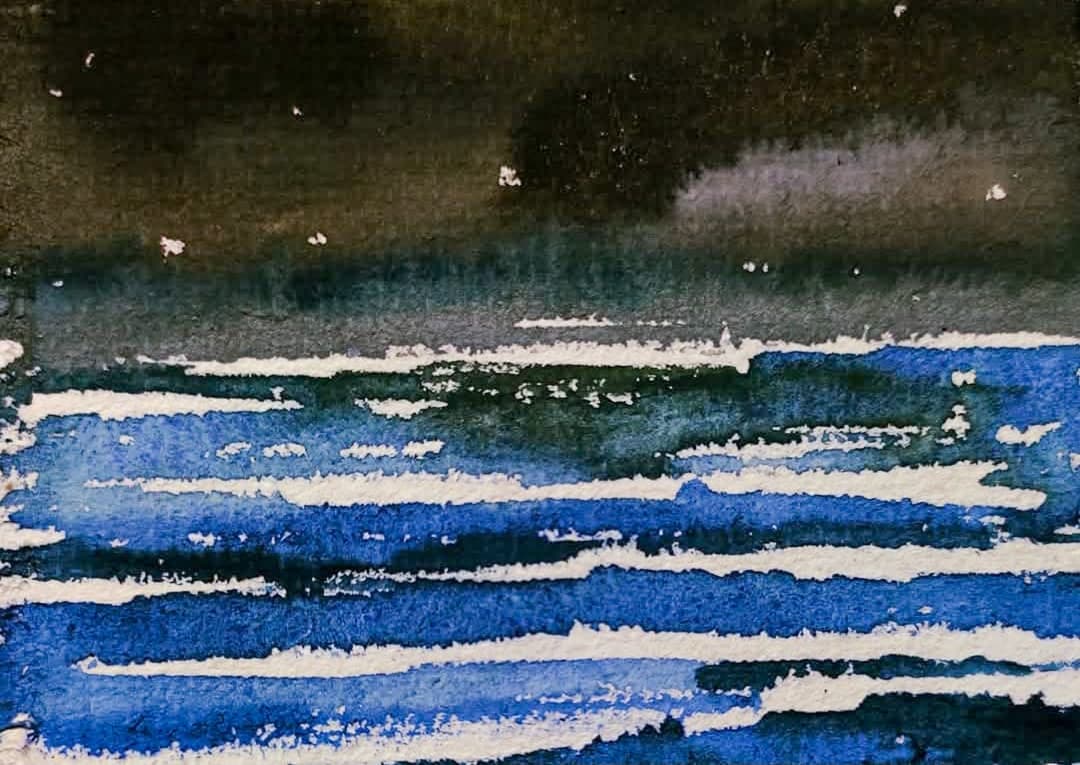
“There was an intense feeling of unease,” she says. “I used to love writing till that time, and had written and published a few articles in Bangla. But suddenly language felt completely inadequate. I wanted to run away from everything then. That is when I started painting. I would paint the sea in all its moods, in water colours, on every little piece of paper I could find. One after the other, I did so many paintings of the sea at that time [2016-17]. To paint was my way of finding peace in an otherwise turbulent world.”
Labani remains a self-taught artist to this day.