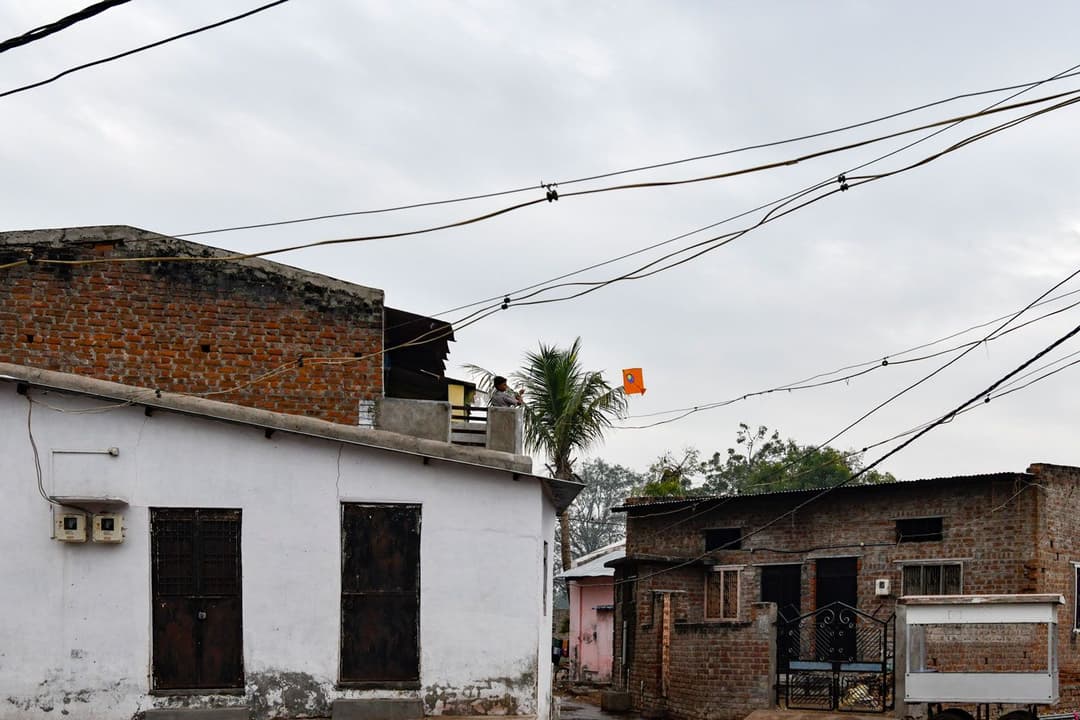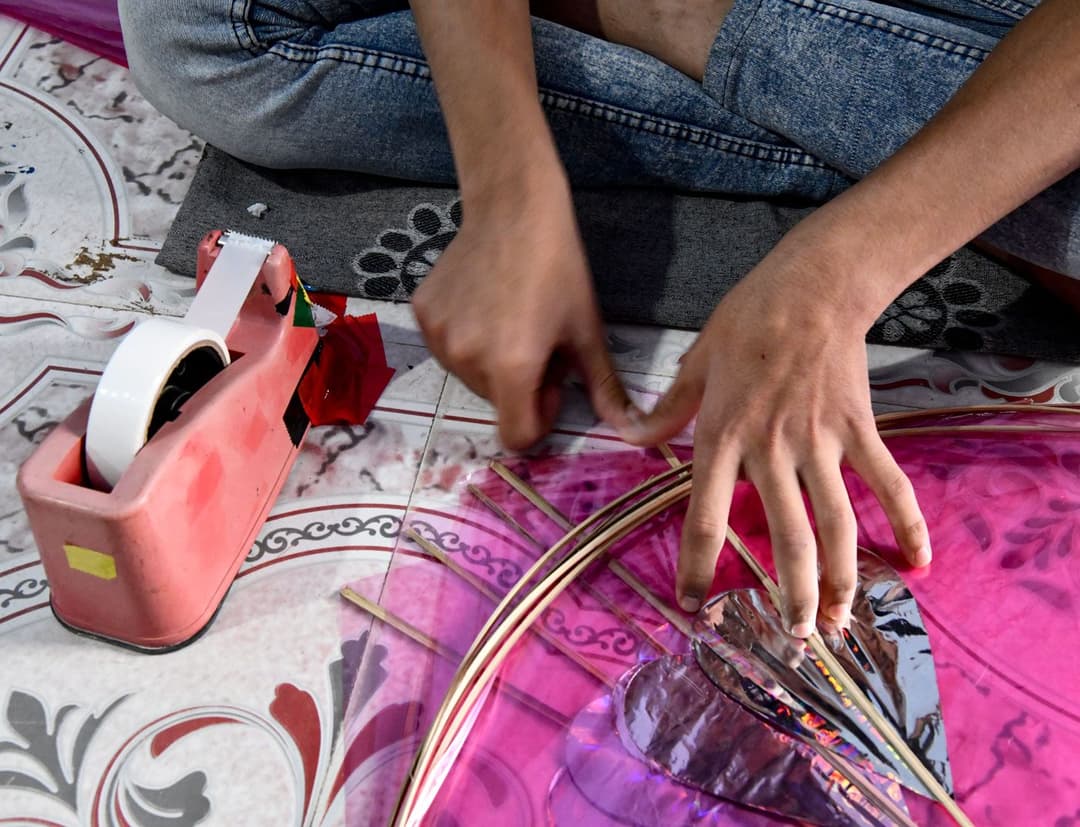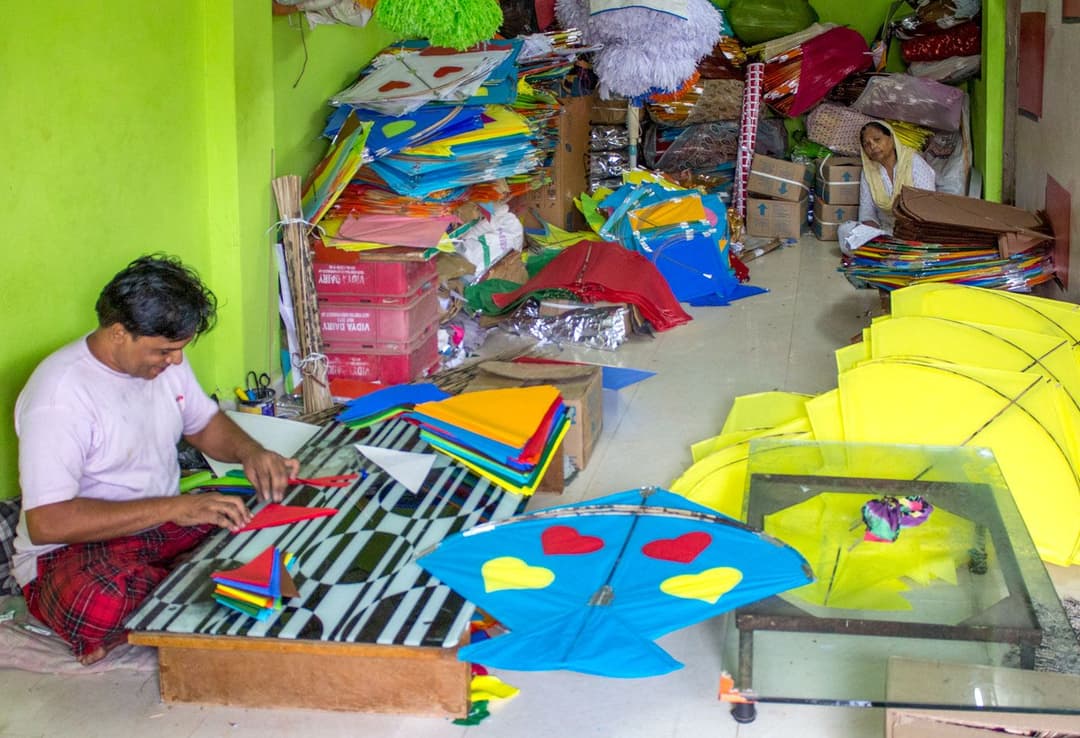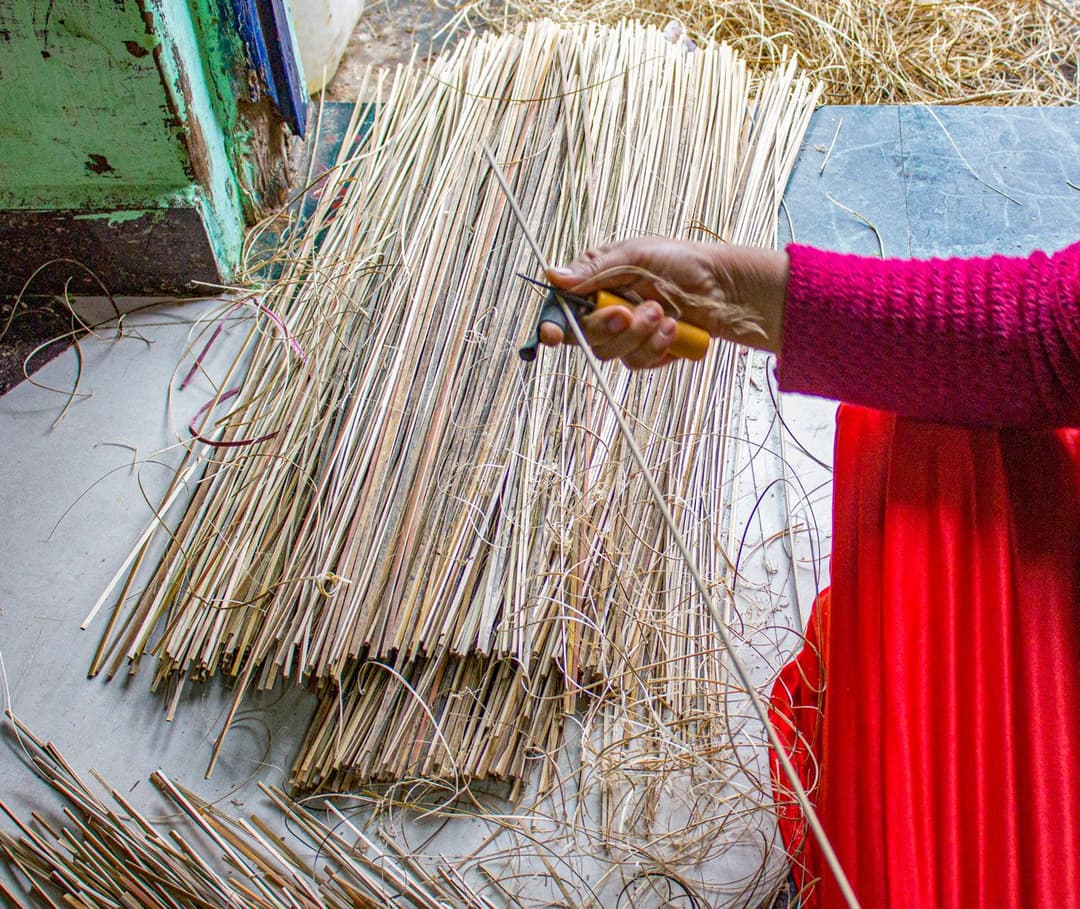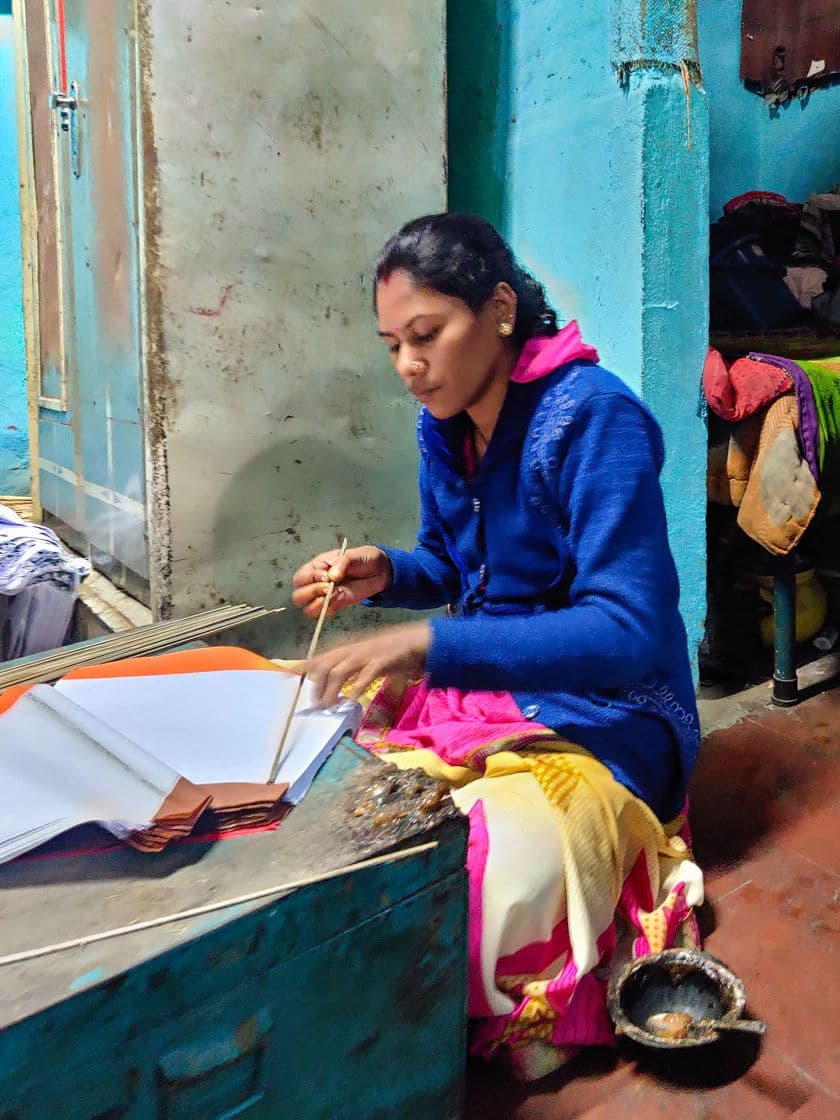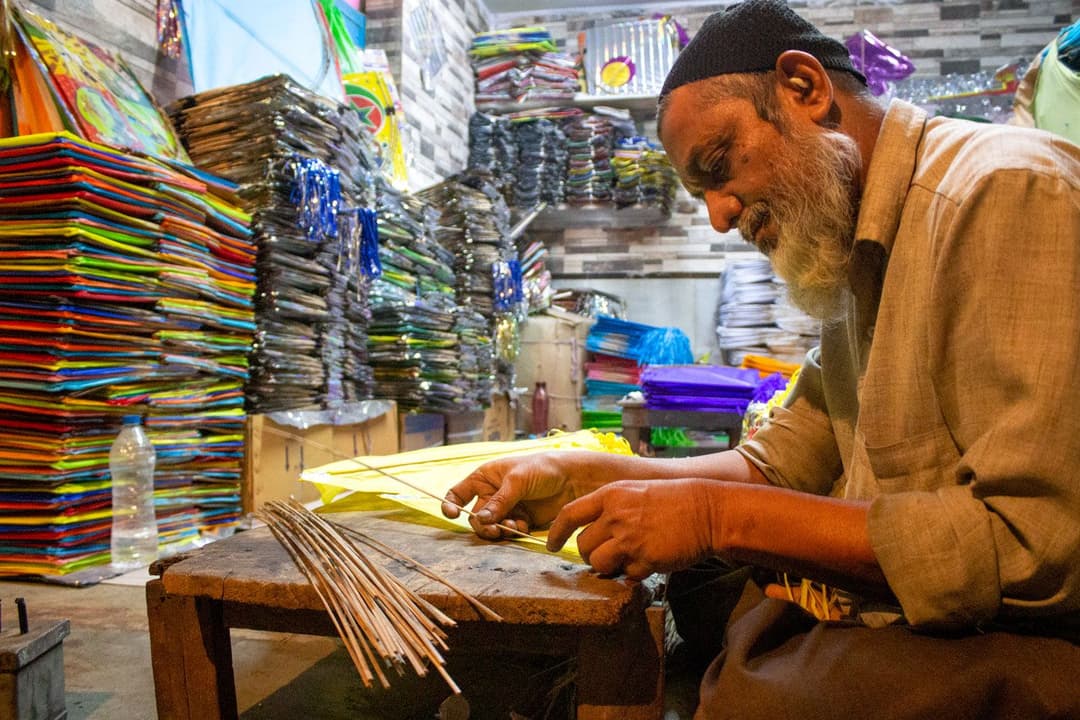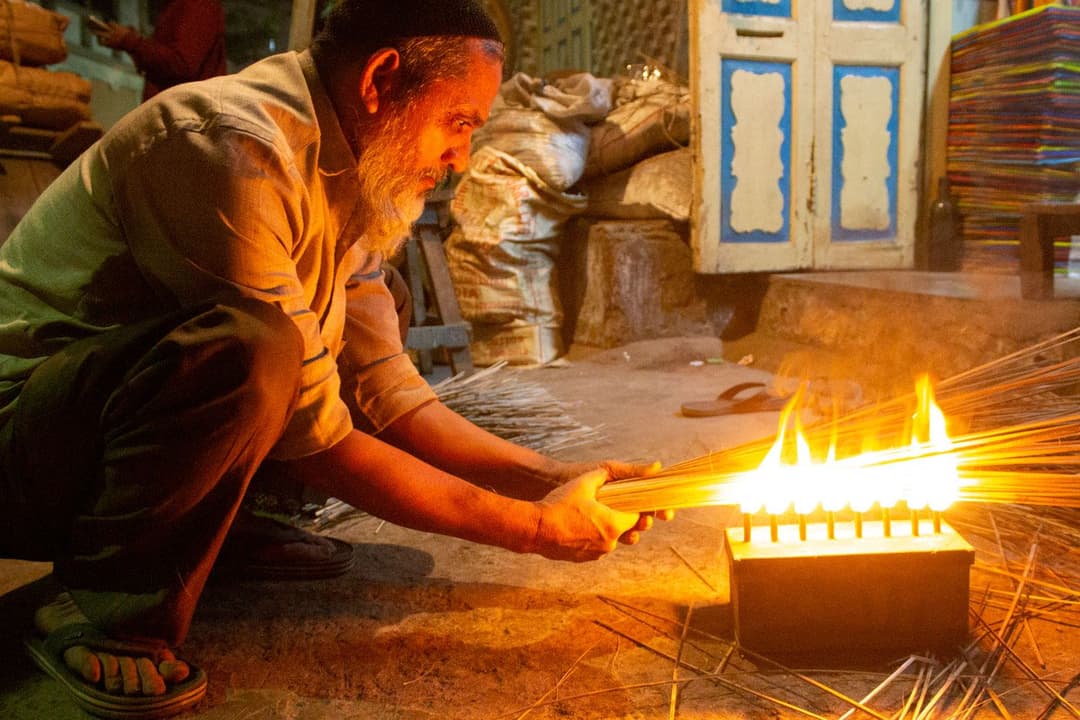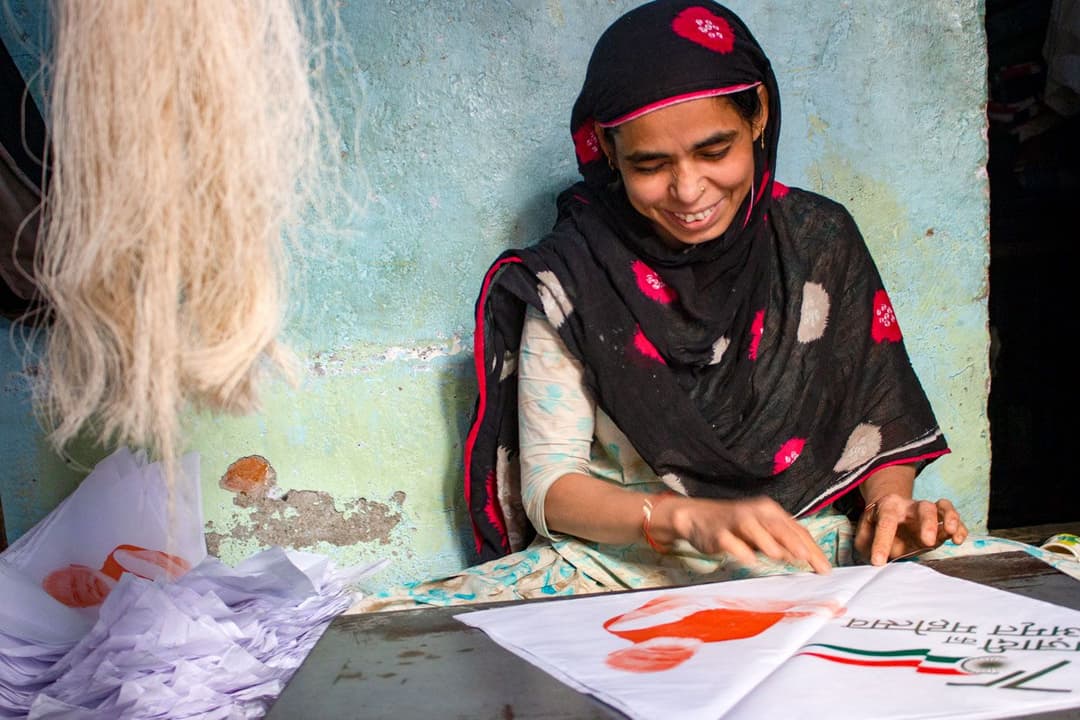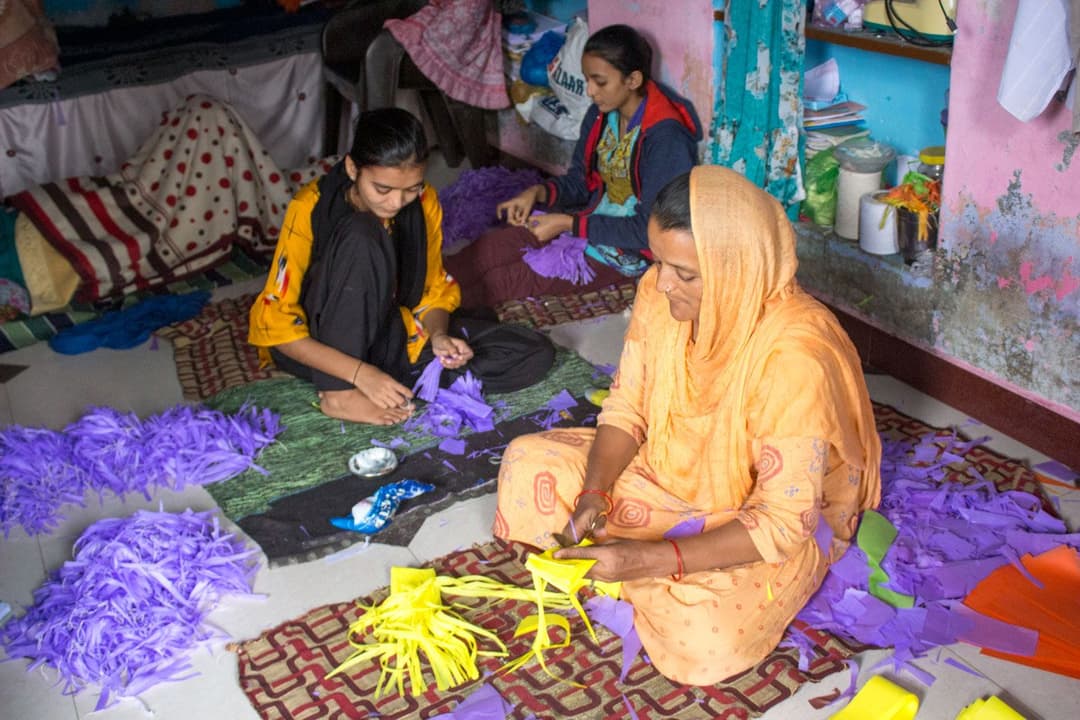


Anytime now, they’ll take off from a thousand runways in Ahmedabad alone. A sight more colourful and brilliant than any known air parade. Their proud pilots and owners are both ground-based. None of them aware that the craft they’re flying have been readied – each and every one of them – by ground crews of up to eight who work almost round the year to keep the industry airborne. Crews mostly women, often rural or small town-based, and who earn a pittance for their complex, delicate but arduous work, and who will never be high-fliers themselves.
It’s Makar Sankranti time, and the kaleidoscopic colours of many of the kites to be flown in the city in celebration of this Hindu festival were made in Ahmedabad itself and in Khambhat taluka of Gujarat’s Anand district – by women from Muslim and poor Hindu Chunara communities. The majority of fliers, naturally, will be Hindus.
These women work for more than 10 months a year making kites – for very meagre returns – especially those colourful ones that decorate the sky on January 14. Women account for 7 of every 10 of the 1.28 lakh people finding work in this Rs. 625 crore industry in Gujarat.
“A patang [kite] has to pass through seven pairs of hands before it’s ready,” says 40-year-old Sabin Abbas Niyaz Hussein Malik. We’re seated inside his 12 x 10 foot home-cum-shop in a small lane of Khambhat’s Lal Mahal area. And he’s enlightening us on the less known side of this outwardly beautiful industry, seated against the glossy silver backdrop of packages with kites wrapped and ready to be sent off to the sellers.