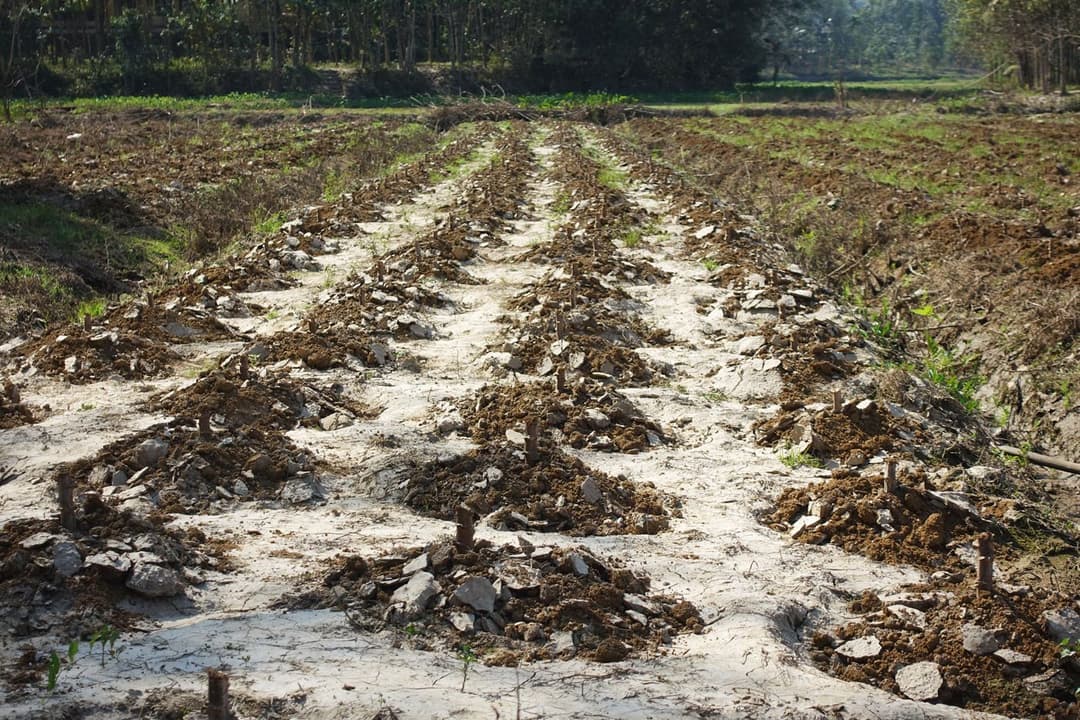

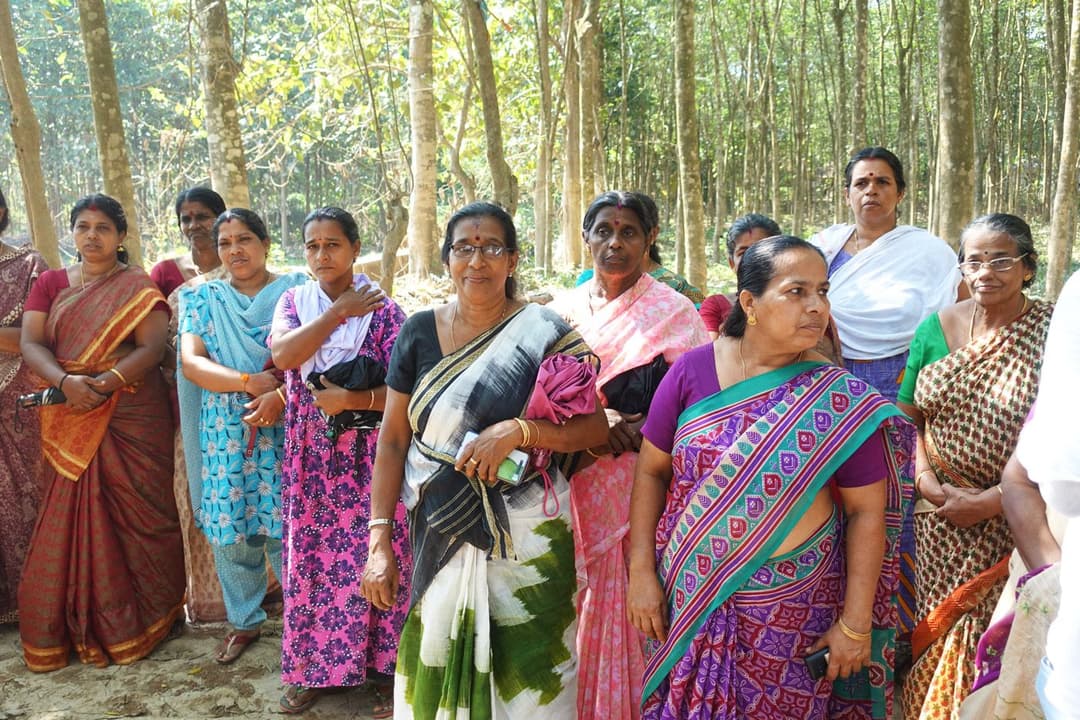
“The fine dust from the drying silt and the pollution from all the muck lying on the fields is quite nasty,” says Dathan C.S. in Pattanamthitta. “Please wear this,” he adds, handing me a surgeon’s mask. Behind him, a woman laughs at this – one of those whose farms have been ruined by the Kerala floods. “He lives in Mumbai,” she scoffs, “what protection from pollution could he possibly need?”
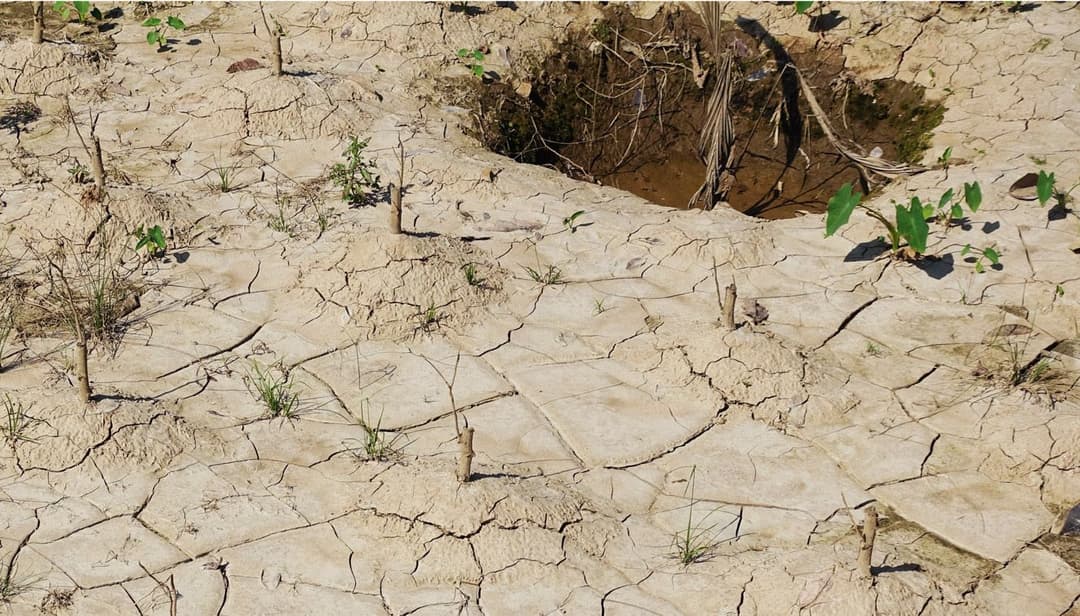
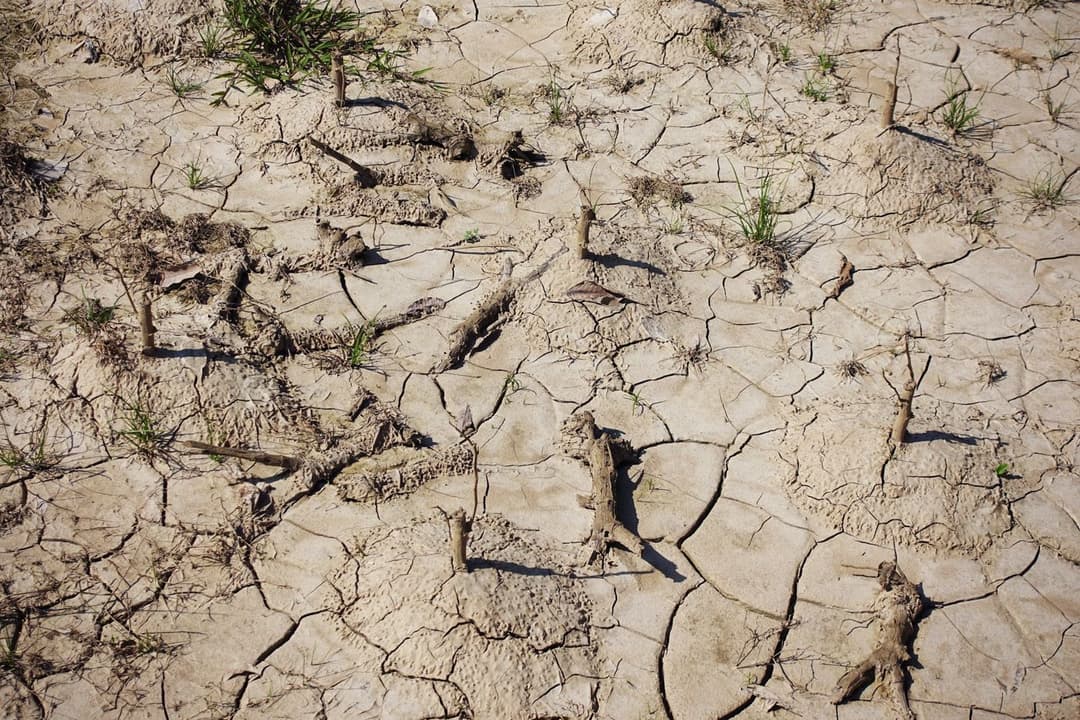
The fields are a picture of devastation. What was once a fine, profit-making patch of paddy and tapioca, lies buried under inches – in some places, feet – of silt from the river bed, and effluents and pollutants brought in from upstream by the flood waters. Across many acres of farmland, that deadly mix of muck and matter has dried out and hardened in the blazing sun, covering the soil like a blanket of crude cement.
Water tables are falling, groundwater recharge isn’t happening, wells are drying out, temperatures rising. All this and more has perversely impacted the entire equation between surface and groundwater. River ecologies have been dramatically transformed. With the loss of their sand beds and silt, many rivers and streams are now unable to retain water. And so, oddly enough, the next calamity Kerala faces could be a drought. Restoring cultivation in this situation could dishearten the most determined.
But not the women farmers of Kudumbashree.
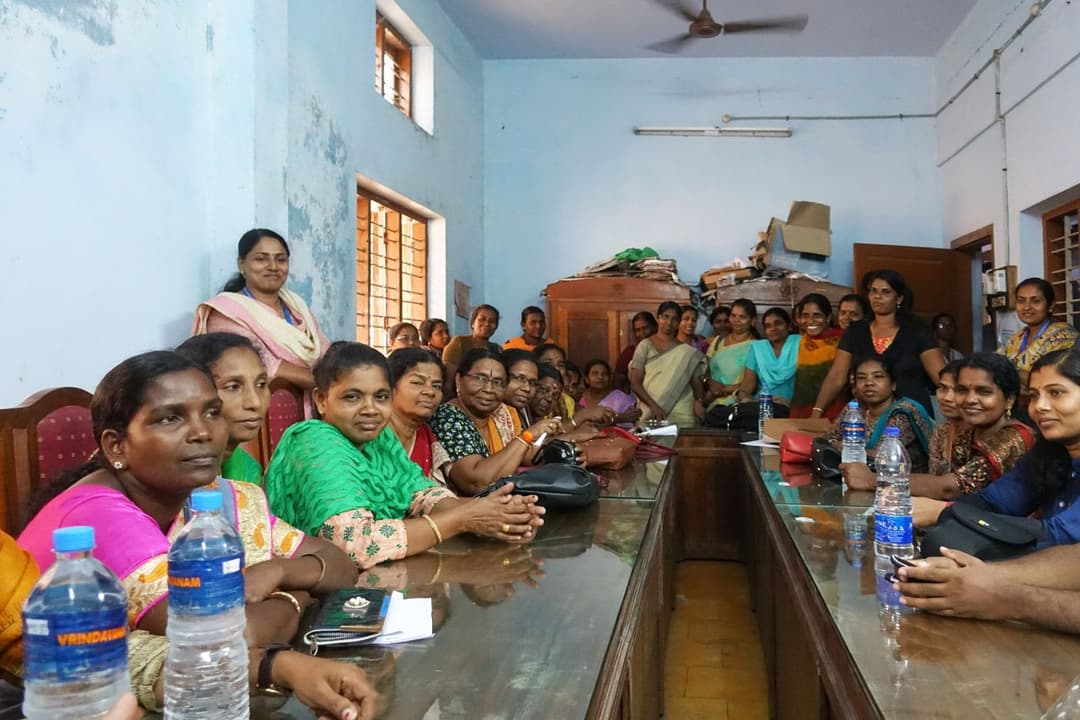
There are well over a quarter of a million of them, one part of that massive women’s community network across Kerala. Kudumbashree (literally, ‘prosperity of the family’) has nearly 4.5 million members. Membership is open to all adult women, but restricted to one woman per household. Which means close to 60 per cent of Kerala’s 77 lakh households have a member who is part of this network. At the heart of Kudumbashree, are those 3.2 lakh women farmers who have banded themselves into sangha krishis – units that practice group or collective farming.