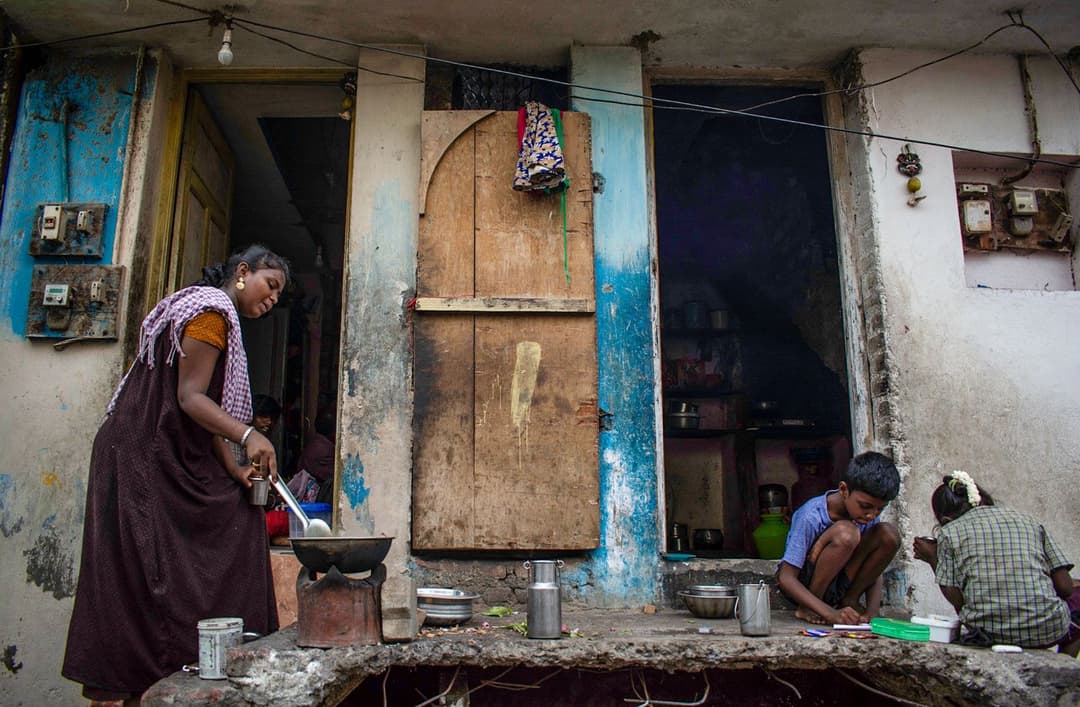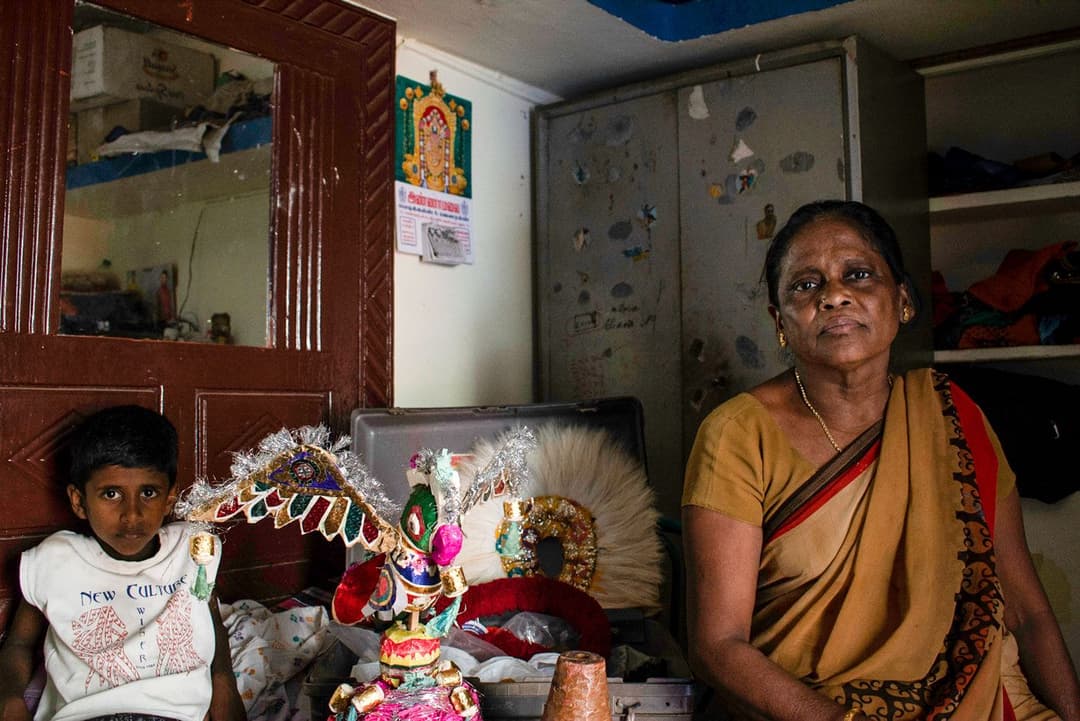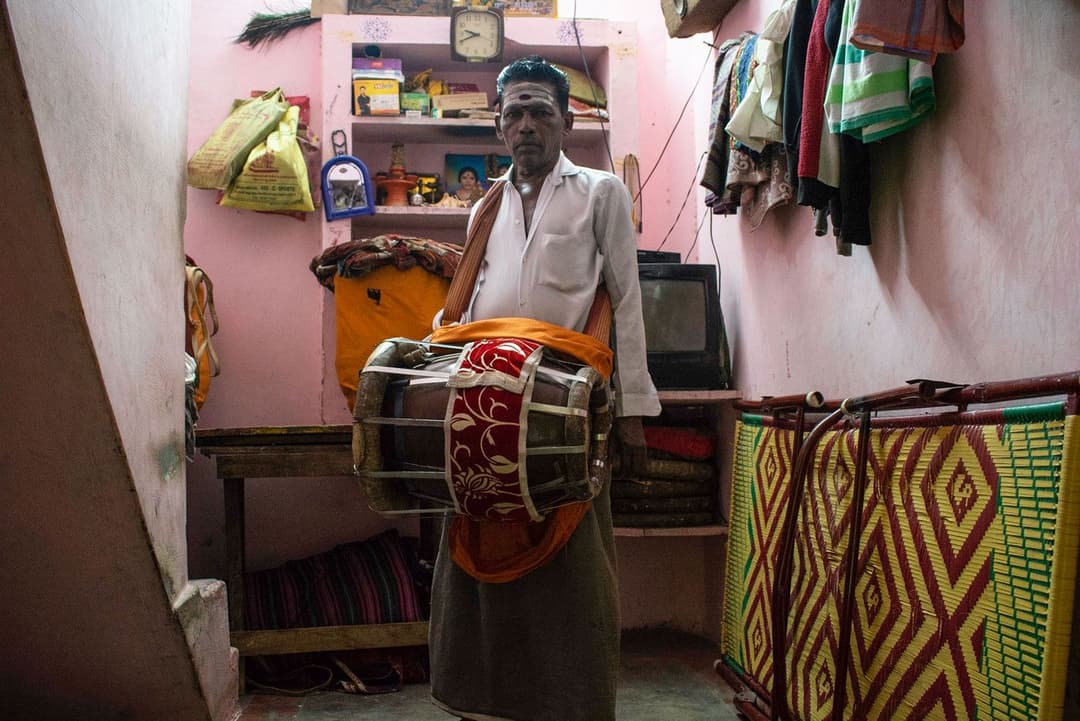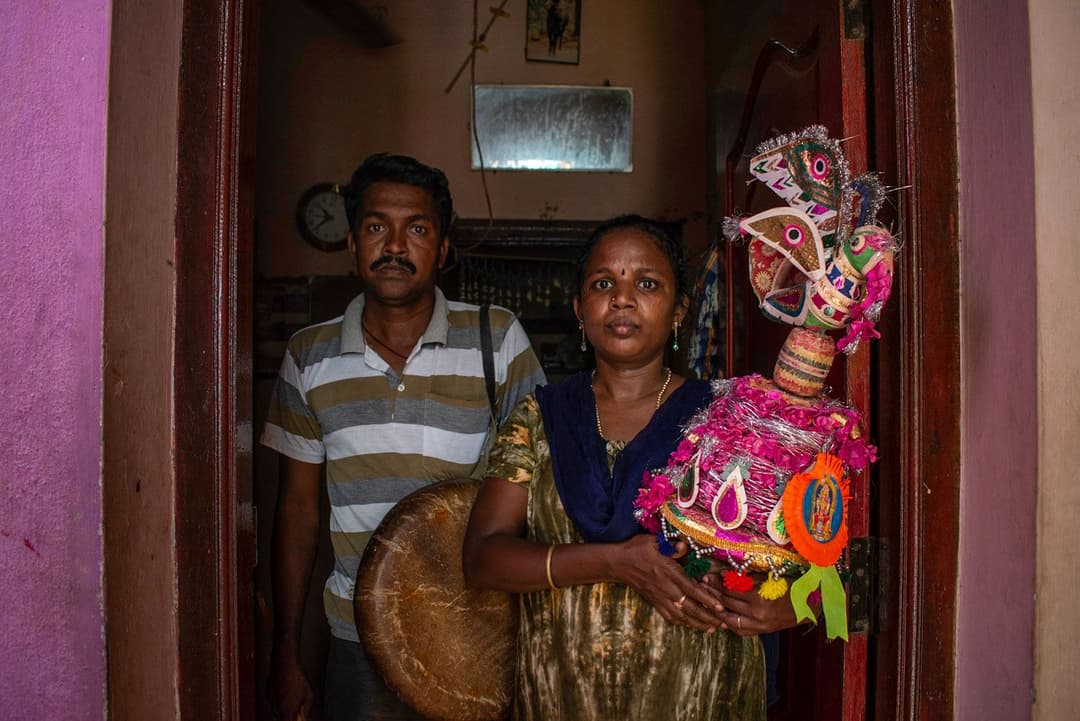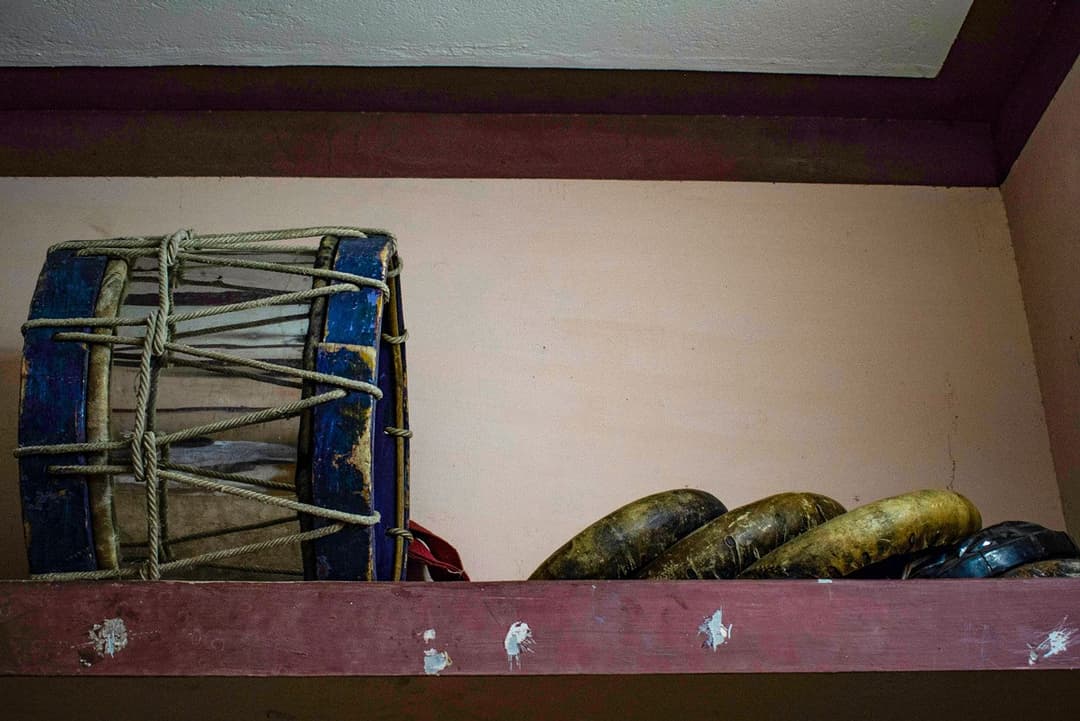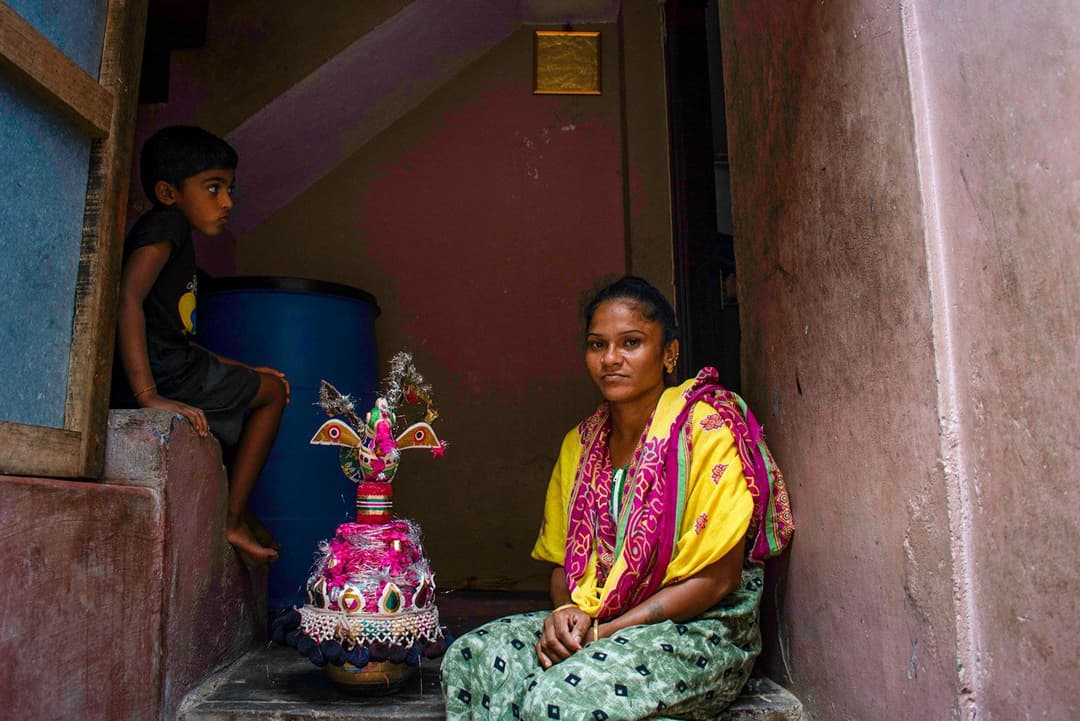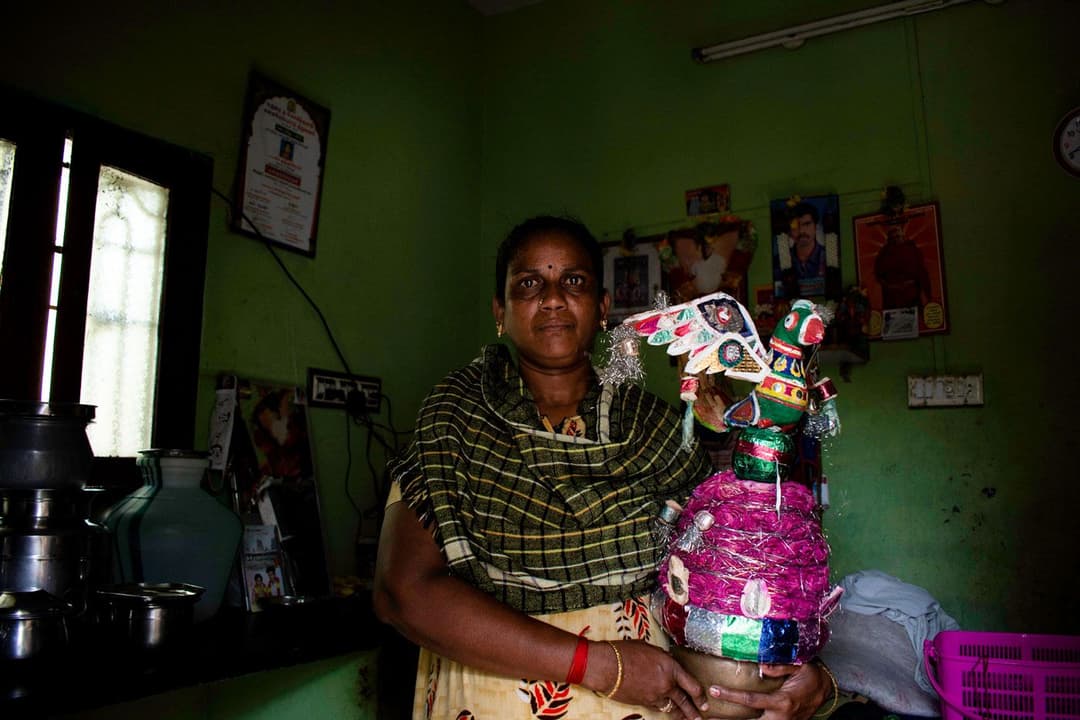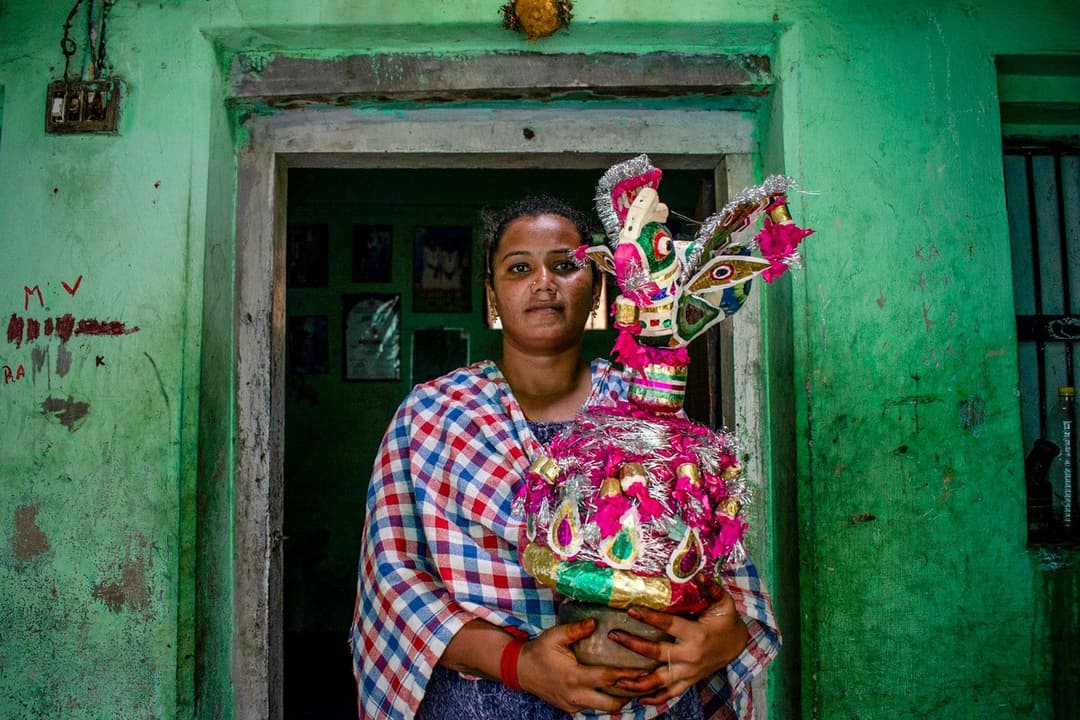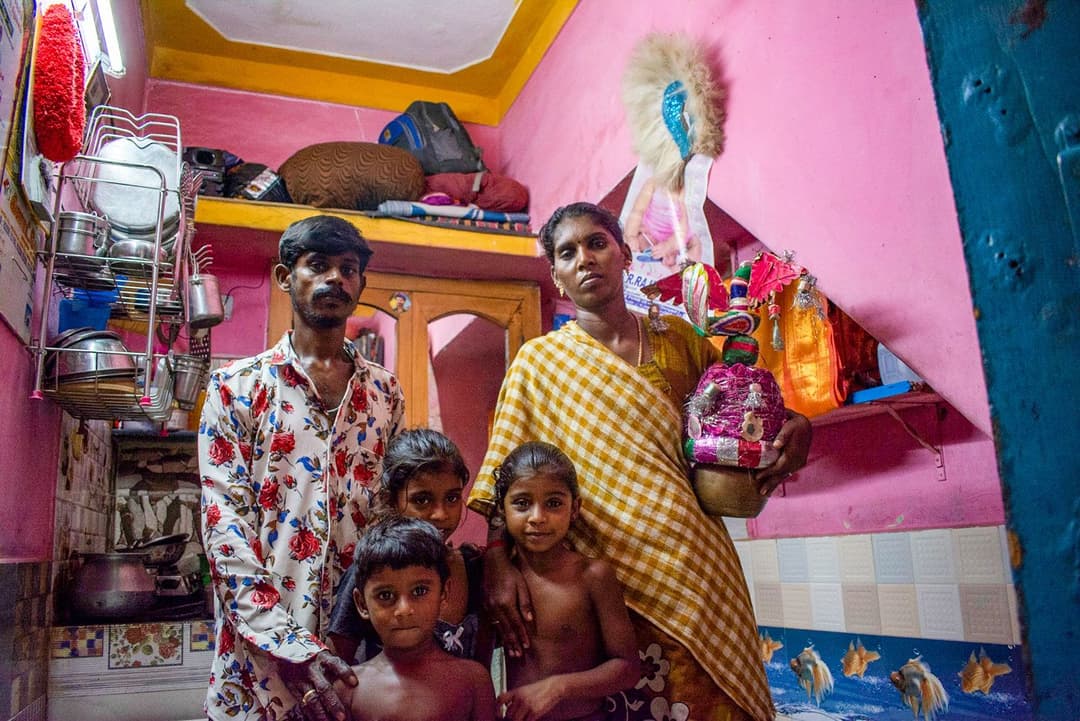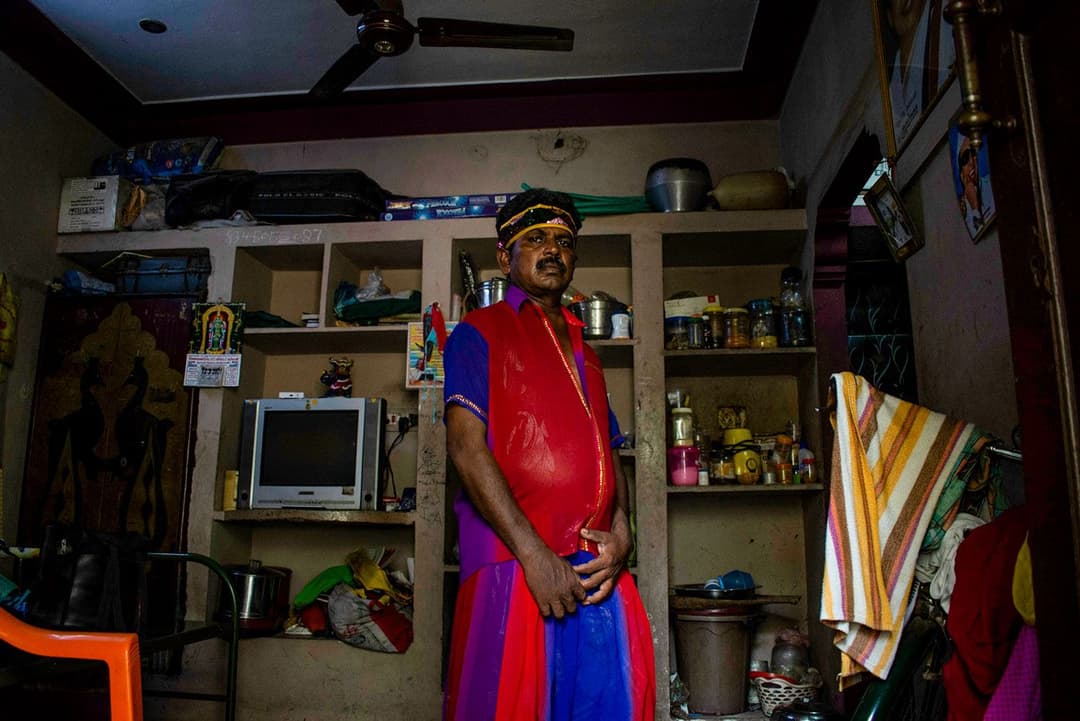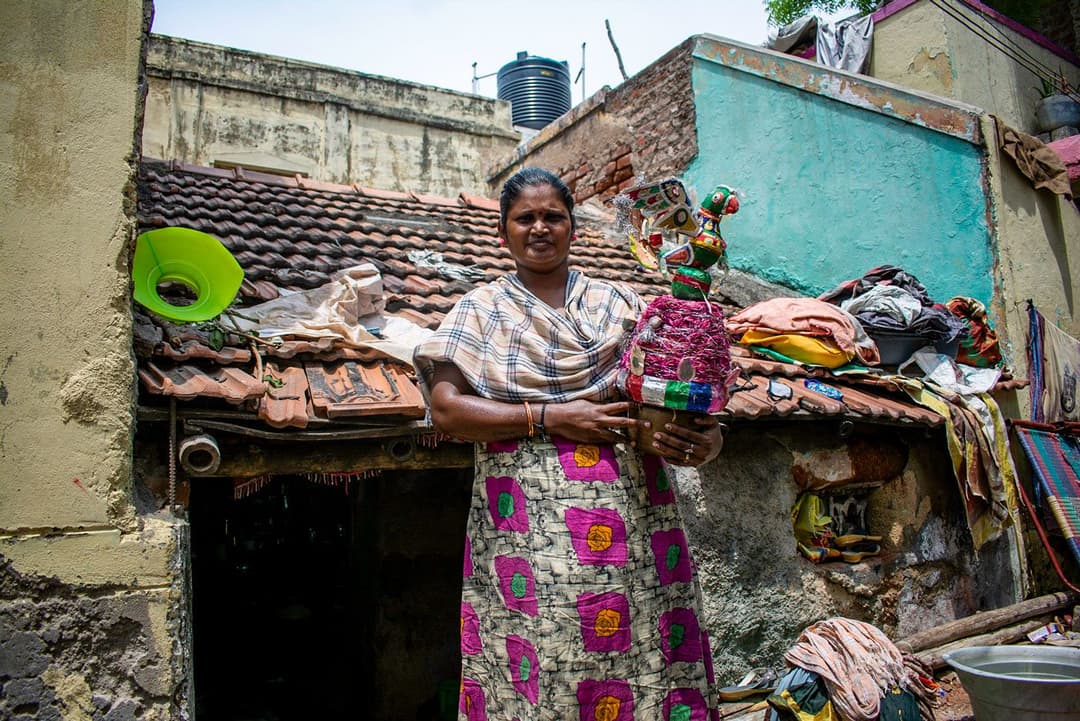

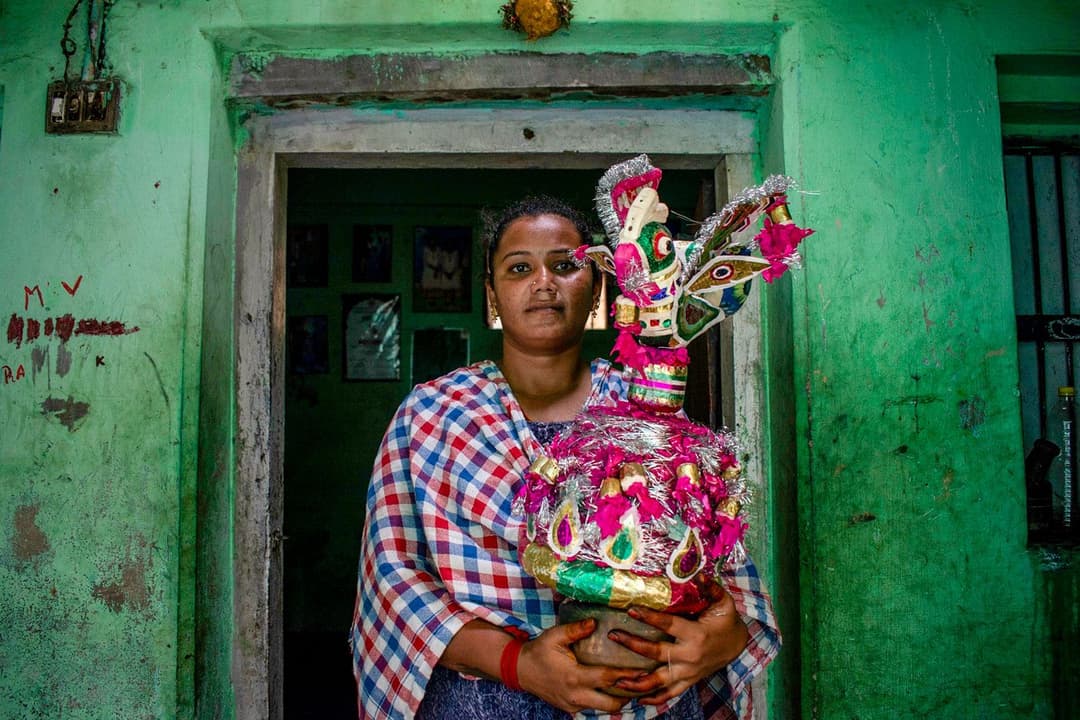
S. Muthupechi calmly lists out her troubles. Karagattam, the traditional art form she performs for a living, calls for skill and stamina to dance the whole night. Yet, the performers are often treated shabbily and stigmatised, and have little social security. The 44-year-old has surmounted them all.
As a single woman – her husband died ten years ago – Muthupechi has managed all her living expenses and got her two daughters married with her earnings. But then, Covid-19 struck.
Her voice is laced with anger and anguish when she talks of the coronavirus. “Pazha pona corona [This wretched corona],” she says, cursing the disease. “There’s no income because there are no public performances. I’m forced to take money from my daughters.”
“The government promised Rs. 2,000 as aid last year," adds Muthupechi. "But we received only Rs. 1,000 in hand. We’ve appealed to the Madurai collector this year, but nothing has come out of it so far.” In April-May 2020, the Tamil Nadu government had announced a special payment of Rs. 1,000 – twice – to artistes registered with the state’s Folk Artistes Welfare Board.
About 1,200 artistes in Madurai district have been struggling without work since the onset of the pandemic, says Madurai Govindaraj, a noted performer and teacher of folk art forms. Nearly 120 performers of Karagattam live in Avaniapuram town, in the Ambedkar Nagar neighbourhood, where I met Muthupechi and some others in May.
A largely rural dance form, Karagattam is staged in temples during religious festivals, at cultural events and social functions like weddings, and during funerals. The artistes are Dalits, belonging to the Adi Dravida castes. They depend on their art for a living.
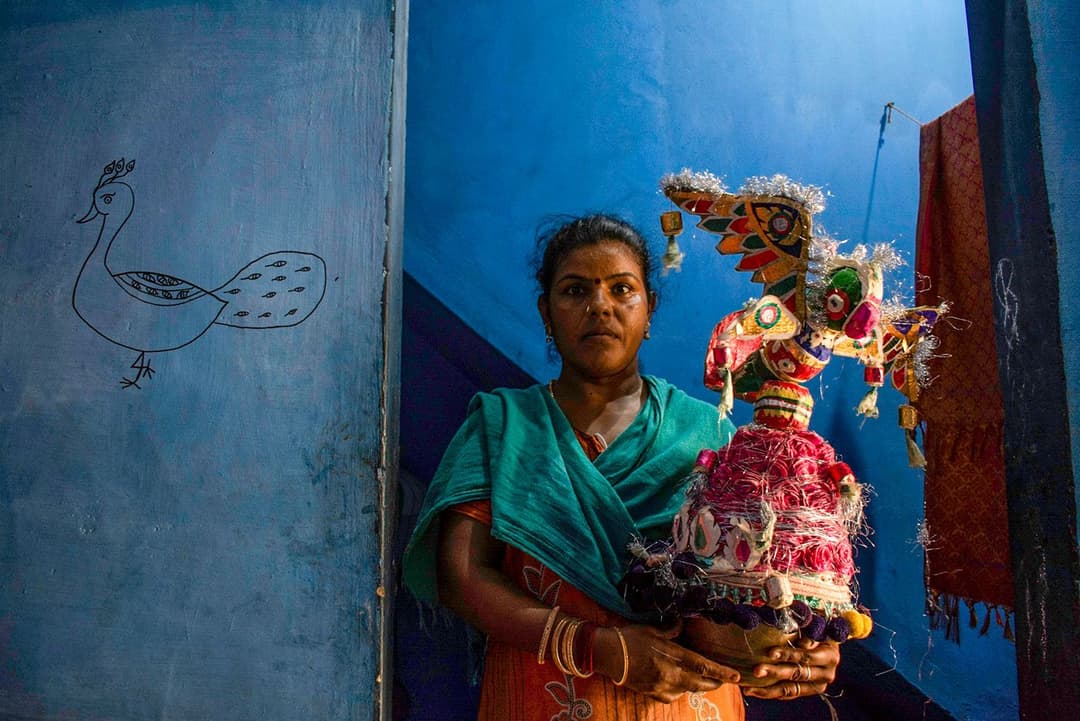
Karagattam is a group dance performed by both women and men with a heavy decorated pot called karagam balanced on their head. They often perform all night, from 10 p.m. till 3 a.m.