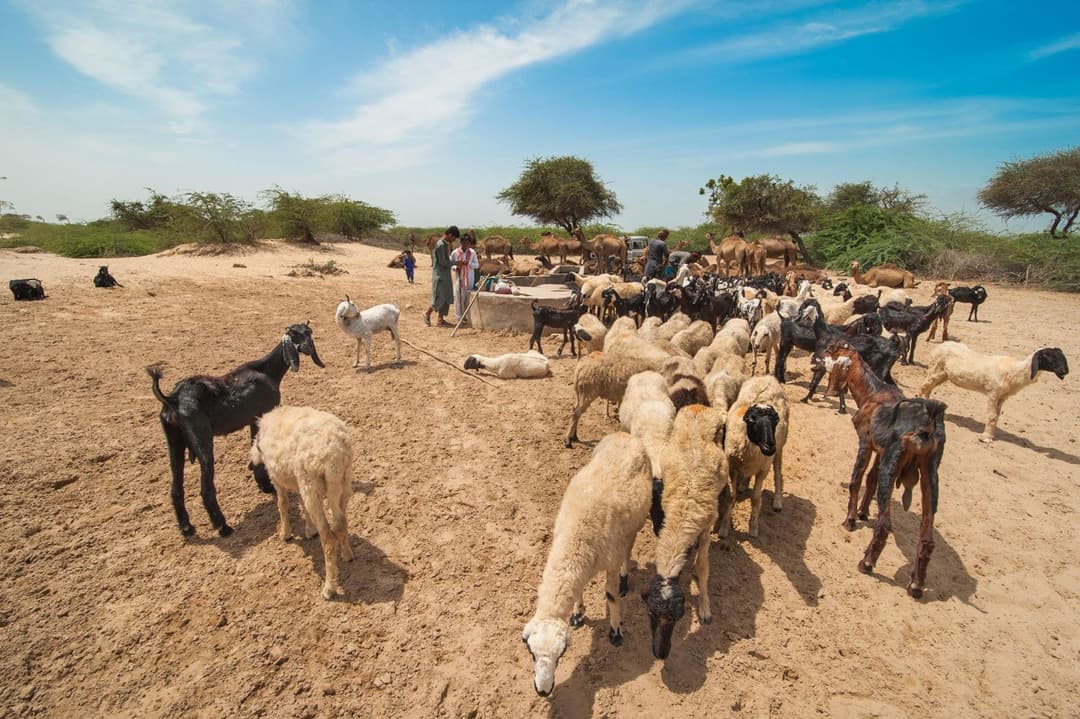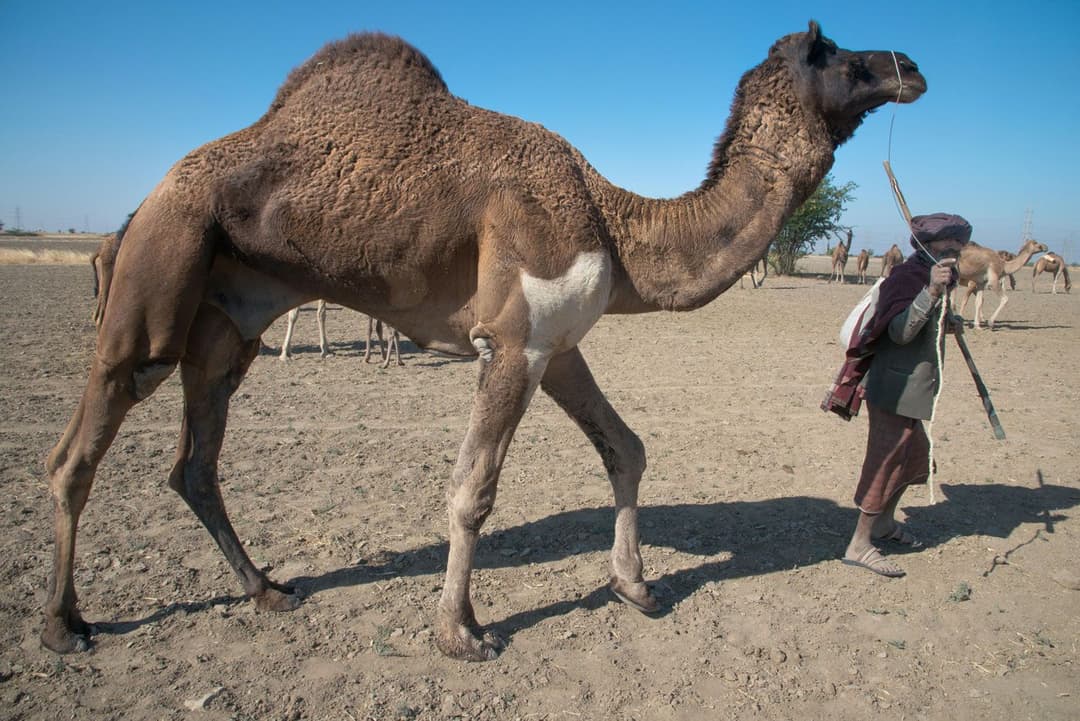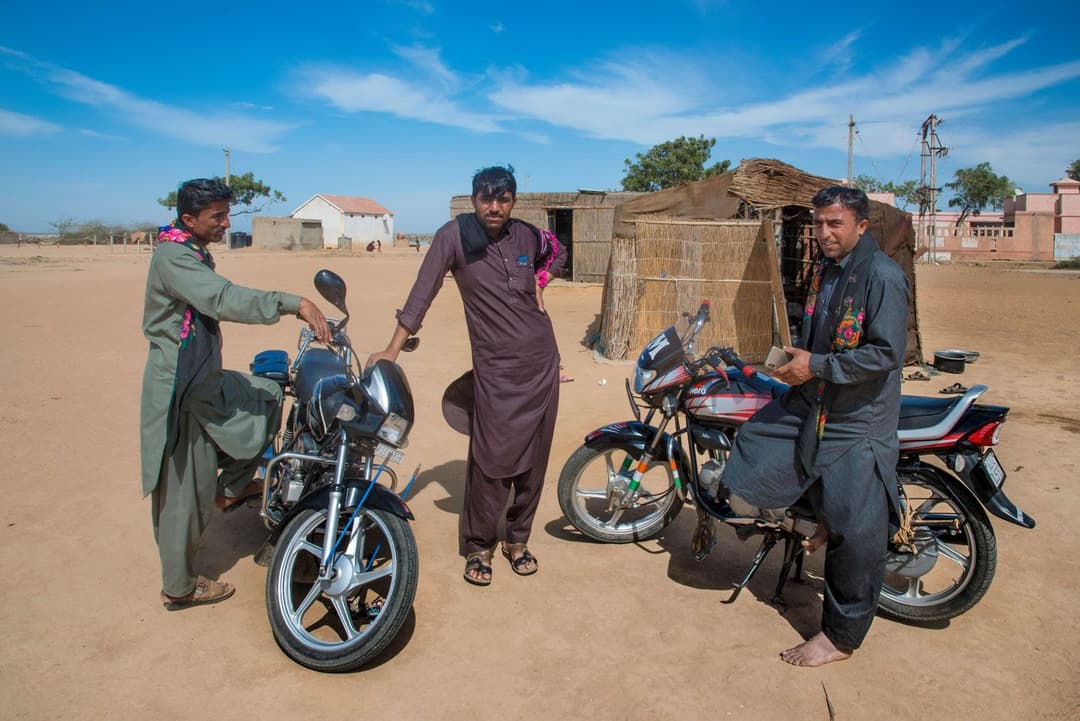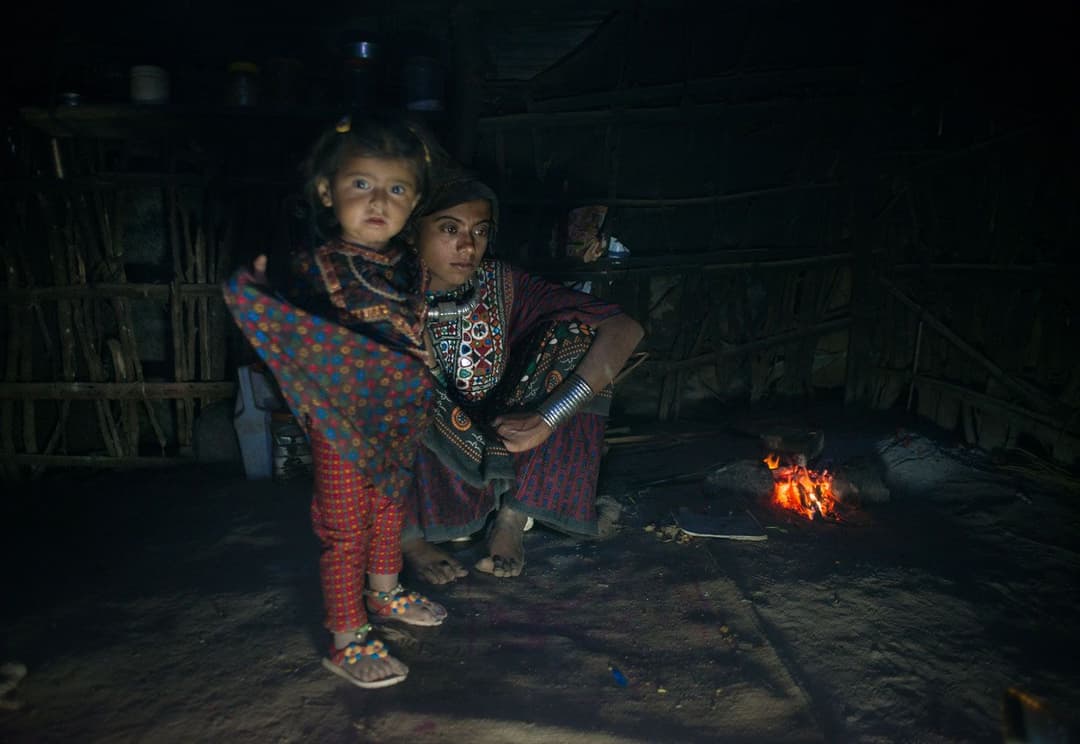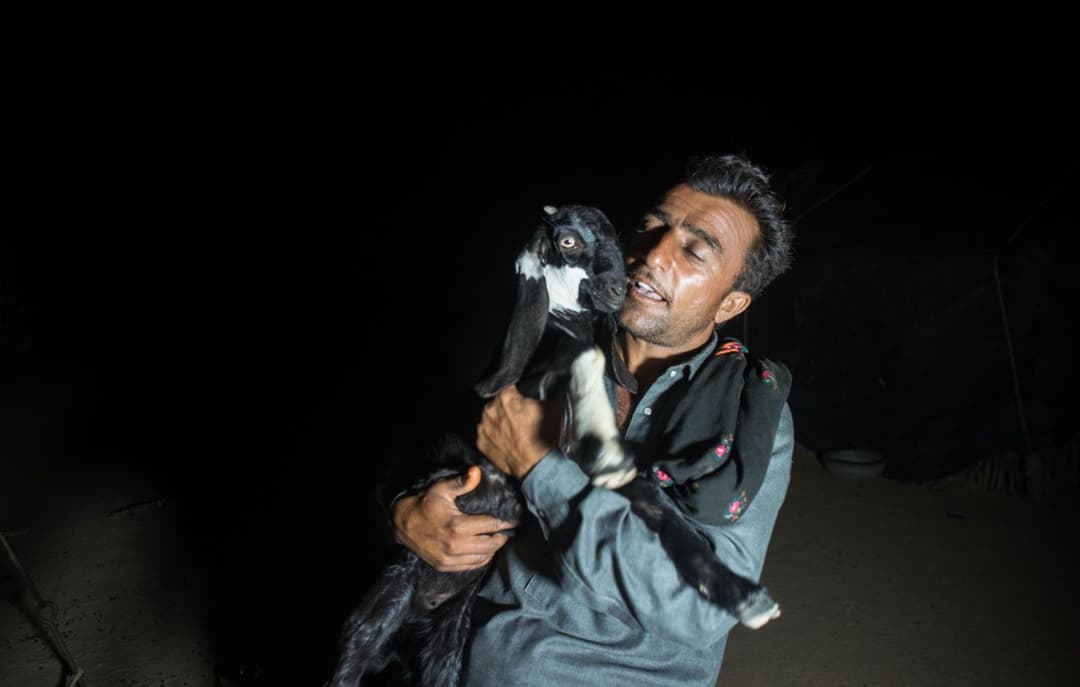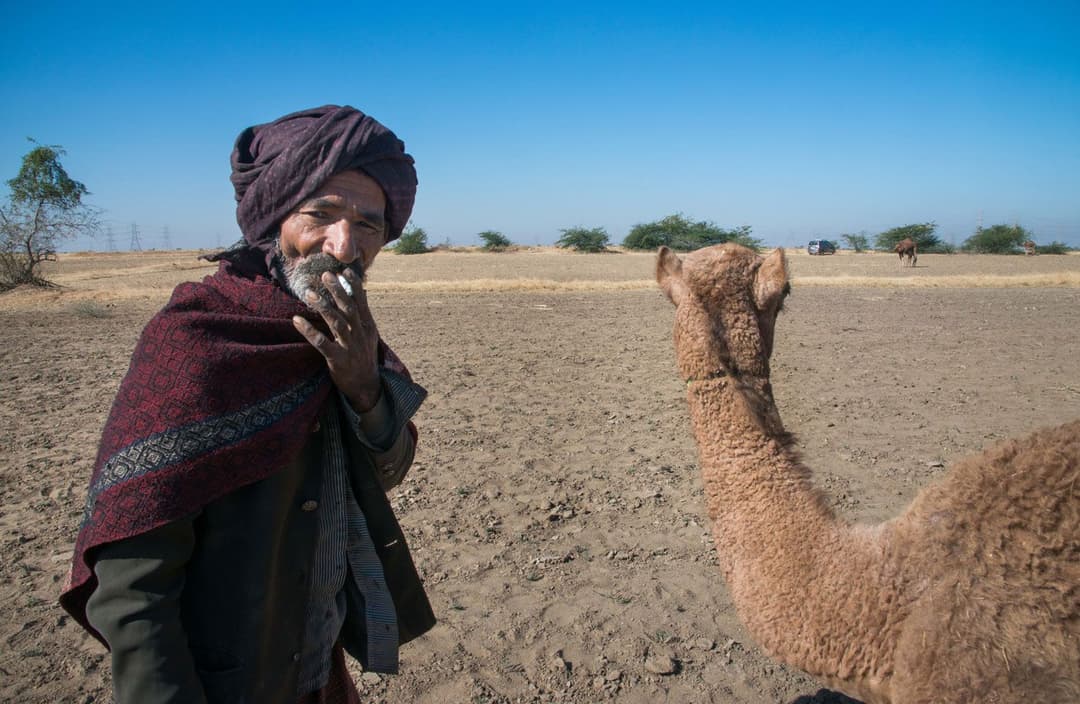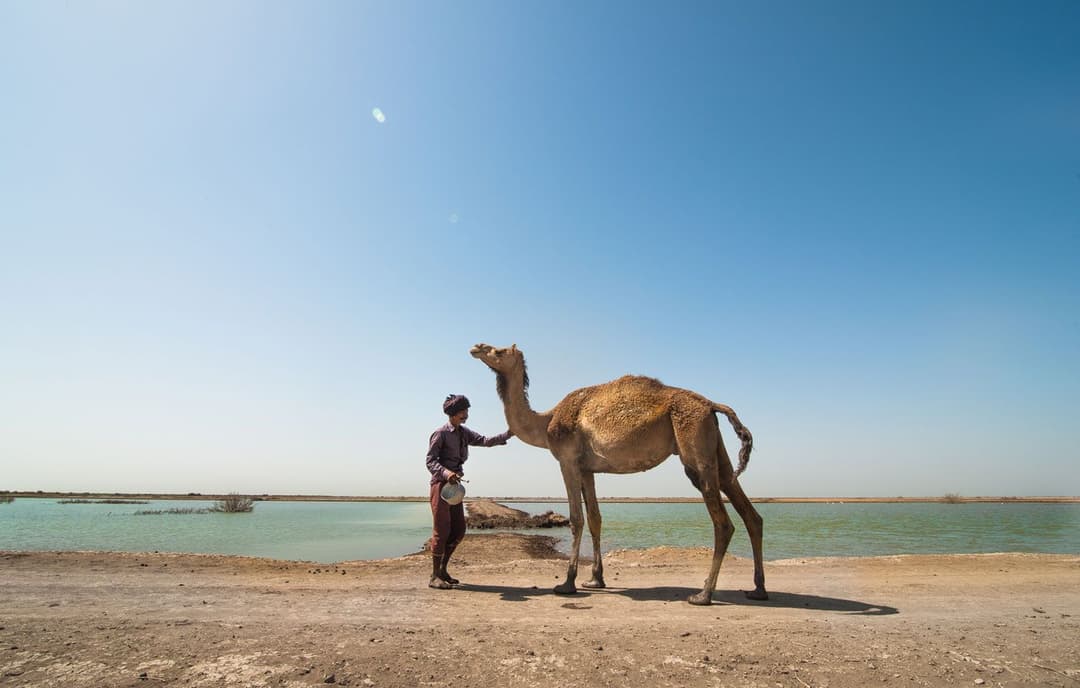
"I am selling some vegetables, but there's not much profit in it. We all are sitting at home, idle, mostly. The local cement factory is running, but we aren't going to work,” Karim Jat tells me on the phone from Mori, his village in Lakhpat taluka of Kachchh district. Karim Jat is a maldhari of the Fakirani Jat community. In the Kachchhi language ‘mal’ refers to animals, and ‘dhari’ means guardian or possessor. Across Kachchh, the maldharis rear cows, buffaloes, camels, horses, sheep and goats.
The vegetables Karim Jat speaks of are those he has obtained from nearby markets and villages – but he’s not getting a decent price for them, he complains. The cement factory is in a township just a few kilometres away – but the lockdown makes it very difficult for Karim and his fellow Fakirani Jats to step out. Besides, the factory already has many labourers – mostly migrants from West Bengal and elsewhere, several of whom have remained, unable to return to their homes. Relations between the migrants and locals have never been the most amicable.
Due to the lockdown, Karim Jat tells me he has missed out on a visit to the Savla Pir shrine near the India-Pakistan border, and the fair held there. “The holy month of Ramadan has already begun. And Eid is less than a month away,” he says, worried. “Eid will be different this time."
The first case of Covid-19 in Kachchh was a woman in Lakhpat taluka, who had returned from an overseas trip. She was taken to Bhuj in March where she tested positive. Lakhpat is home to most of the camel pastoralists.
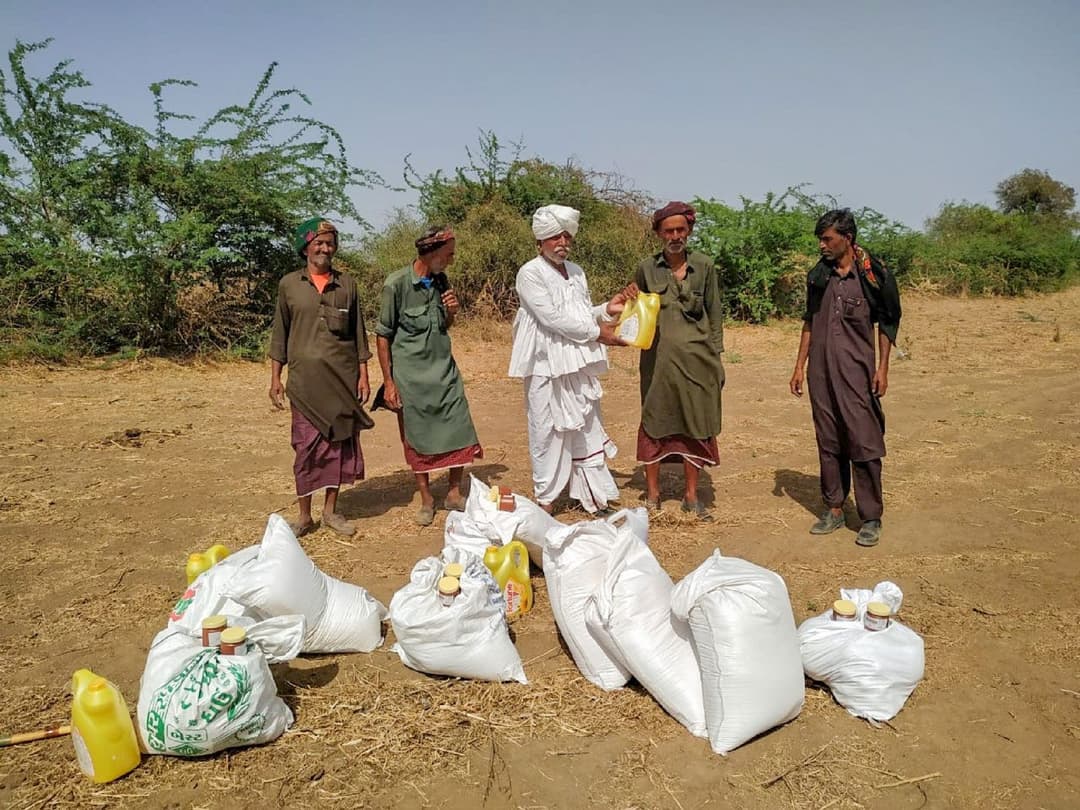
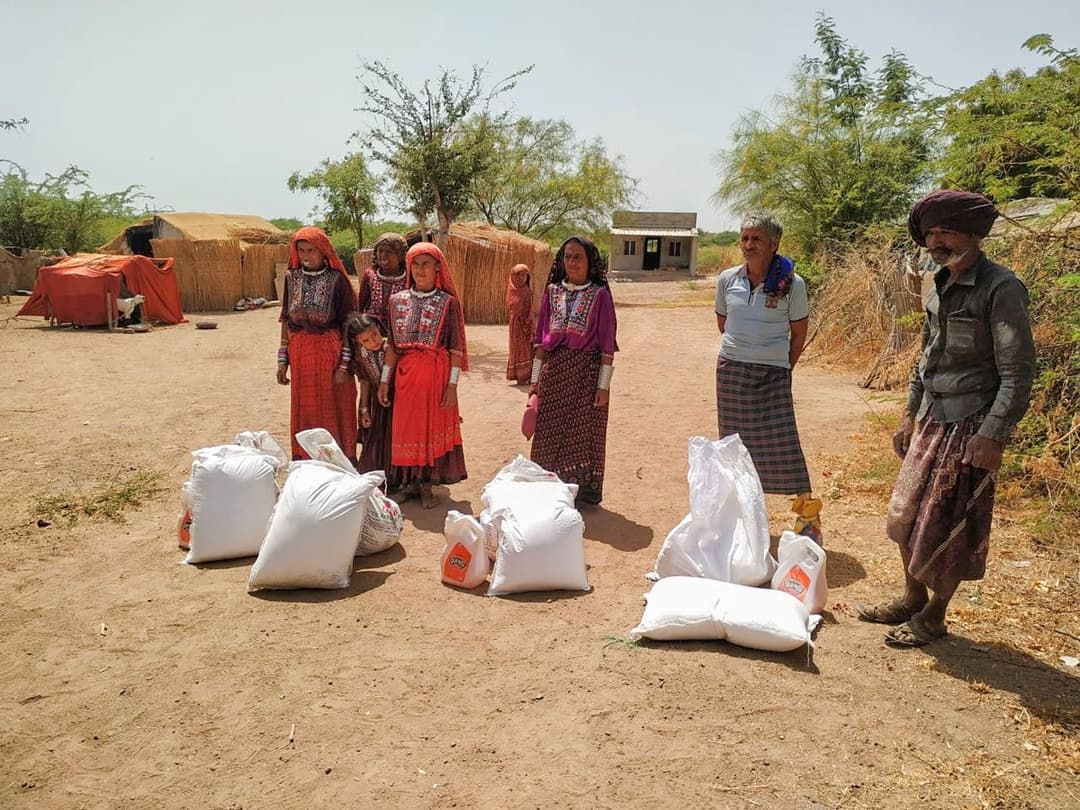
Soon after the lockdown announcement on March 24, most activities came to a standstill in Kachchh. Camel herders have since faced particularly tough challenges because they live and graze their animals in places quite far away from their homes. Also, the areas they live in are very close to, or on, the border – and therefore marked as highly sensitive zones, governed by ultra-strict security protocols. The sudden lockdown did not give many of the maldharis much time to either return to their villages or arrange sufficient food supplies for their families residing there.
Right now, they say, their animals are okay – since they are stuck out in the grazing grounds. But if the lockdown is further extended, feeding the herds could become a problem. And so could the heat of a fast advancing summer.
In Nakhatrana block, locals tell me on the phone, the police have visited some of the herders in the outlying grazing grounds and given them instructions not to move around. So if the pastoralists attempt to go anywhere at all, it is to their respective villages for rations or any other work. And that is proving difficult, too.