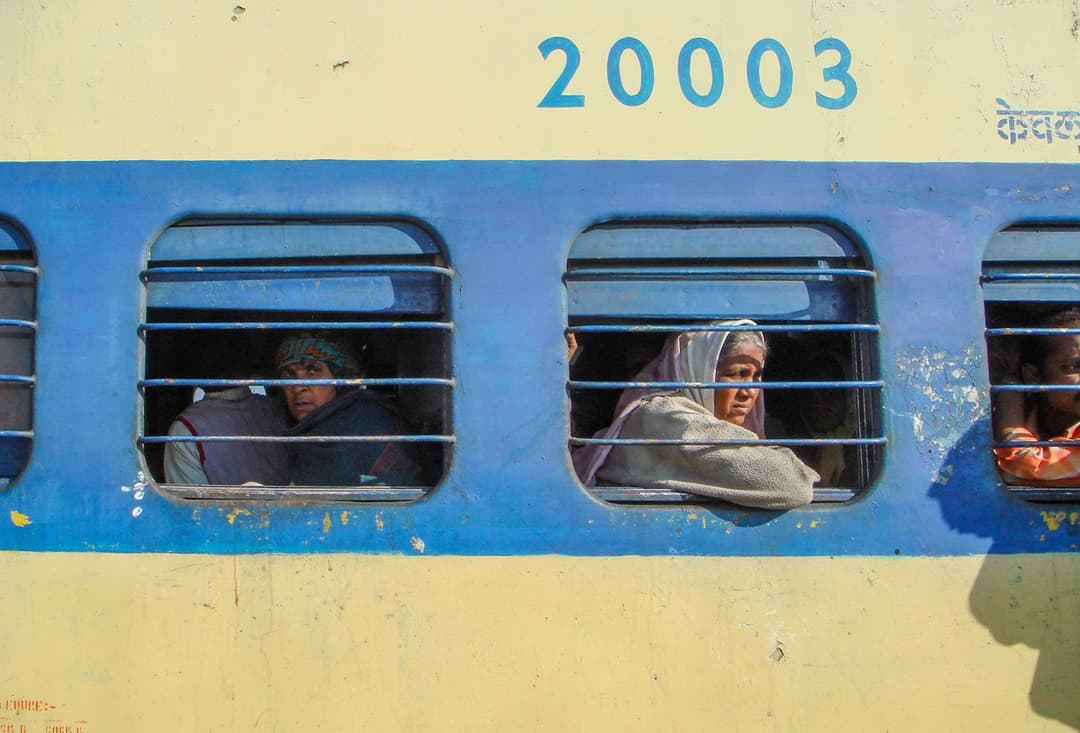
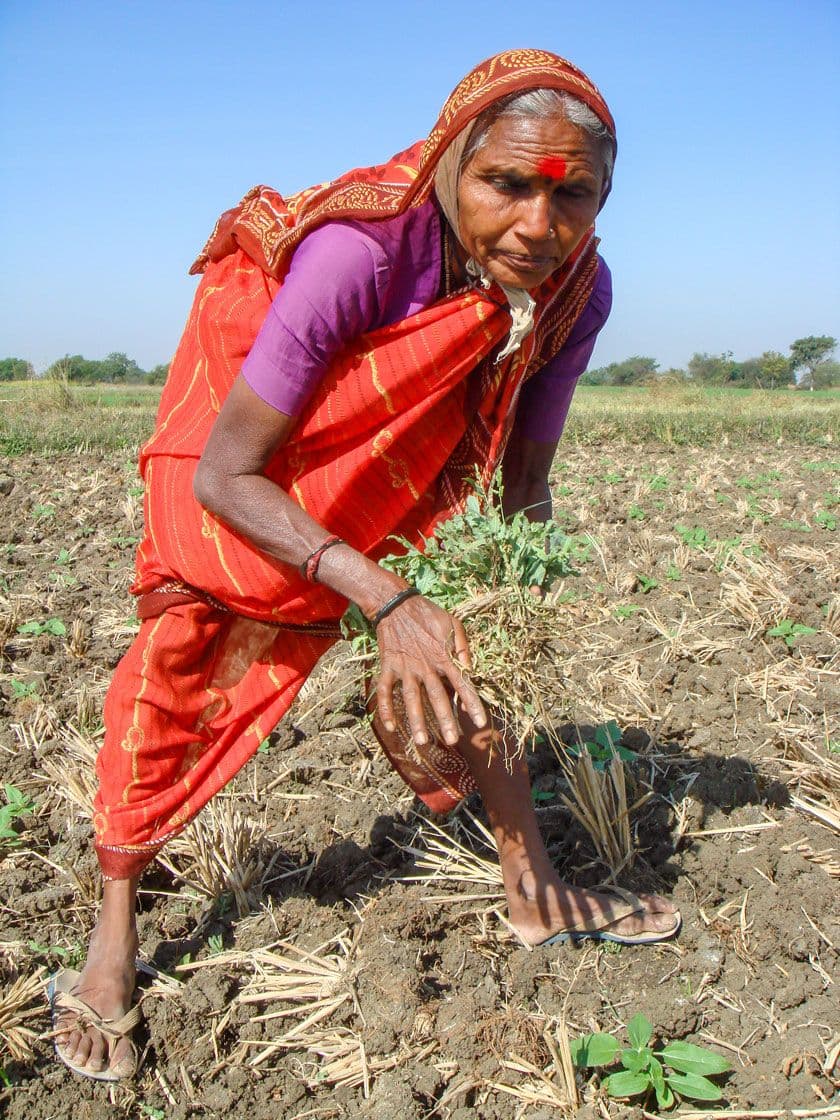
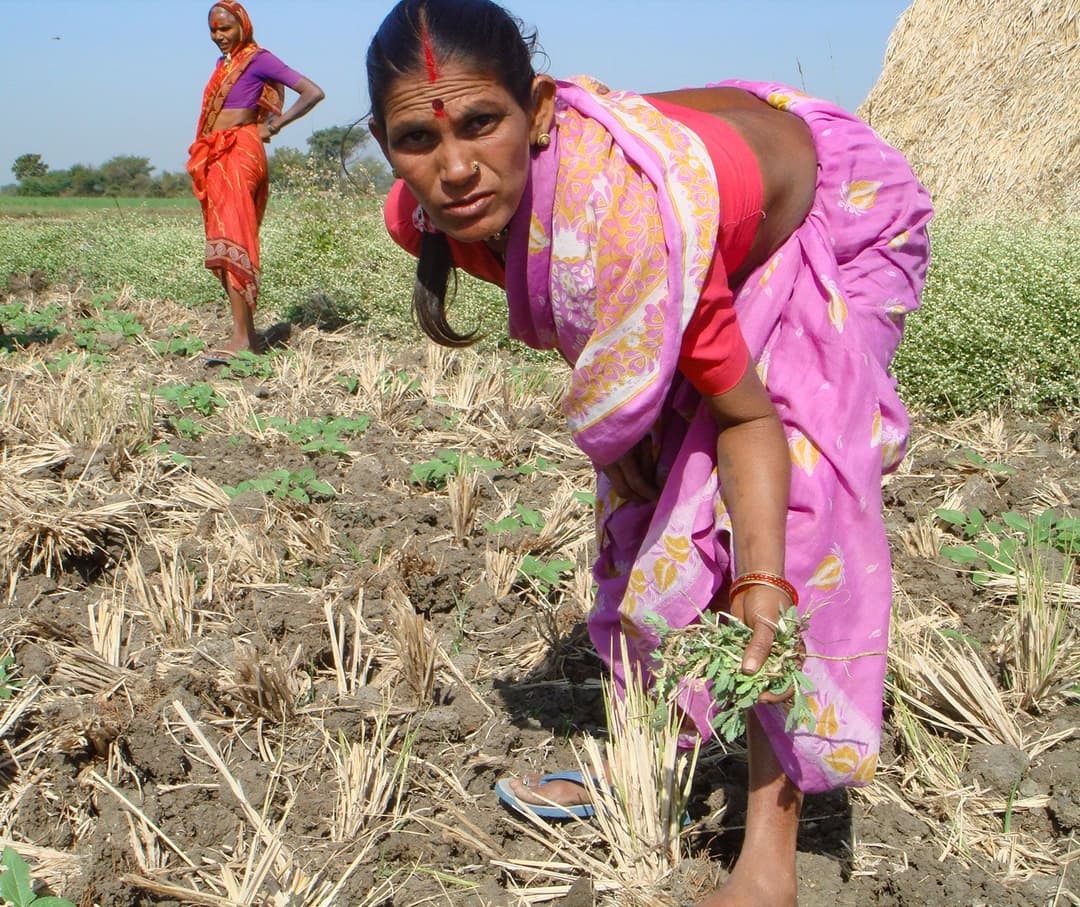
On May 1, International Workers’ Day, we republish this piece in honour of the women workers of Gondia, whose situation has not much improved since this story first appeared in The Hindu on January 27, 2007.
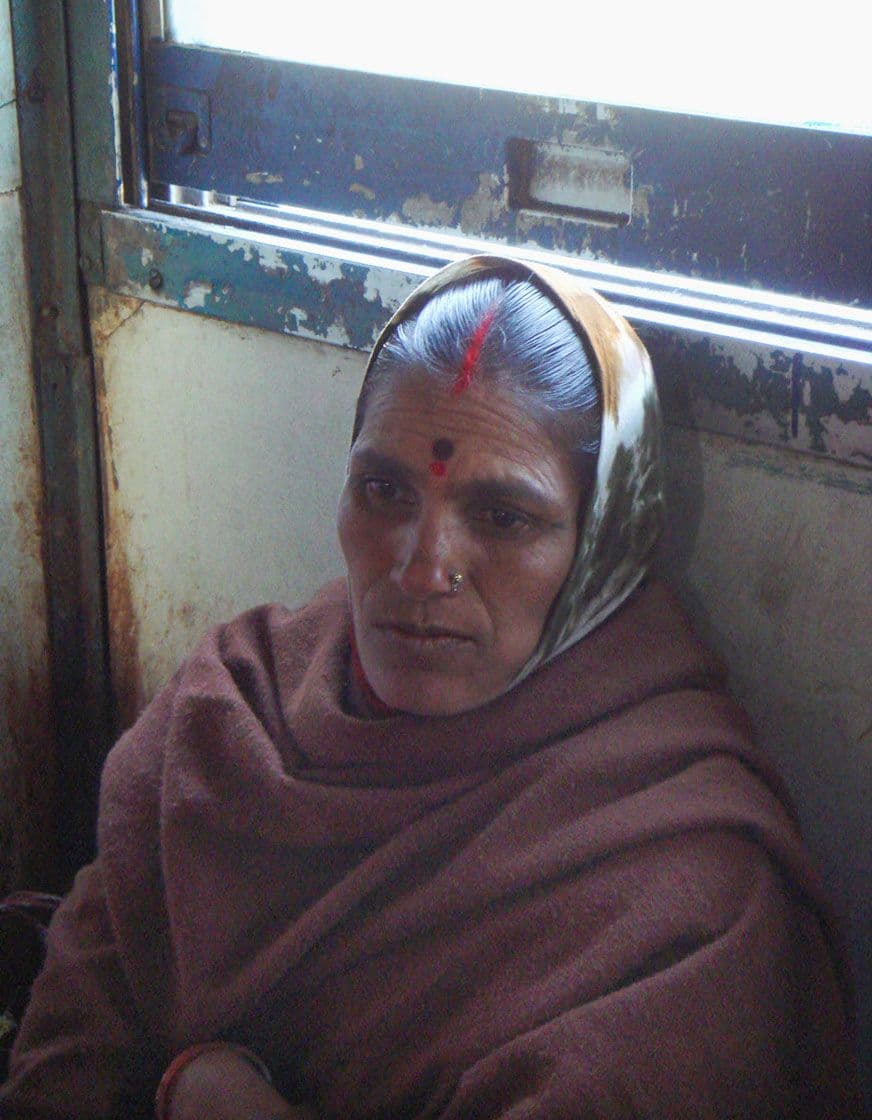
Revantabai Kamble has not spoken to her six-year-old son for months. They live in the same house in Tirora, of course. It's the same with Buribai Nagpure, though she might sometimes see her older boy if he's awake. Both women are among hundreds in this part of Maharashtra's Gondia district who spend just four hours a day at home and travel over 1,000 kilometres each week to earn Rs. 30 daily.
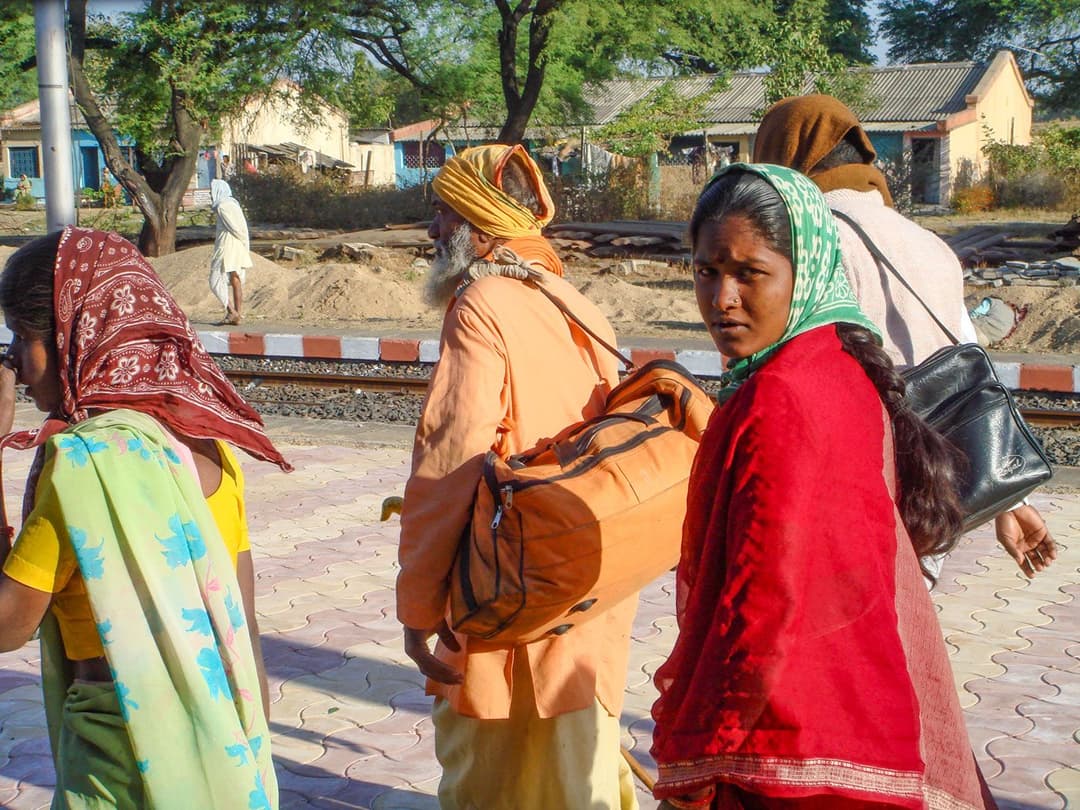
It's 6 a.m. when we accompany the women from their homes to the railway station. Most have been up two hours already. "I've finished the cooking, washing, sweeping and cleaning," says Buribai, cheerfully. "So now we can talk." No other member of her household is awake when we arrive. "Poor things," she says, "they're tired out." Isn't Buribai tired out, too? "Yes, but what to do? We have no options."
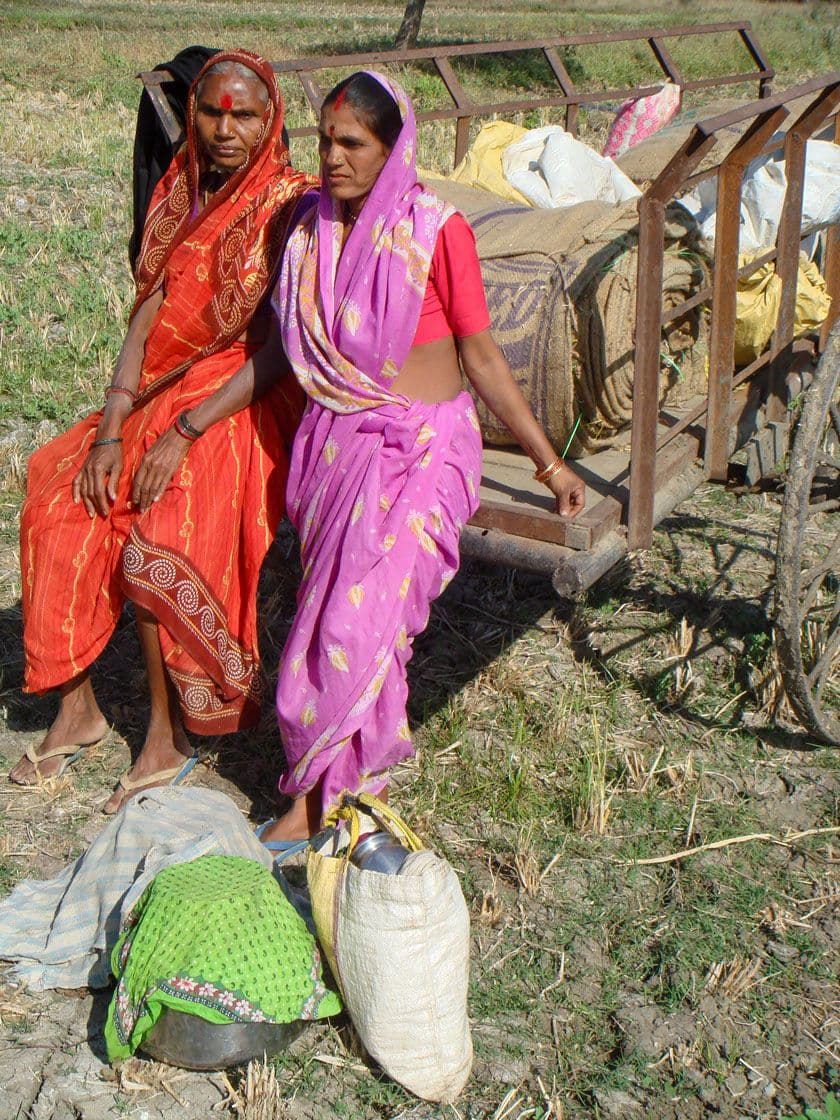
At the station are many other women without options. They are also unusual in one sense: these are not migrants from village to city. They are footloose workers from an urban setting seeking work in the villages. This search takes them from moffusil towns like Tirora, which is a tehsil headquarters, to toil as agricultural labourers in the villages almost every day of their lives. Spending up to 20 hours away from home daily. There are no weekend offs and no jobs in Tirora. "After the beedi industry went," says Mahendra Walde, district secretary of the Kisan Sabha in Gondia., "it is impossible for them to find work here."